
Commercial Roofing in Orenco Station, Hillsboro, OR
Commercial roof inspections and repairs in Orenco Station, Hillsboro. We trace leaks, check drains and seams, then scope work around building access.
Orenco Station
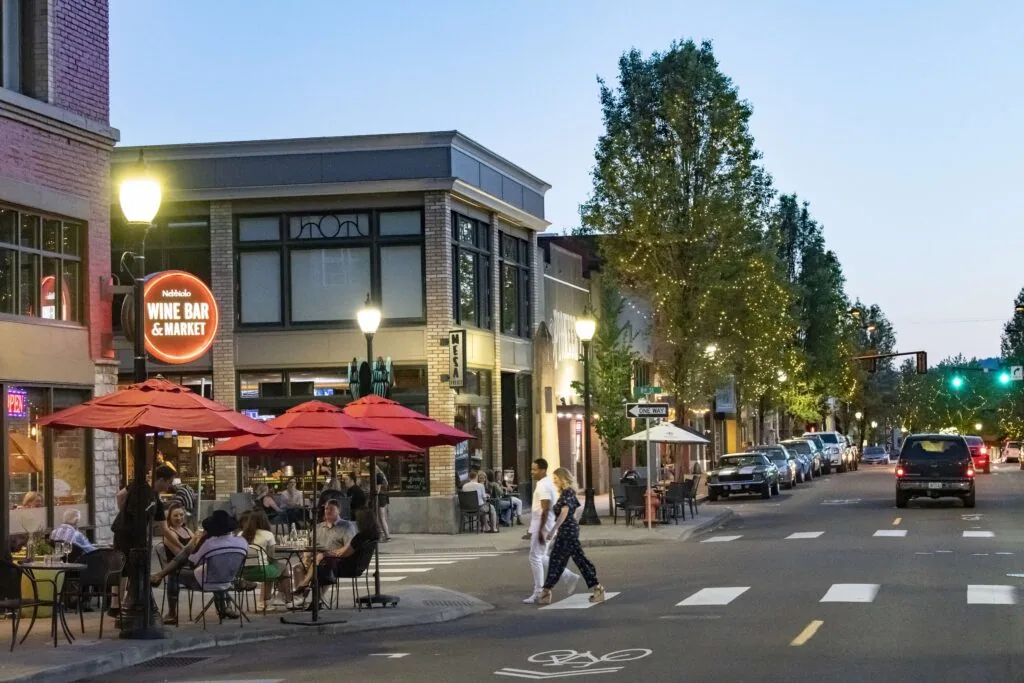
A shared service path at Orenco Station can bring regular foot traffic close to roof entries and equipment. The station-community pattern centers the district on the MAX Blue Line, and the area's shops and services make access planning part of the work. Each inspected building still has its own drains, curbs, seams, and access rules. I start with a roof inspection that follows the water path and checks the visible assembly. The roof in Downtown Hillsboro may call for a different repair sequence. The inspected seams, drainage, and substrate set the scope for each property.
Related Roofing Pages
More pages on commercial roofing in Hillsboro:
Read the assembly before choosing a patch
A low-slope roof can hide its weak point beneath a service path, equipment curb, or old repair. I check the membrane surface, laps, terminations, drains, and penetrations, then compare those details with the leak location inside. A stain near a tenant space can be fed by water that traveled along the deck or insulation. The first opening we see is not always the place where the membrane failed.
On a mixed-use block, access may be shared with service entries or public walkways. We identify the safest roof route, note any fragile panels or surface-mounted equipment, and locate the staging area before bringing tools up. If records identify a TPO assembly, we check seams and flashing methods that suit that membrane. Unknown materials are tested or reviewed before a patch is specified.
A marked condition report keeps observed defects, suspected paths, and inaccessible areas separate. That gives the property contact a useful repair boundary instead of a broad note that water was found.
Follow water across changes in the roof
Where the roof changes direction or material, water can find a small opening. I inspect transitions at walls, curbs, pipes, skylights, and expansion joints. A lap that has lifted at one corner needs a different repair than a puncture in the field sheet. Hillsboro’s normal annual precipitation amounts to 35.93 inches and peaks between October and January. We mark outlet restrictions and open terminations so the owner can plan corrections before that interval and retain a clear record of the work. I use that city-level pattern to keep the inspection focused on the drain bowl, strainer, overflow path, and low points. A pool that remains after surrounding areas drain deserves a closer look at slope and insulation, not just another pass of sealant.
The roof walk also checks how the surface meets metal edges and parapets. We photograph each transition before opening it, then price the repair with its preparation and closeout details visible.
Keep wet weather and freeze points in view
A wet season exposes details that remain quiet in dry weather. Debris at a drain can slow runoff, while a loose termination can let water move below a membrane. I clear the inspection path, document standing water, and look for seam separation near the drain and outlet. Hillsboro has roughly 64 days annually with freezing or colder lows. After a cold period, I inspect retained water at the outlet, examine the nearest lap and curb corner, and photograph any separation against the earlier repair record. The work scope identifies which detail needs preparation and whether an opening is needed to inspect the insulation below. We match the patch to the substrate and schedule the work for a suitable surface condition.
For commercial roof repair, the closeout shows the prepared area, installed materials, and edges that were checked. A repair should leave enough visible evidence for the next roof walk to compare movement or moisture.
Set the work zone around daily access
Orenco’s station-community setting accommodates arrivals by transit, bicycle, on foot, and by car. Before mobilization, I confirm the property's delivery entrance, roof route, loading location, lift needs, fall protection, and areas that must stay clear. A short repair and a phased replacement require different staging plans. When several occupants share entries, a marked route and brief notice can keep roof access separate from deliveries and routine customer movement; we confirm those details before setting the crew’s arrival window. Tanasbourne and AmberGlen have a regional-center designation tied to compact employment, housing, and high-quality transit. For a production property, the access sequence may differ; the roof walk still starts with the assembly and owner records. If the scope involves several roof sections, we mark where access pauses, where materials can be lifted, and how open areas will be protected at shift end.
We schedule noisy or disruptive steps with the property contact and keep a clear route for building operations. The timing and cost follow access, material compatibility, moisture findings, and the amount of sound surface available for a tie-in.
Carry each finding into the next budget
A useful roof record makes the next decision easier to price. I leave photographs, marked locations, notes on the observed assembly, and a list of areas that could not be reached. If moisture mapping or a test cut is needed, the report identifies the question that work should answer. It does not turn one reading into a replacement recommendation for every section. The closeout also records drain condition, lap movement, flashing edges, and any area blocked from view.
Orenco Station's walkable, transit-oriented plan brings shared routes and occupied access into scheduling. A property in Downtown Hillsboro has its own roof layout and operating rules; in either area, the inspection sets the repair boundary. For a larger portfolio, we group findings by assembly, condition, and urgency so owners can compare a targeted repair with phased replacement.
We can return for preventive maintenance, check repaired details, and update the marked record after work. The next walk can compare the drain bowl, lap, and nearby service path with the closeout photographs. When a new leak appears, that history helps us decide whether it follows an earlier repair boundary or comes from another roof detail.
Questions About Orenco Station
How do you keep roof work clear of station-area foot traffic?
We verify the building access rules, then set a roof route, staging point, and lift plan with the property contact. If work could affect an entry or shared walkway, we agree on barriers and timing before materials arrive. The plan changes with the building layout, not just its location.
Can you identify a roof system before pricing a repair?
A roof walk can identify visible markings, membrane characteristics, seam style, edge details, and prior patches. If those clues do not establish the assembly, we review records or test a small area with permission. The proposal then names the confirmed material or clearly states what remains to verify.
What makes a drain problem larger than routine cleaning?
Standing water that remains after nearby areas clear, a depressed section, wet insulation, or repeated seam movement points to more than loose debris. We map the low area, inspect the outlet and overflow, and report whether the evidence supports maintenance, a local repair, or further testing.
Will a small leak require a full replacement?
A localized opening surrounded by dry, sound material can support a repair. Widespread wet insulation, repeated failures across seams, or little remaining material for a tie-in can change that decision. We separate the repair price from a larger option so the owner can compare scope and timing.
What should the closeout record show after a repair?
The record should locate the repair, show the prepared surface and finished edges, identify the material installed, and note any area we could not inspect. That gives the next maintenance visit a clear comparison point and helps the owner see whether the same detail moved again.
Arrange a roof walk in Orenco Station
We will inspect the visible assembly, mark the findings, and price a repair or phased roof option around the building’s access and operating needs.