
Commercial Roof Repair in Hillsboro, OR
Trace commercial roof defects in Hillsboro, document the repair boundary, and match membrane, flashing, and drain work to the observed assembly.
Commercial Roof Repair
A lifted lap beside a curb can let rain travel below a membrane before it reaches the ceiling. In Hillsboro, OR, our commercial roof repair starts with the roof detail that can explain the interior mark: seam, penetration, edge, drain, or wall termination. We trace that path, check whether the surrounding insulation is dry, and mark material sound enough to receive a patch. A seam repair needs a different preparation from a field puncture or failed flashing. The repair boundary stays visible in the report, with any test or broader replacement question kept separate.
Related Roofing Pages
More pages on commercial roofing in Hillsboro:
Trace the water path through each detail
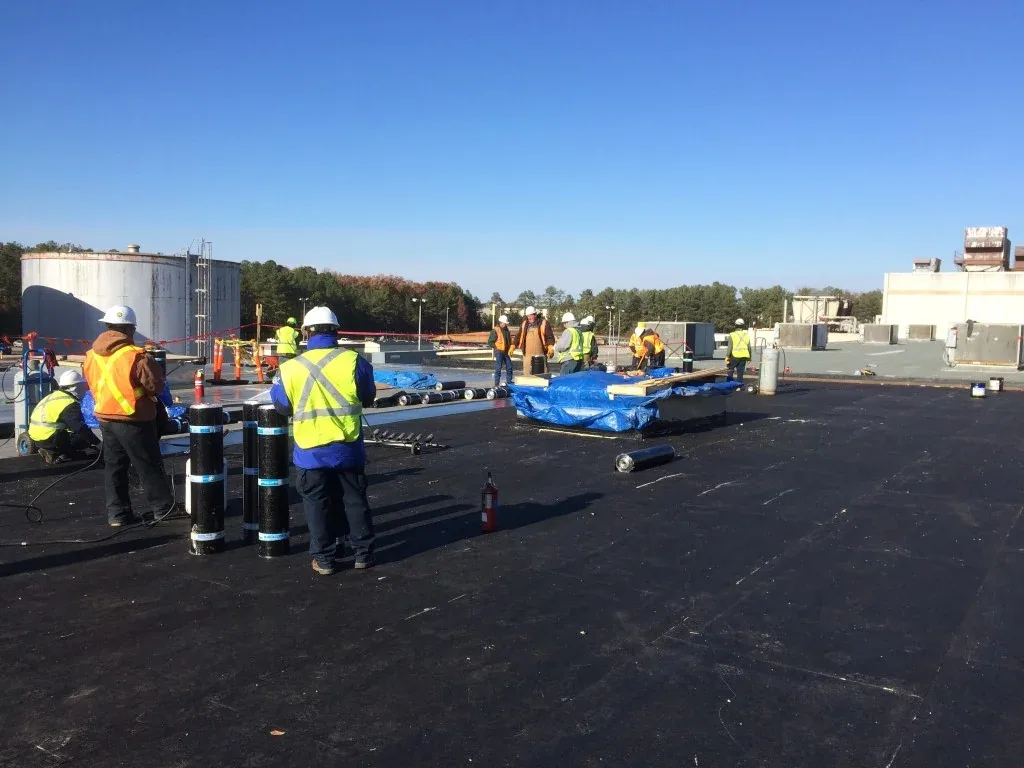
We compare the leak location with roof slope, drain bowls, laps, curbs, wall transitions, and previous repairs. Water can move along the deck or insulation before appearing indoors, so we trace the full path before setting a repair boundary. We photograph likely entry points and check the membrane for movement, contamination, open seams, and soft areas. If a route remains uncertain, a moisture survey or permitted opening can answer a specific question before we set the repair boundary.
The Portland-Hillsboro station’s 1991 to 2020 precipitation normal is 35.93 inches annually, and its monthly normals peak from October through January. In that season, repeated rain can reveal a detail that drains slowly or no longer closes tightly. We trace the reported entry point across the roof and distinguish the condition that needs a repair from maintenance items that can be scheduled separately.
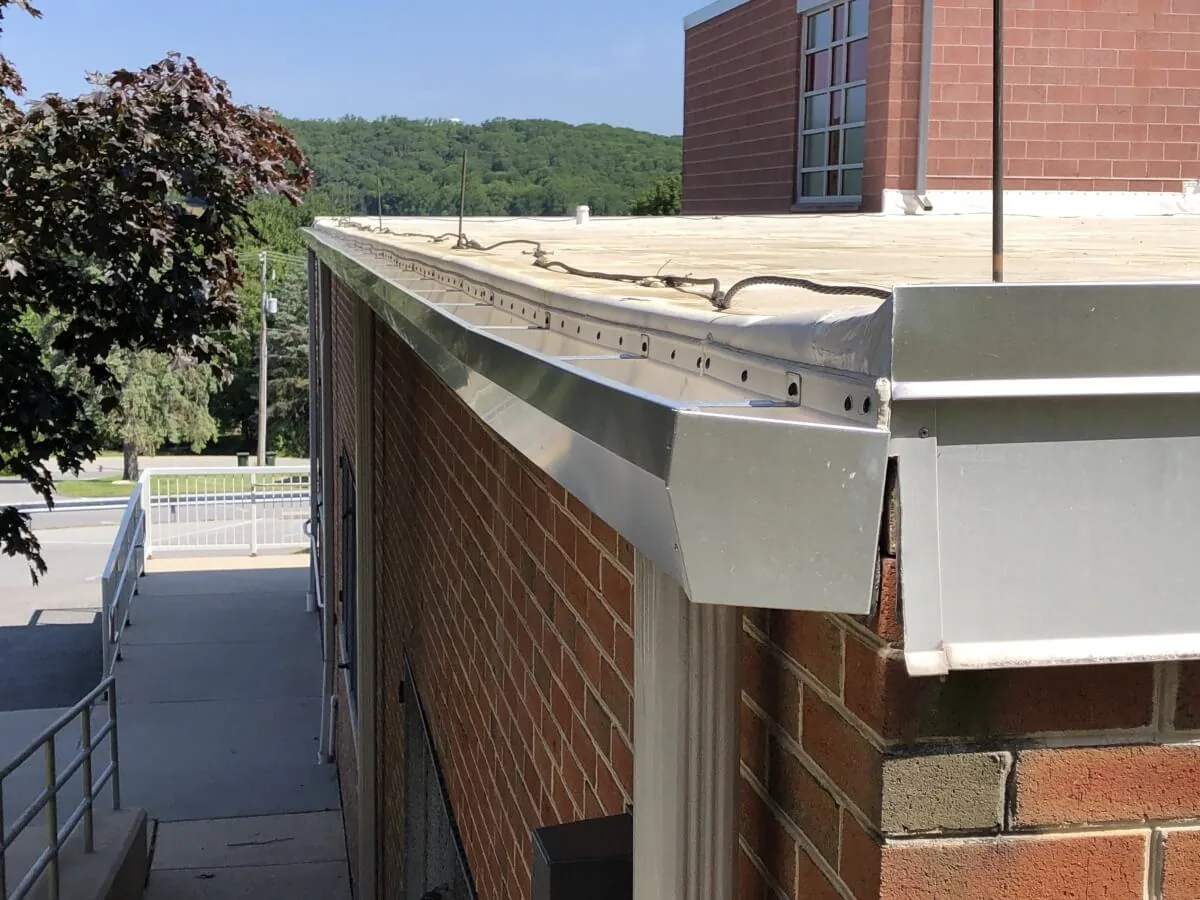
At a curb, pipe, or skylight, flashing has to bond to compatible material and turn up high enough to shed runoff. At a perimeter, the termination must resist movement and close the edge. A patch that bridges loose coating or a weak substrate can fail beside the original defect. We prepare the surface to sound material before sealing the lap.
Separate confirmed damage from the next test
A repair visit begins with the roof records when they are available. We identify membrane type, prior work, warranties in the owner's file, known drain issues, and sections that cannot be reached safely. On the roof, we compare those records with visible seams and flashing. A condition report with photographs records what we observed and what remains concealed, so the owner can approve the right scope rather than a broad allowance.
Hillsboro includes advanced manufacturing and medicine packaging and distribution. At active facilities, clear access boundaries and a sequence that protects building operations matter. We note equipment curbs, service walk paths, and interior areas that need protection. If a repair requires a temporary opening, we agree on the work window and dry-in before cutting.
We mark a repair area with enough sound surface for a complete tie-in. If wet insulation extends past it, the crew pauses and documents the expanded condition. A localized repair remains an option when the roof can receive it; widespread moisture or repeated failure may call for a separately priced replacement scope.
Prepare a patch that meets sound material
Surface preparation determines whether a patch can bond. We remove loose or incompatible material, clean the repair area, and verify that the membrane is dry enough for the specified product. For thermoplastic seams, the work may involve cleaning and hot-air welding; another membrane may need a compatible primer, adhesive, cover strip, or flashing component. The proposal identifies the repair method after the assembly is confirmed. A TPO seam and an EPDM lap should not be treated as interchangeable details.
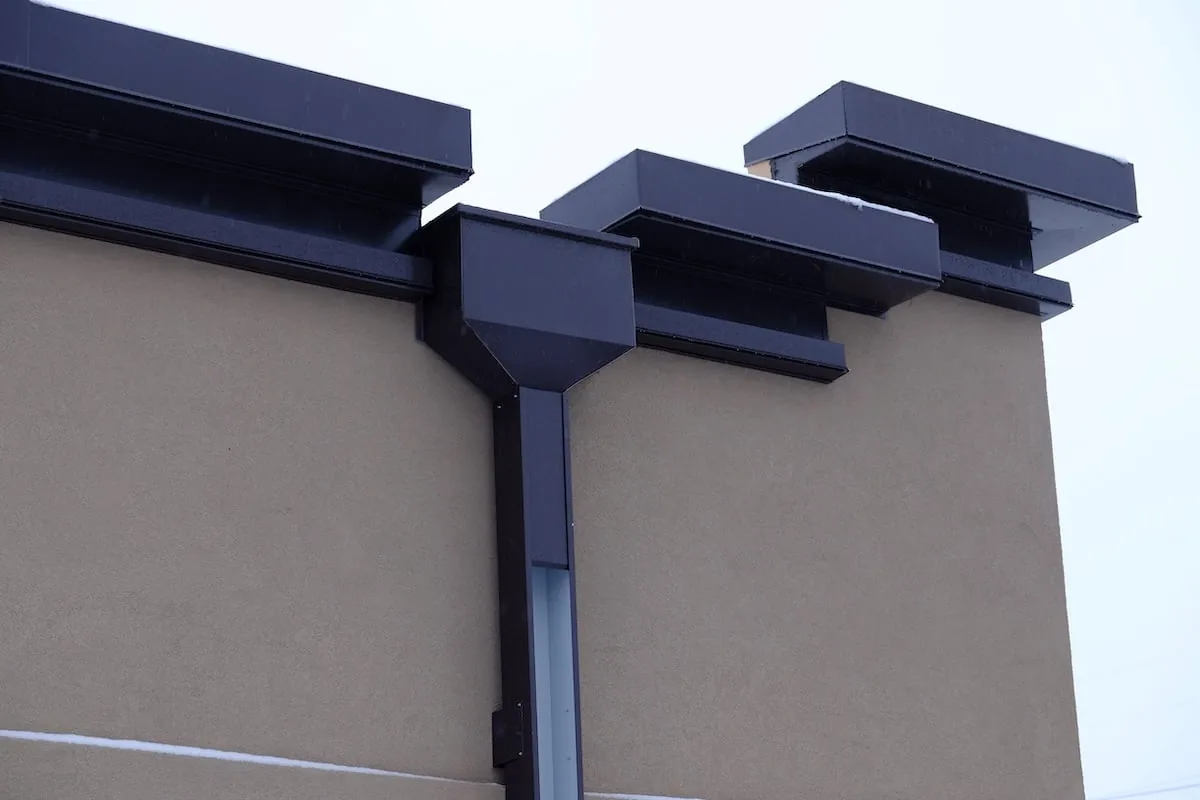
At edges and penetrations, we follow the lap direction and secure the new termination. Drain repairs include the bowl, strainer, overflow, and adjacent surface, not just a bead around the visible opening. If a depression holds water, we check whether the cause is debris, deflection, insulation movement, or an outlet problem. That check keeps a local seal from being asked to solve a drainage issue.
We leave surrounding sound material undisturbed when the repair plan permits. A small cut that grows into a large removal needs an owner decision before the boundary expands. The flashing repair or drain work is marked with photos, material notes, and the edge conditions checked at closeout.
Keep the repair area controlled
Before climbing, we confirm roof access, loading arrangements, fall protection, equipment clearances, and the route to the defect. The crew brings materials suited to the verified system and protects the opening if rain interrupts work. For occupied properties, we coordinate noise, lifts, and any interior protection with the building contact. A short repair still needs a safe staging point and a dry surface; speed does not replace the check that the patch has bonded.
Oregon Highway 8 carries a regional route through Forest Grove, Cornelius, Hillsboro, Aloha, and Beaverton, and 185th Avenue serves as a corridor for people and goods. For each repair, we confirm the loading area and delivery window, then keep materials and barriers clear of the building's operating route.
If several defects are found, we group them by roof area and urgency. The owner can approve the active leak first, then decide whether preventive repairs or further moisture testing belongs in a second visit. A Tanasbourne and AmberGlen property and a building along TV Highway may share the market's rain exposure, yet each roof's slopes, drains, and access determine the repair.
Price the repair with its limits stated
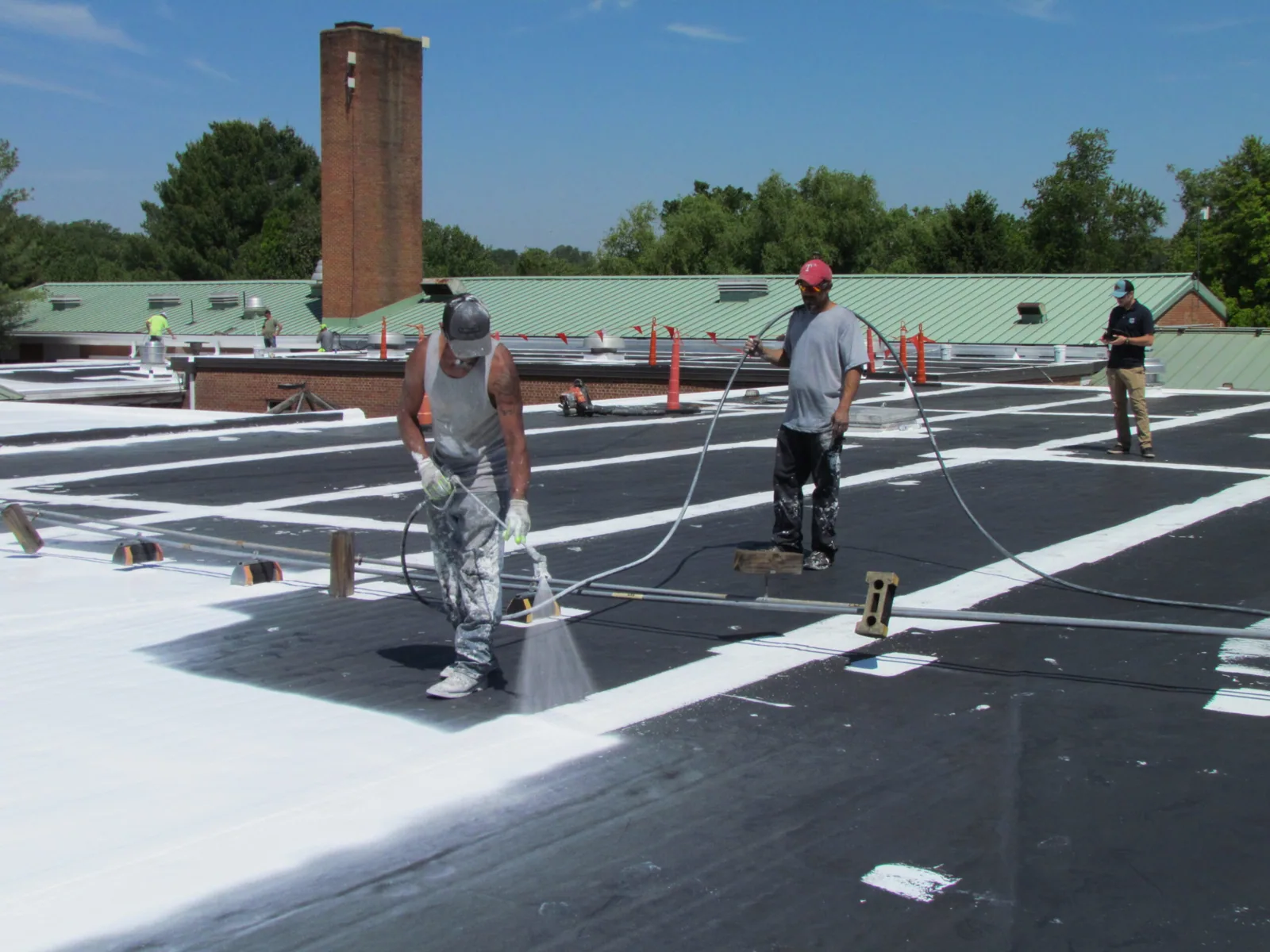
Repair cost follows access, roof height, membrane compatibility, preparation, number of details, wet insulation removal, deck condition, and whether interior protection or temporary dry-in is needed. A drain bowl or long wall transition takes more work than one isolated puncture. If records are missing, confirming the membrane can add a test or a return visit. We state those limits and avoid pricing a repair as though concealed material were already known.
A quote identifies the work area, material, preparation, seams or flashing to be renewed, and the closeout evidence. If a test cut or infrared survey is recommended, its purpose is written as a question: find the extent of moisture, confirm the assembly, or distinguish a localized defect from a broader issue. The owner can compare that step with immediate repair and with a roof capital plan for the sections beyond it.
When a repair does not fit the verified condition, we explain why and price a more suitable option. We do not stretch a patch across wet insulation or leave its edge on loose material. The estimate lets the property contact see what the crew will touch, what will remain, and what finding would require another approval.
Questions About Commercial Roof Repair
How do you find a leak that appears far from the roof opening?
We compare the indoor mark with the roof slope, seams, drains, and penetrations above and nearby. Water can travel through an assembly before it appears inside. Photos, moisture mapping, or a permitted opening can narrow the path when a surface walk alone cannot confirm it.
Can a repair be made during the rainy season?
We need a surface and weather window that suits the membrane and repair materials. If rain interrupts the work, the opening is protected and the tie-in is closed before the crew leaves. Hillsboro's wetter normals fall from October through January, so temporary dry-in belongs in the sequence.
How do you know a patch will hold at an old seam?
We inspect the lap, remove loose material, prepare a compatible surface, and tie the repair into sound membrane. If the seam or substrate keeps moving, we document that condition and price the repair boundary needed to address it.
What if insulation is wet beside the leak?
We mark how far the wet area extends and discuss a test opening or removal. The patch stays on dry, secure material. If moisture continues beyond the local defect, we present that larger section separately for an owner decision.
What records will we receive after the repair?
We provide photographs, marked locations, materials used, and the limits of any area not reached. The closeout identifies the seam or transition checked and gives a later walk a point of comparison.
Arrange a commercial roof repair walk
Tell us where water appears and share any roof records you have. We will trace the likely path, mark the repair boundary, and price the work or testing the findings support.