
Commercial Roof Condition Reports in Hillsboro, OR
Get a Hillsboro roof condition report with marked photos, observed assemblies, repair boundaries, and clear next steps for maintenance or capital review.
Commercial Roof Condition Reports
A photograph without a roof location leaves the next manager guessing. In Hillsboro, OR, we connect each image to a marked roof area, the observed assembly, and the condition that needs a decision. A report separates an active opening from a stain, a repair from a temporary cover, and a confirmed finding from an area that could not be inspected. We note seams, curbs, drain bowls, edge metal, and any wet insulation visible during the visit. The record can then support a roof asset review without turning observations into assumptions.
Related Roofing Pages
More pages on commercial roofing in Hillsboro:
Mark each observation on the roof plan
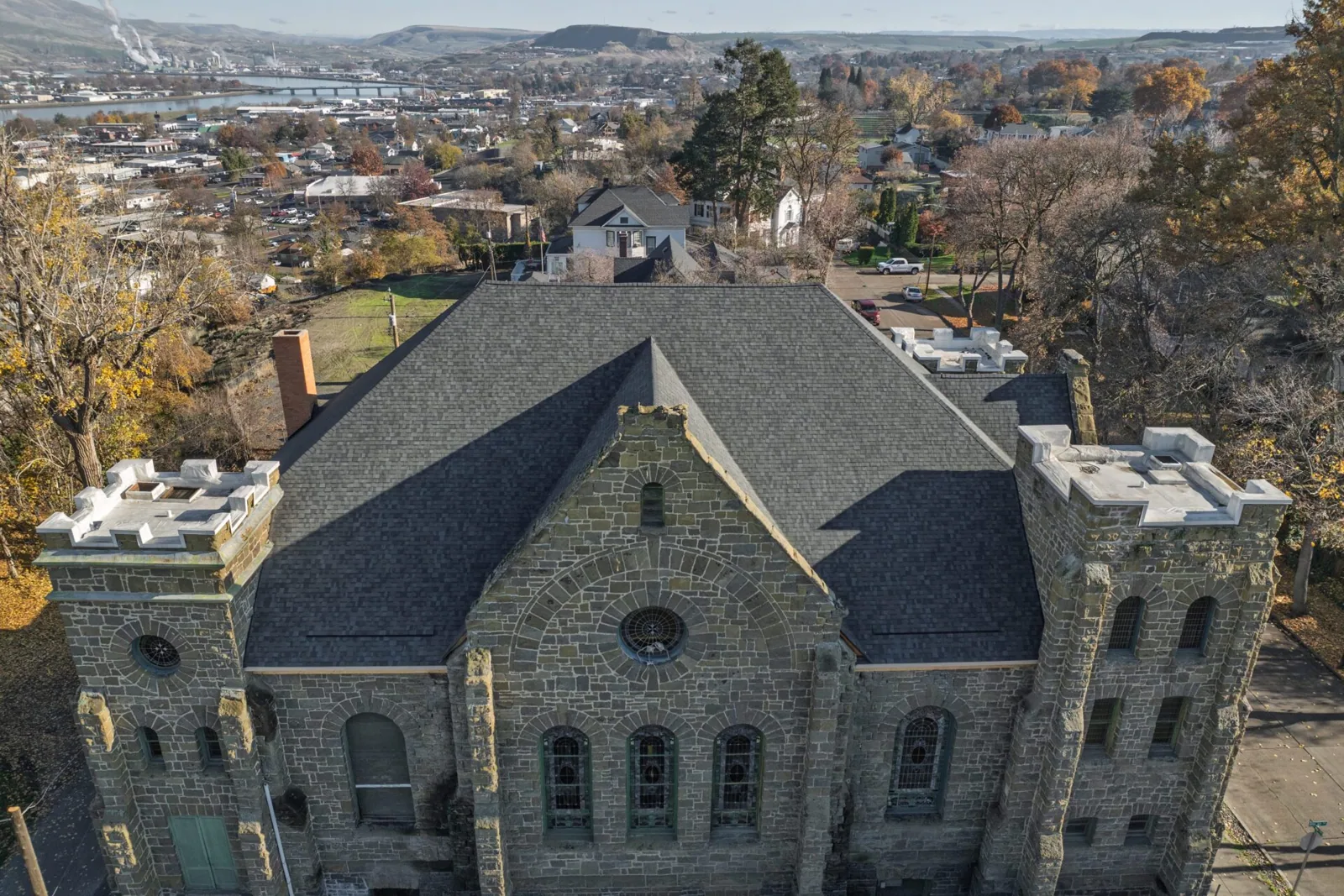
We identify each roof area before describing its condition. The report can show the assembly where it is known, the visible membrane or panel, drainage points, penetrations, prior patches, and the path used for inspection. A photo caption names the location and explains why the detail matters. If equipment blocks a view or access ends at a safe boundary, we record that limit so the reader understands what the visit did and did not establish.
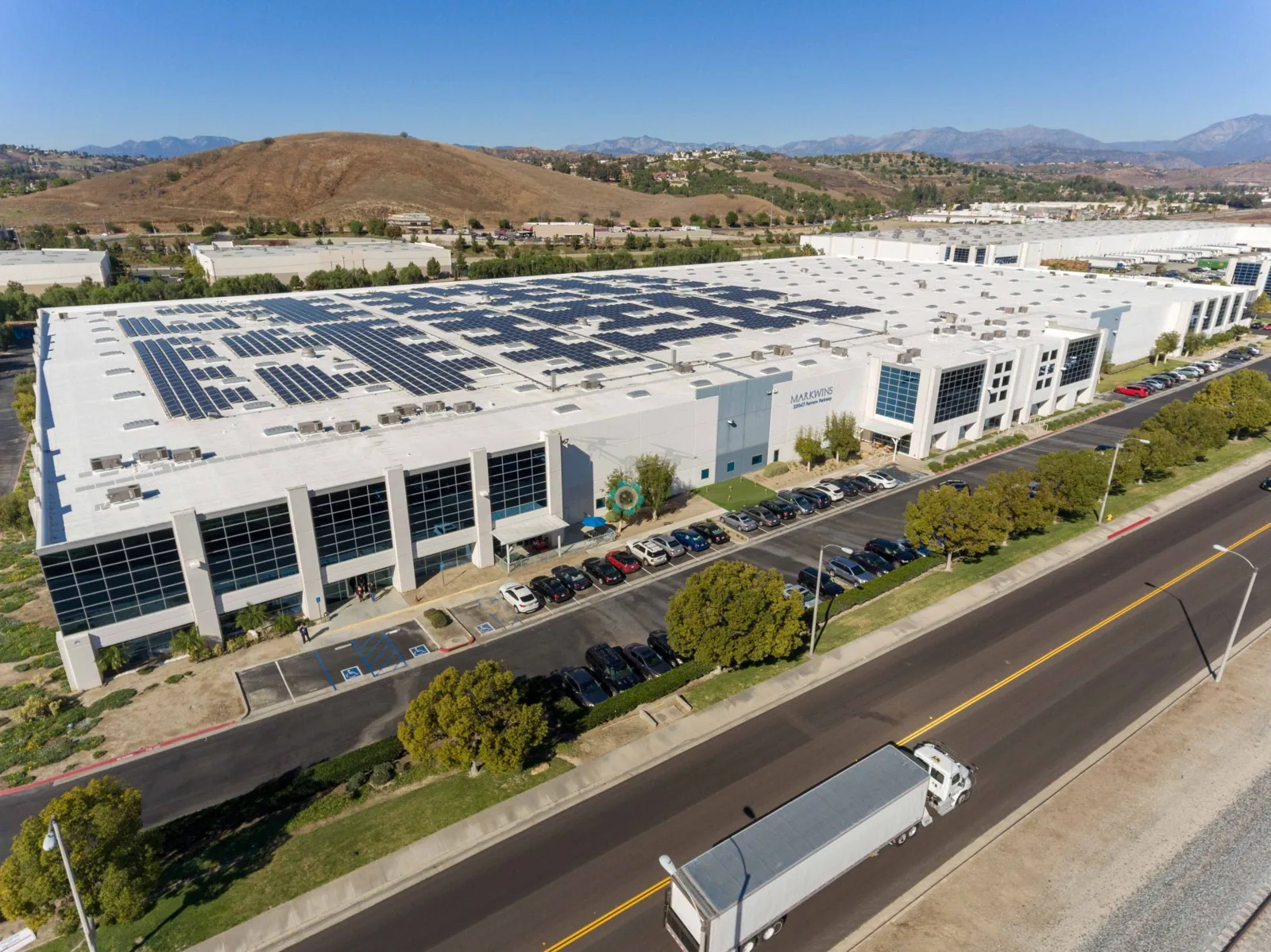
Hillsboro has advanced manufacturing and medicine production, packaging, and distribution operations. At a process-oriented building, a report may need access notes for equipment clearances, escorted zones, roof traffic, or operating hours. Those notes are specific to the visit. We distinguish them from the roof findings so a facilities manager can pass the record to maintenance staff without confusing a site rule with a repair requirement.
We can use hands-on inspection, drone imagery, and infrared moisture surveys when each method fits the question and roof conditions. An infrared result points to an area for interpretation, not an automatic removal boundary. If confirmation requires a test cut, we identify the location and the decision that depends on it. A moisture survey and a roof walk can therefore appear together in a record without suggesting they answer the same question.
Separate symptoms from the likely entry point
A ceiling mark is useful location information, but it does not identify the roof opening by itself. We compare the interior report with slope, seams, walls, penetrations, and drainage above it. Water can travel through insulation or along a deck before appearing indoors. The report marks the area inspected, the likely path supported by the evidence, and any test that would narrow the repair boundary. That gives the owner a specific next move instead of a patch placed at the nearest visible detail.
Rain timing makes clear records useful in this market. Hillsboro averages about 35.93 inches of precipitation per year; October through January is its wettest season. We note open laps, restricted drainage, exposed edges, and temporary protection that need attention before repeated rain reaches the same assembly. During those months, we give drain bowls, exposed laps, and edge terminations a close look, then mark what the roof itself shows.
For each condition, we state whether it appears isolated, repeated, or unresolved. A seam separation may require a compatible weld or adhesive repair, while wet insulation can require removal to sound material. A clogged drain and a failed drainage plane are different findings. We can link the observation to a flashing correction or a seam repair when that work matches what the roof shows.
Tie recommendations to the evidence
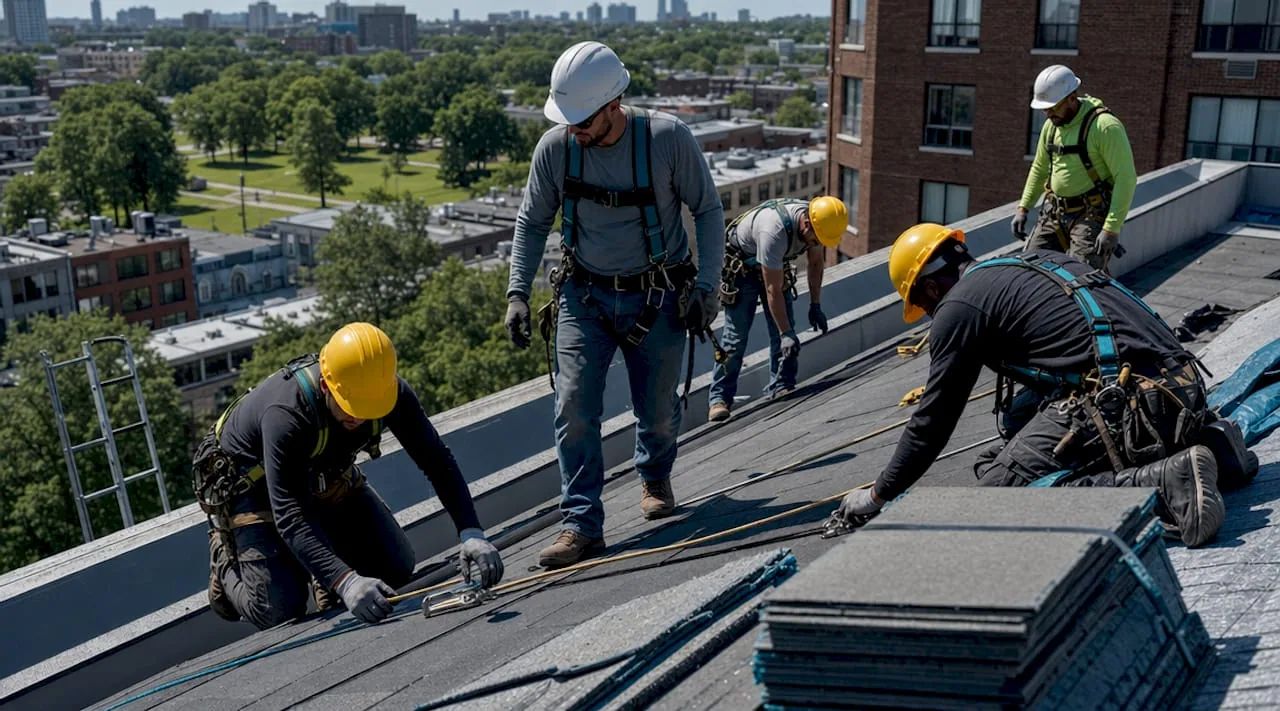
Recommendations should answer what to repair, what to monitor, and what still needs confirmation. We describe preparation, repair material, tie-in, drainage work, and any adjacent detail included in the scope. Where the existing assembly is uncertain, we avoid naming a product until records or inspection establish it. If the report identifies a compatible membrane, the repair can be priced with the actual substrate and boundary in view.
About 64 annual days in Hillsboro have a minimum of 32°F or lower. We can note whether drain bowls, exposed piping, or standing water deserve a seasonal return after a repair. A report records the visible condition and follow-up need; it does not promise that a future freeze will produce a specific failure. Near Tanasbourne and AmberGlen, access coordination may also affect how roof areas are reached, so the property contact's route and hours belong in the visit record.
When findings extend beyond repair, we separate a local correction from a larger capital candidate. Repeated wet areas, failed attachment, or broad deterioration may call for testing or a replacement comparison. The report can show the evidence that supports each path and list what would change the recommendation. A capital planning review can use those details to order work without overstating the certainty of a visual inspection.
Make the closeout useful on the next visit
After work, closeout photos should match the original marked area. We document surface preparation, removed material if applicable, the finished lap or termination, and nearby drainage checked during the repair. If a temporary cover remains, the report labels it and names the permanent scope still required. When a later inspection returns to the property, the field sheet can compare the same roof section and show whether the prior condition changed.
Before mobilizing, we record the confirmed gate, loading area, escort requirements, and roof access with the property contact. The report preserves those site-specific instructions so later visits can follow the same safe approach.
Our crews repair, restore, coat, replace, inspect, and maintain commercial low-slope and metal roofs. Emergency response is available at any hour, including weekends and holidays. If an urgent opening is stabilized first, we keep that temporary action distinct from permanent work and its closeout. The owner receives a marked record of what was seen, what was completed, and which question remains open.
Carry findings into maintenance and budgeting
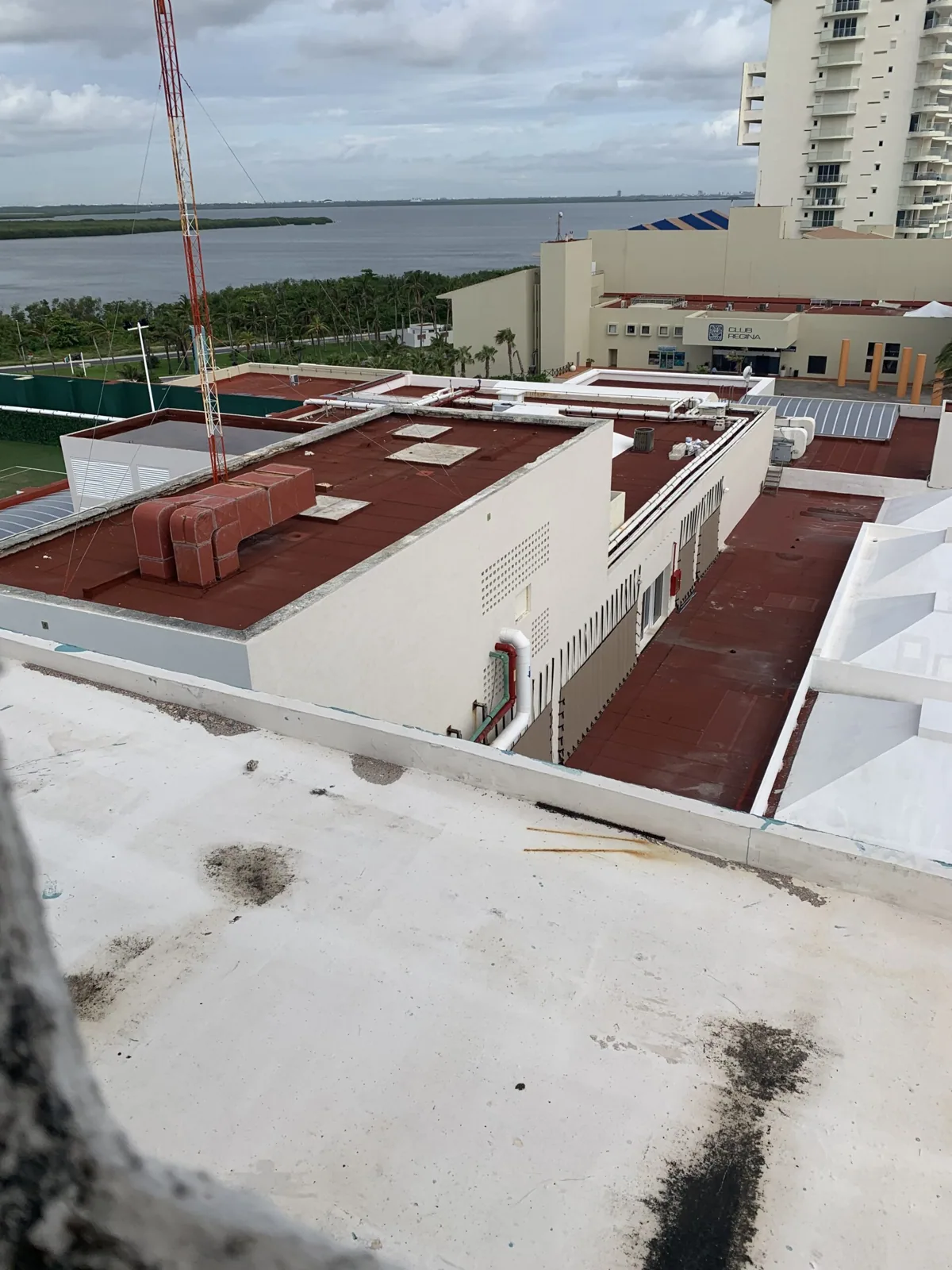
A condition report has value when a property team can use it after the visit. We give each item a location, priority, and recommended action, then distinguish immediate protection from planned repair and monitoring. The report can be shared with operations or ownership without losing the roof details behind the recommendation. If an item depends on testing, that next step remains visible rather than disappearing inside a broad condition rating.
For a recurring issue, compare the current photos with the prior repair boundary. A shifted seam, new moisture indication, or changed drain condition may call for a different scope. If the assembly remains stable, a planned maintenance walk can revisit listed details before the next budget cycle. If conditions support coating or replacement, the report supplies the documented basis for restoration planning or a separate capital proposal.
Questions About Commercial Roof Condition Reports
What does a useful roof report show?
It pairs a roof plan with marked photos, observed materials, condition notes, completed repairs, access limits, and unresolved questions. We identify each finding by area and state what action follows, so the report can guide maintenance or a project scope.
Can photographs alone confirm a leak source?
A photo can document a visible detail, but water may travel before reaching an interior stain. We compare the room report with roof slope, seams, curbs, walls, and drains, then identify a test if the path remains uncertain.
Will the report say whether replacement is necessary?
We state whether the observed condition supports repair, testing, monitoring, or a replacement comparison. If hidden layers remain unknown, we name the opening or survey that would resolve them before presenting a final scope.
How do you document areas that could not be reached?
We mark the boundary, note why access stopped, and identify whether another route or safety arrangement could complete the inspection. The report keeps that area separate from confirmed findings elsewhere on the roof.
Can the same report support a repair and a budget review?
Yes. We keep photos and observations tied to roof areas, then separate urgent work from longer-term candidates. That lets the property team use the same record for a repair approval and a later capital discussion.
Request marked roof findings
Tell us which properties need review, what interior conditions were reported, and how roof access works. We will document the assembly, mark observations, and outline the next repair or testing decision.