
TPO Roofing in Hillsboro, OR
TPO roofing in Hillsboro, OR calls for sound seams, secure edges, and dry insulation. We inspect the assembly and price repair or replacement options.
TPO Roofing
A TPO seam can look closed while water works beneath a loose lap or termination. In Hillsboro, OR, I check the weld, drain bowl, curb corners, and insulation before deciding whether a patch has sound material to meet. A roof inspection records those conditions and separates a local repair from a larger membrane decision.
Downtown Hillsboro and Tanasbourne and AmberGlen are regional centers with compact employment and housing served by transit. At either location, we confirm roof access and occupied entries with the property contact before setting the repair sequence. Then we mark the path to drains, curbs, and the membrane area that remains secure.
Hillsboro’s long wet season gives an open seam repeated chances to admit water. Hillsboro averages 35.93 inches of annual precipitation, with the wettest period from October through January. That pattern makes drainage and seam condition practical inspection priorities, not a reason to assume every roof has the same failure.
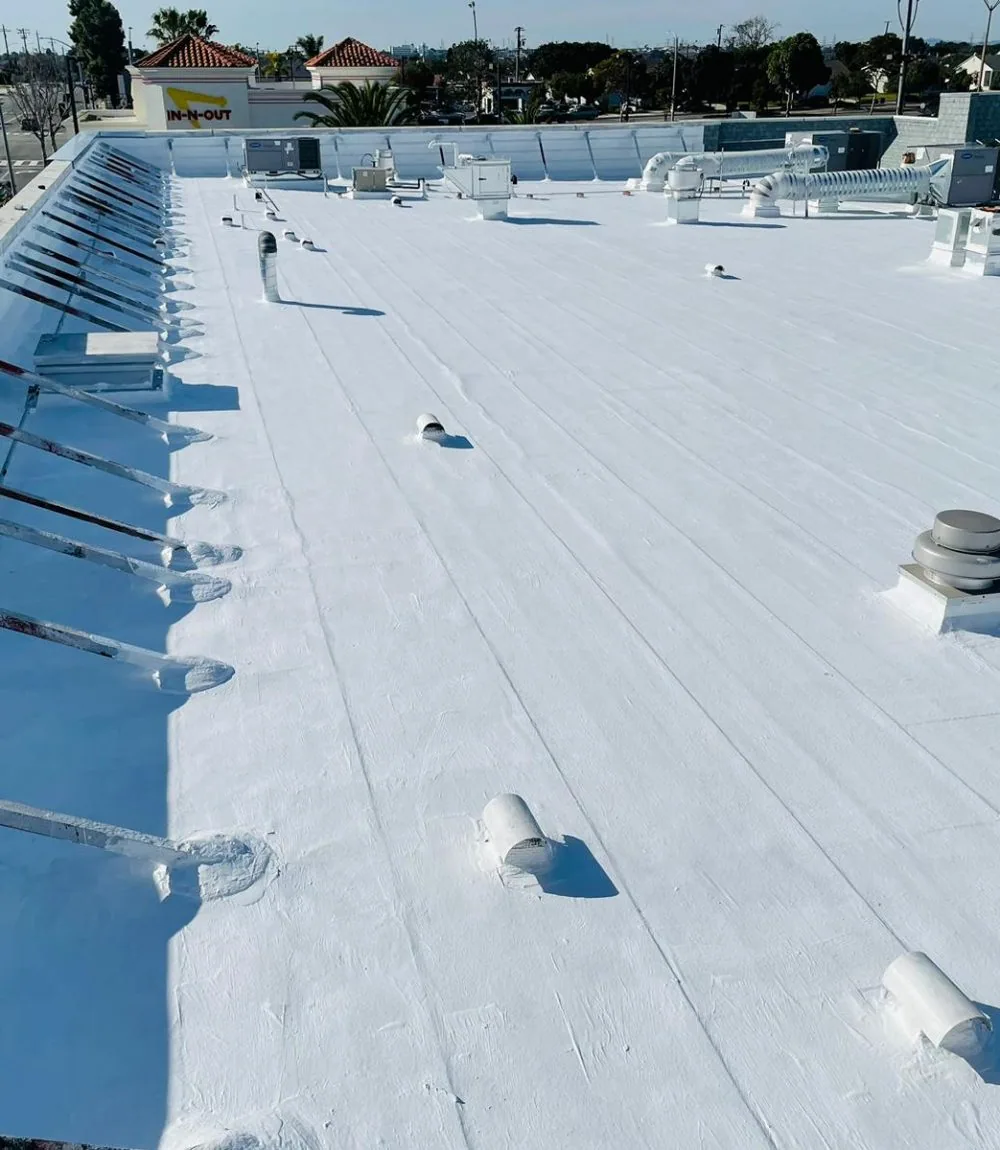
Related Roofing Pages
More pages on commercial roofing in Hillsboro:
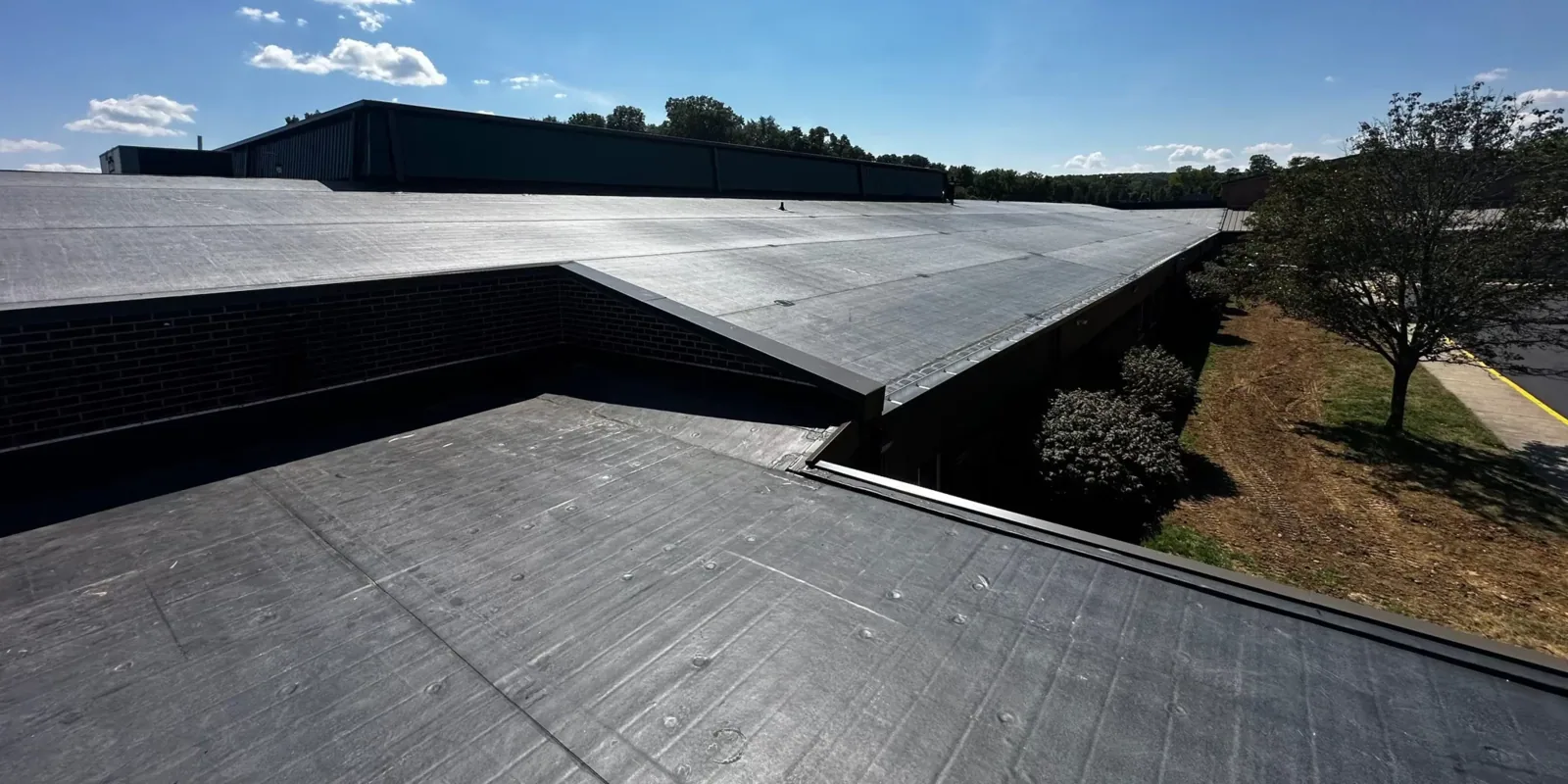
Trace the lap before choosing a patch
A TPO field sheet expands and contracts as temperatures change. At a seam, that movement tests the weld and the material beside it. I look for a narrow separation, a wrinkle that channels water, contamination in the weld area, or a repair edge lifting from the sheet. The finding tells us whether to clean and reweld, install a compatible patch, or investigate a wider area.
We follow water from the low point toward the likely entry instead of treating the interior stain as the whole problem. A drain bowl, overflow, curb, and nearby penetration may sit on the same drainage plane. In Downtown Hillsboro’s compact commercial setting, a leak can affect a tenant below before the roof surface gives a clear signal. A marked report shows each observation and the next test needed to set a repair boundary.
When insulation feels soft or holds moisture, covering it with new membrane does not remove the wet material. We map the affected area and determine whether a small opening or moisture survey is needed. A moisture survey can help direct that work, while the repair scope remains tied to the observed condition.
Meet sound material at the repair edge
A reliable TPO repair needs a clean, dry surface and a weld that reaches material able to hold it. We remove failed material only to a firm boundary, prepare the sheet, and check the completed seam. If the membrane is brittle, heavily patched, or separated in several directions, a single patch may leave the same movement and water path in place. The report identifies the repair area and any adjacent condition that changes the recommendation.
For an occupied building in one of those centers, a repair plan should include roof access, lift placement, tenant routes, and the time needed to keep a work zone clear. Our occupied-building roofing work follows those constraints without treating an operating property as an empty jobsite.
At a curb or pipe penetration, the sheet and flashing must form a continuous detail. We inspect corner patches, boot fit, sealant condition, and the height of the termination. A flashing repair may be the correct scope when water enters at that transition, even if the field membrane is still serviceable.
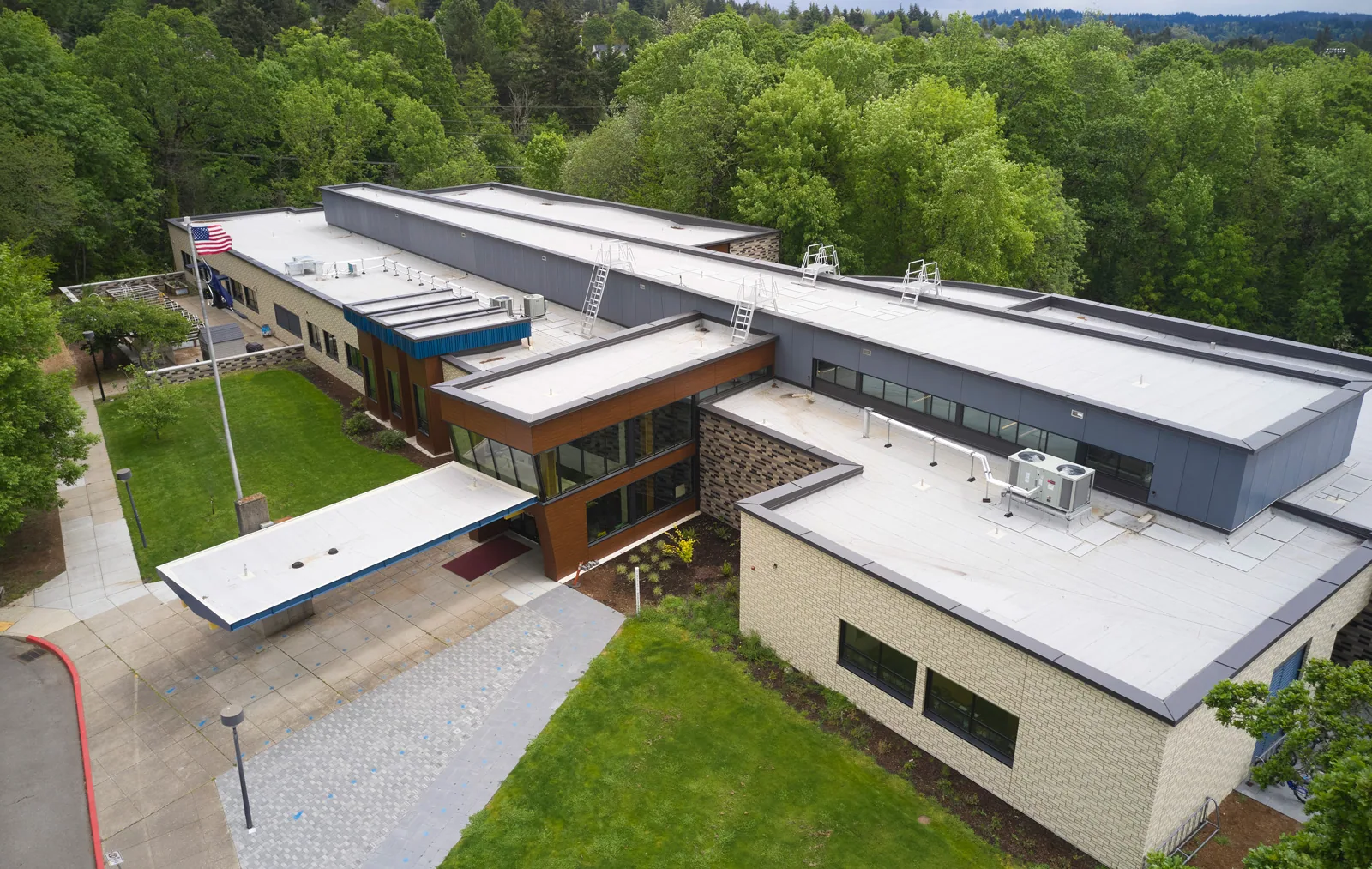
Check attachment and insulation together
TPO can be mechanically attached, adhered, or installed over a suitable recover assembly. The correct method depends on the existing deck, insulation condition, wind design, and manufacturer requirements for the selected system. We verify the assembly rather than infer it from a white surface. If the roof has several layers or prior repairs, a core or selective opening may be needed before a replacement scope is priced.
Edge metal, perimeter fastening, and corner zones deserve a close look because those details help hold the membrane under uplift. We record loose plates, pulled fasteners, open laps, and movement at parapets. The roof’s shape and exposure guide the attachment design; general assumptions do not replace field measurements. Insulation and cover-board options are evaluated with drainage and substrate condition, since adding thickness can change edge and curb details.
A TPO replacement may be appropriate when seams have failed across broad areas, wet insulation is widespread, or earlier patches no longer meet stable sheet. In other cases, targeted repairs and maintenance can keep a sound assembly in service. We compare those choices with the affected area, access needs, tear-off requirements, and continuity of the drainage plane, then provide separate scopes where the evidence supports them.
Keep drains and cold-weather details clear
Rain arriving over several months can expose a low drain, a blocked outlet, or a seam that holds water after the rest of the field dries. We check the drain bowl, strainer, overflow route, and nearby membrane for debris or movement. Standing water can make a small defect harder to see, so the inspection records both the location and the conditions during the visit. A drain and scupper service can address the conveyance detail without masking a membrane issue.
Freezing nights also affect how crews handle wet or stiff materials. Roughly 64 mornings a year in Hillsboro start at or below freezing. That is a reason to consider cure conditions, surface moisture, and safe access when scheduling a repair, not a prediction about a particular roof. We use the actual forecast and substrate condition before setting a work sequence.
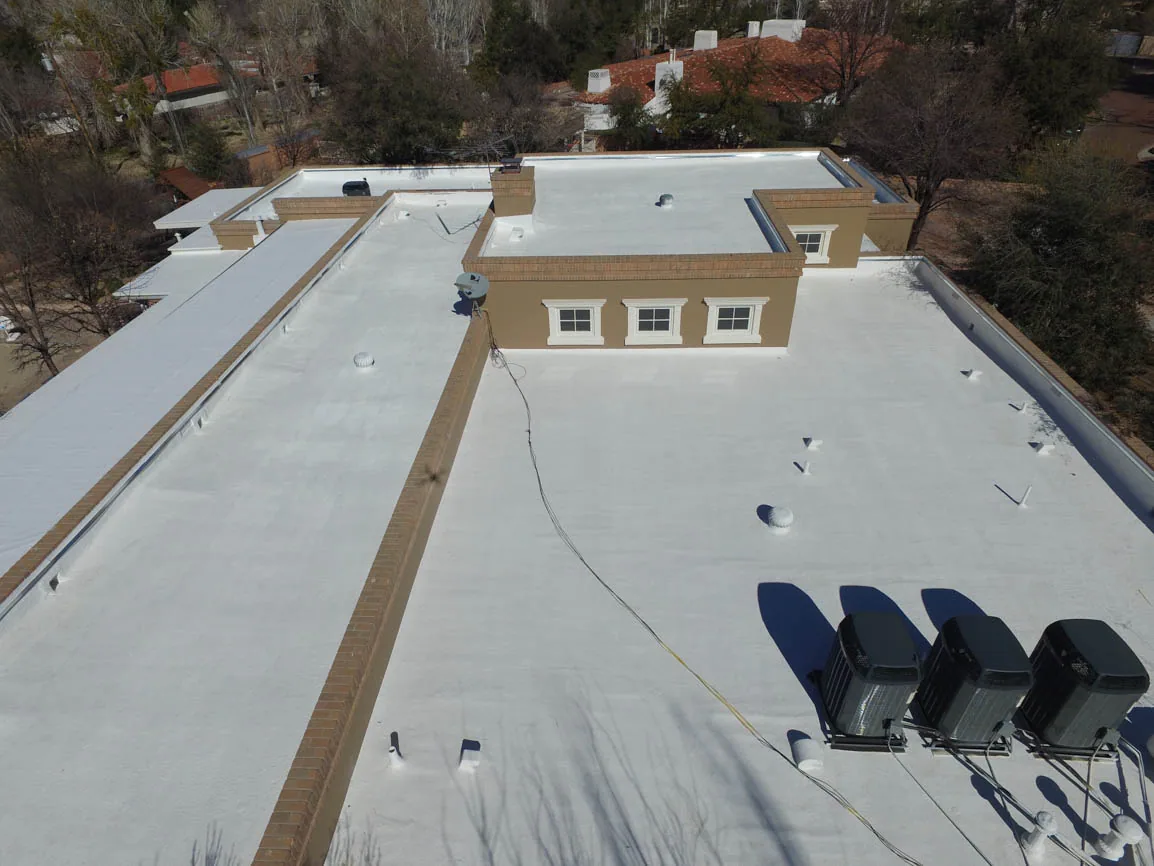
Price the repair boundary, not just the seam
A TPO price changes with the amount of failed sheet, the condition of the insulation, access to the repair, and how many details have to be rebuilt. A short weld repair is different from removing wet insulation and restoring the drainage plane. We mark measured areas, note penetrations and edge conditions, and identify any opening needed to confirm concealed layers. That gives the owner a scope tied to observed work rather than an allowance based on a surface glance.
If more than one roof section is involved, we compare immediate repair with a phased replacement or recover where the deck and existing layers allow it. A PVC membrane or EPDM system may be considered when the building’s use, chemical exposure, and attachment requirements support that choice. We explain the assembly differences and detail implications instead of treating the materials as interchangeable.
Questions About TPO Roofing
Can a separated TPO seam be rewelded?
Often, when the sheet is clean, dry, and still has sound material beside the opening. We test the seam area, prepare it, and verify the finished weld. If the adjacent sheet is brittle or wet insulation extends beneath it, we mark the wider repair boundary before closing the roof.
How do you tell whether water is beneath the membrane?
We compare surface clues with a moisture survey or a selective opening when the assembly calls for one. A soft area, recurring interior leak, or trapped water at a low point can narrow the search, but each finding must be checked against the roof layers. The report records what was confirmed and what remains to test.
Will a new TPO roof work over the existing membrane?
The deck, existing layers, attachment, and moisture condition decide whether a recover is sound. We inspect seams and insulation, confirm how added thickness will meet curbs and edges, and identify tear-off conditions. If the assembly cannot support a recover, the replacement scope shows what must be removed.
What changes the schedule for a TPO repair in Hillsboro?
Rain, surface moisture, temperature, roof access, and the size of the repair area all affect the sequence. We set the work when the membrane can be prepared and welded correctly, then coordinate staging with the building contact. October through January is Hillsboro’s wettest normal period, so a time-sensitive opening needs a practical weather window.
Can rooftop equipment stay in service during membrane work?
We map the equipment curbs and service paths before setting the repair zone. The building contact identifies shutdown rules, clearances, and any area that must stay open. We protect the membrane around the curb and keep the work sequence separate from equipment access wherever the roof layout allows.
Set a roof walk for the TPO assembly
Set a roof walk and we will record seam, edge, drain, and insulation findings, then price the repair and replacement choices the roof supports.