
Commercial Roof Inspection in Hillsboro, OR
Schedule a hands-on commercial roof inspection in Hillsboro with marked findings, photos, moisture questions, and repair priorities tied to each section.
Commercial Roof Inspection
A roof inspection should leave a manager able to point to the seam, drain, curb, or termination that changed the decision. In Hillsboro, OR, we walk the accessible roof, identify the assembly, and record conditions that affect water flow or attachment. We compare visible details with leak records, repairs, and the property's operating needs. A marked condition report separates what we observed from what needs testing, then sets a practical order for repairs and budgeting.
Related Roofing Pages
More pages on commercial roofing in Hillsboro:
Walk the roof with a specific question
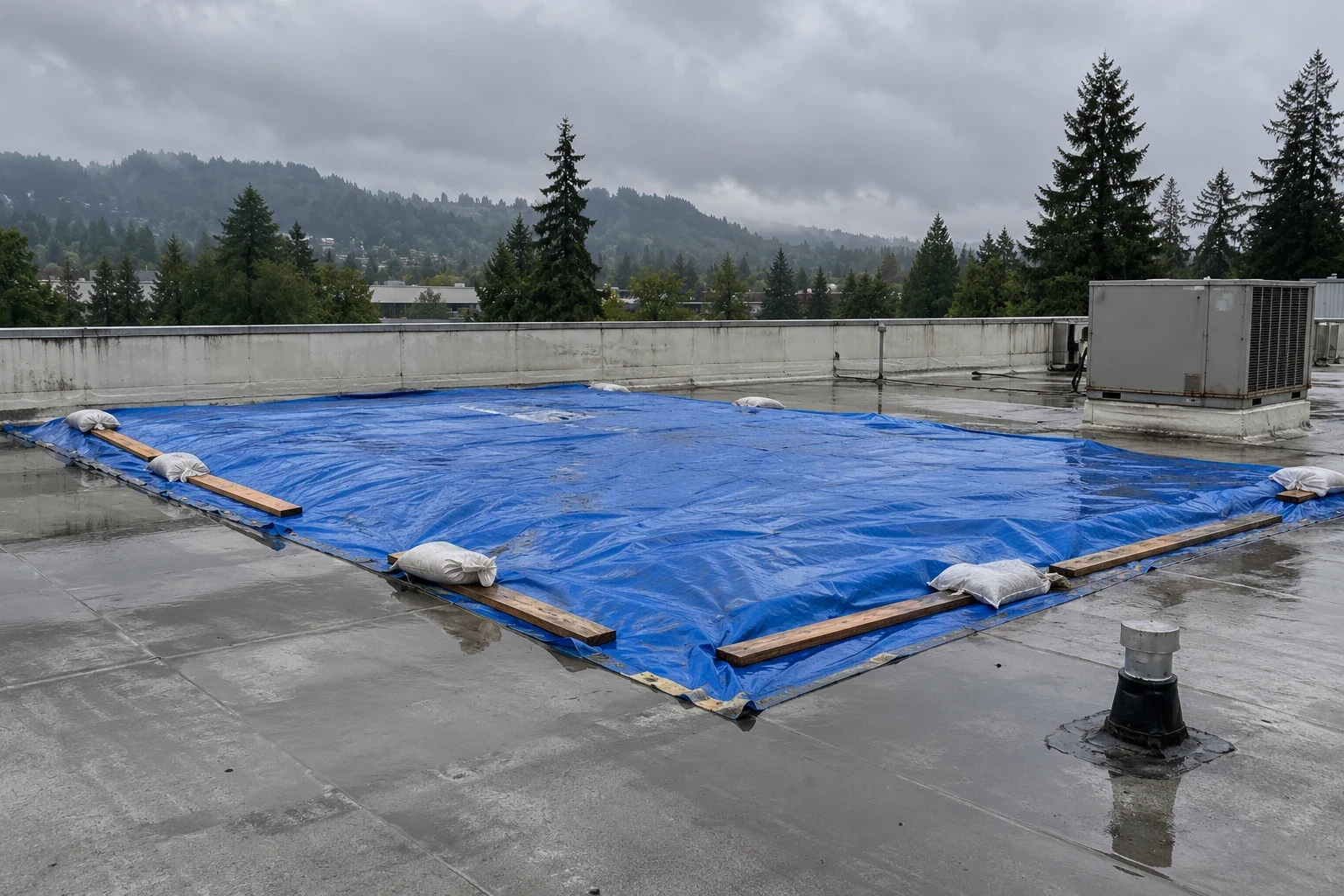
Before the walk, we review the owner's question: recurring leak, capital planning, due diligence, repair verification, or a post-weather check. On the roof, we note membrane type where it can be identified, seam and lap condition, edge metal, penetrations, drains, ponding, repairs, and safe access limits. Photos are tied to locations rather than collected without context. Hillsboro’s precipitation record averages 35.93 inches annually, with the wettest normal months spanning October through January. On an inspection, we document the water line at each low point and check whether an outlet or membrane defect explains it. We inspect drain bowls, overflows, and low points with that wet season in mind. About 64 days in the same normals have daily minimums at or below freezing, so exposed sealants and drainage details also deserve attention after cold periods. Photographs and marked locations show whether a weather-exposed detail actually needs repair or only a later check.
Where a surface sign could hide moisture, we recommend a test cut or infrared moisture survey with a defined question. The owner sees the area proposed for testing and how the result could change the repair boundary.
Check the details that control water
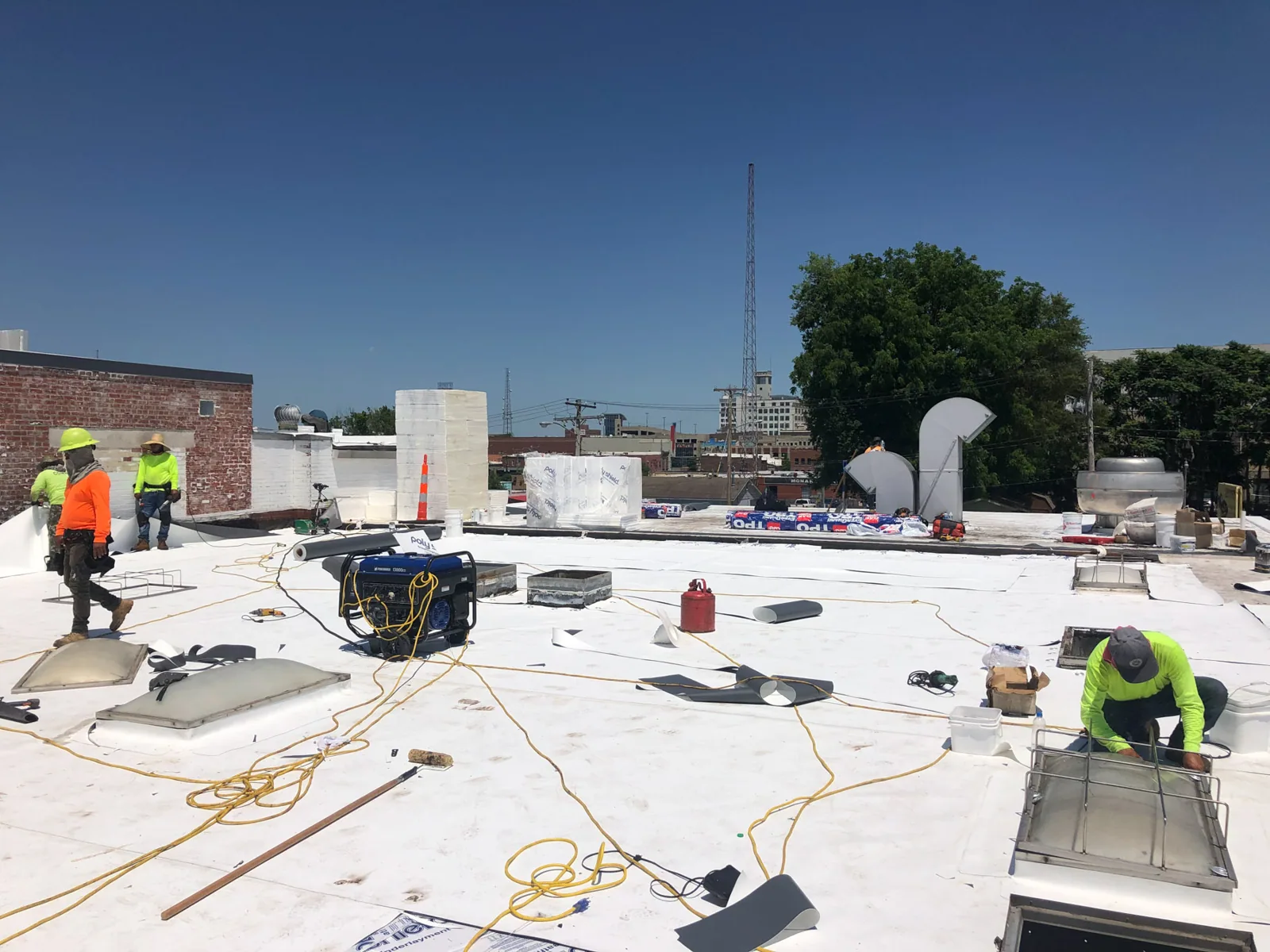
We follow the water path at walls, curbs, pipes, skylights, laps, drains, and perimeter edges. A seam may be open while the adjacent membrane remains sound; a low drain may reflect a clogged strainer or a depressed assembly. We record both the observation and the next useful check. For thermoplastic membranes, seam condition and flashing welds matter; for other systems, the right repair may depend on adhesion, lap direction, or compatible cover materials. We do not assume the system from color alone.
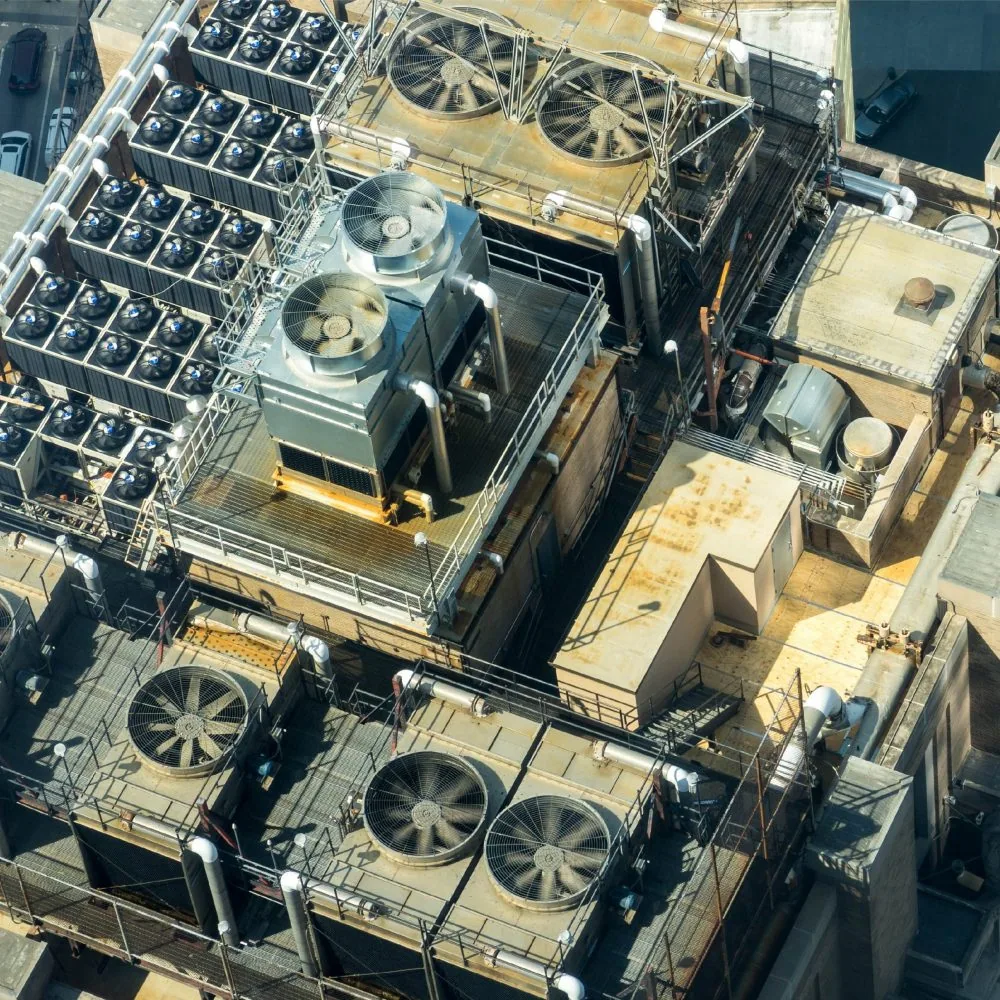
Hillsboro includes semiconductor manufacturing and medicine packaging and distribution operations. These uses make equipment curbs, service paths, and scheduled access relevant when an inspection must avoid disrupting work. The fact that such employers operate locally does not tell us the construction or condition of another property's roof. We use the site contact's rules and inspect only accessible areas.
A roof walk also records drainage plane changes and how metal edges terminate. If a detail is obscured by equipment or unsafe to reach, the report names that limit and what access or opening would resolve it. A flashing concern is not buried in a general maintenance note.
Rank findings by consequence and evidence
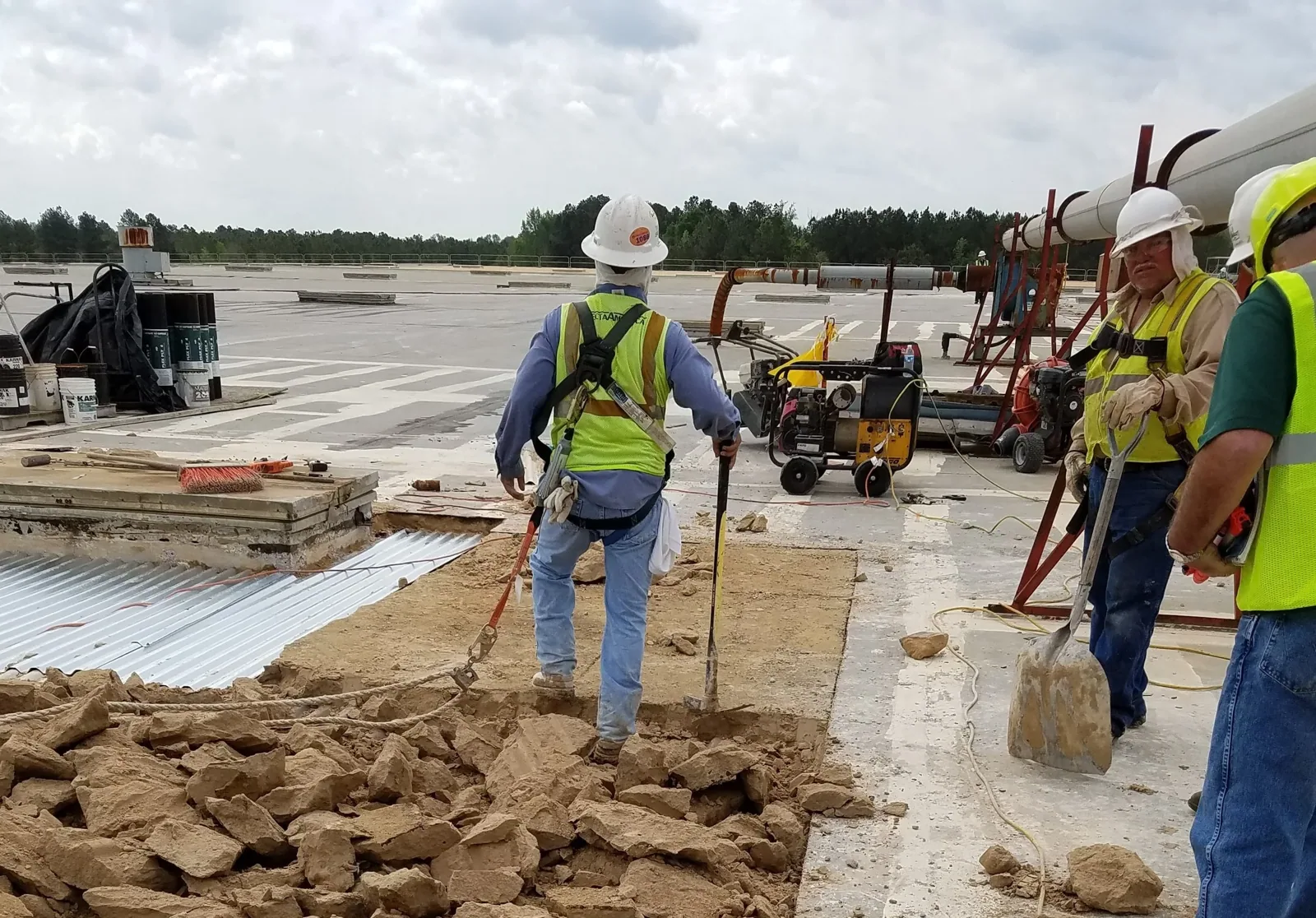
We group conditions by active water entry, near-term repair need, maintenance item, and monitoring question. An open termination over occupied space carries a different urgency from surface wear without a leak path. The report identifies the location, evidence, and suggested action for each item. If the roof history is missing, we say which records would help confirm the assembly rather than assign an unsupported age or remaining life.
The 2025 Oregon Structural Specialty Code uses the 2024 IBC as its basis. Following its six-month phase-in, the commercial provisions became mandatory on April 1, 2026. An inspection is not a code approval. If a planned repair or replacement raises a compliance question, we flag the assembly detail for review with the project team. The capital planning record can keep that question separate from visible maintenance work.
For a portfolio owner, we can mark roof areas by assembly and condition so budgets compare similar work. A maintenance visit can then check specific drains, laps, and penetrations instead of restarting the survey with a blank sheet.
Plan access around building operations
Inspection timing follows the building. We confirm ladder or hatch access, fall protection requirements, equipment restrictions, roof traffic, and whether a second person must accompany the walk. In a process or distribution setting, the property contact identifies work windows and areas that should not be crossed. Forest Grove, Cornelius, Hillsboro, Aloha, and Beaverton are connected by Oregon Highway 8. Washington County’s 185th Avenue also has a regional role carrying people and goods. These regional connections help frame access planning but do not provide the loading instructions for an individual property. We confirm the gate, parking, service entrance, and roof route directly with the manager.
We can arrange a focused inspection after a repair, before a replacement decision, or as a baseline for a multi-site program. Each scope names the roof areas included, any testing, and the expected report format. If weather makes a surface unsafe or obscures a detail, we note the limitation and reschedule that portion instead of treating it as inspected.
Turn observations into a usable work list
The closeout includes dated photographs, marked roof locations, observed materials, active leaks, drainage concerns, and areas not accessed. Recommendations distinguish immediate repair from further testing and planned maintenance. Where a repair can proceed, we describe its boundary and the details the crew will prepare. If moisture is widespread or attachment is weak, we describe what evidence supports a larger review rather than recommending replacement from a single symptom. The summary lists urgent water-control work separately from items that can be budgeted for a later cycle.
A report should help the next decision. Property staff can connect a photograph to a room complaint, a roof plan, and a work order. After repair, we can return to check the seam or flashing and add the finished condition to the record. For a new property in Downtown Hillsboro or a building near Tanasbourne and AmberGlen, the same field method applies, with access and assembly details recorded for that specific roof.
We invite the owner to review the marked findings and set the order of work. The report does not replace a design investigation where structural or concealed conditions require one. It gives the property contact a clear view of what was seen, what can be repaired, and what test would settle the next question. For managers reviewing several buildings, the marked record can separate active water control from capital work in another budget cycle.
Questions About Commercial Roof Inspection
What does a hands-on commercial roof inspection include?
We walk the accessible roof, identify visible assembly details, inspect seams, flashing, drains, penetrations, and edges, and photograph conditions that affect water flow or attachment. The report marks locations and notes areas that could not be reached safely.
Can an inspection tell us how long a roof will last?
A walk can document condition and known repairs, but an exact remaining life requires more evidence than surface appearance alone. We describe current defects, maintenance needs, and test questions that matter to the next budget decision.
When is moisture testing needed after the walk?
Testing is useful when a soft area, recurring leak, or suspected wet insulation cannot be bounded from the surface. We identify where the survey or opening would occur and what decision its result would support.
Will the report identify repair priorities?
Yes. We separate active water entry, near-term repair, routine maintenance, and items that need further review. Each finding includes a marked location and the evidence supporting its priority.
What should be ready before the inspector arrives?
Provide roof access rules, known leak locations, prior work records, and any restricted hours or equipment zones. Those details let us plan a safe route and tie roof observations to the building's reported concerns.
Book a Hillsboro roof inspection
Share the roof concern, prior repairs, and access requirements. We will walk the included areas, mark findings, and return a report that supports the next repair or budget decision.