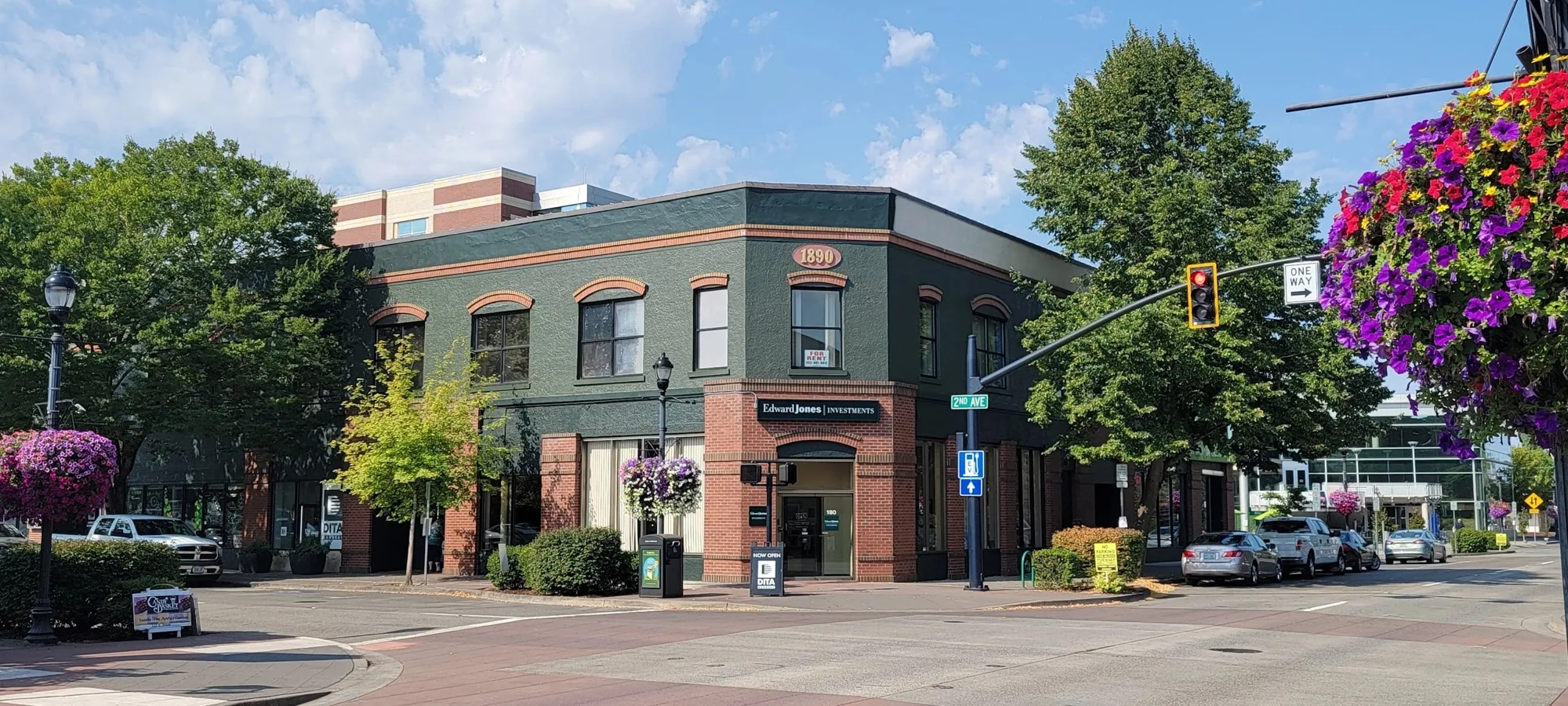
Property Types We Roof in Hillsboro, OR
Commercial roofing for Hillsboro and Washington County, Oregon
Warehouse Roofing
Distribution Center Roofing
Manufacturing Plant Roofing
Cold Storage Roofing
Data Center Roofing
Office Building Roofing
Medical Office Roofing
Hospital Roofing
School Roofing
College and University Roofing
Shopping Center Roofing
Big-Box Retail Roofing
Grocery Store Roofing
Restaurant Roofing
Hotel Roofing
Apartment and Multifamily Roofing
Senior Living Roofing
Church Roofing
Government Building Roofing
Self-Storage Roofing
Auto Dealership Roofing
Aircraft Hangar Roofing
Flex Industrial Roofing
Fitness Center Roofing
Air Force Base Roofing
Army Installation Roofing
Coast Guard Station Roofing
National Guard Armory Roofing
Military Hangar Roofing
Military Warehouse and Depot Roofing
VA Medical Center Roofing
How We Approach Property Types We Roof
Property Types We Roof in Hillsboro, OR
Property Types We Roof in Hillsboro
A warehouse drain and a clinic entrance carry different consequences when water stays on the roof. We inspect each building by its use, roof assembly, equipment, and access needs before pricing a repair or replacement. Industrial and distribution properties can have equipment routes, rooftop curbs, and operating windows that shape a roof scope. A warehouse roof review or manufacturing roof inspection starts with the building in front of us.
A property-type decision starts with the use below the membrane and the details that use places on the roof. The Tanasbourne and AmberGlen service area includes varied commercial buildings, so we confirm each property's entrance, equipment, access, and operating constraints before setting staging and repair limits.
Start with the building use
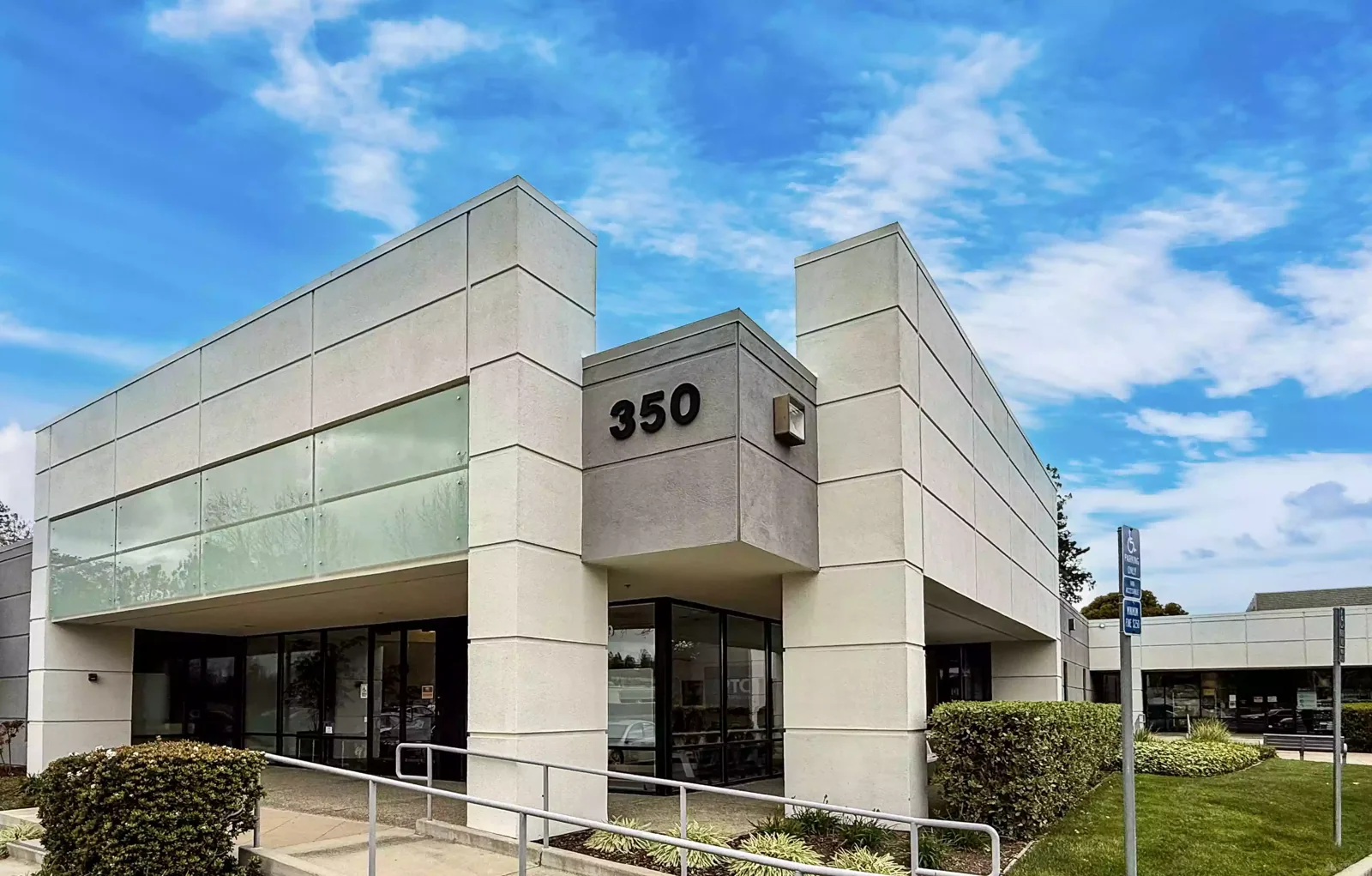
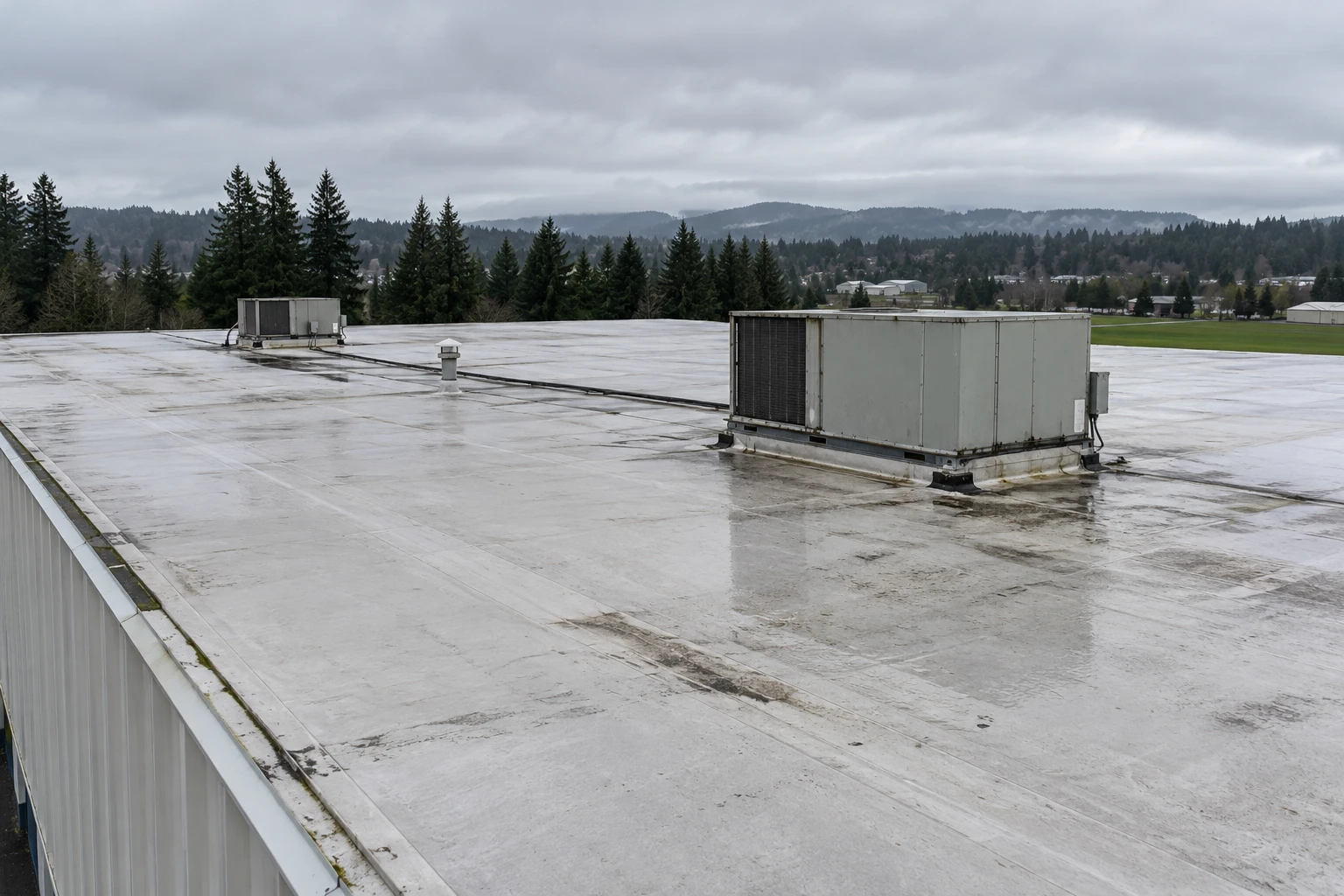
Production equipment, refrigeration, tenant circulation, loading, and patient or student access can change the order of roof work. We map rooftop units, curbs, drains, and walk paths, then confirm which interior areas require protection. A cold-storage roof needs attention to penetrations and insulation continuity, while a commercial office roof may require a different access and notice plan. We do not assign a roof assembly from a building label; field details and records settle that question.
Keep operations in the sequence
Before opening a section, we coordinate staging, delivery, roof entry, and areas that must stay clear. For an occupied property, a phased scope can protect the space below while keeping the open roof area defined at shift end. A data-center roof plan can account for equipment restrictions, and hospital roofing requires the access and operating limits provided by the facility. The plan names what the crew can reach, when the work zone changes, and which trades need to coordinate around rooftop equipment.
Match repairs to the roof
A patch belongs where the membrane and substrate remain sound enough for a compatible tie-in. If moisture extends beyond a visible opening, we identify testing before extending the repair. Where several areas fail or insulation is wet, we compare local work with replacement and state tear-off, flashing, drainage, and insulation separately. Commercial roof repair may solve a bounded defect; a claim documentation scope can preserve marked photographs when storm damage is part of the condition. Our occupied-building sequence keeps access and protection tied to the property use.
Carry the record to the next roof walk
Marked photos, repair boundaries, and notes on inaccessible areas make a later visit more precise. We check the same drain, seam, or curb, record what changed, and separate completed maintenance from work still needing approval or testing. For multi-building portfolios, consistent condition reports help an owner compare roof needs without treating one building as a proxy for another. A roof condition report captures the observed assembly, while a maintenance visit can return to the locations already marked.
Questions About Property Types We Roof
Do different property types need different roof scopes?
The assembly determines repair methods, while building use affects access, staging, and protection below. We record both before deciding how the work should proceed.
Can roof work proceed over an operating facility?
We coordinate roof zones, work hours, material movement, and equipment restrictions with the property contact. Each open area is protected before the crew leaves, and unresolved access limits remain in the record.
What if the roof type is not in the building records?
We inspect seams, fasteners, flashing, and exposed edges for identifying details. If the assembly remains uncertain, we state what a sample or test opening would confirm before specifying the repair.
How are several buildings compared for capital work?
Each roof receives its own condition notes, photographs, and repair boundaries. We can then distinguish immediate leaks from broader replacement needs without assuming that nearby buildings share the same assembly or condition.
Review a commercial building roof
Send the address and what you are seeing. We reply with the next practical step for the building.