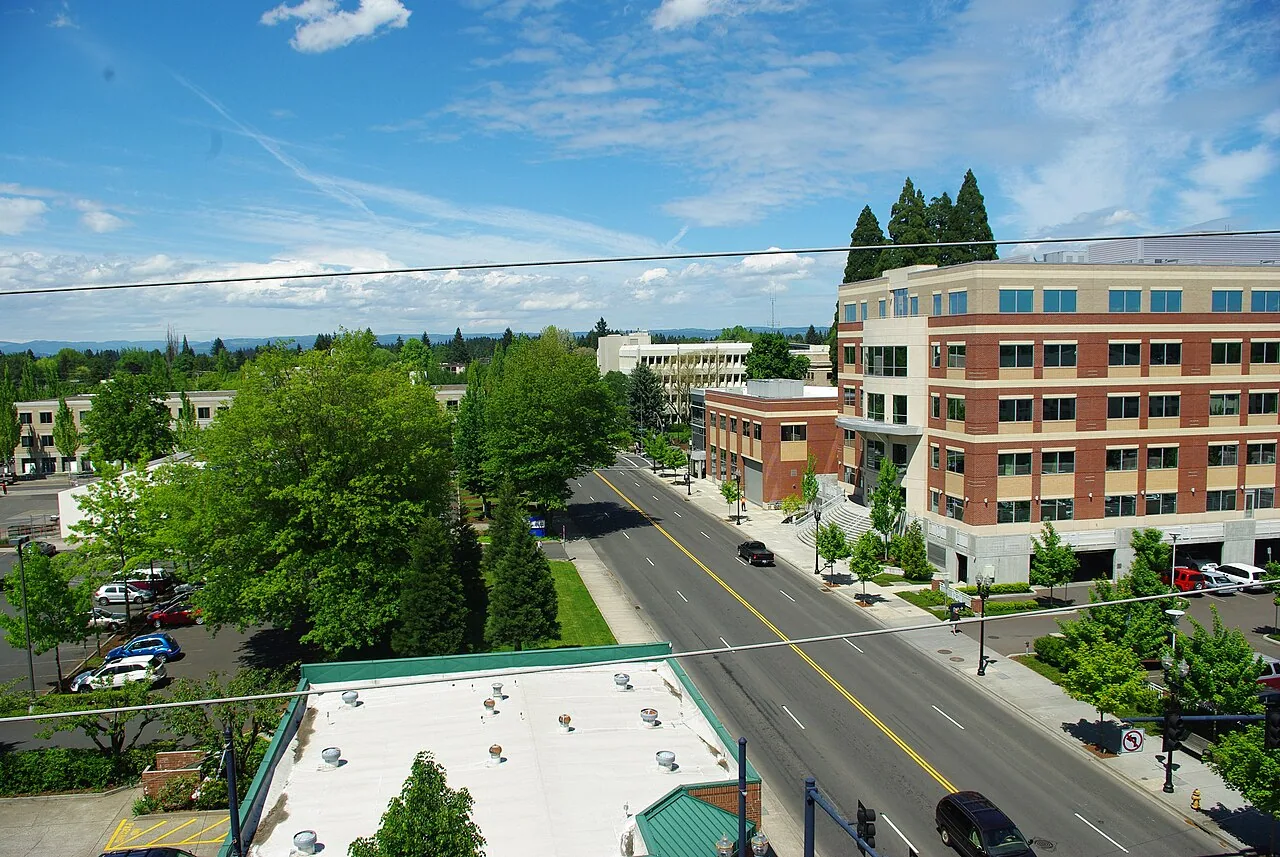
Industries We Serve in Hillsboro, OR
Commercial roofing for Hillsboro and Washington County, Oregon
Property Managers
Investors and REITs
Healthcare Systems
Manufacturers
Logistics and 3PL
School Districts
Public Agencies
Retail and Restaurant Chains
Hospitality Groups
General Contractors
Insurance Restoration
How We Approach Industries We Serve
Industries We Serve in Hillsboro, OR
Industries We Serve in Hillsboro
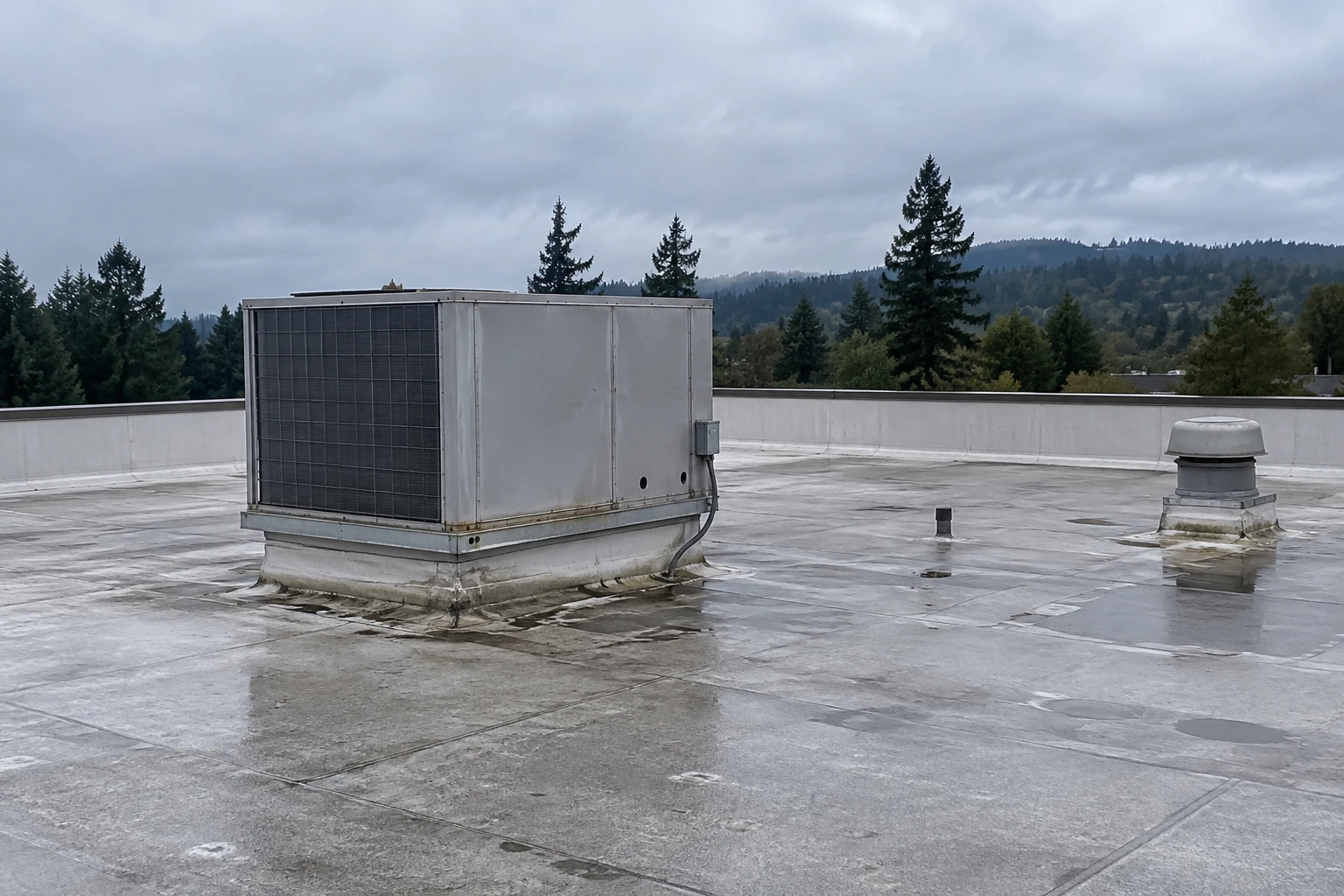
A production roof has penetrations and service paths that cannot be treated like an empty field sheet. In Hillsboro, the local economy includes semiconductor manufacturing and drug manufacturing, packaging, and distribution. We do not assume those buildings share one assembly or one schedule. We inspect the roof, identify the curb and seam conditions, and confirm operating limits before setting a repair boundary. Manufacturer roof programs and logistics roof work begin with the details that affect the facility below.
The region's industrial areas connect freight activity with highway, air, marine, and rail facilities. Before delivery, we confirm the property entrance, staging point, and access limits with the site contact. Near Swan Island Industrial Area or along the Tualatin Valley Highway, the property plan still determines where crews and materials can move. A useful roof scope reflects the industry, the occupied space, and what the inspection actually found.
Read the roof against the work below
We note equipment curbs, exhausts, drains, service paths, and changes in roof elevation before recommending a repair. A medical property may need quiet access and clear entrances; a warehouse may need loading areas open. The roof does not reveal every operating constraint. We record the restrictions the manager provides and compare them with the work area. Healthcare roof inspections can document penetrations and access, while property management programs preserve records across separate buildings.
Keep production and access in view
Before opening a roof zone, we confirm work hours, restricted areas, lift locations, deliveries, and temporary protection. A manufacturing line or distribution schedule can make the order of sections as important as the repair itself. We mark which roof areas are active, what must stay accessible, and how a shift closes with penetrations protected. For a portfolio, the owner's roof records can carry condition and scope details from one property to the next without assuming the assemblies match.
Separate one failure from a portfolio decision
A bounded opening with sound material around it may fit a local repair. Multiple failures, widespread wet insulation, or weak tie-in areas can change that decision. We show the repair boundary and compare it with replacement when the findings support a larger scope. Commercial roof repairs address confirmed defects; a capital plan can distinguish urgent conditions from future work. The record is useful only when each building keeps its own photographs, assembly notes, and access limits.

Preserve findings between visits
A service call should leave the next visit better placed. We record the seam or drain repaired, note any area that still needs testing, and retain photos that show the boundary. A maintenance program can return to those points before a small defect reaches insulation or occupied space. The result is a practical roof record for a facility manager, asset manager, or general contractor, tied to a building and its actual operating conditions.
Questions About Industries We Serve
Can one scope cover several industrial properties?
A shared program coordinates timing and records, while each roof keeps its own assembly notes, findings, and work limits. Confirmed repairs remain distinct by building.
How do you plan around equipment on a production roof?
We map curbs, service paths, and restricted areas, then confirm shutdown or access limits with the facility contact. The sequence identifies which zone opens and how exposed details are protected.
Can managers compare repair and replacement across a portfolio?
Yes. We document condition and cost drivers for each roof separately, then group the options by urgency without assuming that neighboring buildings share a system or failure pattern.
What records help with a commercial roof inspection?
Drawings, prior repair notes, leak locations, and access rules help focus the walk. We compare those records with visible seams, flashings, drains, and insulation conditions, then identify any gap that still needs testing.
Plan roofing around the facility
Send the address and what you are seeing. We reply with the next practical step for the building.