Commercial Roof Recover in Hillsboro, OR
Review roof recover options in Hillsboro with moisture checks, attachment and code review, and details that preserve drainage and flashing height.
Commercial Roof Recover
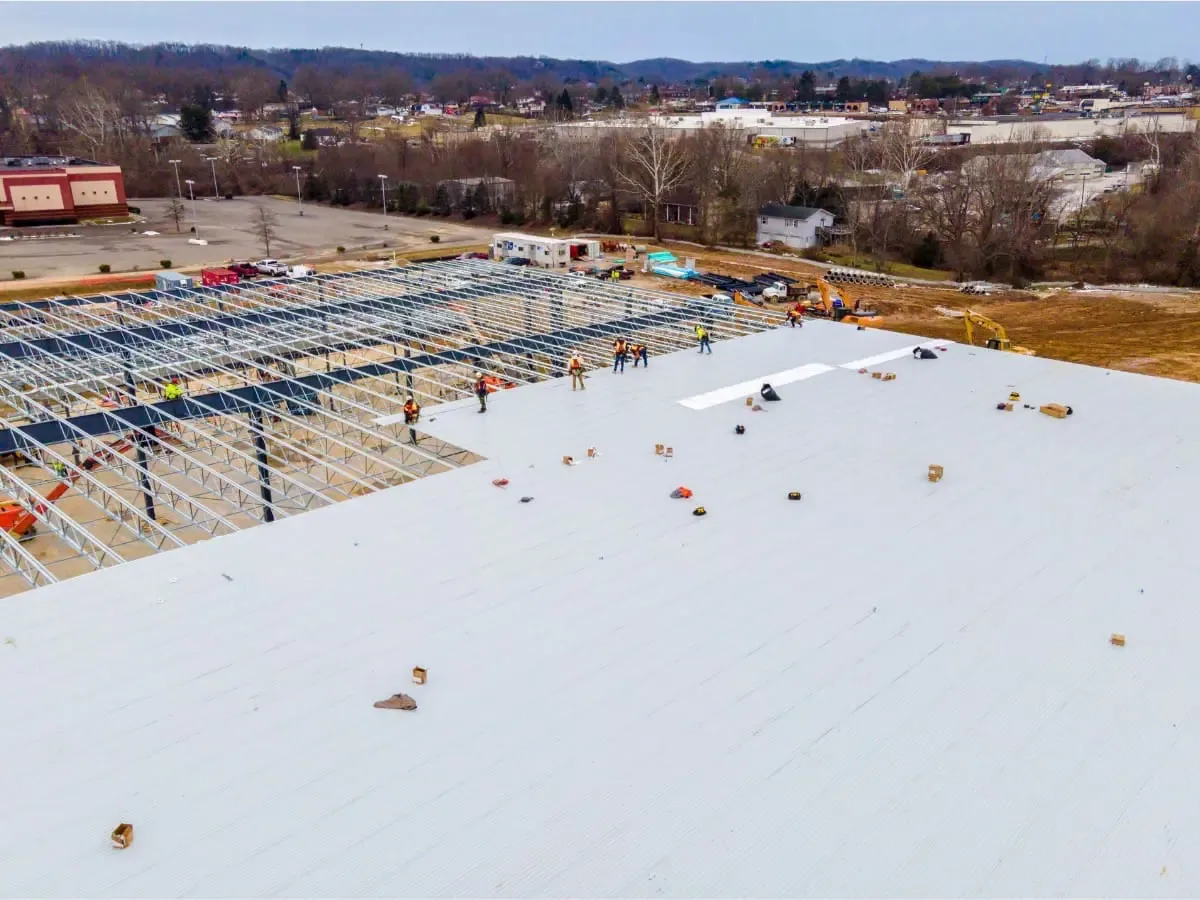
An overlay can save a tear-off only when the roof beneath it can carry another assembly and still shed water. In Hillsboro, OR, we start with the existing membrane, fasteners, insulation, deck, drains, and edge height. A recover is not a cover for active moisture or loose material. We mark the areas that need testing, compare the roof records with what the walk shows, and set a boundary for work that can remain. If the assembly is too wet or unstable, we price commercial roof replacement instead. The choice follows the substrate and drainage plane, not the calendar or a preference for less disruption.
Related Roofing Pages
More pages on commercial roofing in Hillsboro:
Test the layers before adding another
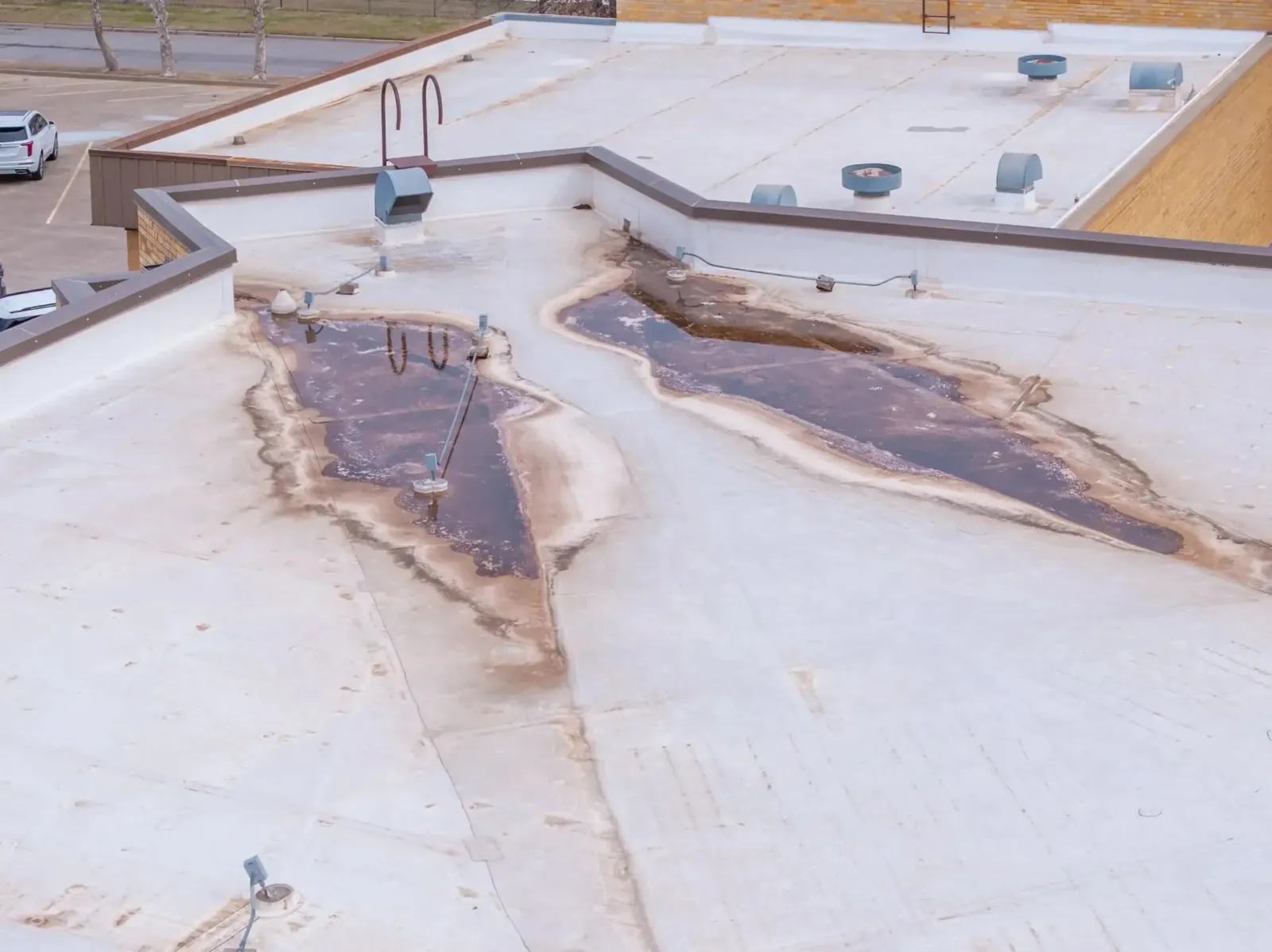
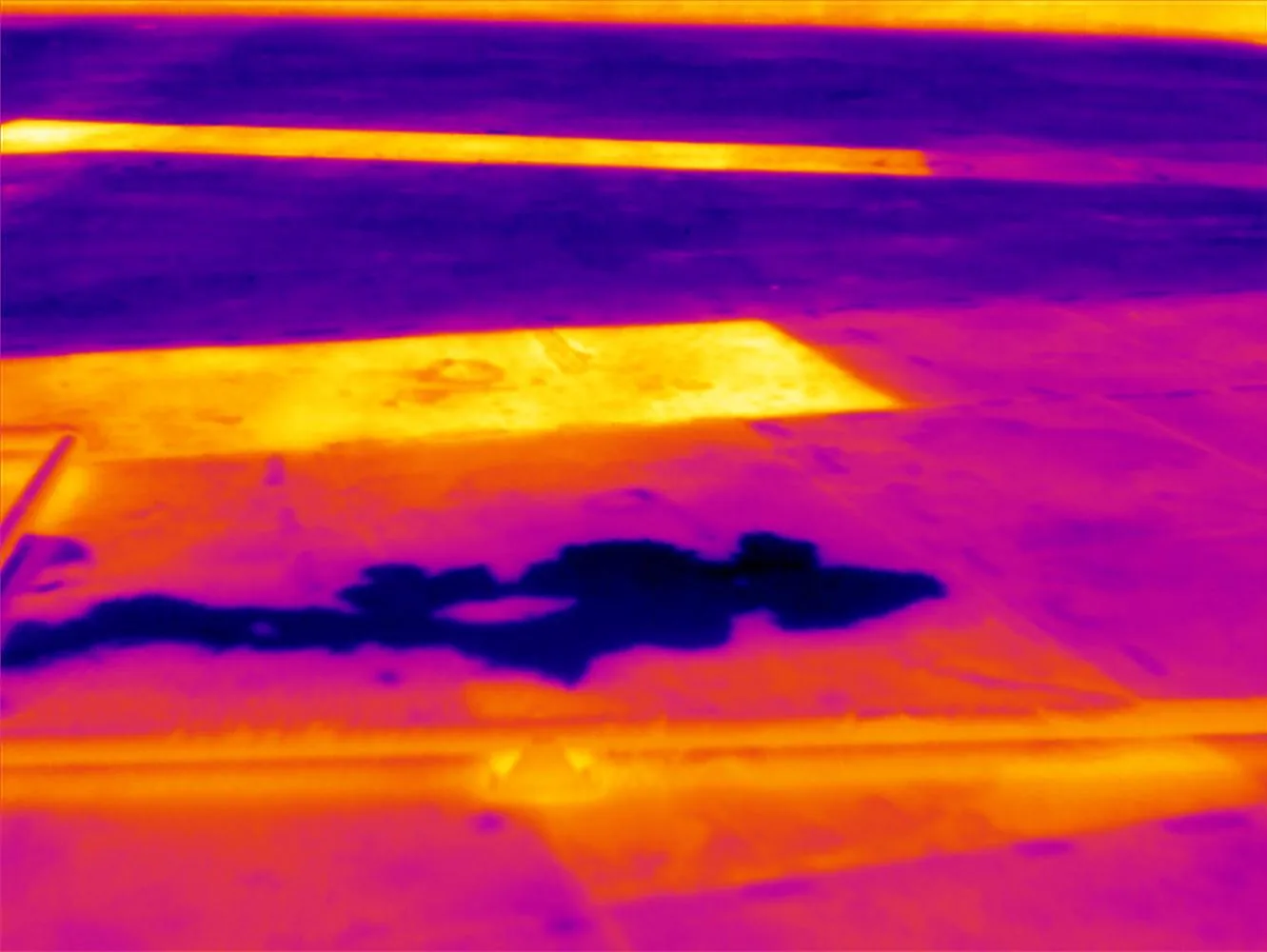
We inspect seams, laps, blisters, old patches, penetrations, and low points before discussing a recover. Moisture mapping can show a pattern, while a permitted core cut confirms what lies below the surface. We record the existing layers, insulation condition, deck type when visible, and places where attachment needs more review. The owner receives the findings and the limits of each test. Hillsboro’s precipitation normals measure 35.93 inches annually, highest from October through January. We inspect low points and existing tie-ins before deciding which roof layers can remain beneath a recover and which need removal. A moisture survey can guide test openings where surface observations leave the existing insulation condition uncertain. That season makes drain capacity, temporary tie-ins, and the exposed repair boundary important during any roof work. A recover should not bury a recurring pond or a seam that still moves under water.
We compare findings by roof section. If one area is dry and firmly attached while another has wet insulation or repeated separation, the proposal can preserve a sound section and isolate the area that needs removal. The marked plan shows where that line falls.
Set the recover boundary by condition
Existing insulation that is wet, compressed, or no longer secure has to be addressed before a new layer goes down. Loose membrane, trapped moisture, and deck movement also change the plan. We identify what can stay, what must be removed, and how the new work will tie into sound material. A targeted repair may be suitable for a localized detail, while widespread moisture can make a recover a poor fit.
Hillsboro's manufacturing and distribution operations include process equipment and active work schedules. On any property with that type of use, we map rooftop units, service paths, exhausts, and access requirements before choosing staging. Those building needs affect sequencing, not the technical decision about the underlying roof. The crew protects openings and work zones at shift end so production areas do not depend on an unfinished tie-in.
Where the existing roof has several membrane types or past repairs, we check compatibility before specifying attachment or cover board. The proposal names the substrate assumed, fastening method to verify, drainage changes, perimeter details, and concealed conditions that could alter quantity. That makes the repair boundary visible before materials arrive.
Preserve flashing height and drainage
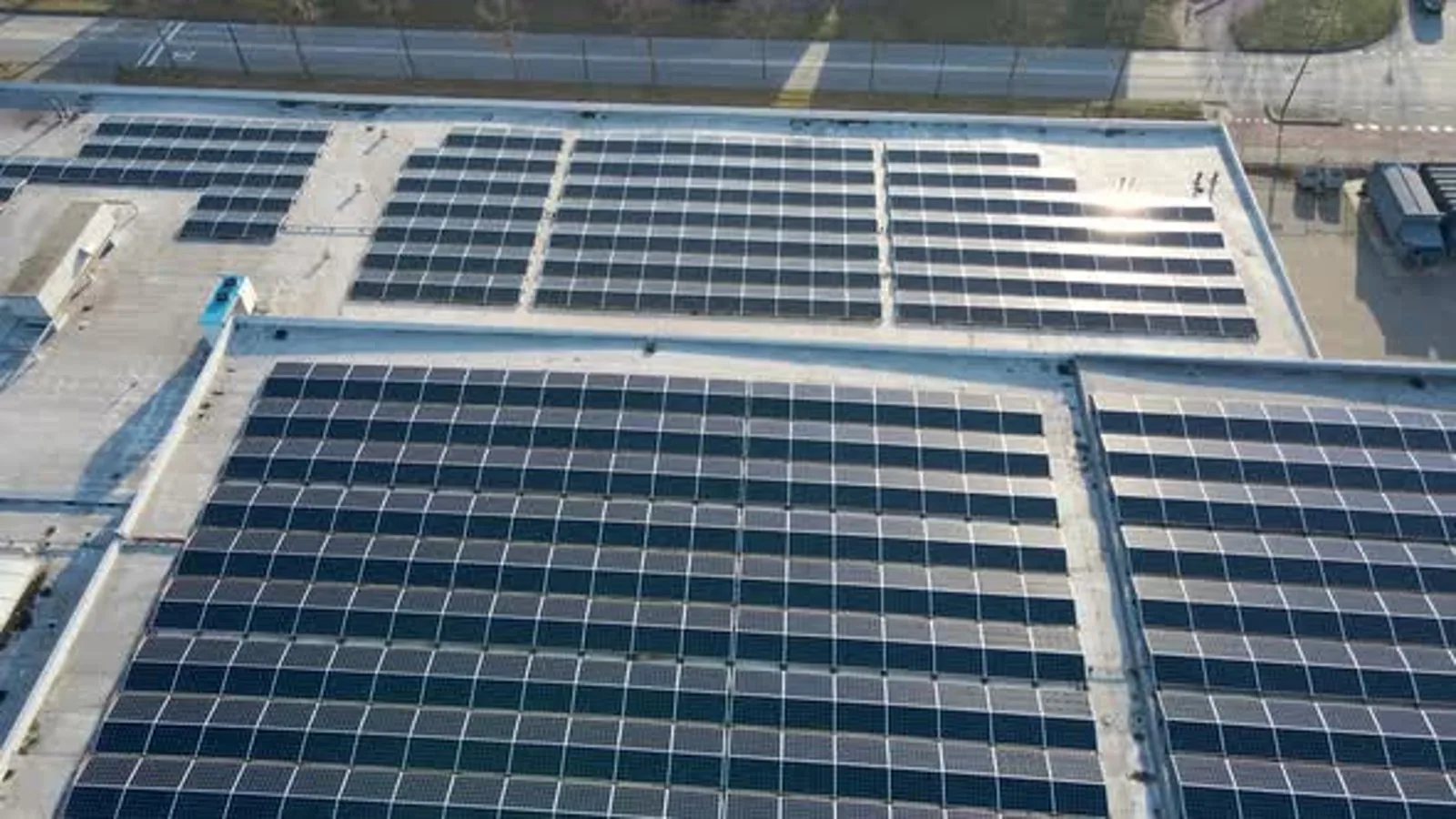
A new layer raises the surface. That change affects curbs, parapets, doors, drains, and metal edges. We measure existing flashing height and drain bowl depth, then show the adaptations required for a continuous water path. If a new membrane meets an old one, the lap and termination must be compatible and accessible for inspection. A TPO recover assembly or modified bitumen system must be detailed to the documented substrate and attachment, not assumed from a surface appearance.
A drain bowl that becomes recessed below the finished roof can collect debris and leave water behind. We check strainers, overflows, slope, and nearby insulation before calling it a drain repair. At walls and curbs, added thickness may leave too little upstand or create a step in the drainage plane. We price the metal, flashing, and drain changes that are needed for the finished condition.
Oregon's 2025 structural code, which follows the 2024 IBC, took effect October 1, 2025, and its commercial provisions became mandatory April 1, 2026. The proposed work needs a project-specific code review, including assembly layers and added load. We coordinate those questions with the owner and design team before the recover is approved.
Keep operations clear during the recover
Once the scope is accepted, we divide the roof into areas that can be inspected, prepared, and closed without leaving a loose edge overnight. The crew removes debris and unsound material, makes approved repairs, and verifies the surface before installing cover board or membrane. Each day ends with protected transitions and a walk path that keeps equipment service access available. The cities and communities linked by Oregon Highway 8 include Forest Grove, Cornelius, Hillsboro, Aloha, and Beaverton. Washington County’s regional people-and-goods network also includes 185th Avenue. We confirm each site's gate, loading zone, and lift area with the property contact, then schedule material handling around routine building use.
The Orenco Station area is planned as a mixed-use station community. The property contact sets operating windows; our sequence identifies work zones, notification points, and weather holds for that building.
Price the work that makes the second layer viable
Recover cost depends on how much surface preparation is needed, the quantity of wet material to remove, deck repair, fastener pullout, cover board, flashing extension, drains, perimeter metal, and access. The number of penetrations and roof levels also changes crew movement and detail time. We list those items separately from the membrane area so an owner can see which assumptions are driving the proposal.
A capital plan can compare a recover with tear-off using the same repair boundary, drainage work, and expected sequence. If moisture testing is incomplete, we state the number and location of openings still needed rather than treating an allowance as proof that the roof is dry. Hidden deck condition remains a decision point until exposed.
The proposal also addresses disposal, protection, temporary seals, and closeout photos. These details may not add membrane area, but they determine whether the finished edge can be inspected and whether the building can remain in operation. We separate confirmed work from options triggered by concealed conditions, then give the owner time to choose before scope changes.
Questions About Commercial Roof Recover
How do you decide whether the existing roof can stay under a recover?
We review moisture, attachment, membrane condition, deck support, flashing height, and drainage by section. Test openings may be needed where surface signs cannot confirm the layers. The scope identifies which areas can remain and which require removal before new material is installed.
Can a new roof layer fix ponding water?
Not by itself. We check the drain bowl, overflow, slope, and insulation around the low area. If the added layer would leave a recessed drain or trapped water, we price the necessary correction or recommend a different assembly.
What happens if test cuts find wet insulation?
We mark and photograph the exposed area, then stop at a boundary the owner can review. The proposal lists removal and replacement quantities separately. Dry, sound sections can remain only when their attachment and tie-in detail support the planned assembly.
Will added roof weight need review?
Yes. Every existing structure and proposed layer set must be evaluated for the actual load and attachment. We document the layers and coordinate structural questions with the project professionals before recommending a recover.
Which details tend to change when a recover raises the roof surface?
Drains, curbs, parapet flashings, doors, and perimeter metal may need adjustment. We check the finished elevation and water path at each transition, then include required extensions or replacements in the scope.
Review a Hillsboro recover candidate
Arrange a roof walk and share any roof records or leak history. We will mark the areas that can stay, identify needed moisture checks, and compare a recover with removal where conditions require it.