
Commercial Roof Flashing Failure Repair in Hillsboro, OR
Commercial roof flashing repair in Hillsboro, OR. We trace water at curbs, walls and penetrations, then price work to the confirmed assembly.
Commercial Roof Flashing Failure Repair
A flashing leg that has lifted leaves a direct path beneath the roof edge. In Hillsboro, OR, I trace the transition from membrane to curb, wall, or pipe before setting a repair boundary. We check the metal, counterflashing, sealant, and sheet tie-in together. Hillsboro airport normals place daily minimums at or below freezing on about 64 days each year. At a flashing, I check the upper termination and lower leg after a freeze for movement or water held against the joint. A commercial roof inspection can document the transition, interior evidence, and repair limit before a flashing scope is set. Exposed transitions merit a check for brittle sealant, movement, and trapped water. Along Tualatin Valley Highway and near Downtown Hillsboro, access planning still follows the property and roof.
Related Roofing Pages
More pages on commercial roofing in Hillsboro:
Follow the transition from sheet to wall
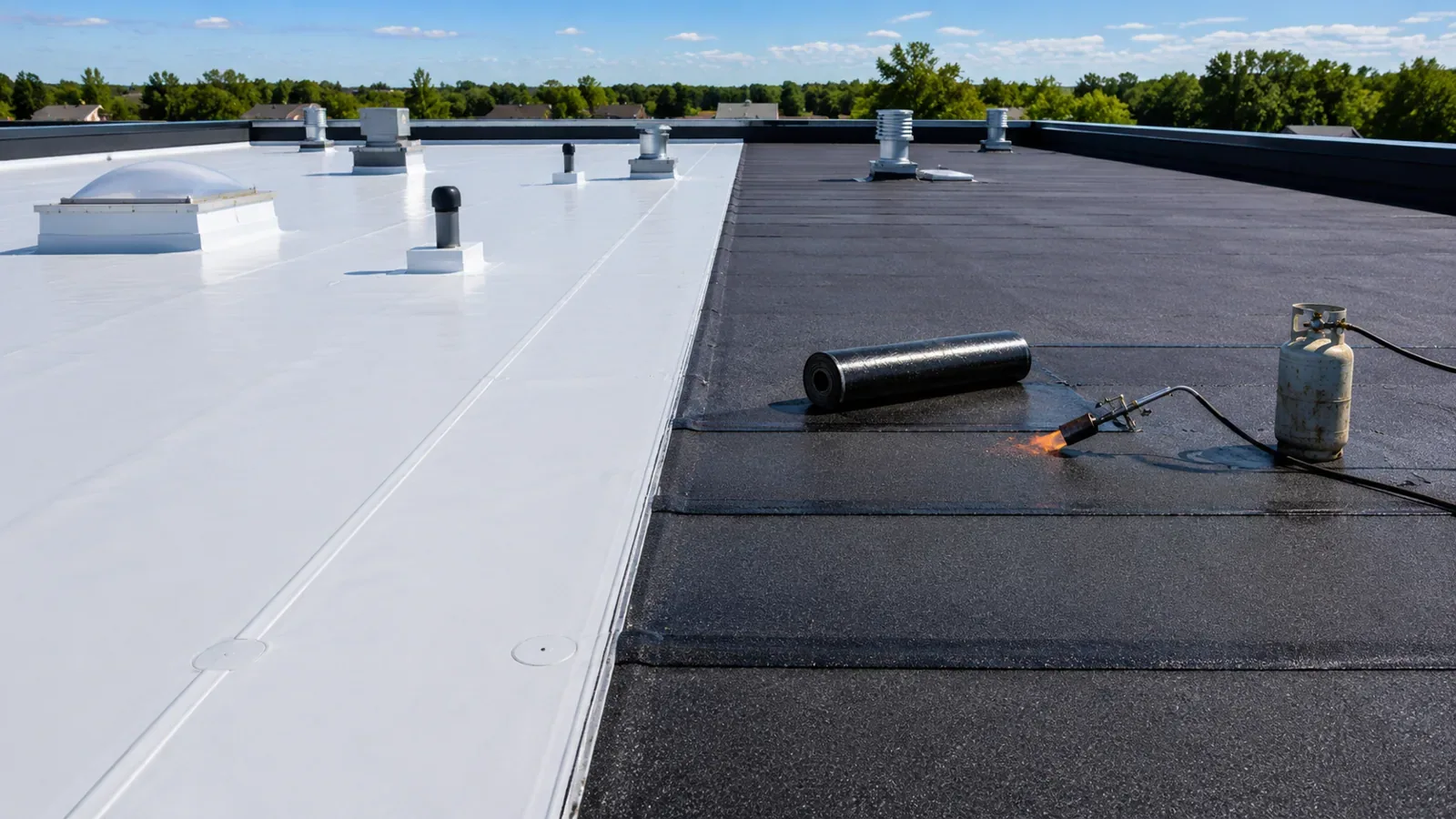
Flashing failures occur where a roof plane changes direction or meets another material. We inspect curb corners, pipe boots, parapets, wall terminations, expansion joints, and edge metal for open seams or separated laps. A stain near a wall can come from a point above or to the side, so we compare the interior mark with the whole transition instead of sealing the first visible gap.
The repair method depends on how the flashing is built. Sheet membrane may turn up a curb and terminate beneath a counterflashing; metal coping may cover a separate edge detail. We check attachment, substrate condition, and whether a fastener has pulled through. The edge-metal and coping inspection identifies which layers need to reconnect and whether opening the detail is necessary to reach sound material.
In process-oriented commercial buildings, equipment curbs and service paths can make inspection access precise. Hillsboro contains advanced manufacturing, including Intel's Ronler Acres semiconductor operation and Genentech's drug-manufacturing and distribution site. At process-oriented properties, we identify the installed roof details and confirm equipment access rules with the owner before setting the work area.
Separate a failed seal from a failed attachment
A bead of sealant can split because the materials moved, because the substrate is unsound, or because water has reached the joint repeatedly. We note whether the metal is loose, the membrane is pulled back, or the fasteners remain secure. If the flashing is intact but its upper termination has opened, the repair can differ from replacing the full curb wrap. The findings should show that distinction before we price work.
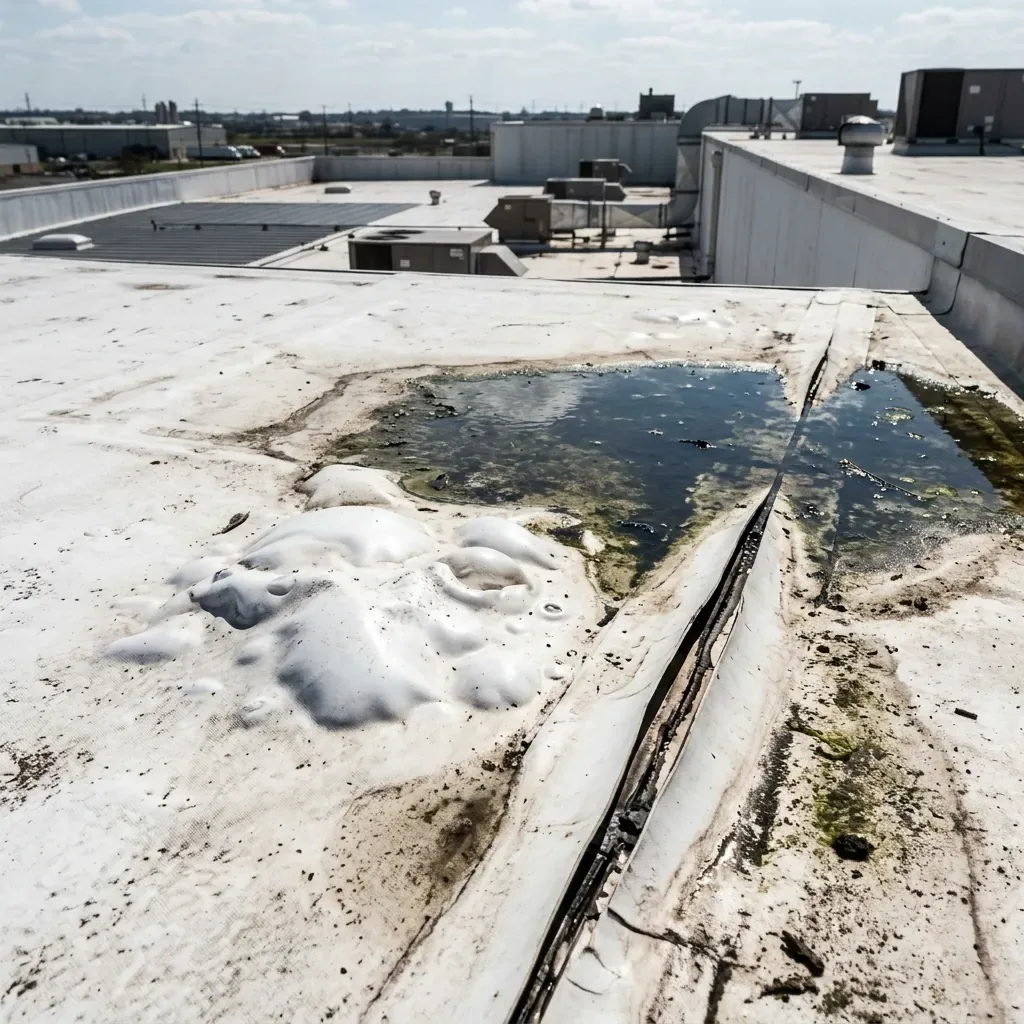
Hillsboro's normal precipitation is 35.93 inches annually, with the wettest monthly normals between October and January. Repeated rain can expose a weak lap, but the location of an interior stain still does not identify the entry point by itself. We inspect nearby ponding areas, drain paths, and membrane seams for connected conditions. Where insulation may be wet, a moisture survey or test opening helps determine how much material belongs inside the repair.
The report marks what was visible, what was tested, and what remains concealed. A loose edge can be secured only when the substrate can accept the attachment. If the metal has distorted or the membrane has lost a sound tie-in, we identify the broader detail and show its repair boundary separately from nearby field damage.
Account for rain and seasonal movement
Rain tests the lap above a curb and the seal at its top edge. Freeze conditions can change the flexibility of exposed materials and leave water at a transition that did not drain cleanly. We inspect for open corners, cracked sealant, lifted counterflashing, and movement where rooftop equipment meets the membrane. 185th Avenue is a regional corridor for people and goods in Washington County. For a property adjoining it, the site contact confirms the loading entrance and lift route before we set the work window. We confirm where equipment can be staged, which roof route is clear, and how a work zone stays separate from deliveries or occupied areas.
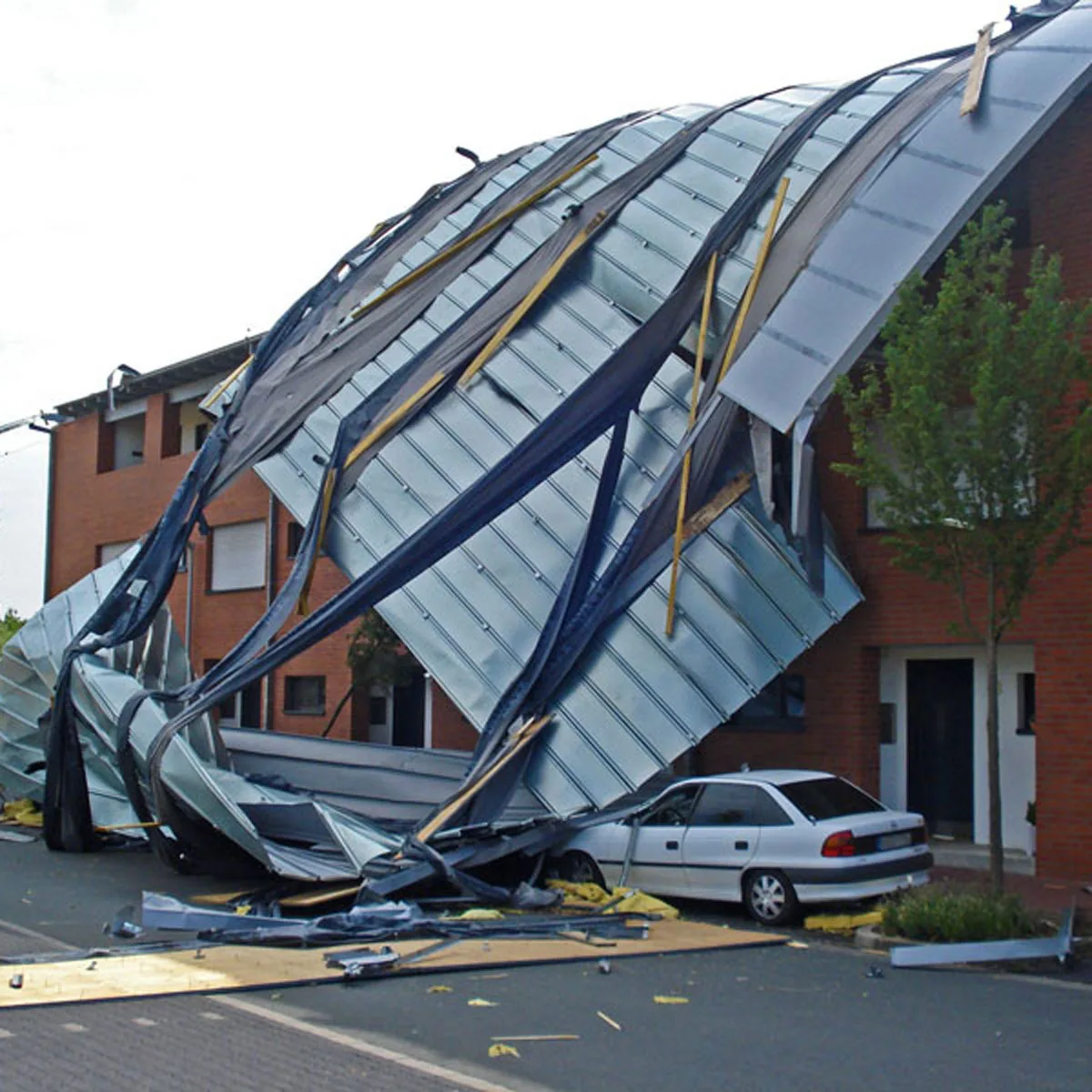
If water followed a failed detail after a storm or gust, we also inspect the adjacent field for a crease, puncture, or wind-related edge movement. Treating only the sealant can leave that opening active. The marked report connects the transition to the surrounding sheet and any interior location it may have affected.
Rebuild only the detail that has failed
A repair removes failed sealant or loose membrane, prepares a sound surface, and installs compatible flashing with reinforced corners. We restore the termination, check laps, and confirm that metal sheds water away from the joint. Photographs record the prepared substrate and finished tie-in. If deterioration prevents secure attachment, we show it before expanding the scope.
Where a curb or wall transition has failed on several sides, replacing the assembly can create a cleaner boundary than stacking patches. Wet insulation, deck movement, or repeated separation may call for an opening or larger replacement area. We price each option separately and identify access, material compatibility, and concealed conditions that could change the work.
A split seam beside the flashing may need its own tie-in. We show whether it is part of the same transition or a separate defect. For an active opening, call at any hour and we will dispatch to protect the exposed detail. Temporary protection is documented separately; permanent repair follows once the boundary is clear.
Protect access while the detail is open
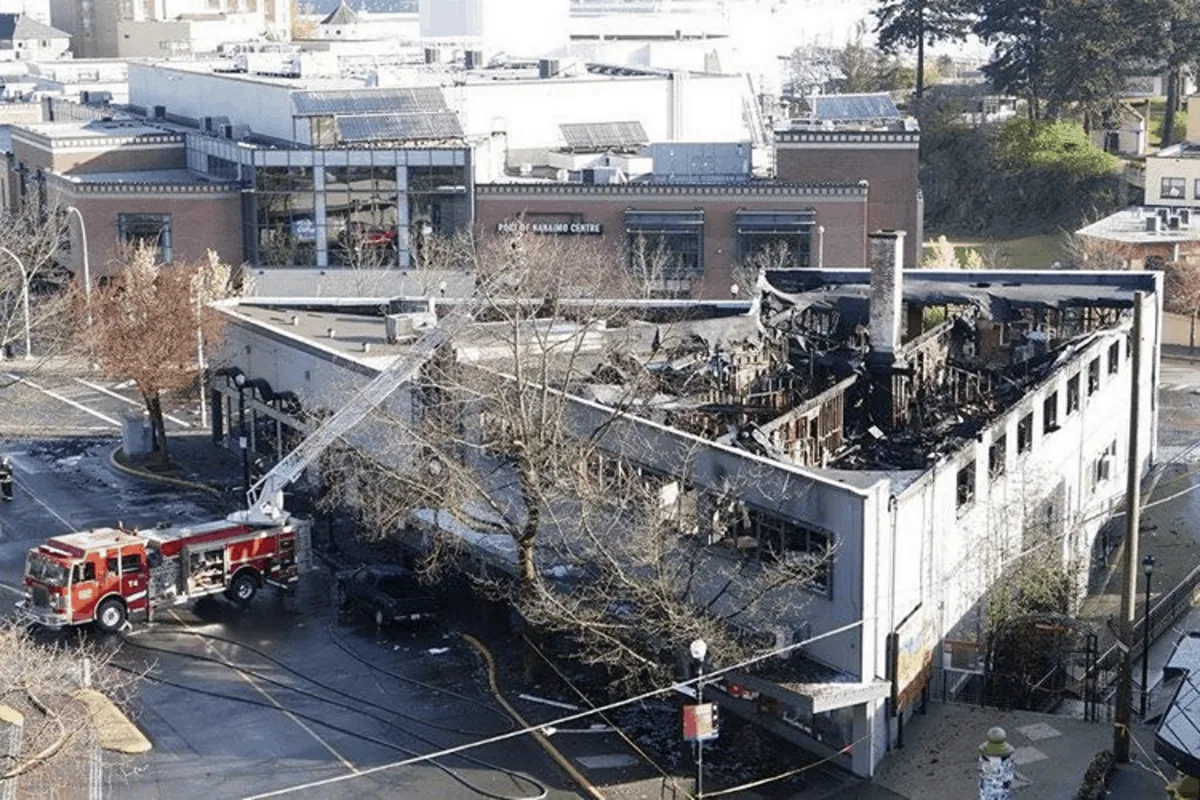
Before starting, we confirm roof access, fall protection, the location of rooftop equipment, and any operating limits near the work zone. If the repair is beside an active intake, sensitive process area, or shared walkway, the property contact identifies how to protect it. We plan to keep the opening covered at shift end and to limit material handling to the agreed route.
Work begins with photographs and a marked boundary. We remove only the material needed to expose a sound tie-in, prepare the substrate, and install the specified flashing. If concealed damage extends past the planned edge, we stop and show the finding before changing the price or repair limit. Rain and surface moisture can alter the sequence, so temporary protection and the next work window are recorded.
Closeout notes identify the repaired transition, material installed, and any adjacent area that remains under observation. That record helps a future roof walk distinguish a new leak from movement at the earlier repair. Arrange an inspection in Hillsboro and we will mark the flashing condition, explain the repair choices, and price work tied to the actual detail.
Questions About Commercial Roof Flashing Failure Repair
Does every leak at a curb mean the whole curb must be replaced?
A single open lap or failed seal may support a localized repair if the surrounding flashing and substrate remain sound. We check the corners, vertical leg, top termination, and membrane tie-in before setting the boundary. If movement or moisture extends under the assembly, we show that broader condition separately.
Can you repair flashing without disturbing rooftop equipment?
We first map the work area and confirm the equipment clearances and owner access rules. A repair can often be planned around an operating unit, but the required separation and protection depend on its location and the detail. The scope identifies any shutdown or access coordination needed before work begins.
What makes new sealant fail again?
Sealant cannot correct loose metal, a moving joint, wet substrate, or membrane that no longer reaches sound material. We inspect attachment and the layers behind the exposed edge, then specify preparation and reinforcement appropriate to the detail. The closeout shows the completed termination rather than just the new surface bead.
How do you decide where to stop a flashing repair?
The boundary stops where the existing material is dry, secure, and suitable for a compatible tie-in. We mark the sides of the detail, check adjacent seams, and note any concealed area that still needs an opening. That lets the owner compare a defined repair with a larger replacement scope.
Can an emergency crew stabilize an opening before a permanent repair?
Yes. Emergency response runs around the clock, holidays included. Tell us the exposed area and the access rules, and we protect the opening first. We document that measure separately, then inspect the assembly to price permanent flashing work.
Arrange a Hillsboro flashing inspection
Tell us where water appears and which roof transition is exposed. We will inspect the detail, mark what remains sound, and price the repair or replacement area supported by the findings.