
Commercial Roof Seam Failure Repair in Hillsboro, OR
Commercial roof seam repair in Hillsboro, OR. We inspect open laps, check the substrate and moisture, and price a repair that reaches sound membrane.
Commercial Roof Seam Failure Repair
An open lap leaves a line where water can pass beneath the membrane. I check whether the split follows a seam, crosses the field sheet, or meets a curb before deciding where a repair can hold. In Hillsboro, OR, recurring rain and winter freezing make that boundary worth documenting before the next wet period. We photograph the opening, inspect nearby attachment, and compare the roof condition with any interior report.
The repair should reconnect sound material, not bridge over loose or wet layers. Along Tualatin Valley Highway, the urban arterial and regional transit setting makes delivery and work-route planning relevant to a repair visit. For work near Tanasbourne and AmberGlen, the property contact sets the roof-access and staging rules. A commercial roof repair starts at the seam and follows the water path.
Related Roofing Pages
More pages on commercial roofing in Hillsboro:
Read the split before closing its lap
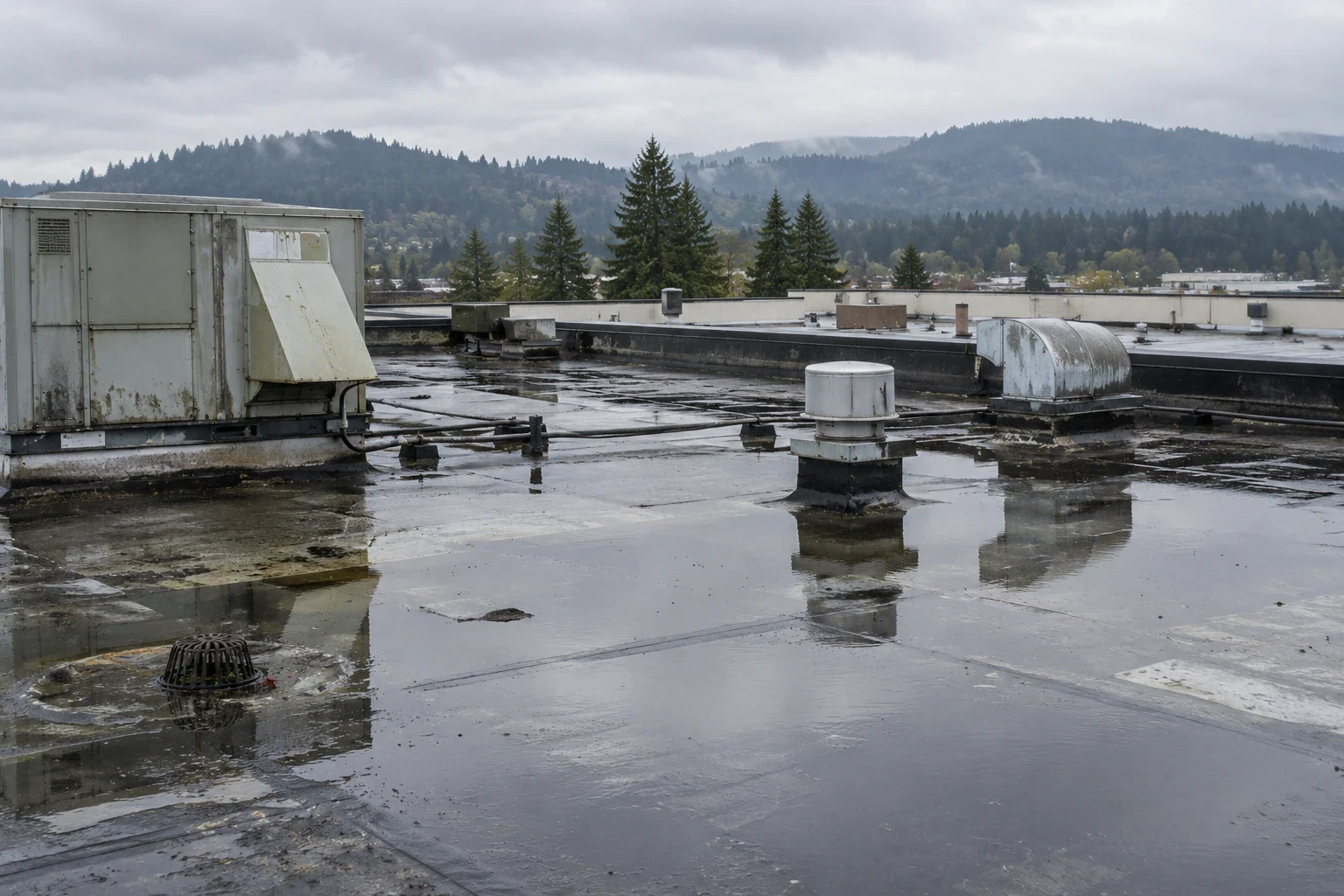
We look at the length and direction of the opening, the condition of each sheet edge, and whether the seam is raised, wrinkled, or contaminated. A narrow separation may follow a weld that did not fuse evenly. A wider split can reflect movement, poor attachment, or stress at a nearby curb. The inspection records the defect and the surrounding material instead of treating every open lap as the same repair.
Interior water marks help set the route, but they do not always sit below the entry point. We trace the membrane from the split toward drains, penetrations, and low areas. If standing water has repeatedly covered the seam, we note the waterline and drainage condition too. Washington County’s 185th Avenue carries people and goods as a regional corridor. Before bringing splice materials to a building along it, we mark the approved unloading point and the roof entrance with the owner. That makes delivery and staging considerations relevant to some nearby commercial work, but the property determines its own access route. We confirm loading rules and roof entry with the owner before opening the assembly.
Match the repair to the membrane
A welded thermoplastic seam needs clean, compatible material and a weld that reaches full width. A rubber membrane may use a different splice tape and primer sequence. Coated assemblies require a prepared surface and reinforcement suited to the coating. We identify the visible system and check records before choosing a method. Unknown products are not treated as interchangeable because the patch must bond at its boundary as well as across the opening.
Hillsboro has semiconductor and life-sciences manufacturing operations with equipment routes and tightly managed work windows. For process buildings, we confirm the owner's access and operating requirements while inspecting seams, rooftop curbs, and penetrations.
Before a repair, we remove loose material and contamination to expose a sound surface. If the seam edge has shrunk, become brittle, or pulled from wet insulation, a surface weld or splice can leave the same movement in place. The report notes what was observed, what needs a closer opening, and where the proposed repair will stop.
Account for the water path around the seam
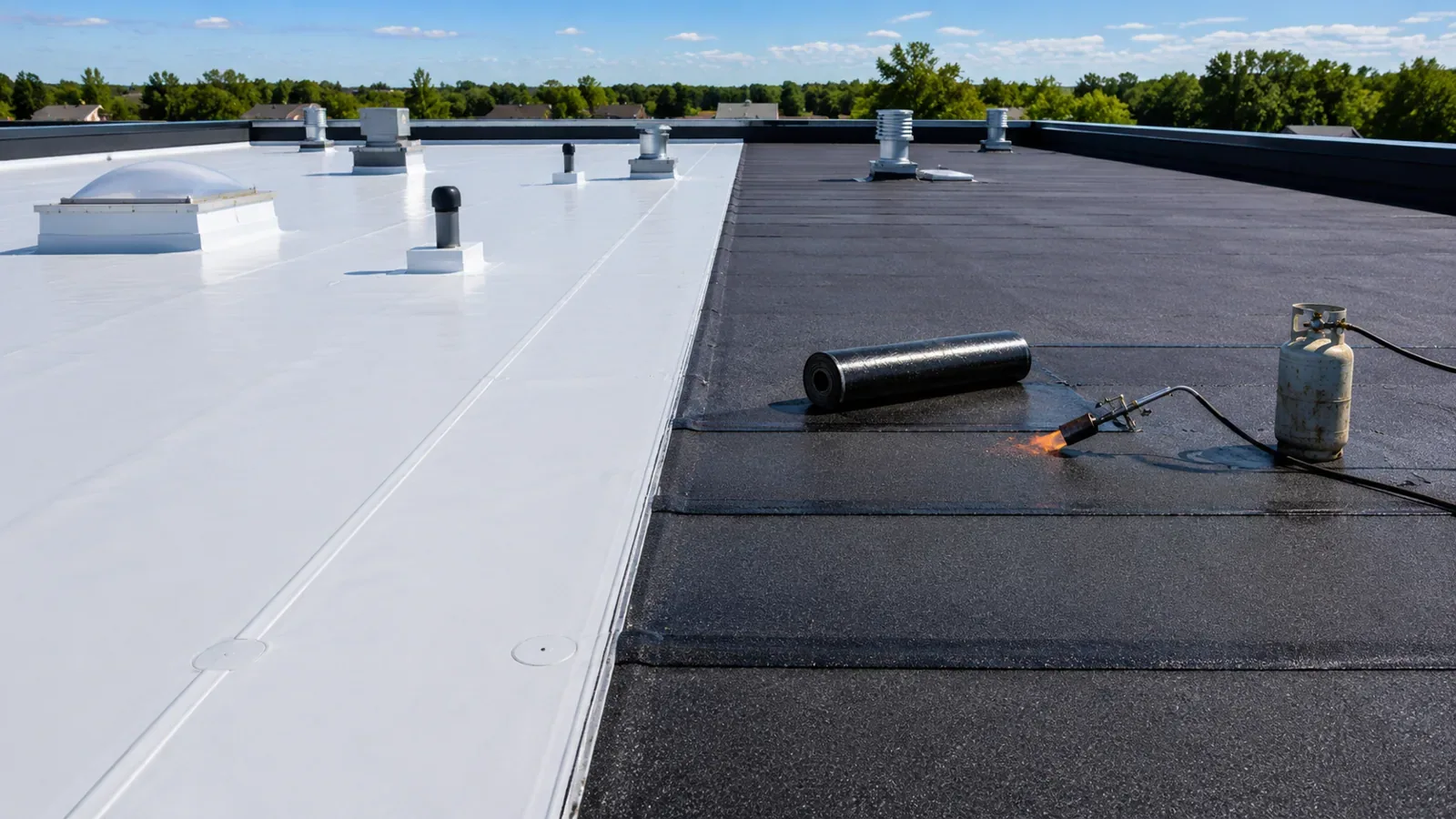
At Hillsboro, normal yearly precipitation measures 35.93 inches, with monthly totals peaking from October through January. An open lap needs its own marked water-control boundary while the crew prepares a compatible seam repair. In this market, an open lap can be tested repeatedly while the assembly below stays damp. We inspect the sheet edges, nearby drain bowl, and any penetration in the same drainage path. About 64 days in Hillsboro’s annual normal have lows no higher than freezing. At the split, we check sheet flexibility, surface moisture, and the preparation requirements before selecting adhesive or weld conditions. Cold conditions can affect exposed sealants and membrane handling, so repair materials are applied when the surface can support the specified bond or weld. We note temperature and moisture constraints rather than force a seam closure onto an unsuitable surface.
If impact or foot traffic caused the opening, the nearby field may show another cut or puncture. If movement began at an edge, we inspect that termination as well. The seam repair boundary includes connected defects but stops where material is sound and stable.
Set a repair boundary the owner can verify
A focused repair can clean and prepare the seam, reconnect the sheet with the compatible method, and reinforce the transition where needed. We inspect the completed lap and probe the edge as the system permits. Photographs show the original split, prepared surface, and finished tie-in. A clear record lets a later walk compare the same line for movement or water exposure.
When several seams are open across a roof area, we map them together and inspect attachment and insulation before pricing one repair after another. Repeated failures or widespread wet material may support a larger replacement boundary. A recover or coating is considered only after the assembly, moisture, attachment, drainage, added weight, and code conditions are checked. We keep those options separate from the immediate seam repair.
A failed flashing transition at the end of a seam may need its own detail work. We identify whether the two conditions share a repair boundary or require separate scopes. This helps an owner compare a local splice with a longer section of membrane replacement without hiding the distinction in a general patch allowance.
Keep the opening protected through closeout
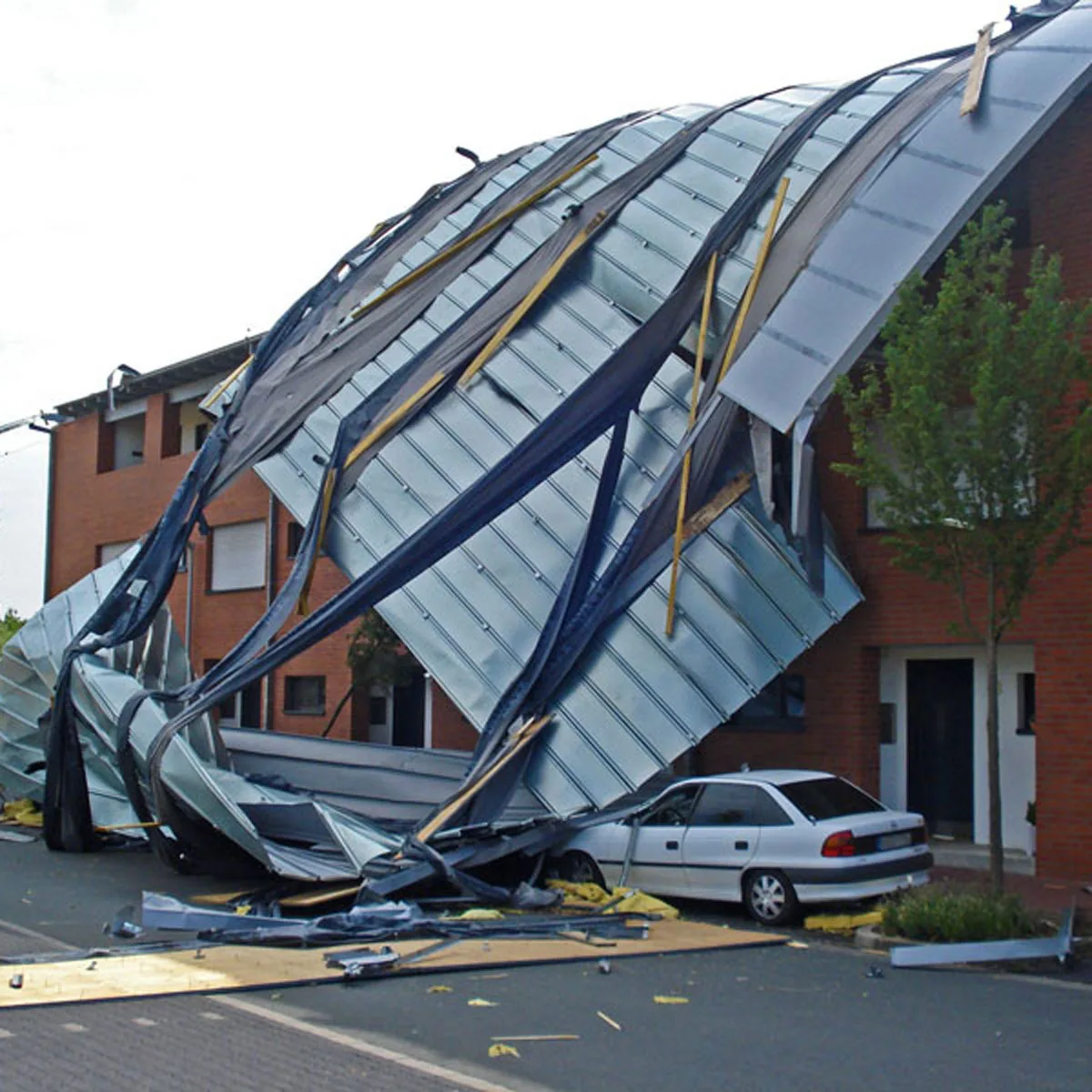
Before mobilization, we confirm roof access, fall protection, staging, and equipment clearances. For an occupied production or distribution building, the property contact may identify routes or work periods that need to remain clear. We place materials where they will not block drains or service paths and protect the work area from foot traffic while the seam is open.
We photograph the condition, mark the repair limits, prepare the surface, and install the specified splice or weld. If the assembly differs from the records or moisture extends past the planned edge, we stop and document the finding before changing scope. At shift end, open material is protected and the owner receives a note on what remains incomplete or needs a later check.
The closeout identifies the seam location, repair materials, photographs, and any adjacent area left for monitoring. If a leak returns, that record helps distinguish failure at the same lap from a separate penetration or drainage issue. Arrange a roof walk in Hillsboro and we will mark the opening, inspect the surrounding assembly, and price the repair supported by the findings.
Questions About Commercial Roof Seam Failure Repair
Can an open seam be repaired without replacing the membrane?
A local repair can work when the sheet edges, substrate, and insulation provide a sound tie-in. We inspect the split and nearby attachment, then use a method compatible with the membrane. Widespread seam movement or wet insulation can require a larger boundary, which we price separately.
How do you tell whether a seam is leaking?
We compare the opening with interior reports and trace the drainage path around drains, curbs, and penetrations. Water can travel under a sheet before it appears indoors. The report separates a confirmed gap from a suspected path and identifies any moisture check needed to set the repair limit.
Will a patch hold if water stands over the split?
The standing water and seam need separate inspection. We check whether drainage is restricted, whether the membrane remains sound, and whether the layers below are dry. A compatible splice can close a local opening, while a persistent low area may need drainage correction as a separately priced scope.
What if the roof membrane type is not known?
We review roof records and inspect markings, surface characteristics, seam construction, and prior repairs. If those do not identify the material, we explain what test or opening would settle the question. The repair proposal names the confirmed system or states what remains to verify before installation.
Can you respond before the permanent seam repair is ready?
Yes. Emergency response is available through nights, weekends, and holidays. We inspect the exposed area, document water entry, and discuss a temporary measure suited to the assembly. The permanent scope follows after we can identify sound material and confirm the repair boundary.
Schedule a Hillsboro seam inspection
Tell us where the split is and whether water has appeared below it. We will inspect the membrane and adjacent details, document moisture concerns, and price a repair tied to sound material.