
Commercial Roofing in Aloha Town Center, Aloha, OR
Roof repair and replacement planning for commercial properties in Aloha Town Center, with drain, flashing, and membrane findings recorded by roof area.
Aloha Town Center
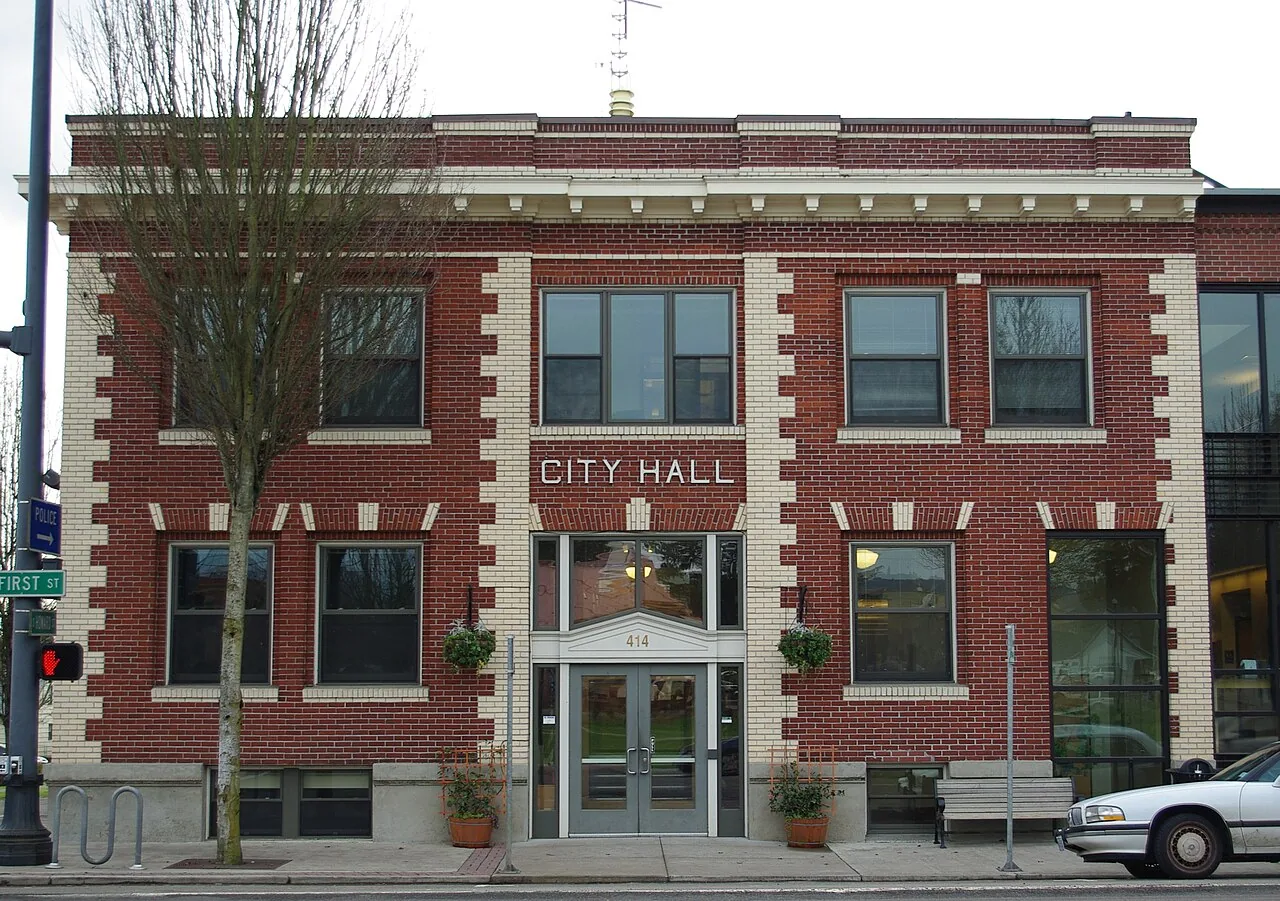
A row of low roof sections can send rain toward one outlet while a raised curb interrupts the drainage plane. In Aloha Town Center, Aloha, OR, we begin by tracing that path and checking the details where the membrane meets walls, pipes, and equipment. Aloha serves as a large neighborhood center with one- to three-story employment and housing. In its model, everyday services sit near housing and employment, commonly in buildings one to three stories high. On each property, we inspect the assembly, note access conditions, and separate a clear repair boundary from a question that needs testing. A commercial roof inspection puts those findings on a usable record.
A drainage finding should locate the low point, the closest outlet, and any seam crossed by retained water. We photograph those details in the same roof zone so the manager can compare the next walk with the repair boundary.
Related Roofing Pages
More pages on commercial roofing in Hillsboro:

Trace the outlet before changing the slope
A neighborhood center can contain more than one building use, but the roof decision still starts at the specific drain, scupper, or low field in front of us. We check whether debris blocks the opening, whether water can reach it, and whether an added layer has reduced the drain height. A shallow pool may come from a clogged outlet, a depressed deck, or insulation that has compressed. Those conditions call for different work, so we identify the cause before pricing a correction.
The Tualatin Valley Highway connects Aloha with Forest Grove, Cornelius, Hillsboro, and Beaverton. Before a roof visit, we confirm entry, staging, and delivery rules with the owner or manager. If the drain body or surrounding flashing needs attention, a drain and scupper repair can define the outlet work while preserving the surrounding membrane where it remains sound.
Set the visit against Hillsboro's wet season
We log what was controlled, what remains exposed, and whether a test opening would change the scope. The position of the stain, membrane transition, and any wet insulation each affect the next step. A focused leak investigation can map the reported area without assuming the visible symptom marks the roof opening.
Access instructions and operating hours come from the property contact, so the crew can sequence the walk without assuming that nearby uses share the same roof or entrance.
Check each layer at the wall and curb
On a low-slope roof, a sound field membrane can still leak at a termination or penetration. We inspect the wall transition, corner folds, fastener pattern, counterflashing, and any sealant that has separated from its substrate. A curb repair must carry the membrane up the vertical face and close the corners without pinching or bridging the material. We photograph the existing detail before removal so the finished repair can be compared with the opening we found. The town-center pattern includes one-to-three-story employment and housing. At an occupied Aloha property, we verify roof access and operating rules with the site contact. We also keep separate any HVAC or electrical work that another trade must perform before flashing can be completed. For a specific penetration, the flashing scope should identify the curb, material, and closure detail involved.
Compare the patch with a broader correction
We recommend a local patch when the surrounding material is stable and the defect has a defined edge. The repair should meet clean, compatible membrane, not bridge loose coating or hide wet insulation. If the opening reaches a seam, wall, or drain that has failed in more than one spot, a larger detail replacement may be the better boundary. We mark each condition and explain what can be completed without disturbing sound roof areas.
Repair cost changes with height, access, material type, flashing complexity, insulation condition, and the amount of sound membrane available for a tie-in. If moisture extends past the visible opening, we identify the test or added removal needed before expanding the work. A repair proposal can list the confirmed scope, while a ponding-water correction can remain a separate line when slope or insulation work is involved. That separation keeps the owner's decision attached to the roof evidence.

Protect the repair while the roof is open
Rain can interrupt a repair if the opening is larger than the crew can close in the available window. We plan the work area, material staging, and dry-in sequence before removing membrane. If the substrate is wet, we remove enough material to find a sound boundary and keep the opening protected while the assembly dries or the next section is prepared. A temporary cover is recorded separately from the permanent repair, including the area that needs a return visit.
If water reaches occupied space, call at any hour with the affected area and access contact. Interim protection goes on first; permanent work follows after the surface supports a reliable tie-in. If replacement is on the table, a replacement scope should show tear-off limits, insulation, drainage, and the new termination details instead of hiding them inside a single broad line.
Keep the next inspection tied to this repair
The closeout should include the roof area, before-and-after photos, material used, repair limits, and any condition left for follow-up. We note whether the drain was cleared, a flashing was rebuilt, or wet insulation extended past the first opening. A manager can then compare the next report with the same detail rather than relying on a general note that the roof was serviced. That record also helps separate a new leak from a return of the original condition.
Nearby commercial roof work along the Tualatin Valley Highway remains tied to each building's own assembly and access rules. A roof inspection in Tanasbourne and AmberGlen uses the same care with marked areas, while Downtown Hillsboro roof service keeps its findings attached to the property inspected there. For Aloha, we can schedule a maintenance visit to recheck the corrected outlet and any open follow-up item.
Questions About Aloha Town Center
What do you check first on a low-slope roof in Aloha Town Center?
We start at the drain bowls and the low points that feed them, then follow seams, curbs, and wall transitions. The first walk ends with a marked drainage path and a note on whether insulation needs a test opening.
Is a slow drain a clog or a low spot in the roof?
We note the drain's flow path, surrounding slope, and water marks after verifying the outlet is clear. If the low area remains wet, we document its dimensions and check whether substrate review or a drainage adjustment is the next step.
Can you repair a curb without replacing the whole roof?
Often, when the membrane around the curb is sound and the material can make a stable tie-in. We check the corners, vertical flashing, and substrate first, then state the boundary that supports a local repair.
What happens if the repair finds wet insulation?
We show the added material and extend the opening only to a sound boundary that the owner approves. The revised scope records the quantity and protection needed before the membrane is closed.
Can you protect a leak before a dry repair window?
Yes. Call at any hour for an active opening. Interim protection limits exposure; the closeout records the permanent work and return timing needed for a lasting tie-in.
Set a roof inspection for Aloha Town Center
Send the reported leak areas, access contact, and any prior repair notes. We will trace the water path, mark what the roof shows, and return repair options tied to the assembly.