
Commercial Skylight and Penetration Flashing in Hillsboro, OR
Repair Hillsboro commercial skylight curbs and roof penetrations by checking laps, counterflashing, sealant, and the membrane path around each opening.
Commercial Skylight and Penetration Flashing
A skylight curb can look sealed from the roof while water slips beneath a lifted corner. In Hillsboro, OR, we inspect the curb height, membrane turn-up, counterflashing, fasteners, and nearby seam before deciding where the repair should stop. Pipes, conduits, and equipment supports need the same careful transition. We mark the opening, follow water to the substrate, and repair the flashing so it meets sound material, with roof repair scoped to the detail that failed.
Related Roofing Pages
More pages on commercial roofing in Hillsboro:
Inspect the opening at each layer
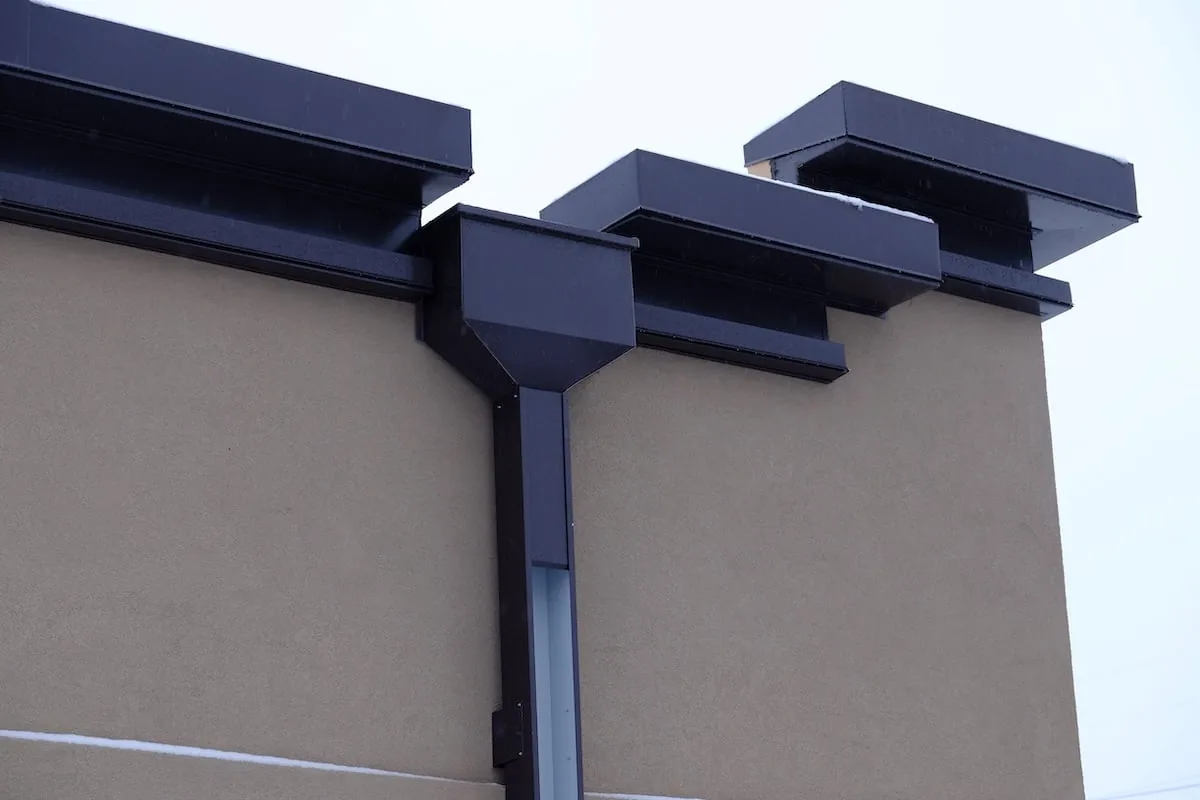
At a skylight, we check the frame, curb corners, membrane, metal counterflashing, and sealant joint. A split at one corner can direct water beneath a flashing leg before the leak appears inside. We look for lifted laps, loose fasteners, rust, staining, and old patches. The surrounding roof matters too: a drain path that holds water against the curb can keep the detail wet long after rain has stopped.
Penetrations vary by assembly and service. A pipe boot, conduit, HVAC support, or equipment curb needs compatible flashing and enough height above the finished surface. We identify the roof material before choosing a repair product. If the membrane has separated from the curb or the substrate feels soft, we mark the area for testing instead of filling the visible gap with more sealant.
Hillsboro’s annual precipitation total is 35.93 inches, concentrated most heavily from October through January. Repeated wetting can work at a weak corner or fastener, so we photograph the flashing and water path before repair. Our inspection report records the condition, access limits, and any opening needed to confirm moisture below the membrane.
Match flashing to membrane and curb
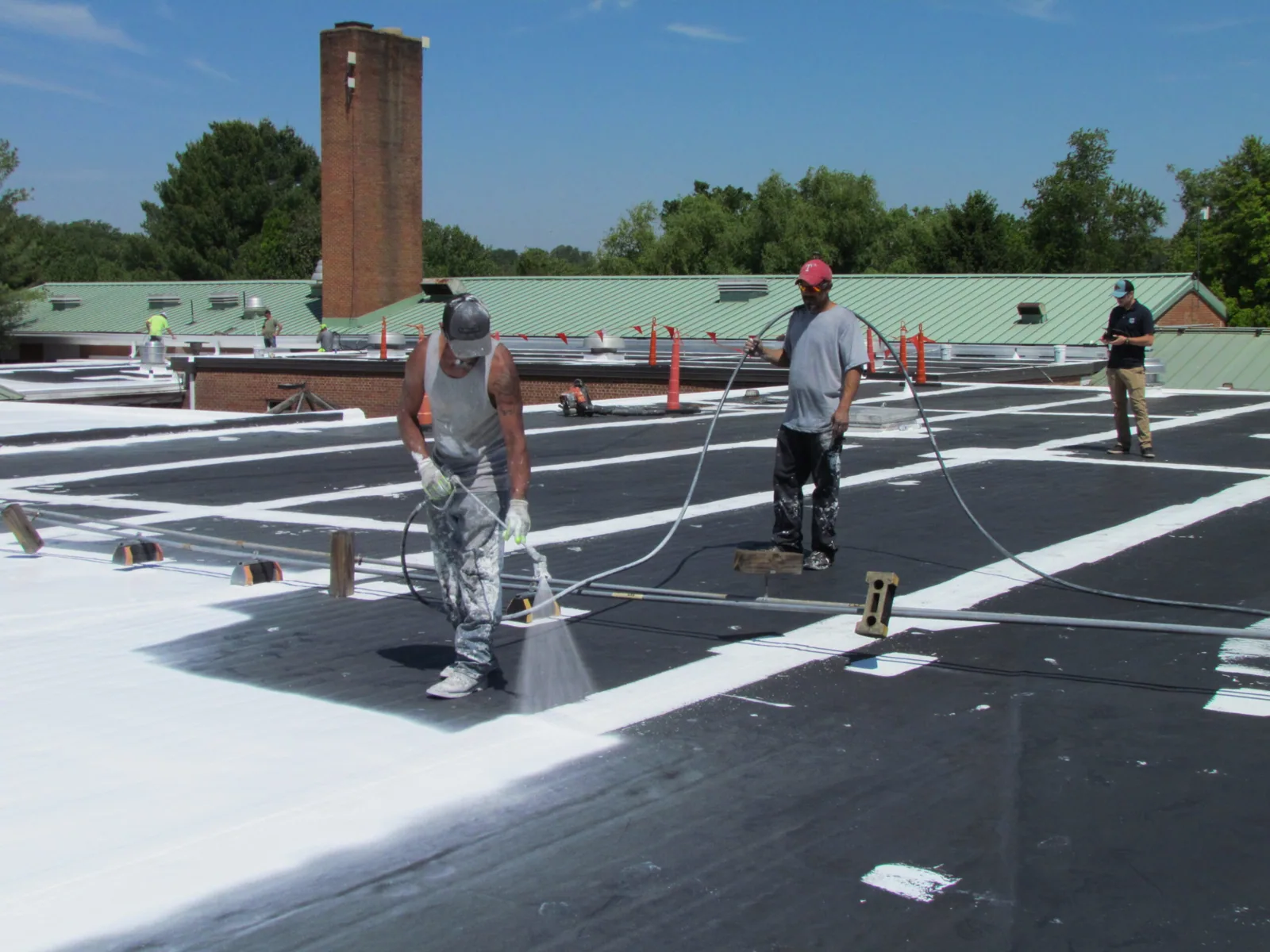
A watertight transition depends on the membrane, curb, and metal working together. We prepare the substrate, remove material that no longer bonds, and extend the flashing onto sound roof field. The lap and termination must suit the system: thermoplastic membranes are welded, while other roofs may need a compatible adhered or liquid-applied detail. The scope names the preparation and tie-in so the repair is clear at closeout.
Skylights also have a frame-to-curb joint above the roof membrane. We inspect the glazing seal, frame corners, and curb cap to distinguish a roof flashing failure from water entering through the skylight unit. If the unit itself is damaged, the owner may need glazing or skylight service alongside the roof repair. We document where the water path begins so trades can address the right connection.
For pipes and conduit, a boot must fit the diameter and remain tight at the membrane. A group of penetrations may need a metal pitch pocket or a curb detail that can be maintained. We check whether later work has added cables or supports through the roof and record any opening that lacks a permanent flashing. A flashing repair scope can separate roof membrane work from unrelated equipment service.
Account for rain and winter movement
At a skylight curb, standing water can press against a corner where metal and membrane meet. Hillsboro has about 64 days annually with daily lows at or below freezing. Cold periods can stiffen exposed sealant and stress a small gap as the detail moves. We inspect the fasteners, counterflashing, and curb height after wet and cold weather, then choose a repair window that lets the selected material bond to a dry surface.
A low curb becomes more vulnerable when added roof layers reduce its exposed height. We measure the finished assembly and confirm whether the flashing can remain above the water plane. If a recover is planned, the overlay assessment should include curb extensions or replacement where required. The final detail must preserve enough vertical flashing and leave a clear route for water to reach the drain.
Orenco Station is centered on the MAX Blue Line. For occupied buildings, we plan access to skylights and rooftop equipment with the property manager, especially where the roof route crosses service activity. The curb and opening are measured on the building being repaired.
Repair the curb without hiding the opening
A localized repair can replace a boot, rebuild a curb corner, reset counterflashing, or re-weld a membrane lap. Where the curb metal is corroded or loose across several sides, a longer replacement may be needed. We remove failed material far enough to expose a stable edge, prepare the substrate, and connect the new flashing to secure membrane. A patch that stops short of sound material leaves the same path available to water.
If the leak has wet insulation, we map the affected area and confirm the removal boundary. A scan may help locate a test cut, but an opening shows the roof layers directly. We include dry insulation replacement and any deck repair supported by the findings. For a repeated problem around rooftop units, a broader insulation and cover board review may clarify whether movement beneath the curb is affecting the flashing.
185th Avenue moves people and goods across the westside. Commercial facilities near that route may have active service and loading schedules, so we confirm access before bringing materials to a skylight or equipment zone. Work timing changes by property; the repair materials and tie-in are chosen from the roof assembly.
Close the detail and record the repair
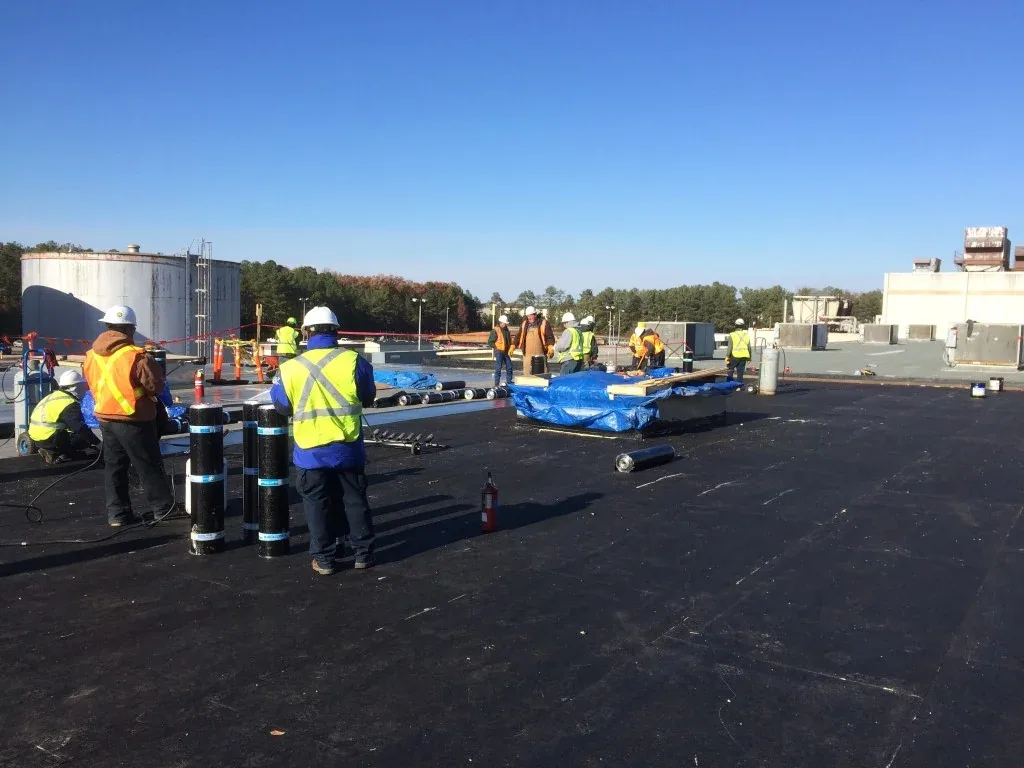
We protect the opening, remove loose flashing, and inspect the curb and substrate before rebuilding the transition. The crew installs compatible membrane or metal, secures each lap, and seals the upper termination as the system requires. If rain threatens before the repair can be closed, we cover the area and return when the roof is suitable for permanent work.
On an occupied building, we keep the walkway clear and coordinate with any team responsible for the skylight, HVAC, or electrical equipment. Once work is complete, we inspect the perimeter of the repair and photograph the final detail from more than one angle.
The closeout identifies the skylight or penetration, material installed, any test opening, and conditions left for separate attention. Owners can compare those photographs with future maintenance walks. For active leaks, response is available at any hour of the week, including holidays; we protect the interior first and return for the permanent flashing repair when conditions allow.
Price the opening and its surrounding roof
Cost follows curb size, penetration count, membrane type, metal condition, access, insulation removal, and the repair length needed to reach sound material. A skylight frame that needs a separate glazing repair is a different scope from roof flashing. We identify that boundary and list any testing or concealed work that could change quantity.
Photos, dimensions, and a marked roof plan help the owner compare the repair with nearby penetrations. A condition record can note which curbs were repaired and which remain for maintenance. Where several details need attention, we group them by roof area so access and protection are planned together.
For buildings near Downtown Hillsboro, we confirm the service entrance and ground protection with the property contact. Downtown Hillsboro is one of Metro's designated regional centers. Each repair follows the access and safety rules of the building.
Questions About Commercial Skylight and Penetration Flashing
How do you find a leak around a skylight?
We inspect the frame, curb corners, membrane turn-up, metal flashing, and roof field around the opening. If the surface does not show how far moisture extends, we propose a scan or opening tied to that question.
Can you repair the flashing without replacing the skylight?
Often, when the unit and curb remain sound. We separate the roof membrane transition from the glazing and frame joints, then identify any work that belongs with a skylight service provider.
What if new roof layers lower the curb height?
We measure the finished surface and check the remaining flashing height before specifying a recover. The scope may call for a curb extension or replacement so water cannot overtop the detail.
Do pipe boots need to match the roof membrane?
Yes, the boot and flashing material must suit the membrane and penetration. We verify the pipe size, surface condition, and termination before choosing a replacement detail.
Can you respond while a leak is active?
We respond around the clock, including holidays, to protect the interior and secure an opening where conditions allow. The permanent repair follows after the surface can be prepared and closed correctly.
Repair a Hillsboro roof penetration
Share the leak location, roof access details, and any interior impact. We will inspect the curb or penetration, mark the repair boundary, and document the finished flashing.