
Infrared Roof Moisture Survey in Hillsboro, OR
Map suspected roof moisture in Hillsboro with infrared imaging, field verification, and marked test locations before repair or replacement scope is set.
Infrared Roof Moisture Survey
A roof surface can look intact while insulation below holds moisture. An infrared survey maps temperature patterns that may point to a different roof condition, then directs field checks to specific areas. In Hillsboro, OR, we explain what the image can and cannot establish before testing begins. Weather, surface conditions, roof construction, and equipment can affect the reading. We compare the map with roof details and verify suspect areas through a permitted core cut or other appropriate inspection. That sequence helps set a repair boundary without treating a color variation as proof of wet insulation.
Related Roofing Pages
More pages on commercial roofing in Hillsboro:
Set the survey conditions and coverage
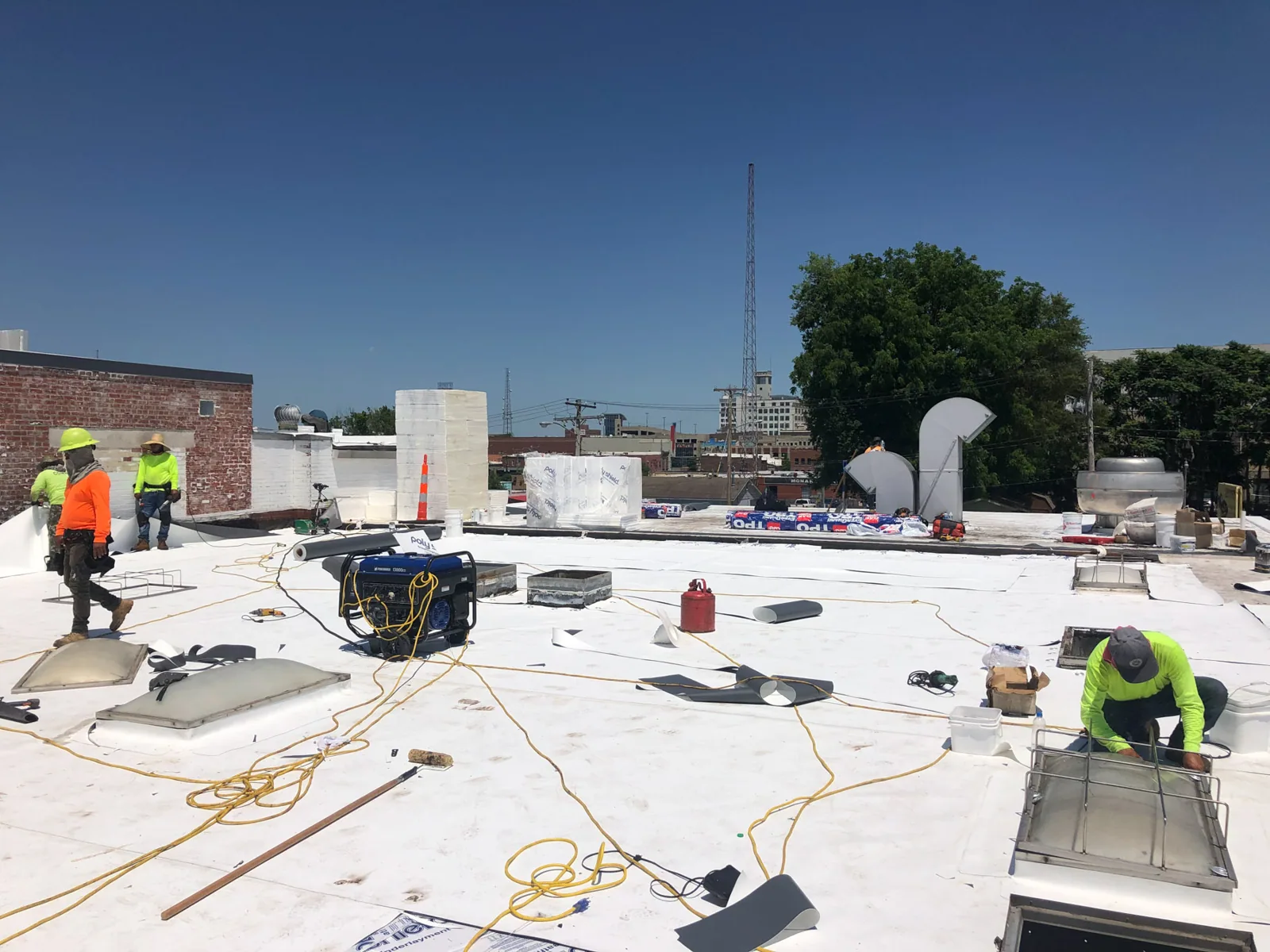
We review the roof plan, membrane type, insulation layers, known leaks, recent repairs, drains, and equipment before choosing a survey method. The survey area and timing are stated in the scope. Infrared readings require suitable conditions and an interpretable surface response; wet roofs, recent rain, shading, rooftop units, and mixed assemblies can affect the image. Hillsboro’s 35.93-inch annual precipitation normal peaks from October through January. For infrared work, the useful scheduling question is when the roof last received rain and whether the surface response will allow a meaningful thermal comparison. A survey is planned around the actual roof condition and weather window, not those averages alone. We ask when the surface was last wet, whether the roof has a coating, and where equipment may retain heat or shade a section.
The result is a map with marked anomalies and an explanation of survey coverage. If some areas were inaccessible or unsuitable, we label them. A drone inspection can help document roof layout and visible surface conditions, but it does not confirm moisture within the assembly.
Verify patterns before calling them moisture
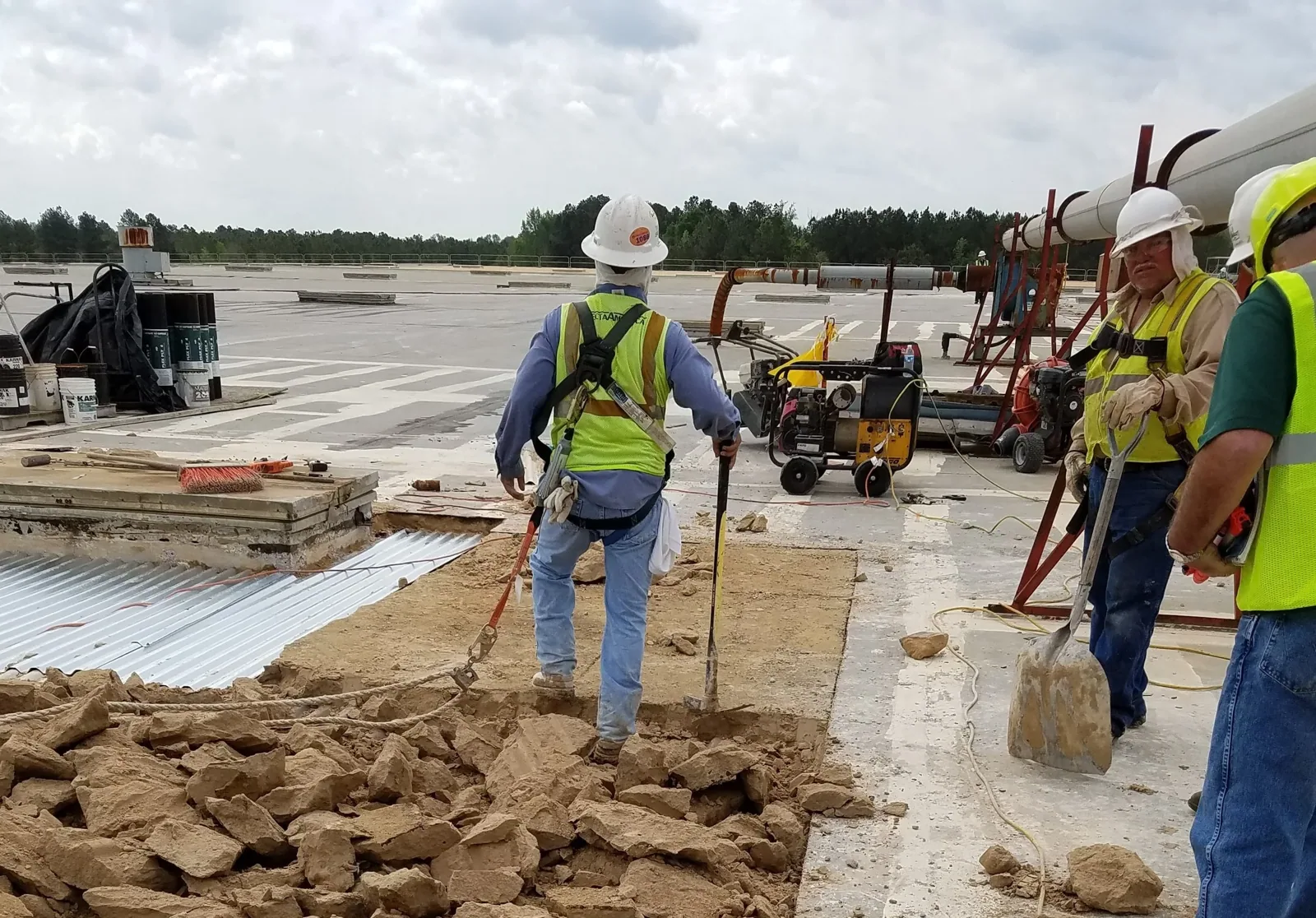
An infrared pattern is a lead for inspection. We compare each marked area with seams, drains, penetrations, prior repairs, interior leak reports, and the roof's layer transitions. A temperature difference can have a cause other than moisture, so the image does not authorize removal on its own. When a suspected area matters to the scope, we recommend a test opening in a location the owner approves. We record what the core shows and relate it to the mapped area.
Hillsboro includes semiconductor manufacturing and medicine manufacturing, packaging, and distribution operations. Where equipment or operating hours affect access, we coordinate the location and timing of a test opening with the building contact, then protect the exposed assembly until it is repaired or closed.
For an active leak, we may need immediate leak repair before a broad survey can be scheduled. We keep the active entry, mapped anomaly, and test-confirmed wet material as separate findings so the owner knows which part supports each action.

Use verified areas to define the scope
After field checks, the owner can compare the marked wet areas with sound insulation and repairable membrane. We show where removal may be needed, where a patch might work, and where another opening could settle the boundary. The map is not a replacement design. Deck condition, attachment, drainage, flashing height, and the assembly's compatibility still have to be reviewed before the repair method is selected.
For a localized defect, a commercial roof repair can replace wet material, restore the membrane, and close the tie-in at dry substrate. A broader pattern may justify pricing a replacement or evaluating a recover only after moisture is removed and code requirements are considered. A marked condition report connects readings, test locations, photographs, and the proposed work boundary.
The owner's decision is easier when each option addresses the same verified area. We separate survey fees, test openings, removal quantities, and repair pricing rather than combining uncertain conditions into one unexplained allowance.
Relate moisture findings to Hillsboro weather
Rainfall and freezing periods can change how a roof behaves between survey and repair. Minimums are at freezing or lower on about 64 days in a normal Hillsboro year. We record actual surface conditions at the survey and field check, since temperature affects both interpretation and the timing of a test cut. At the roof, trapped water near a drain or seam can freeze and thaw; the survey still needs field confirmation before anyone attributes a pattern to water. The regional corridor on 185th Avenue carries people and goods through Washington County. A survey visit still needs the property’s approved entrance and work hours before equipment reaches the roof. Near that route, commercial access and delivery patterns are part of property coordination, not a substitute for testing. We confirm the actual loading point, equipment restrictions, and roof access at the building. In the Tanasbourne and AmberGlen area, we confirm the roof assembly and access rules at each property before setting a survey route.
A survey performed after repair can provide a new comparison only when coverage and conditions are suitable. We label the date, areas captured, and any changes that limit comparison, then recommend a roof walk where the next decision depends on a visible seam or penetration. Each marked area stays tied to its roof section and test result.
Give the map a clear next action
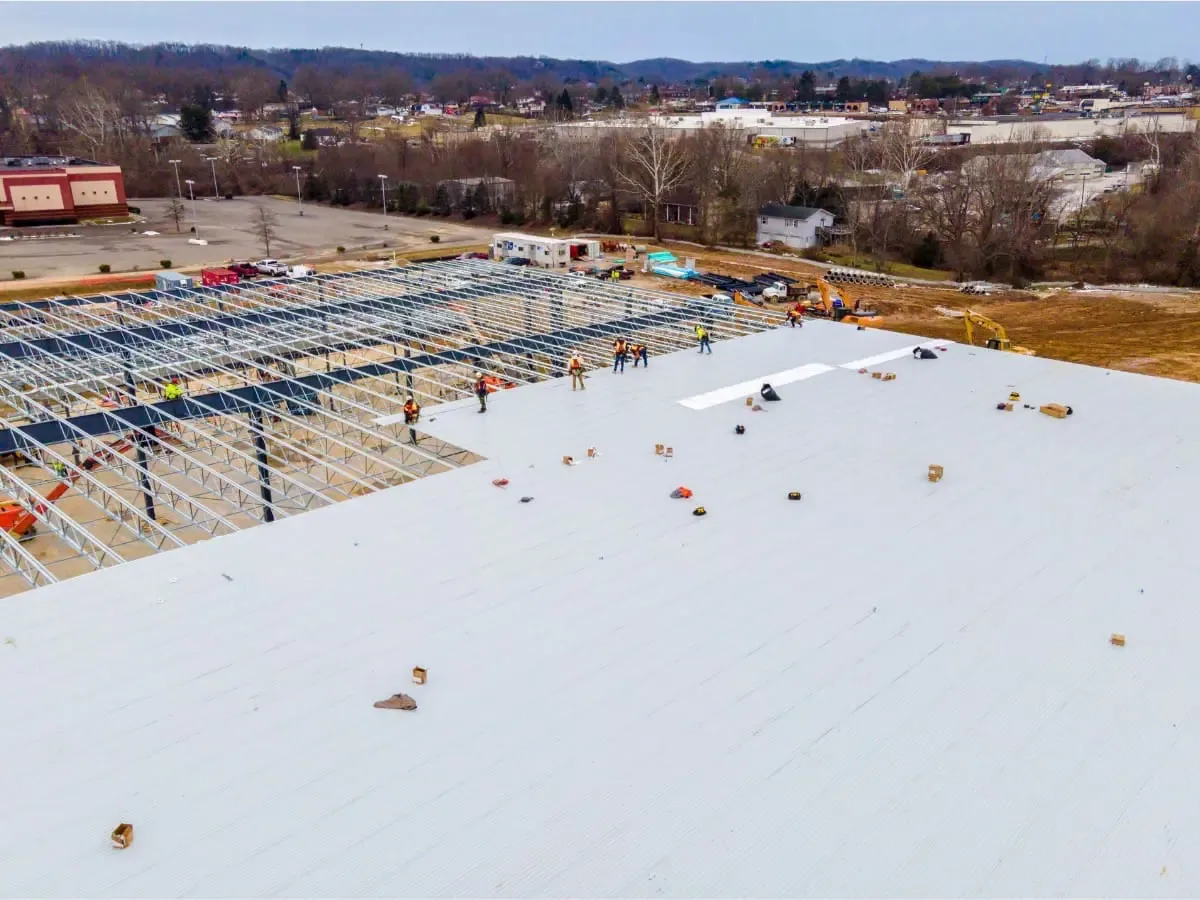
The deliverable identifies the roof sections surveyed, mapped anomalies, inaccessible areas, test locations, and results of verification. Photos connect each test to its surrounding membrane and flashing. We note where the pattern supports moisture and where evidence remains inconclusive. The owner can then direct a repair, authorize another opening, or budget the affected section without treating the entire roof as one condition. On a broad roof, we group marked areas by section and nearby details so the field crew can find each location without relying on a color patch alone.
For multi-building owners, marked maps help compare findings without assuming the roofs share an assembly. A portfolio program can keep each property, survey date, and repair boundary distinct. Maintenance staff can use the record to check drain bowls and seams near verified areas after the next wet season.
We review the results with the property contact and connect them to scope and timing. If the roof can be repaired, we identify the dry tie-in and material needed. If a larger replacement is under review, the map shows where removal quantities came from. A survey should narrow a decision, not leave the owner with a color image and no repair path.
We label each image with the roof section and capture date, then retain the field-check result beside that location. This makes it easier to revisit the same area without treating a later temperature pattern as the original finding.
Questions About Infrared Roof Moisture Survey
Does an infrared image prove the roof insulation is wet?
No. It shows temperature patterns that may indicate a difference in the assembly. We check the pattern against roof details and verify important areas with an approved test opening before pricing removal.
What conditions can affect an infrared roof survey?
Recent rain, surface moisture, shading, equipment heat, coatings, and mixed roof layers can affect interpretation. We review timing and coverage, then label areas that need another inspection method.
Do test cuts come with the survey?
They are scoped separately and made only with the owner's approval. We identify the locations and the question each opening should answer, then photograph the layers and restore the assembly after examination.
How does the survey change a repair estimate?
Verified moisture can establish removal boundaries and quantities. The map helps compare a localized repair with a larger replacement option, while deck, attachment, drainage, and flashing details remain part of the final assembly review.
Can infrared findings be compared after a repair?
Sometimes, if survey conditions, coverage, and roof construction allow a useful comparison. We record those details and avoid treating a change in color alone as proof that moisture has cleared.
Map a suspected moisture area
Share the leak history, roof records, and access requirements. We will define survey coverage, identify areas for owner-approved verification, and connect confirmed findings to repair options.