
Multi-Site Commercial Roof Programs in Hillsboro, OR
Coordinate roof inspections, repairs, and budgets across Hillsboro properties with consistent records, property-specific scopes, and clear follow-up.
Multi-Site Commercial Roof Programs
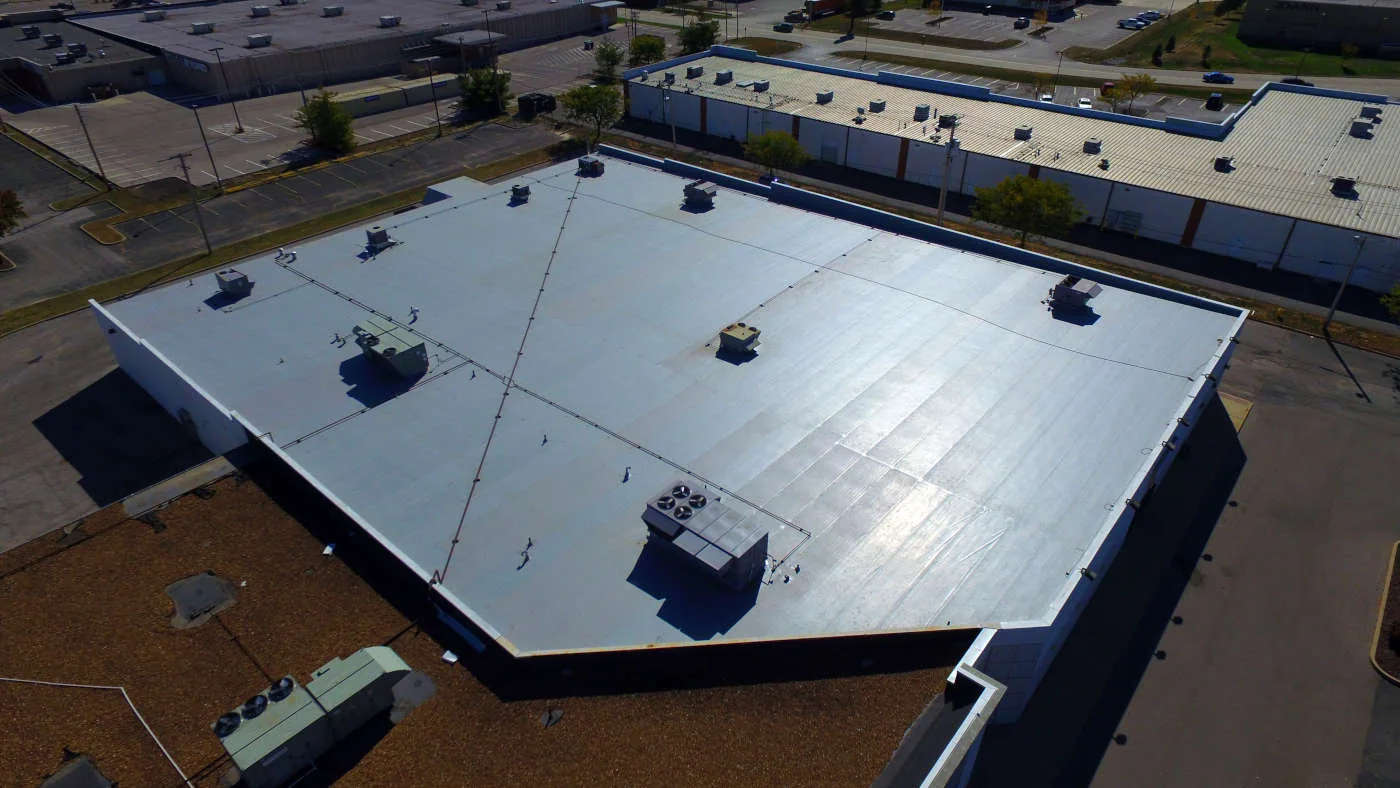
A portfolio schedule works when the same label does not hide different roof conditions. In Hillsboro, OR, we can inspect multiple properties, mark each roof area, and keep a separate scope for the assembly and access plan at each building. One site may need drain work before rain, while another needs a seam repair or a replacement comparison. We organize the findings so ownership can see shared priorities without treating every roof alike. A roof asset register connects each visit, repair, and open question to the property it belongs to.
Related Roofing Pages
More pages on commercial roofing in Hillsboro:
Set one schedule with property-level access
We begin by listing the buildings, contacts, roof access method, operating windows, and records available for each visit. Manufacturing, medicine production and distribution, offices, and retail spaces can have different equipment zones and tenant schedules. We confirm escorts, loading points, roof routes, and work-hour restrictions with each site contact. A shared calendar can group nearby inspections, but the field sheet remains specific to each roof and identifies any area that could not be reached.
Hillsboro includes advanced technology manufacturing and medicine production, packaging, and distribution operations. That local mix makes equipment clearance and operating coordination part of any multi-site program. We record the constraints supplied for the properties in scope and plan the inspection accordingly. A roofing plan for an occupied building can sequence work around active operations while retaining a clear repair boundary.
Where a site reports an active leak, we prioritize stabilization before routine surveys continue. Emergency response is available overnight, on weekends, and on holidays. We document temporary protection separately from permanent repairs, then schedule the return after a safe work window is available. That keeps an urgent visit from disappearing into the portfolio's regular maintenance calendar.
Keep unlike assemblies in separate scopes
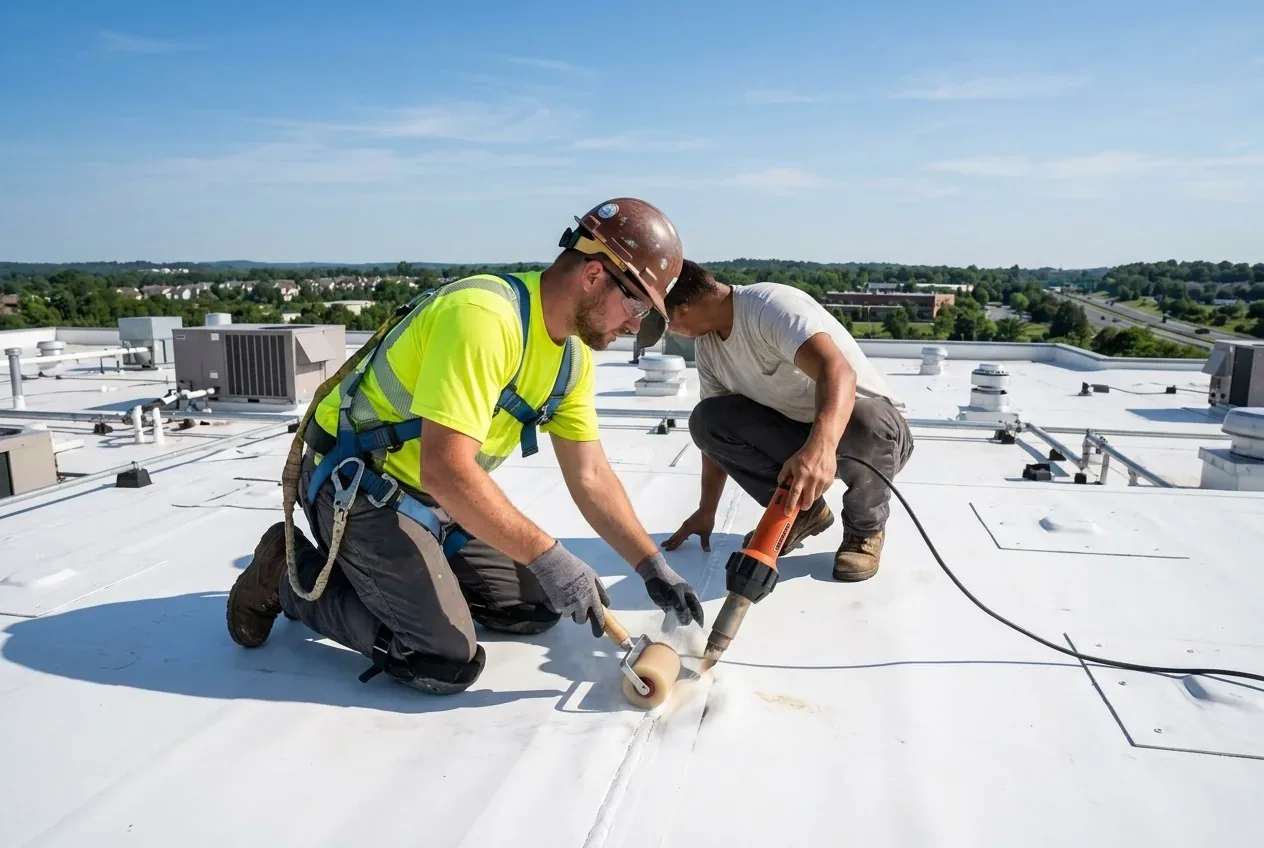
A single portfolio can include adhered membrane, mechanically attached sheet, built-up roofing, coatings, and metal panels. We identify the visible system at each property and verify records when a detail remains uncertain. The scope names compatible preparation and repair materials for that assembly instead of carrying one specification across every building. A TPO roof has different seam work from a standing seam metal assembly; both need the substrate and termination inspected before the repair is set.
Condition drives the next step. A localized puncture may need a patch, while repeated moisture indications or loose attachment can call for testing or broader replacement review. We mark the area and explain what observation supports the selected work. If a coating is proposed, we first check adhesion, moisture, drainage, and the condition of the base assembly. A restoration scope is separated from removal and replacement where the roofs differ.
For several buildings, records should still distinguish completed work from planned work. We note material, preparation, tie-in, and photographs by property and roof section. If an opening reveals wet insulation, we pause at an agreed boundary and present the added scope. A common reporting format helps compare properties, while the repair decision stays attached to the actual assembly.
Group visits around local weather exposure
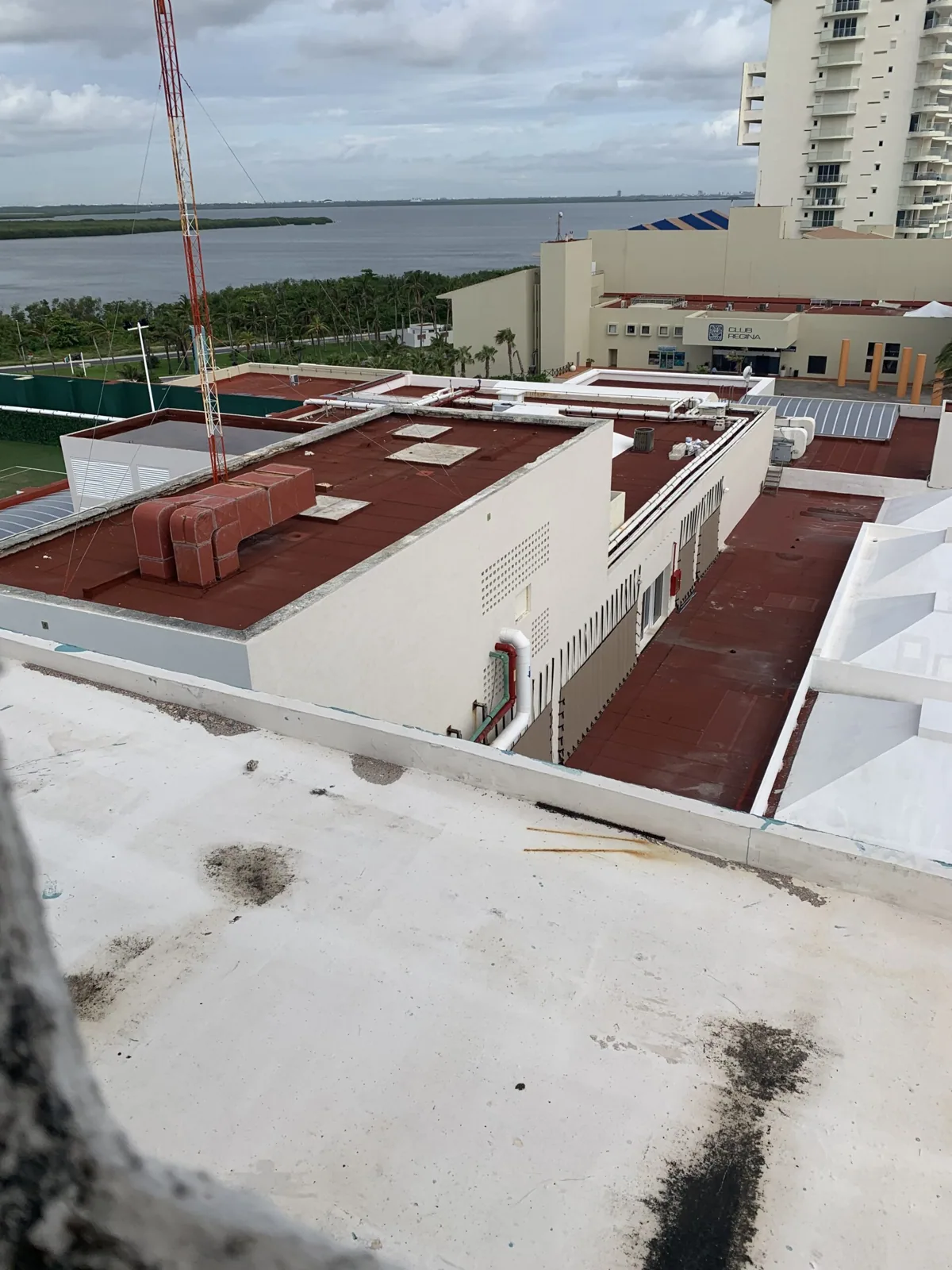
Recurring rain makes open laps and restricted drainage useful program priorities. Annual precipitation normals total 35.93 inches at Hillsboro, with October through January the wettest months. For a portfolio, we list which roofs have restricted outlets and which still need a drainage inspection before that period. The program calendar assigns each unresolved outlet to a building contact and a planned return window. We can schedule a roof walk before that period to inspect drain bowls, overflows, curbs, and prior tie-ins. The normal informs the visit timing; each repair still depends on what the building's roof shows.
Winter scheduling deserves a site-by-site check in Hillsboro: the airport's long-term record shows recurring overnight freeze conditions, so each building's drains and exposed piping get their own check. We flag low areas, exposed piping, and outlets that hold water for a return visit, then record the observed blockage, membrane condition, or drainage-plane issue at that property. A ponding-water assessment belongs to the affected roof, not to every location in the program.
Near Orenco Station, mixed-use access routes may influence how a visit is arranged; the property contact confirms the correct entrance and work window. Along Tualatin Valley Highway, deliveries and traffic timing may affect mobilization, but not the roof condition. We group trips where practical and preserve each building's access and findings as separate records.
Compare findings without flattening the detail
Portfolio summaries can sort roofs by active leak, drainage concern, repair, testing need, or capital review. Each status should link back to marked photos and a roof area. We do not rank a roof by age alone or assign a remaining-life figure without supporting evidence. If the condition of insulation or deck is unknown, the program lists the test that would resolve the uncertainty and keeps it out of the confirmed repair column.
For each visit, we can use a hands-on roof inspection, drone imagery, or infrared survey when suitable. A scan may direct attention to an area, while a test opening confirms hidden layers. We record the method and its limits. A roof inspection can also identify work completed since the prior visit, so the portfolio record distinguishes a recurring defect from a new condition.
Downtown Hillsboro and the Tualatin Valley Highway corridor are different settings for a roof visit: a compact regional center in one case, an arterial lined with commercial properties in the other. We group nearby visits by area, and each building's entrance, loading point, and hours come from its manager.
Give ownership a repeatable closeout
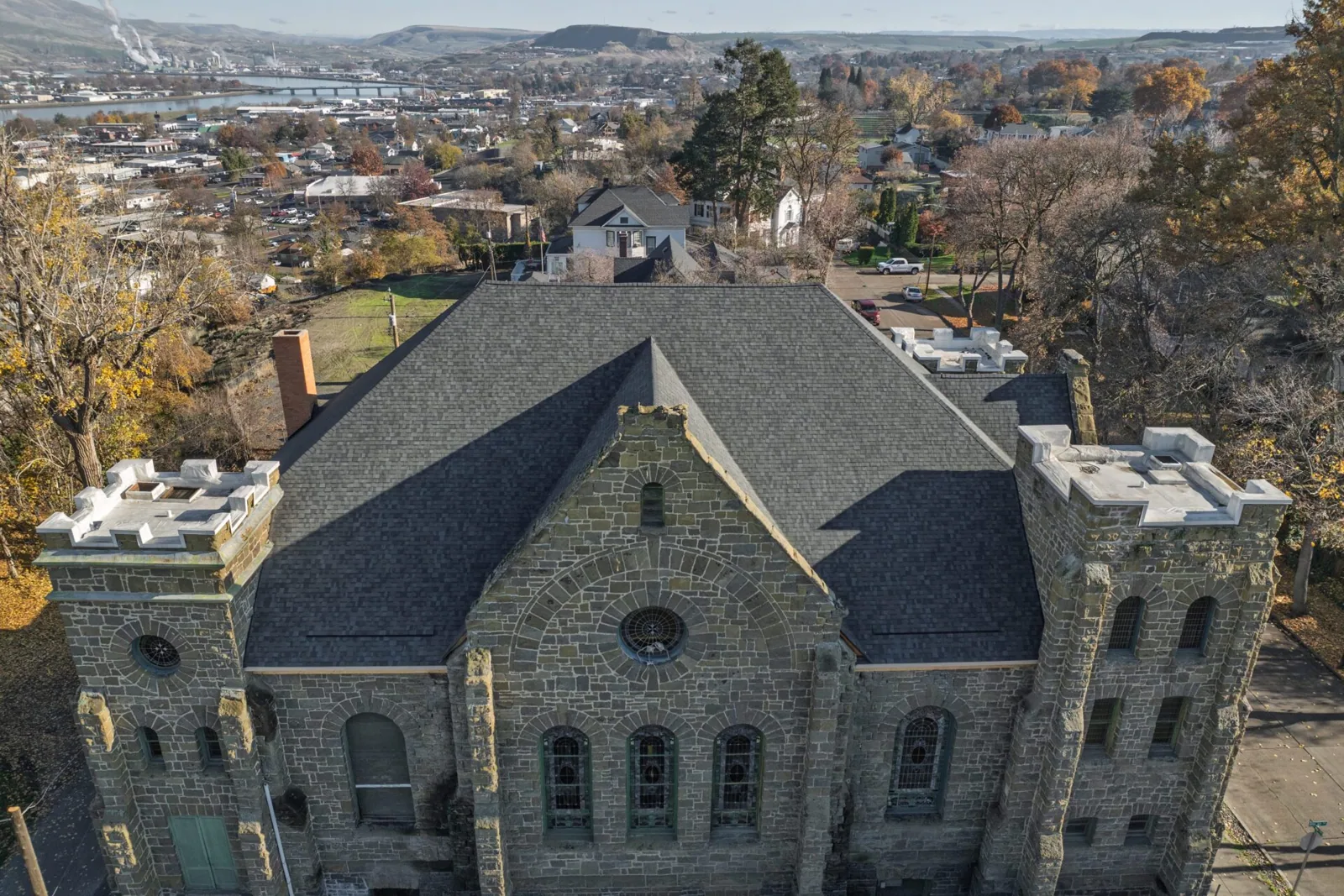
At closeout, we provide marked photos, work completed, materials observed, roof areas still open, and a follow-up date when one is needed. The same property identifiers appear on the proposal and field record, making it easier to review an invoice or plan the next roof walk. We can roll confirmed repairs into a condition report and use that information for capital timing without changing the factual observations.
A central contact can receive a summary across the program, while site contacts get the access and work notes relevant to their building. We keep tenant or operational restrictions with the correct property and identify any approved work window before a crew arrives. If a site has an unresolved opening, it remains visible as an urgent item instead of being buried in a general portfolio status.
Our work includes inspection, repairs, replacement, recovery, coatings, and preventive maintenance for commercial low-slope and metal roofs. We can coordinate recurring visits and single-project scopes across a group of properties. The owner receives practical next steps: what was seen, where it was found, which repair is proposed, and what still needs testing or budget approval.
Questions About Multi-Site Commercial Roof Programs
Can one program cover different roof systems?
Yes. We can use common property identifiers and reporting fields while specifying preparation and repair by assembly. Each roof keeps its own materials, condition, access notes, and scope so unlike systems are not treated as interchangeable.
How do you choose which property to inspect first?
Active leaks, open details, drainage concerns, and known moisture take priority. We also consider access windows and scheduled building work. The visit plan records the reason for sequencing, then adjusts when new findings change the urgency.
Will a multi-site report show every repair that is needed?
It shows the areas inspected and conditions visible during the visit. Concealed layers or inaccessible roof sections may require testing or a return. We list those limits and the next step rather than treating uninspected areas as clear.
Can visits be grouped to reduce disruption?
We can coordinate nearby properties and shared scheduling where access permits. Each site still needs its own contact, entry instructions, and roof route. The report keeps individual findings separate even when visits occur on the same day.
How are emergency calls handled within the program?
An active opening is prioritized for safe protection, with temporary work documented apart from the permanent scope. We record the affected roof area, what remains exposed, and the planned return so the urgent condition stays visible to ownership.
Coordinate roof work across your properties
Send the property list, available roof records, site contacts, and access windows. We will organize inspections, keep each roof's findings distinct, and prepare repair or capital scopes tied to the actual assembly.