
Storm Damage Roof Repair in Hillsboro, OR
Respond to storm damage on Hillsboro commercial roofs with leak protection, marked inspections, repair boundaries, and documentation for follow-up work.
Storm Damage Roof Repair
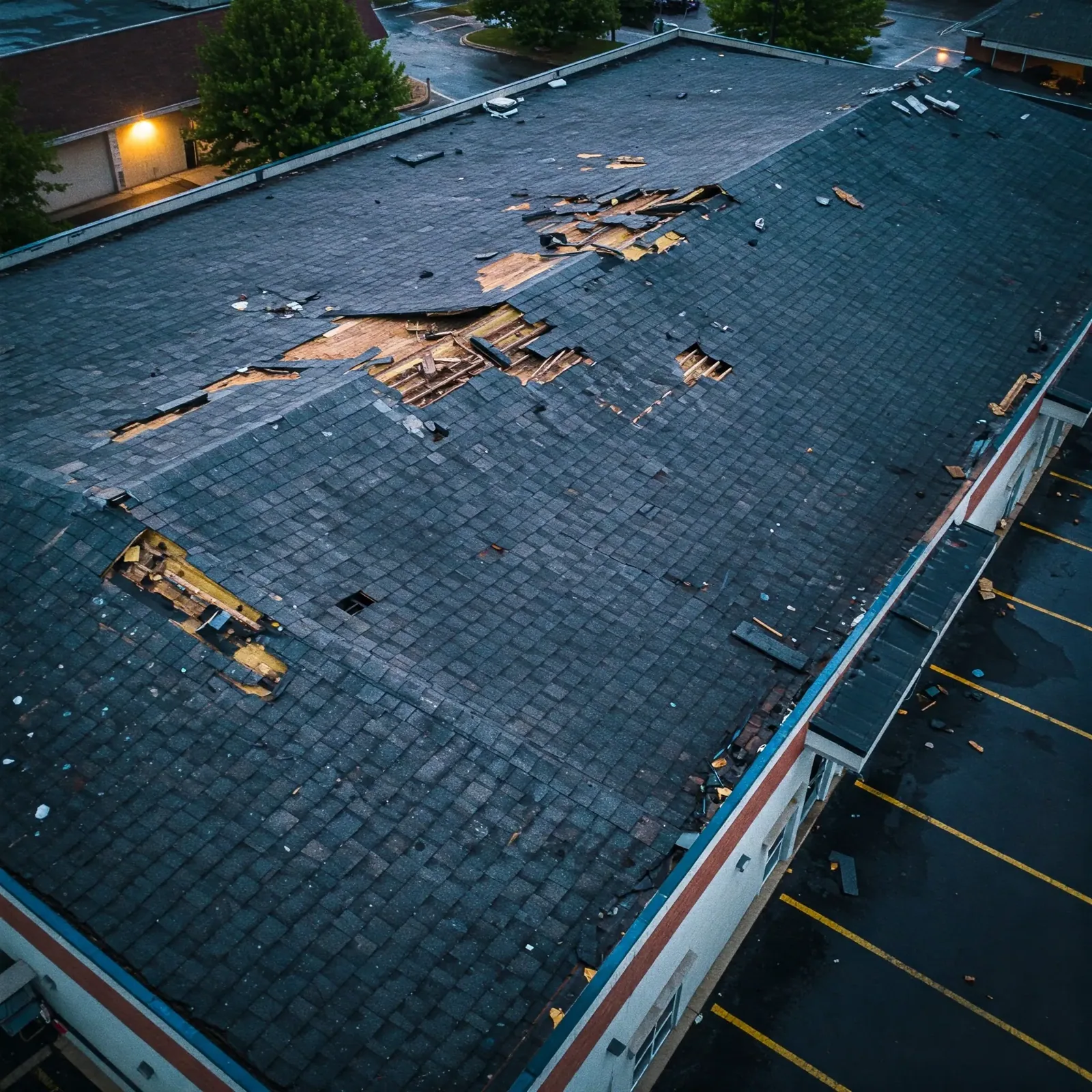
A lifted edge or displaced cap sheet shows where wind found movement, but the repair has to follow the damage into the assembly. In Hillsboro, OR, we first protect the interior, then mark the affected roof area and trace water to seams, penetrations, and insulation. A photograph of the visible opening is useful; a repair scope also needs the boundary where the membrane is still secure. For an active opening, call at any hour; the property contact confirms safe access. We document interim protection separately, then plan permanent commercial roof repairs after conditions allow a safe inspection.
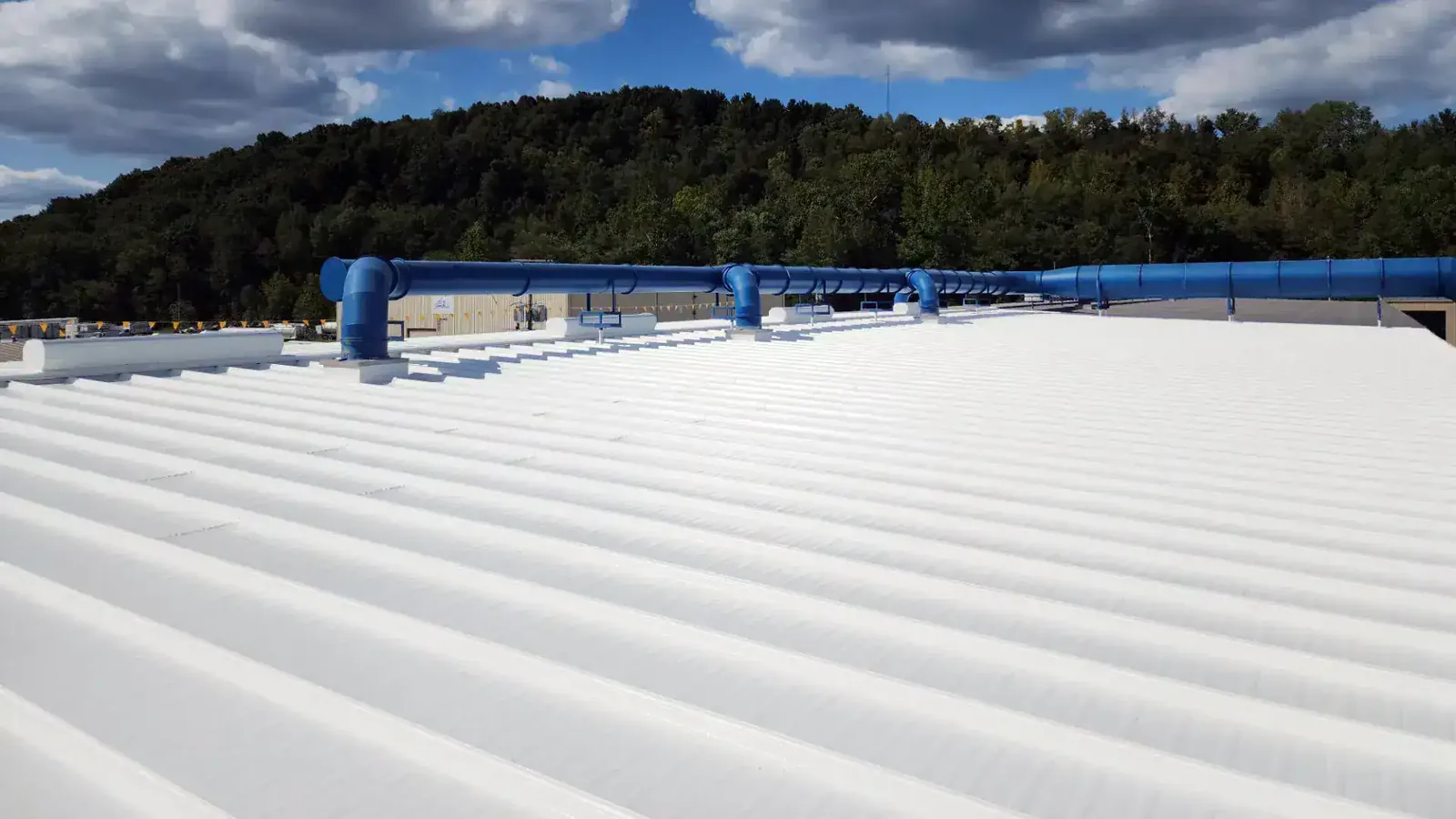
Related Roofing Pages
More pages on commercial roofing in Hillsboro:
Stabilize the opening before the next rain
Water entering near a rooftop unit can travel beneath the membrane before appearing in a ceiling tile. Our first visit identifies active entry, protects exposed materials, and limits further water movement where the roof can be reached safely. We photograph temporary protection and note what remains open. The airport's 1991 to 2020 precipitation normal runs 35.93 inches a year, with the largest monthly totals in fall and early winter. During a storm call, we record the opening, interim cover, and drainage nearby before setting permanent work. A damaged lap left through that period can admit repeated water before the interior complaint becomes clear. We check drains and overflows while securing the opening, because backed-up water can reach a temporary tie-in from another direction. If the roof is unsafe or conditions prevent a proper repair, we protect the building and schedule the permanent work for a workable window.
For a fast response, provide the leak location, rooms affected, roof access route, and any equipment restrictions. Those details help us reach the right area without crossing production or service zones. Near Downtown Hillsboro, occupied office and civic properties may have pedestrian access below the work area. We coordinate the roof route and ground protection with the site contact before staging materials.
Map damage beyond the visible mark
We inspect perimeter metal, coping joints, membrane seams, exposed fasteners, skylight curbs, penetrations, and rooftop equipment supports. The pattern matters: a loose section at one edge can point to a larger attachment question, while a puncture beside a service path may be isolated. We mark each finding, compare it with prior repairs, and note areas hidden by equipment or unsafe to approach. A hands-on roof assessment records the system and the evidence behind each repair decision.
Moisture below the surface changes the repair boundary. A ceiling stain alone does not identify how far wet insulation extends, so we compare the reported interior location with roof seams and drainage above it. When a scan or test cut would help define removal, we identify the area and explain what result would change the scope. We remove unstable material before closing the assembly.
Semiconductor manufacturing and medicine packaging and distribution are part of Hillsboro's building mix. At process-oriented buildings, we confirm site rules and keep service paths open while covering the damaged area. If the opening exposes wet material, we inspect the insulation and cover board before closing it.
Choose a repair that reaches sound material
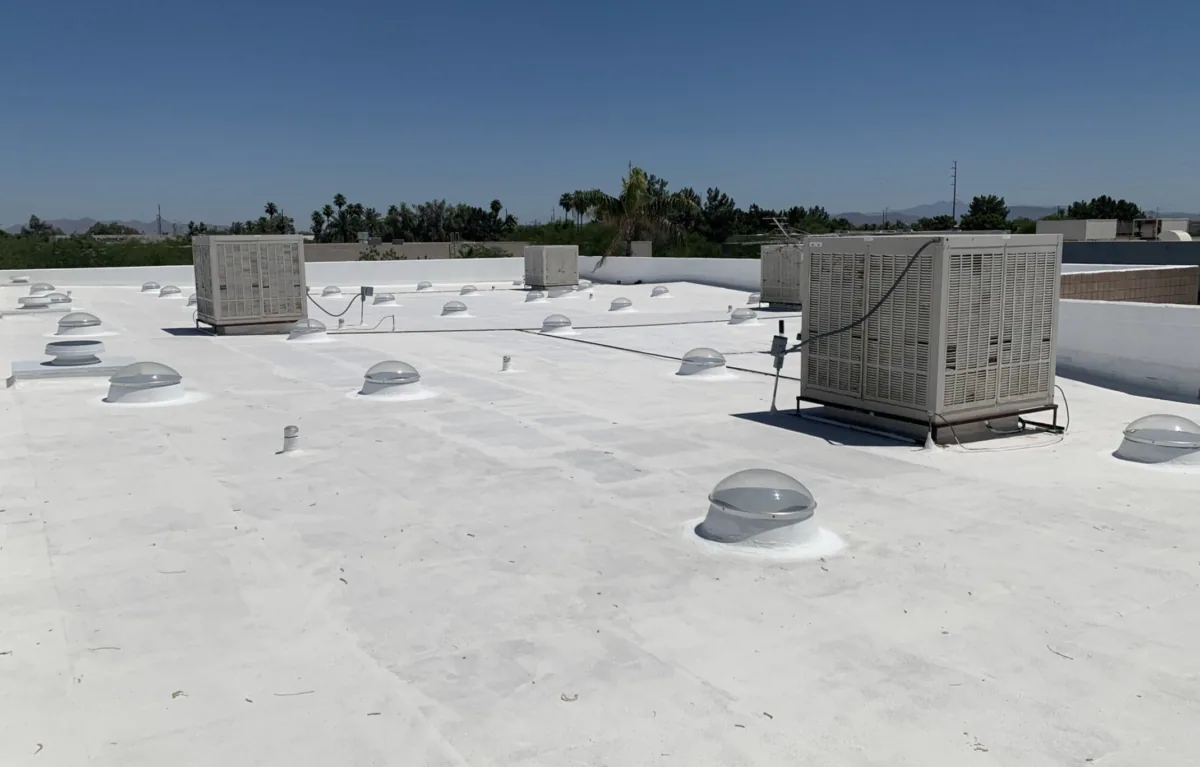
A membrane patch needs sound material on every side, a prepared surface, and a compatible tie-in. For thermoplastic roofing, we examine the weld and surrounding sheet; for an adhered system, we check whether the surface remains bonded. Metal repairs may require replacing a fastener, seam seal, panel section, or edge component. The scope names the assembly and repair method so a temporary cover does not become the only record of the storm damage.
Winter brings another condition to the decision. About 64 days each year in Hillsboro have daily minimum temperatures at or below freezing. After a storm in cold weather, we inspect exposed terminations and any outlet where trapped water could affect the tie-in. We check exposed laps and water-holding details with that cold-weather cycle in mind after a storm. Cold can stiffen some membranes and leave standing water at a low point, so the repair window and preparation method matter. We dry and prepare the surface as the selected system requires, then inspect the lap and termination after the work is complete. If water entered at a curb or wall, a flashing repair may be more appropriate than a field patch.
Where several roof sections show movement or recurring leaks, we compare local repair with a broader rehabilitation or replacement scope. We identify confirmed damage separately from wear or deferred maintenance. The owner can see which area needs immediate work, which item needs testing, and which condition can be priced with planned capital work.
Keep the damage record tied to the roof
Storm documentation should connect each photograph to a roof location, an interior report, and the repair performed. We prepare a marked plan, record observed materials, note temporary protection, and list areas that could not be inspected. After permanent work, closeout photographs show the finished repair and nearby details. A roof condition report gives property staff an organized record for maintenance and future budgeting.
Response timing depends on conditions at the property. The manager's actual gate, loading point, parking limits, roof-entry route, and available work window determine how equipment is staged and the repair crew is scheduled. Oregon Route 8 links Hillsboro with nearby communities, so we confirm the building's driveway and roof access before dispatch.
For an insurance review, we separate what the roof shows from what needs confirmation. The report can include dates, marked locations, photographs, temporary measures, and completed work. We can also support a claim documentation package with the inspection findings and repair scope. The insurer determines coverage; our record describes the observed roof condition and the work required to restore it.
Price the confirmed work and the open questions
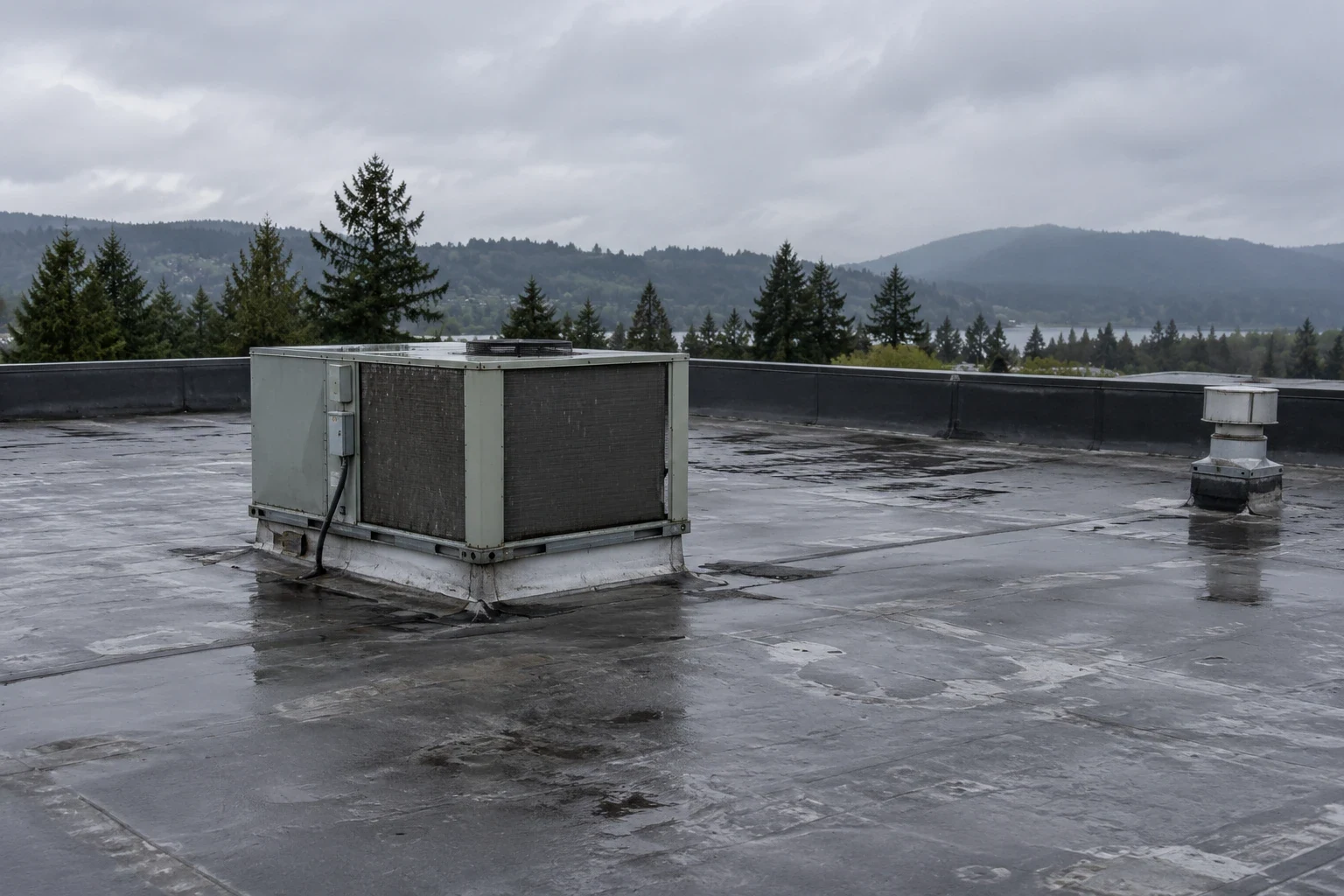
Repair cost depends on access, height, material availability, wet insulation removal, deck condition, flashing complexity, and how much sound membrane remains for a tie-in. A leak that reaches a roof opening after hours may need a temporary visit before the permanent scope can be measured. We show that protection separately from replacement materials or concealed-condition work.
If opening the roof reveals more affected material, we photograph the layers and request direction before extending removal. The final scope identifies labor, materials, and testing tied to what we found.
Return for a permanent closeout
Once weather and access allow, we remove temporary protection as needed, prepare the substrate, replace damaged material, and complete the specified flashing and seam work. We inspect the tie-in and nearby drainage before leaving the area. If rain interrupts the sequence, the exposed edge is protected and the next stopping point is recorded for the property contact.
At a distribution or manufacturing facility, we schedule around service access and equipment needs, and we keep the work zone clear of the operations identified by the manager. A repair should restore the roof without blocking the walk path used to maintain rooftop units. Final photographs and the repair map show where the crew worked and which adjacent conditions remain for a later scope.
Questions About Storm Damage Roof Repair
What should we report during an after-hours roof leak?
Give us the affected rooms, visible water entry, roof access instructions, and restricted equipment areas. We will protect the building, photograph temporary measures, and return to identify the permanent repair boundary.
Can a ceiling stain show the full extent of storm damage?
No. Water can travel beneath the roof before it reaches the interior. We compare the reported location with roof details and use testing when wet insulation cannot be bounded from the surface.
Will you prepare documentation for an insurance claim?
We can provide marked findings, photographs, observed materials, temporary protection notes, and the repair scope. The carrier decides coverage; our records describe the roof condition and work performed.
When can the permanent repair be made?
The roof surface must be safe and suitable for the specified material. We protect active openings first, then schedule preparation and tie-in work for a dry window that allows the repair to bond and close.
What if the repair opening finds more wet material?
We photograph and mark the exposed area, then pause at a clear boundary for review. The proposal identifies removal and replacement separately so the owner can approve the added work with the condition in view.
Get storm damage assessed in Hillsboro
Share the leak location, interior impact, and roof access details. We will protect active openings, mark the affected roof area, and prepare a repair scope with supporting photographs.