
Commercial Fire Damage Roof Repair in Hillsboro, OR
Commercial fire damage roof repair in Hillsboro, OR. We inspect the membrane, deck and suppression-water paths, then document a repair or replacement scope.
Commercial Fire Damage Roof Repair
After a roof fire, the visible burn line does not show every layer that has changed. Heat can affect the membrane and insulation beyond the charred area, while suppression water can travel through openings into the assembly. In Hillsboro, OR, we begin with a controlled roof walk after the site is released for access. We photograph the affected surface, note smoke residue and water entry, and keep an immediate roof inspection separate from any removal decision.
Hillsboro includes process-oriented manufacturing and distribution operations, including Intel's semiconductor production at Ronler Acres and Genentech's drug manufacturing and packaging operation. At a process or distribution property, equipment clearances and operating windows belong in the work sequence. We confirm those limits with the building contact before staging or opening the roof.
Related Roofing Pages
More pages on commercial roofing in Hillsboro:
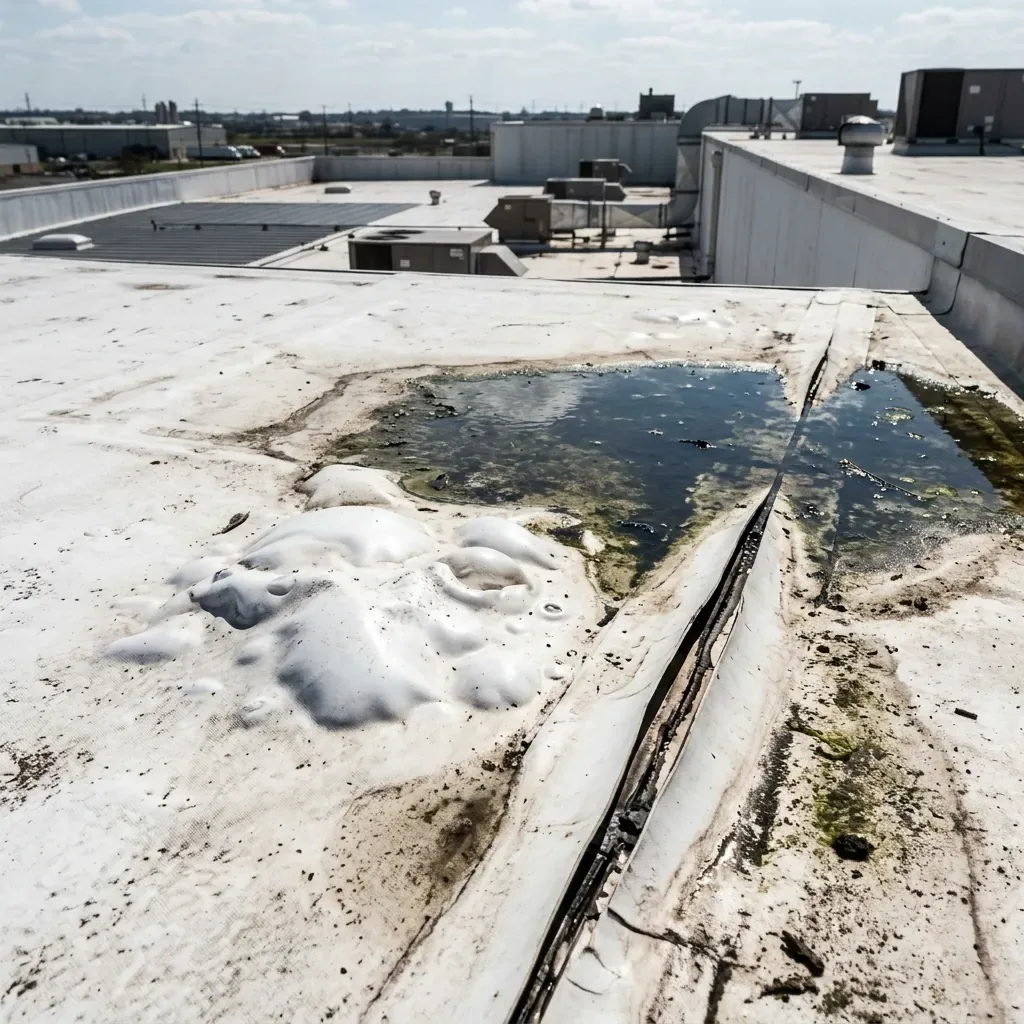
Map heat, water, and smoke exposure
We mark the visible burn perimeter, blistered or displaced membrane, damaged flashing, and any area where the deck can be seen. Heat can soften or distort a roof sheet; the condition of the substrate and insulation below must be checked before the repair limit is set. Suppression water may enter at a seam, curb, or penetration that was not directly burned. Photographs connect each finding with its location on the roof.
Interior staining, odor reports, and water below the roof set the first inspection area. We verify concealed layers with an opening or test before extending the repair boundary. We note where testing or a limited opening is needed to confirm wet insulation or deck damage. A marked condition report separates observed effects from areas that remain inaccessible. If the owner or fire investigator controls access, we wait for that release before entering or disturbing the assembly.
Near Downtown Hillsboro, compact commercial settings can make staging and public routes part of the scope. At a compact commercial property, the contact identifies permitted access, loading, and work-hour limits before we stage. We also inspect drains and overflows so water used during response can leave the roof rather than remain at a low point.
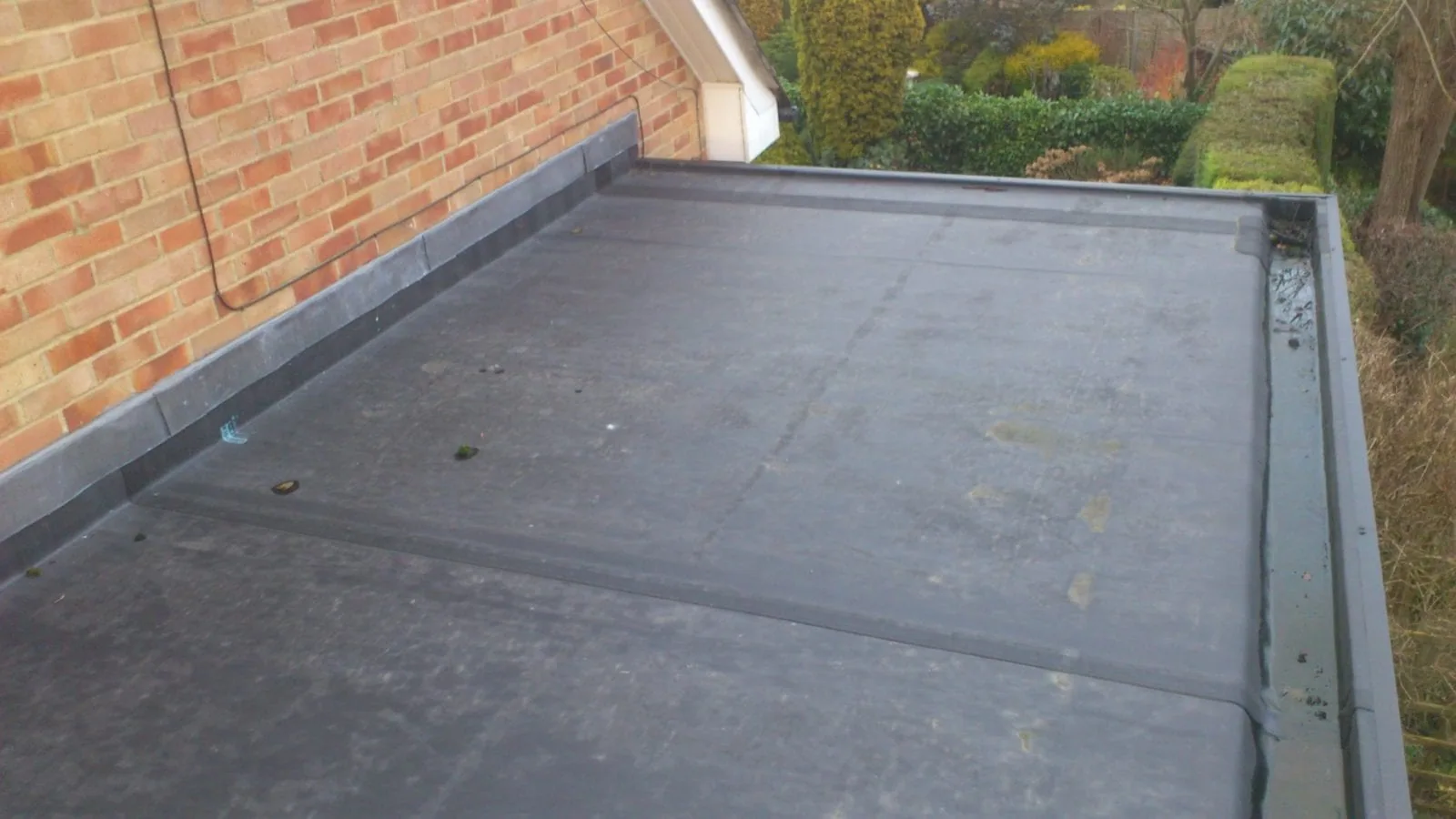
Check whether the assembly can be retained
A roof can be repaired when the affected area is limited and surrounding materials remain sound, dry, and suitable for a compatible tie-in. We remove damaged membrane as needed, inspect the cover board and insulation, and determine whether the deck or attachment requires separate work. A patch over heat-damaged material can hide a weak boundary, so the cut line follows the condition found during inspection.
If suppression water has reached the insulation, we map the extent and decide what must be removed or dried before closing the roof. Smoke residue may affect surfaces where a new membrane or coating would need to bond. We identify the substrate, clean or replace material as appropriate, and document concealed conditions uncovered during the work. A coating is considered only on a suitable, prepared assembly; it cannot restore charred material or wet insulation.
The area near Orenco Station is planned as a mixed-use, transit-centered community. For a roof in that setting, the property contact identifies the approved material route and any occupied entrance requiring protection during removal. We check the actual deck, membrane, drains, and transitions before recommending repair, recover, or replacement.
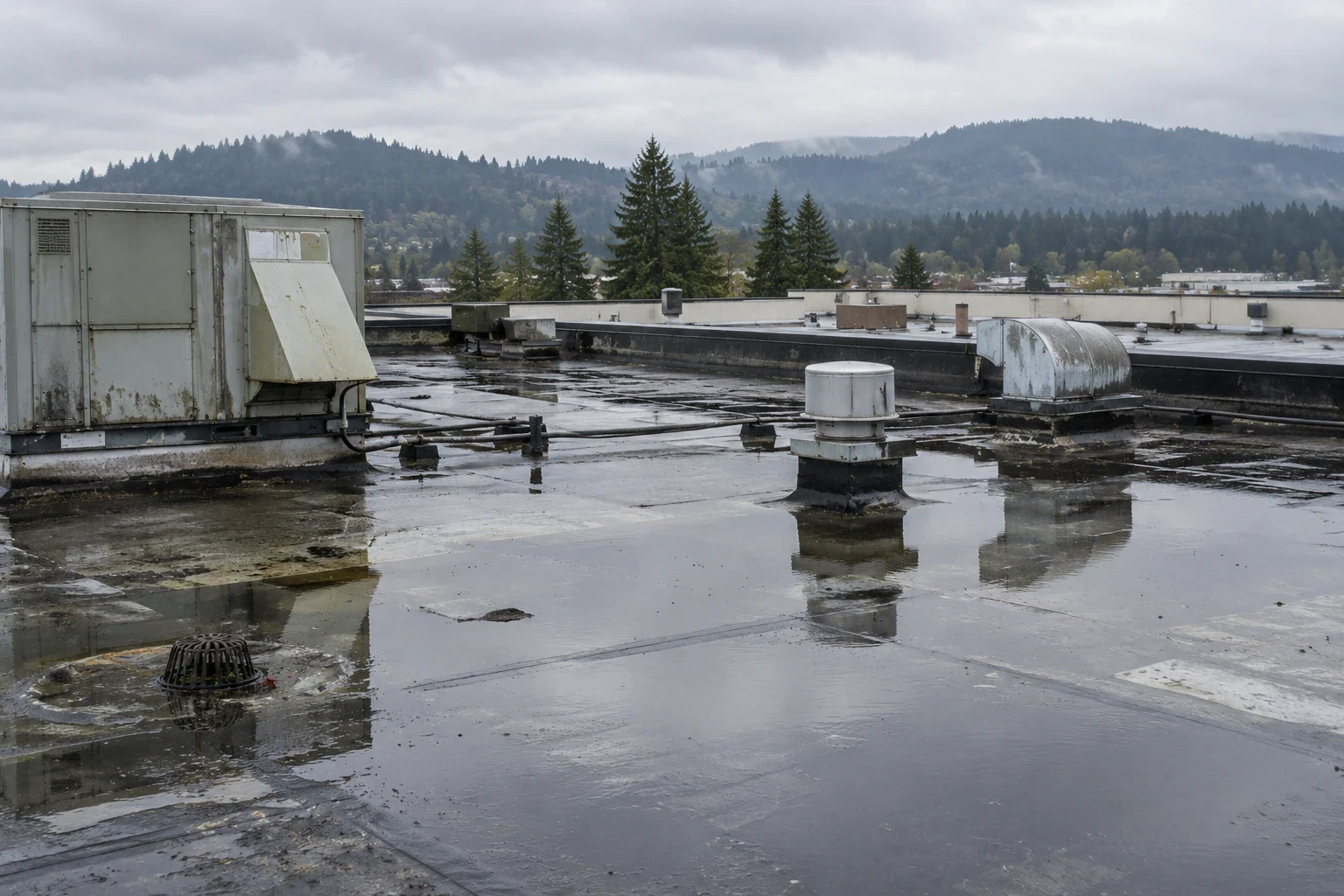
Coordinate access before opening the roof
Fire-related roof work can overlap with an owner, adjuster, fire investigator, environmental professional, or other trade. We confirm who controls access and which surfaces may be disturbed before moving tools or removing material. At a production or distribution property, the owner may set equipment clearances and operating restrictions. Those requirements belong in the sequence before a roof opening is made.
We establish a marked work zone, protect drains and occupied routes, and photograph the surface before removal. If the assembly must remain temporarily weather-tight, the plan identifies the protection and the point when permanent materials can be installed. Hillsboro's normal precipitation is 35.93 inches annually, with wetter monthly normals from October through January, so keeping an open area protected is part of the local work plan.
If hidden damage extends beyond the agreed boundary, we stop and document it before expanding the scope. The owner receives the finding and a price for the additional area. At shift end, we record what has been removed, what remains, and how the exposed roof is protected until the next work period.
Separate emergency protection from permanent work
Emergency stabilization can cover an opening or secure a displaced detail until the assembly is safe to repair. It does not replace the later inspection of insulation, deck, and attachment. We document the temporary measure and return for a permanent scope once access and testing requirements are clear. Our emergency response is available around the clock, including nights, weekends, and holidays.
A localized repair may suit a small burn area when surrounding membrane and substrate remain sound. Wider heat distortion, multiple openings, damaged deck, or wet insulation can support a larger replacement boundary. We price those options separately and list which conditions were confirmed versus concealed. A commercial roof repair scope identifies the removal, substrate work, membrane tie-in, flashing, and closeout inspection needed for the area.
If smoke or water affected several sections, we map each roof area rather than fold separate findings into one broad allowance. Related membrane openings or failed flashing may have distinct boundaries. That record helps the owner compare a repair with a phased or full replacement decision.
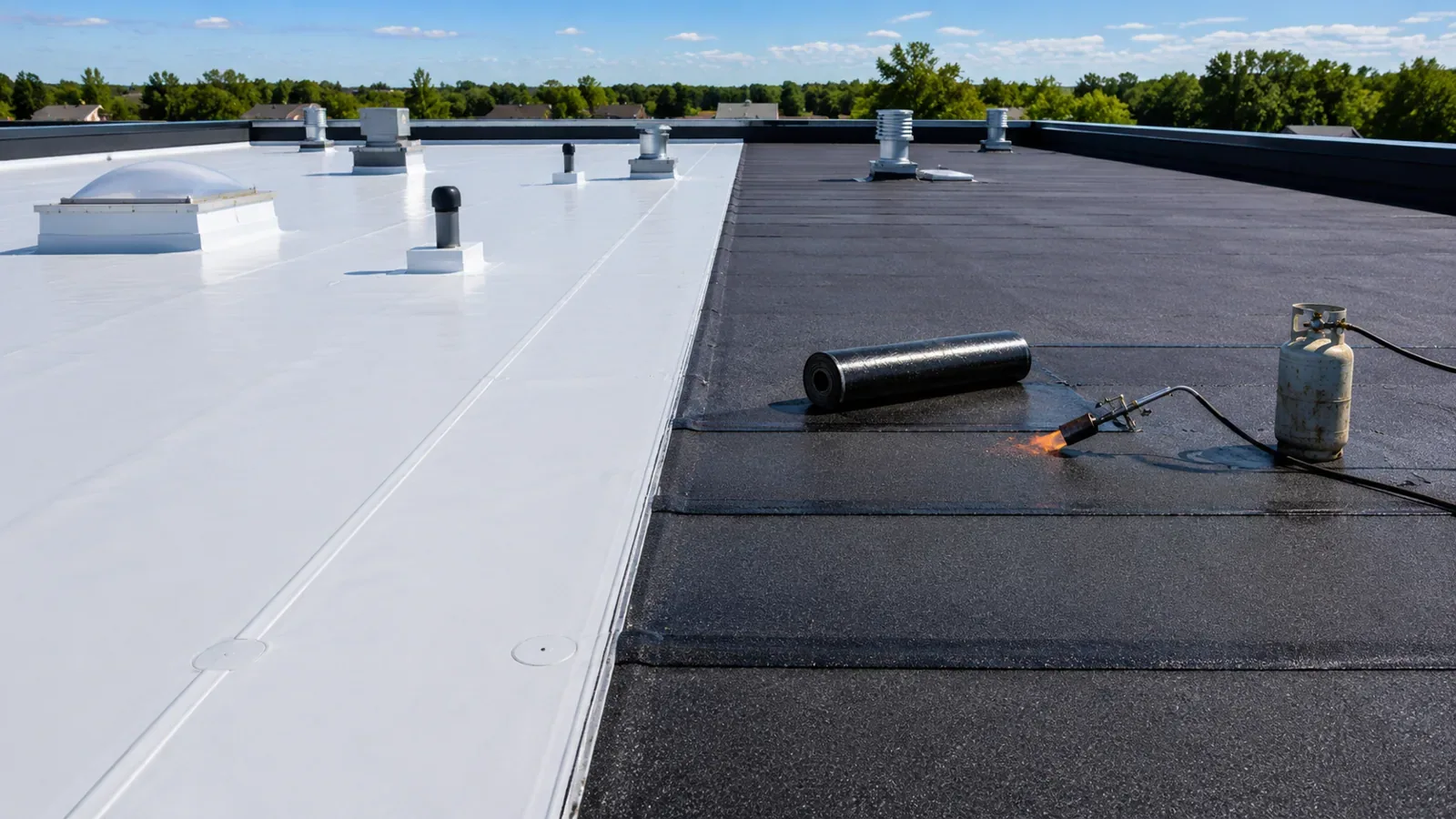
Leave a record of concealed conditions
The closeout includes photographs, a marked plan of affected areas, materials removed and installed, and notes on sections that could not be accessed. If a test opening revealed wet insulation or deck damage, we record its location and the repair made there. This makes the permanent scope easier to distinguish from emergency protection or investigative work completed by others.
Along Tualatin Valley Highway, commercial activity connects Hillsboro with Aloha, Cornelius, Forest Grove, and Beaverton. A roof repair can require deliveries or temporary route changes, but the building's own access rules govern how those steps are scheduled. We coordinate with the contact named by the owner and keep the work area documented.
After a repair, a later roof walk can compare the completed boundary with any new staining or surface change. We can inspect, document, and price follow-up work if drying, testing, or later access reveals another condition. Arrange a Hillsboro roof walk once access is released, and we will explain what the roof supports, what needs a test, and which repair or replacement scope can proceed.
Questions About Commercial Fire Damage Roof Repair
Can a roof be repaired after a fire instead of replaced?
A limited affected area may be repairable when the surrounding membrane, insulation, attachment, and deck remain sound. We inspect those layers and mark the boundary before pricing work. Heat distortion, wet insulation, or damaged substrate can require a larger section, which we show separately from a local patch.
Does suppression water need to be checked if the roof was not burned?
Yes. Water can pass through a seam or penetration and spread below the roof surface. We compare reports with drains and transitions, then use moisture mapping or a limited opening when it can answer a specific question. The findings distinguish confirmed wet material from an area that still needs testing.
Can your crew enter while an investigation is still active?
We follow the access controls set by the owner and any investigator with authority over the affected area. Before disturbing material, we confirm the release and document the condition we can safely inspect. That keeps repair work separate from evidence collection or other response activity.
What will the estimate include after a roof fire?
The scope identifies removal, substrate work, insulation replacement if confirmed, membrane and flashing tie-ins, temporary protection, and closeout records. Any concealed condition that could change the boundary is stated as a separate decision. The estimate distinguishes immediate stabilization from permanent repair or replacement.
Can emergency protection be installed before a full repair scope?
We respond at any hour of the week, holidays included. We first confirm access, then document and protect the exposed area as conditions allow. Permanent work follows after the assembly, testing needs, and repair boundary are clear.
Arrange a post-fire roof inspection
Once the owner releases roof access, tell us what areas were affected and where water appeared. We will document the assembly, separate confirmed damage from testing needs, and price the supported repair options.