
Commercial Roofing in Washington Square Regional Center, Tigard and Beaverton, OR
Commercial roof inspections and repair planning for Washington Square Regional Center, with roof-specific findings and work sequenced around access.
Washington Square Regional Center
A seam beside a rooftop curb is a small detail until water follows it into insulation. At Washington Square Regional Center, we inspect the lap, flashing return, and nearby drainage to locate where sound material begins for a patch. The center serves eastern Washington County with a compact mix of employment and housing, so we record the roof assembly and tie the repair scope to the inspected building.
The center's two- to four-story commercial buildings and high-quality transit access make arrival and roof access part of the visit. We confirm staging with the property contact, then inspect open terminations, ponding, and wet insulation before marking where confirmed work should stop. A commercial roof inspection can settle that first boundary.

Related Roofing Pages
More pages on commercial roofing in Hillsboro:
Confirm access before selecting the work window
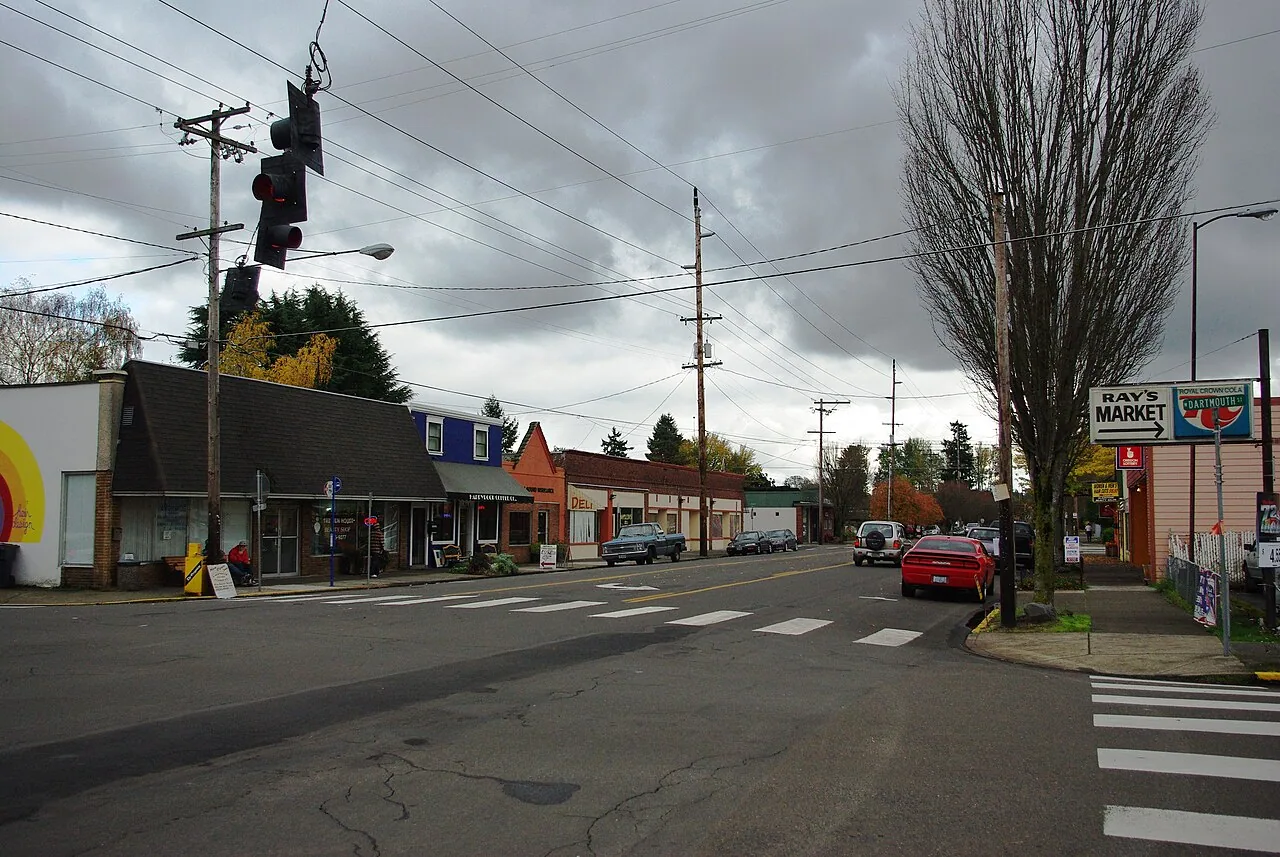
Roof access, deliveries, and tenant schedules can affect when a section opens and how long it stays exposed. We confirm the entrance, loading limits, staging area, fall protection, and equipment that cannot be interrupted before the crew mobilizes. The property contact sets access and operating rules, which we carry into the scope and sequence.
We confirm delivery timing and loading conditions with the owner, then mark which roof sections can be reached safely. A lift position that works for one building may block an occupied entrance at another. A phased occupied-building scope can identify protected areas, notice points, and trade dependencies when work must proceed in stages. For an active leak, we can respond at any hour, including holidays, then schedule a permanent repair when conditions allow.
Before material arrives, we confirm where a lift can be placed, protect the entrance below, and keep an occupied path apart from roof work when the site layout allows it. We record the route and the daily stopping point so another trade can see which area remains active.
Trace the opening back to sound material
Interior staining is a starting point, not a repair address on the roof. We compare the report with drains, curbs, wall transitions, penetrations, and laps, then inspect the likely water path. Photographs show the detail in context and where the membrane remains attached. If the suspected area is concealed or insulation may be wet, we identify whether infrared review or a test opening will change the repair boundary before pricing proceeds.
Each building may have TPO, EPDM, built-up roofing, or metal. Records and field details establish the assembly, then the roof walk checks its termination, substrate, and earlier repairs before a new tie-in is specified. We inspect the termination, field sheet, substrate, and prior patches as one assembly. A marked condition report retains photographs, the observed system, and access limits for a later visit. We check drainage and seams on each roof for the conditions found at that property.
Check the bowl, overflow, and field together
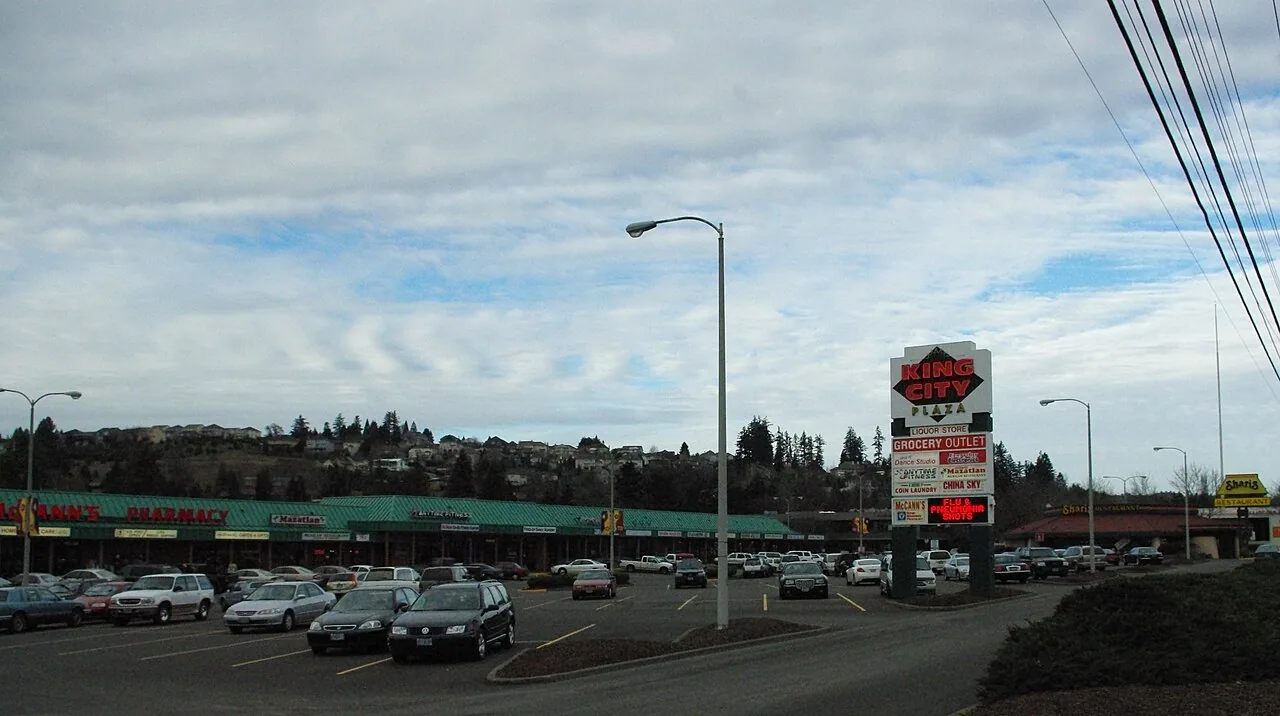
A drain can be open at the strainer and still sit below a section that holds water. We look at the bowl, clamping ring, flashing, overflow, and surrounding membrane, then follow the drainage plane upslope. If water remains after nearby areas dry, we note the extent and look for compressed insulation, a low deck, or an earlier repair that changed the surface. That distinction matters because clearing an outlet will not correct a separate slope problem.
At exposed drains and transitions, we document movement, retained water, and changes in the membrane, then base recommendations on the inspected roof. A drain and scupper review can separate an outlet repair from work that changes the drainage plane.
Price the confirmed repair apart from concealed work
We price the confirmed defect separately from any concealed condition. The first scope identifies the split sheet, lifted flashing, or separated seam and reaches a sound boundary. Across Tigard and Beaverton, roof height, insulation, perimeter, and access vary by property. We check each building before setting the repair boundary. If moisture continues beneath the opening, we identify the test needed before expanding removal.
Assembly, staging, occupied hours, and the approved work route affect timing as well as cost. A repair scope stays distinct from replacement work involving broad deterioration, tear-off, insulation, or flashing. Coating is considered only after confirming dry substrate, attachment, drainage, added weight, flashing height, and applicable code requirements. The proposal lists observed work apart from any option that still depends on testing.
Roof access is decided at each building. We record delivery timing, loading limits, roof entry, and equipment clearances in the work sequence so the material route and repair zone can be reviewed together. A short repair can stay within one controlled zone; a recover or replacement needs phased material movement and a protected tie-in at each shift end. The owner can compare those access requirements alongside the membrane and insulation scope.
Inspect each change in material and movement
At a curb, parapet, expansion joint, or pipe support, movement can work against a flashing detail. We check corners, membrane returns, fasteners, sealant, and the edge where the field sheet terminates. A prior patch that bridges a moving joint may split again at the same line. We record the observed system and choose a compatible repair only after confirming that its substrate is sound.
Rooftop units and service paths can limit inspection access. We note what was visible and where another trade must assist, then keep that limit beside the repair recommendation. For several failed seams, we compare the nearby field sheet and insulation rather than adding isolated patches without a boundary. A marked roof plan shows which details connect and which remain separate before a wider option is priced.
Carry the inspection record into the next visit
A useful roof history includes photographs, marked repair locations, system observations, and notes on areas we could not reach. We record what was completed and what needs another look after drying or testing. When water returns, a future walk can compare the same drain, lap, or curb rather than start from an interior stain alone. A capital planning review can use those findings to separate near-term repair from replacement budgeting.
The inspection record ties each assembly to its own photographs, condition notes, and repair boundary. A return visit checks whether the repair remains bonded, drainage is open, and nearby terminations have moved. Roofs in Downtown Beaverton Regional Center or Portland receive separate findings for the property inspected.
At closeout, the record should show the repair location in relation to the roof field, not only a close photograph of the patch. We add an overview, mark the repaired transition, and note any section that was inaccessible or needs another look after drying. A later inspection can compare the same curb, drain, or seam and distinguish new movement from work completed during the prior visit.
Questions About Washington Square Regional Center
How do you decide whether a wet area needs a test opening?
We compare the surface condition with seams, drains, curbs, and interior reports. If moisture may extend below an intact membrane, an infrared survey or test opening can establish the repair boundary. The report distinguishes what we observed from what remains concealed.
Can drainage work stop at the outlet?
A clear bowl does not correct a low area or compressed insulation. We inspect the outlet, overflow, flashing, and surrounding drainage plane, then price a drain repair separately from slope correction when the findings call for both.
What changes the schedule for occupied commercial work?
Access hours, deliveries, staging, equipment coordination, and weather windows affect the sequence. We confirm these conditions with the property contact and identify protected sections and notice points before mobilization.
What does the owner receive after the roof walk?
We provide marked findings and photographs, note access limits, and separate confirmed repairs from testing or concealed work. The record gives the next manager a specific seam, drain, or transition to check rather than a broad condition label.
Arrange a roof walk at Washington Square
Send the roof records and describe how the space operates. We will inspect the affected assembly, mark the repair boundary, and separate confirmed work from any testing still needed.