
Commercial Roof Capital Planning in Hillsboro, OR
Build a practical Hillsboro roof budget from observed condition, repair needs, access, and replacement timing, with open questions kept separate.
Commercial Roof Capital Planning
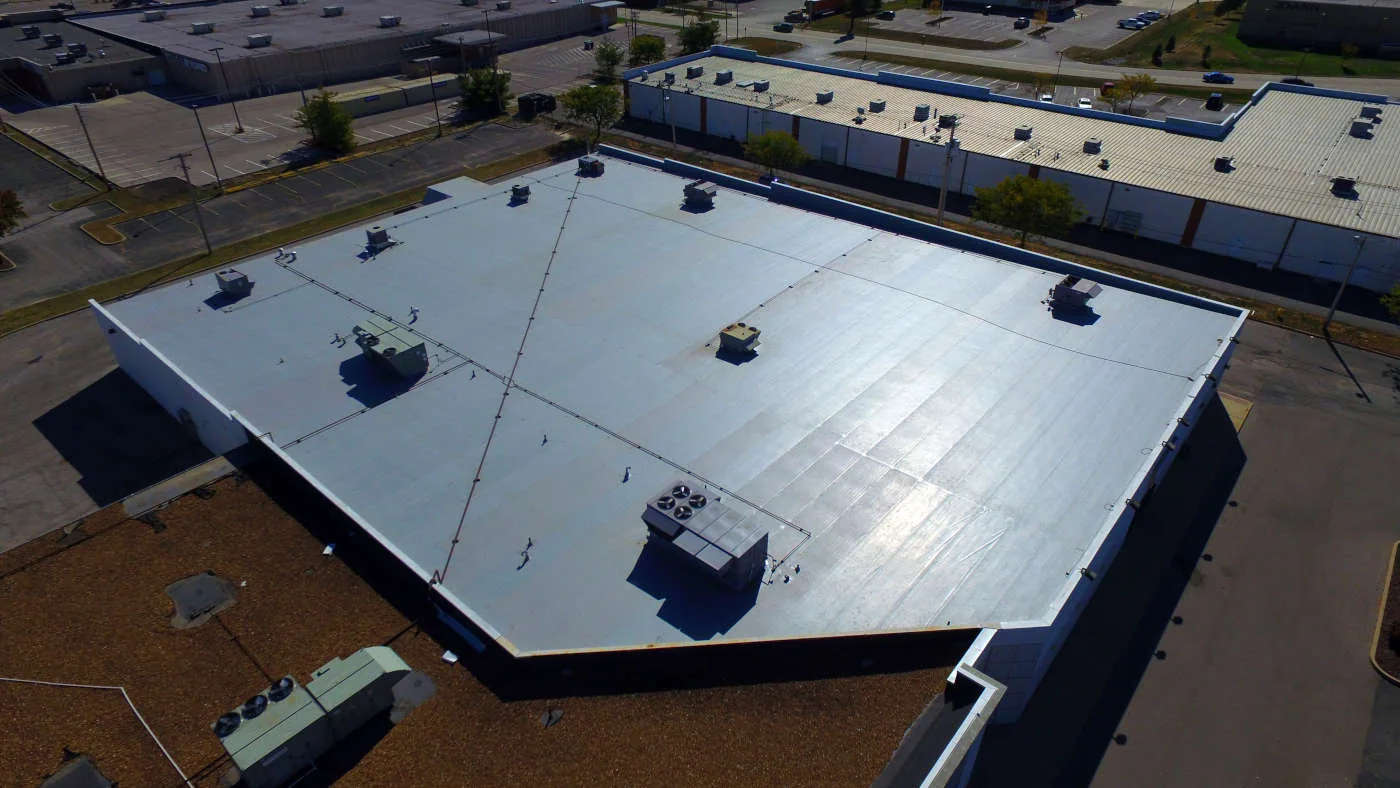
A capital date should have a roof condition behind it. In Hillsboro, OR, we walk the assembly, mark active repairs, and separate a near-term need from a replacement candidate that still requires testing. A seam opening beside a drain is not the same budget item as broad wet insulation or an edge that has lost attachment. The scope should identify the evidence, the likely work window, and what could change after an opening. We can compare repair and replacement paths using a marked condition report rather than a single age field.
Related Roofing Pages
More pages on commercial roofing in Hillsboro:
Price what the inspection can confirm
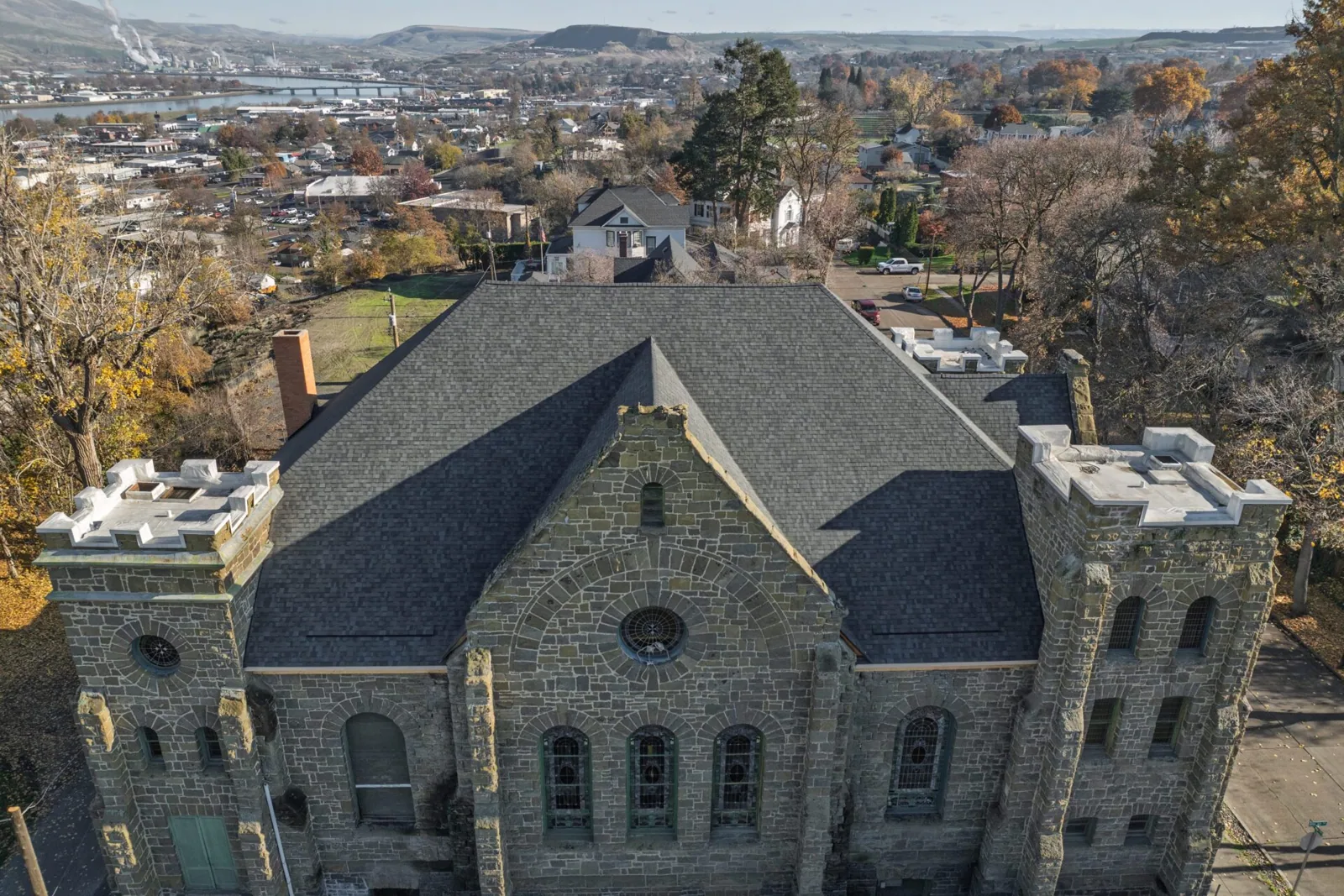
Roof cost follows the work required at each building. Roof height, access, system compatibility, tear-off depth, substrate condition, drainage corrections, flashing details, material handling, and occupied hours all affect the scope. We identify known work and list concealed conditions separately when a test or opening is needed. That keeps a budget useful without treating a planning allowance as a proposal or promising that hidden layers will match the visible surface.
Hillsboro includes advanced manufacturing and medicine production, packaging, and distribution uses. At buildings with equipment and controlled operations, access hours, crane or delivery routes, and clear work zones can shape schedule and staging. We record those constraints from the property contact, then price the actual repair sequence. A manufacturing roof review may need a different access plan than an office, while the repair decision still rests on the observed assembly.
185th Avenue carries people and goods across the westside; delivery and staging still depend on each property's gate and loading plan. We confirm each property's entrance, loading point, and roof access with the site contact before planning mobilization. For the work itself, we compare a defined repair, a recover where the assembly permits it, and a replacement scope when the condition supports that direction.
Set priorities by roof area and consequence
The first budget line belongs to active water entry, unsafe material, or an opening that can damage equipment or stored goods. We locate the source, inspect nearby laps and penetrations, and determine whether wet insulation extends beyond the visible mark. A temporary dry-in can protect an exposed area while a permanent scope is prepared. If the drainage plane is contributing, we separate the bowl, overflow, slope, or outlet correction from membrane work rather than burying both in a generic patch allowance.
Season changes matter to sequencing. The city's annual precipitation averages 35.93 inches, and monthly totals are highest from October through January. We prioritize open details and drainage work before those wetter months, while confirming each roof's condition on site. A separate exposure check records cold-sensitive preparation and the roof areas that need another look after the work.
At the other end of the schedule, broad seam failure, repeated moisture findings, loose attachment, or deteriorated cover board may justify a capital project. We show where the finding occurs and how it affects the repair boundary. When the available evidence cannot distinguish a localized defect from widespread deterioration, we identify the survey or test that would settle the budget choice. A seam evaluation can be scoped before the larger funding decision.
Stage work before a small defect spreads
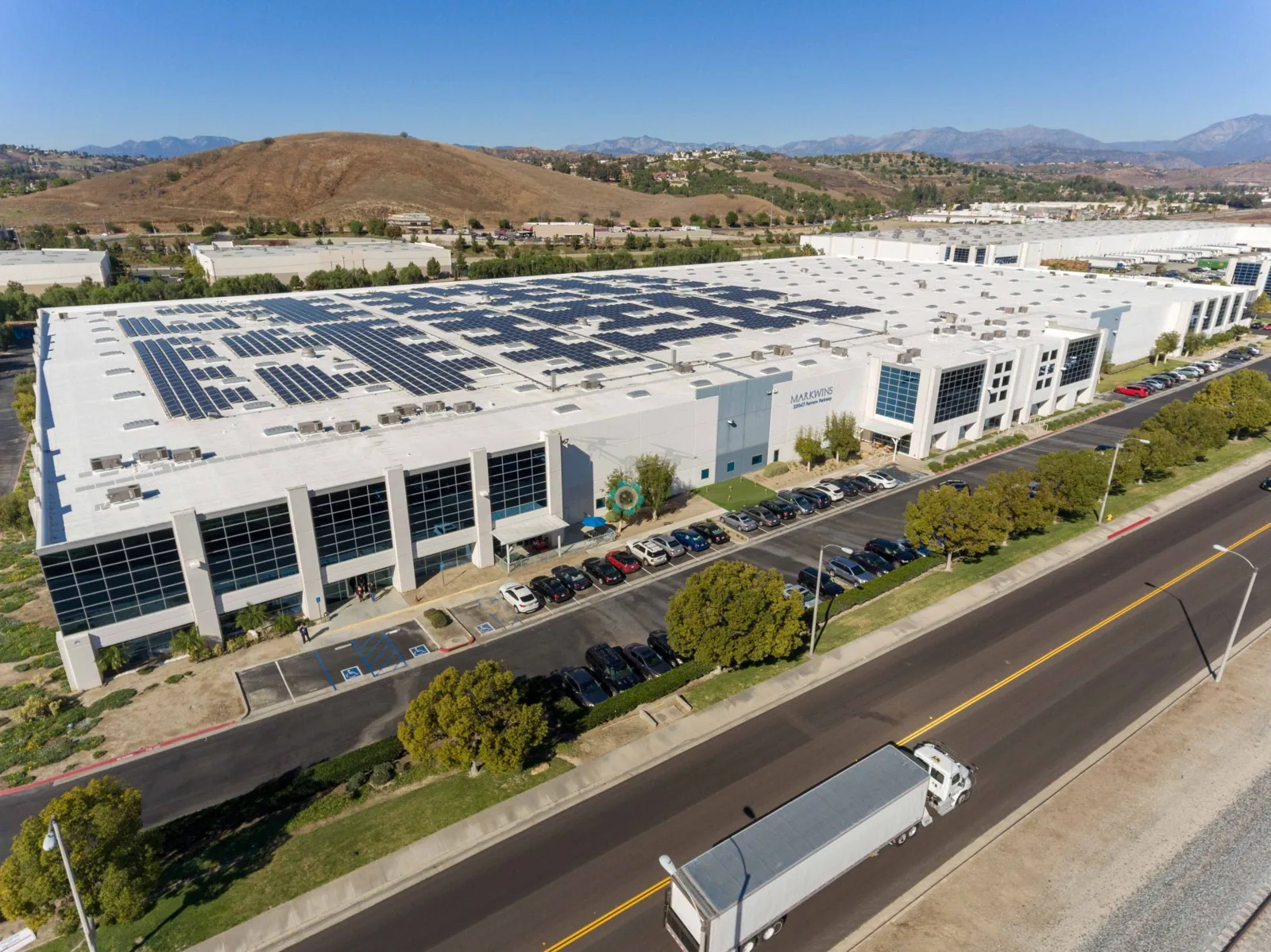
We place active leaks and open edges ahead of cosmetic coating work, then group repairs that share access or system preparation. Roof sections with wet insulation may need selective removal before a coating or recover can be considered. If a drain correction affects several areas, the drainage scope should precede final membrane tie-ins. The owner can see which sequence reduces repeated mobilization and which delay leaves a known condition exposed.
The local winter includes about 64 days with lows at or below freezing. Drain bowls, exposed piping, and low points deserve review where water could remain into a cold period. A winter follow-up may belong on the calendar after repairs are complete. We document the exact observation, so a freeze-related concern does not become a general claim about roofs across Hillsboro.
Where building operations constrain the work, the plan identifies roof access, escort or safety requirements, equipment clearances, and acceptable staging. Near Downtown Hillsboro, an occupied property may require coordination below the roof as well as above it. The owner can set dates around internal work or tenant schedules, while we define material cure, dry conditions, and tie-in requirements. Emergency response remains available at any hour, including weekends and holidays, when an unplanned opening cannot wait for the capital calendar.
Turn the funding decision into a scope
Once priorities are approved, we confirm the existing roof system, repair boundaries, and access plan. We protect active openings first, remove material only where the scope calls for it, and check the substrate before closing the assembly. A recover or coating must have a suitable base; trapped moisture or weak attachment can defeat the intended repair. We keep concealed-condition work distinct and pause at a documented boundary if the roof reveals a condition that changes the agreed scope.
For multiple roofs, the sequence can align inspections and work by area while retaining property-specific details. One building may be ready for a membrane replacement; another may need a drain correction and follow-up scan. If sections use different assemblies, we record the material and compatible repair method rather than carry a general specification across the portfolio. A TPO assembly and a metal roof require different preparation and tie-ins.
Along Tualatin Valley Highway, traffic and delivery constraints can influence when materials reach a site, but the property contact determines the actual gate, staging area, and operating window. We coordinate those details before mobilization. Completion photos then show the installed work, adjacent details checked, and any remaining item assigned for follow-up. A maintenance visit can verify drains and seams after the capital work is closed.
Keep the assumptions visible
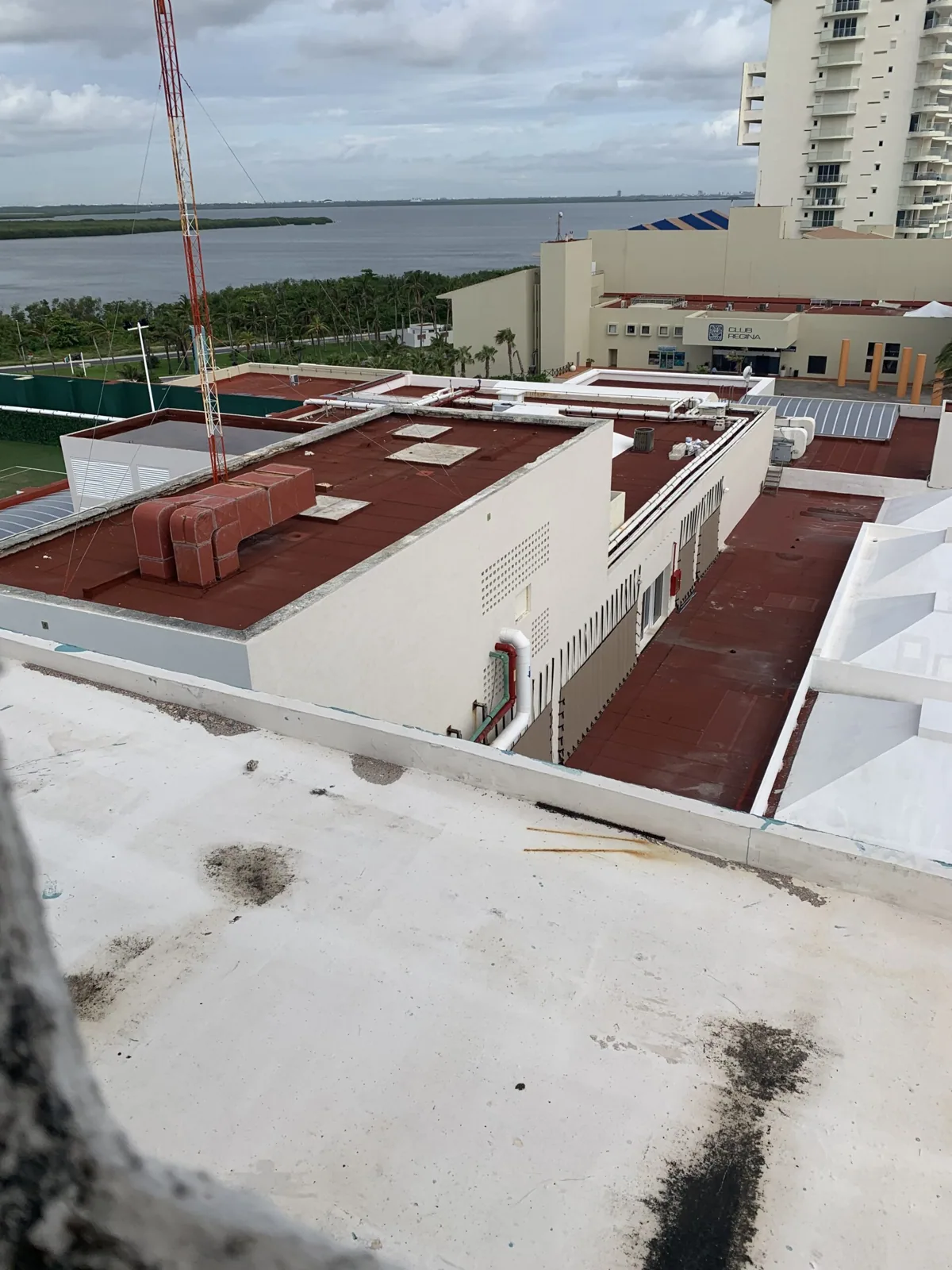
A useful roof budget carries its evidence forward. We attach marked photographs, roof-area identifiers, observed material, repair history, access notes, and unresolved questions to the recommendation. Confirmed work, optional testing, and possible concealed repairs remain separate. If the owner later requests a bid, the contractor can price the same area and scope rather than interpret a broad condition label. A roof survey can add transaction-specific review while preserving the same factual record.
We also state what would move a project earlier or later: a failed tie-in, a moisture test, a deck condition, a drainage correction, or a change in building operations. If a repair holds and the follow-up inspection finds no spread, a larger project may remain on its planned track. If the condition grows, marked locations show why the decision changed. Owners can request emergency work day or night, and we document any temporary stabilization separately from the capital scope.
Questions About Commercial Roof Capital Planning
How do you decide whether a roof belongs in this year's budget?
We start with active leaks, open details, wet insulation, drainage, and the consequence of waiting. Then we compare those conditions with access and planned building work. The report identifies confirmed repairs and any test needed before a larger replacement decision.
Can you provide a replacement budget before opening the roof?
We can scope visible work and name assumptions, but concealed layers may change after removal. We list likely hidden conditions separately and describe how an opening or moisture survey would refine the amount of work before approval.
What makes two buildings with similar roofs cost differently?
Access, height, material handling, equipment, drainage details, wet insulation, deck condition, and work-hour limits change labor and sequence. We inspect each roof and keep its proposal tied to those actual conditions rather than apply one rate across the portfolio.
Should drainage repairs be funded with membrane work?
They may share a mobilization, but the scope should identify each correction. We inspect the bowl, overflow, slope, and surrounding membrane, then show whether the water issue requires a drain change, a roof repair, or both.
What can move a planned replacement earlier?
A failed repair boundary, expanding moisture, loose attachment, or deteriorated substrate can change timing. We mark the condition and state what follow-up confirms it. That gives the owner a reasoned adjustment instead of an age-only trigger.
Build a roof budget from marked findings
Share the property list, current roof records, and known access windows. We will inspect the assemblies, separate immediate repairs from capital candidates, and identify the open questions that affect timing.