Commercial Roof Coating in Hillsboro, OR
Assess commercial roof coating in Hillsboro with moisture checks, adhesion review, flashing repairs, and a restoration scope matched to the existing roof.
Commercial Roof Coating
A coating belongs on a roof that is still sound enough to carry it. In Hillsboro, OR, we first check seams, fasteners, flashings, drain bowls, and the substrate beneath worn areas. A fresh surface can protect an eligible assembly, but it cannot dry wet insulation or steady a loose termination. We mark what needs repair, test adhesion where required, and compare restoration with replacement before setting the scope. For a suitable roof, a silicone coating system or acrylic assembly can extend service life when its preparation and detailing match the existing roof.
Related Roofing Pages
More pages on commercial roofing in Hillsboro:
Confirm what the coating will cover
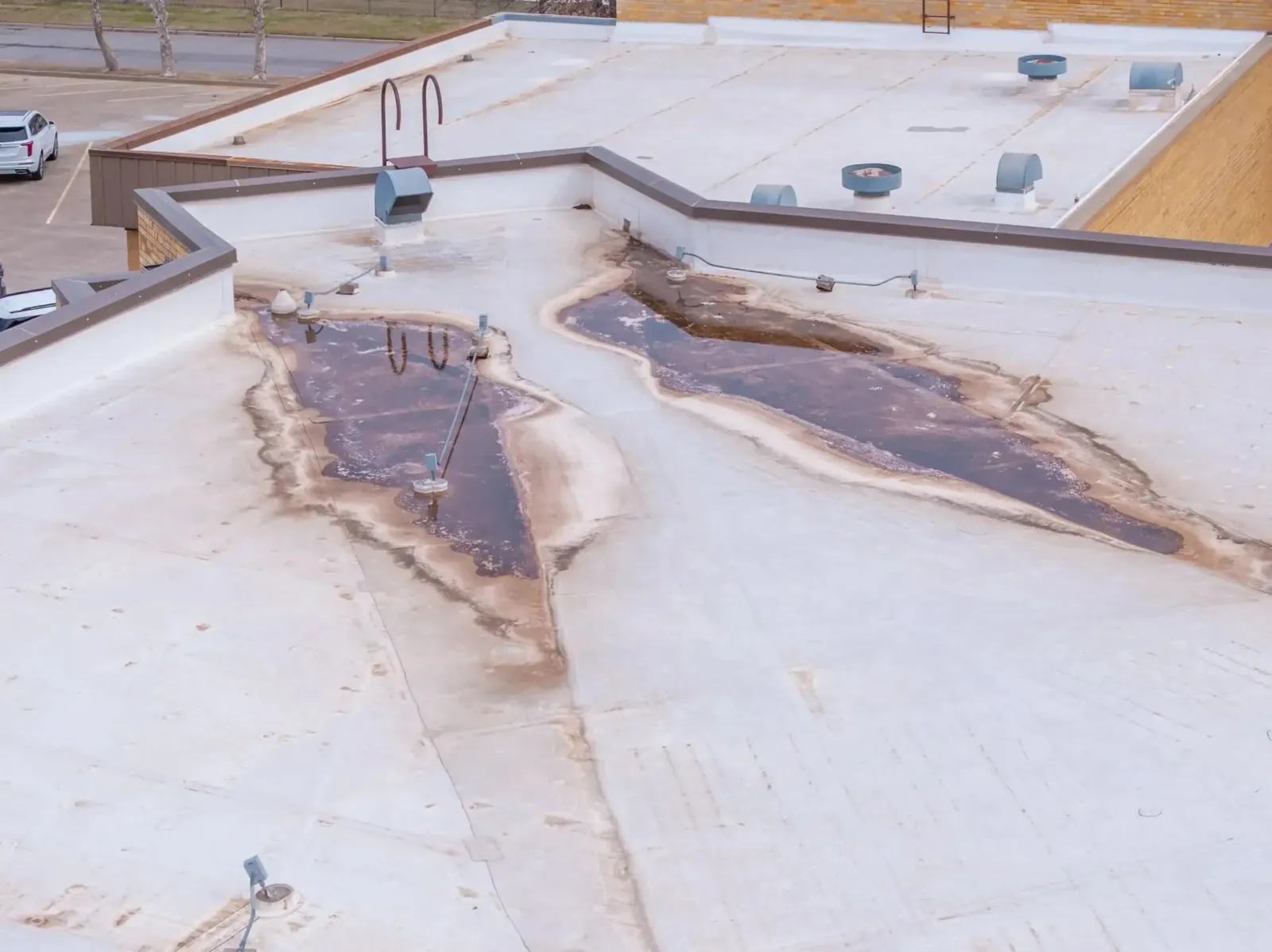
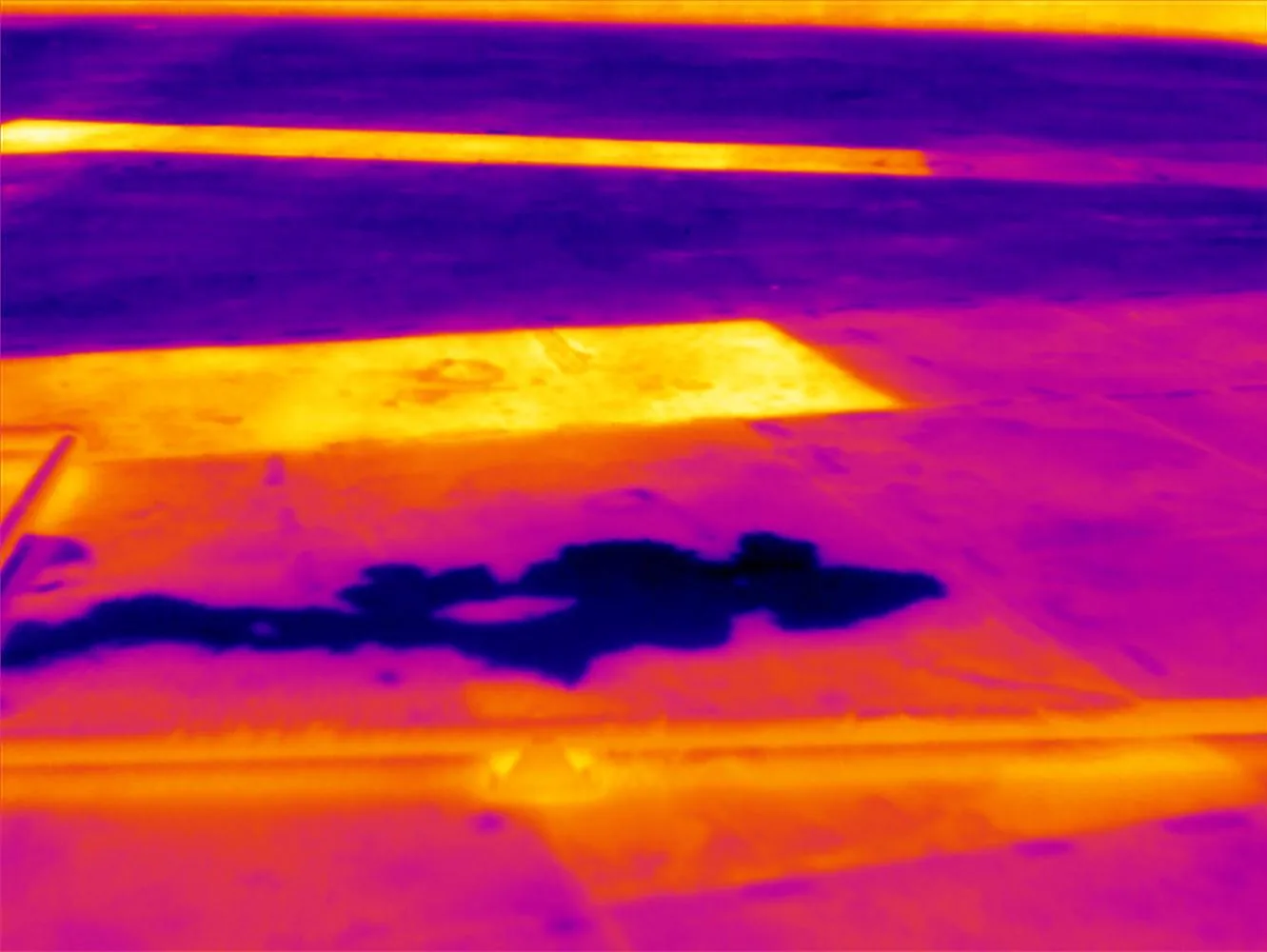
Chalking, exposed reinforcement, and thin areas call for a different response than a split seam or soft insulation. We walk the field sheet and perimeter, mark ponding, blisters, patches, and open laps, then check whether those areas are dry and firmly attached. Where the surface does not settle the question, we propose a moisture survey or test opening and say what it will answer. The Hillsboro annual precipitation normal is 35.93 inches, with its highest monthly totals from October through January. We map runoff and inspect each low area before choosing the preparation and repair work needed beneath a coating. A thermal moisture survey can show where wet insulation would keep a coating from bonding. We check whether low areas drain before restoration. A coating scope must account for water that remains at drains and low points before material is applied. We trace whether ponding comes from a blocked bowl, deflected deck, or compressed insulation and price the correction that can be supported by the findings. Coating over a recurring water pocket can conceal the same condition under a new color.
We also inspect the roof after cold weather. Hillsboro has roughly 64 days per year with minimum temperatures at or below 32°F. Before coating preparation, we inspect exposed laps and sealant, recording any weak edge that needs rebuilding rather than another surface layer. We check laps and sealant before preparing repairs. Freeze conditions can expose weak laps and brittle sealant, so we check whether the repair surface remains sound through the detail. Downtown Hillsboro has commerce and local-government functions within its western Washington County regional-center role. For occupied buildings there, roof access may cross active service routes, which we confirm with the property contact before staging.
Match the coating to the existing roof
Coating chemistry follows the roof material and the required performance. We identify the membrane or metal surface, check for contamination and prior coatings, and select an adhesion test where the specification calls for it. The field application needs a clean, dry substrate and the specified film build; seams, penetrations, and transitions receive compatible reinforcement where the system requires it. The proposal names preparation and detailing instead of treating the roof as one uninterrupted surface.
On a metal roof, we inspect fasteners, panel laps, rust, and sealant before coating. On a membrane, we look at seam strength, flashing condition, and whether the surface accepts the intended primer. If a repair uses a different material than the field, we test or confirm compatibility before covering the interface. An acrylic roof coating can suit some assemblies, while another substrate may call for silicone or a different restoration method.
Hillsboro includes semiconductor production and medicine manufacturing, packaging, and distribution. At a process building, we map curbs, exhausts, walk paths, and restricted zones so coating work preserves service access and protects each transition if weather pauses application.
Repair the details before coating
Before application, we correct failed flashings, loose metal, open seams, damaged penetrations, and drainage defects that fall inside the agreed scope. Each repair has a boundary that reaches sound material. If an area is saturated, delaminated, or poorly attached, we mark it for removal instead of sealing it under the coating. A replacement comparison gives the owner a clear option when the existing assembly no longer supports restoration.
Coating renews a prepared roof surface and its specified details; structural weakness, wet insulation, and loose attachment need separate correction before application. Tanasbourne and AmberGlen connect employment and housing with transit. The roof itself still determines the scope: a curb with low flashing, a blocked overflow, or a metal edge with loose cleats needs its own correction before the field coating proceeds.
Where water has entered, we trace the path to insulation and deck, then separate the wet area from dry material. The owner sees the proposed removal, patching, and tie-in before work begins. If the repair boundary grows after opening the assembly, we photograph the exposed layers and pause for direction. A drain and scupper review can be included when standing water or overflow height affects the finished system.
Price preparation and the finished detail
Restoration cost follows preparation as much as roof area. Cleaning method, primer, reinforcement, repair quantity, coating thickness, access, and the number of penetrations all affect labor and materials. We list those items by roof section so an owner can see which findings drive the scope. If adhesion testing or moisture openings remain, the proposal identifies their locations and explains which result would change the price.
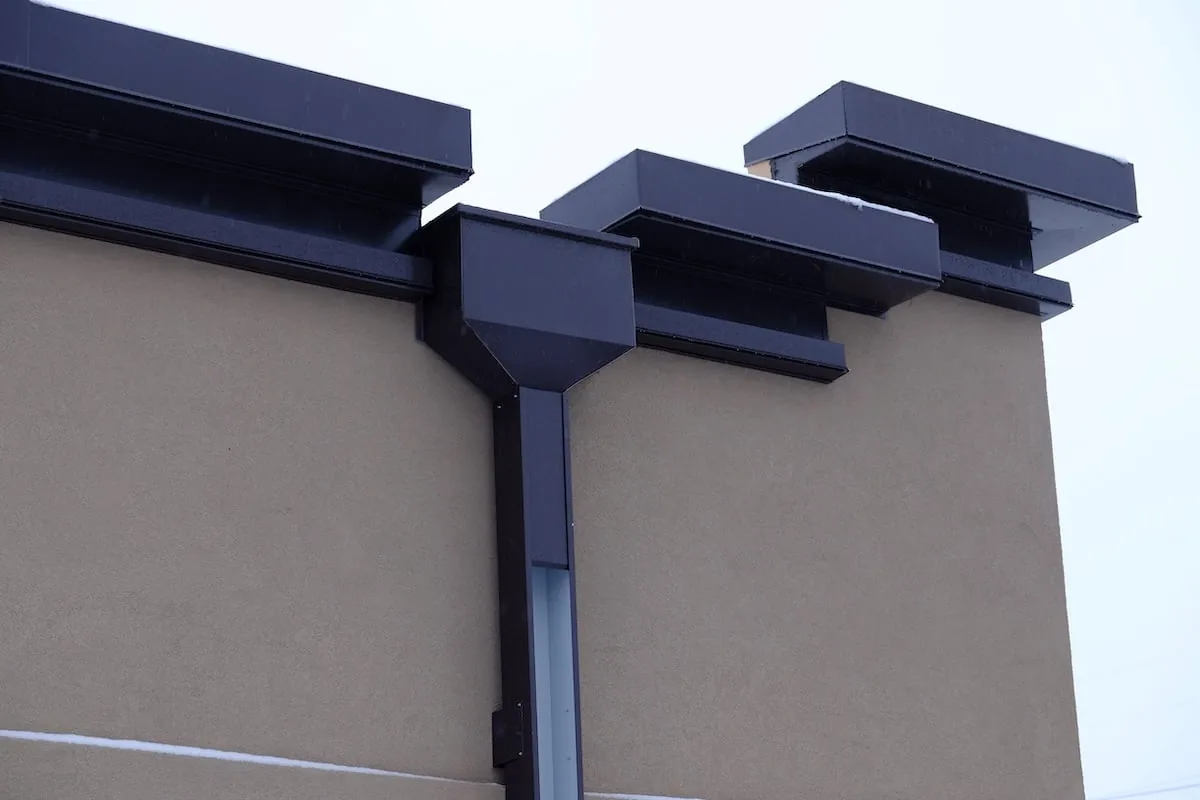
Edge transitions can require more work than the field. We inspect coping, edge metal, counterflashing, drain rings, and curb heights to see whether the finished coating will terminate without trapping water. A marked condition report records the substrate and repairs before coating, giving the closeout a useful point of comparison. The contract scope also identifies access windows and weather holds, which matter when production or distribution continues below.
We compare coating with repair or replacement using the same confirmed conditions. That keeps wet insulation, deck work, and flashing corrections visible rather than hiding them in a general allowance. For a roof near Orenco Station or Tanasbourne, we inspect drainage and seams before rain returns, then confirm assembly and access at the property.
Apply the system in workable areas
Once the surface is accepted, crews clean and prepare one work area at a time, complete the specified repairs, and confirm the substrate is ready before coating. We protect drains, equipment, and adjacent finishes, then apply material at the specified rate. Seams and penetrations are reinforced as required, and the termination is checked before the next section begins. Each day's stopping point gets a secure edge so rain cannot run beneath an unfinished field.
Application depends on dry conditions, temperature, and the product's cure requirements. Hillsboro's wet season makes a realistic sequence important; we set the work window around the forecast and identify how the roof will be protected if conditions change. In an occupied facility, we coordinate equipment access and delivery timing with the manager. If the coating cannot cure before a weather turn, that area waits until it can be completed properly.
After curing, we walk the treated sections, check film coverage and detail transitions, and photograph the result. The owner receives closeout notes that identify coated areas, repairs, and any excluded condition for future tracking. For urgent water entry, response is available any hour, every day of the week, including holidays. We protect the building first, then determine whether coating remains appropriate after the immediate leak is controlled.
Questions About Commercial Roof Coating
What roof condition makes coating a poor choice?
Wet insulation, loose attachment, active deterioration, or a failed deck can make restoration unsuitable. We mark those areas and use testing or openings to define whether repair can establish a sound boundary.
Can a coating stop water that already reached the insulation?
No. We locate and remove wet material where the scope confirms it, then repair the assembly before coating. The new surface cannot correct moisture trapped beneath it.
How do you know which coating will adhere?
We identify the substrate and prior treatments, then use the required cleaning, primer, and adhesion check. The selected system has to match the roof material and detail conditions.
What changes the coating price after inspection?
Repair quantity, surface preparation, testing, access, detail count, and required film build shape the work. If an opening reveals concealed damage, we show the exposed condition and price the added scope for review.
Can coating work continue during normal operations?
Often, with a roof map and agreed access windows. We identify equipment lanes, drains, staging, and the day's stopping point so service paths and protected transitions remain clear.
Review a Hillsboro roof for restoration
Arrange a roof walk and share the assembly records and leak history. We will mark repairs, confirm testing needs, and provide a coating scope tied to the condition we find.