
Acrylic Roof Coatings in Hillsboro, OR
Acrylic roof coatings in Hillsboro, OR require a dry, prepared roof and sound details. We inspect drainage and adhesion before pricing a recoat or replacement.
Acrylic Roof Coatings
A thin coating can reveal a roof problem rather than solve it. In Hillsboro, OR, we check adhesion, seams, drainage, and the substrate before recommending acrylic application. A commercial roof inspection marks loose material, wet insulation, and details that need repair before a new layer goes down.
Acrylic preparation needs time for the cleaned surface to dry and for repairs to reach the condition required by the coating. We inspect runoff paths and select a work area that can remain protected if application has to pause. Near Orenco Station, the property contact can confirm roof access and work hours. The Hillsboro annual precipitation normal totals 35.93 inches, peaking during October, November, December, and January. We allow for surface drying and the selected acrylic’s cure requirements before committing an application area to the schedule. Acrylic coating needs a dry substrate and suitable weather for application and cure. We inspect the actual surface and forecast before setting the schedule, and we identify any area that cannot be coated until a leak or moisture condition is corrected.
Related Roofing Pages
More pages on commercial roofing in Hillsboro:
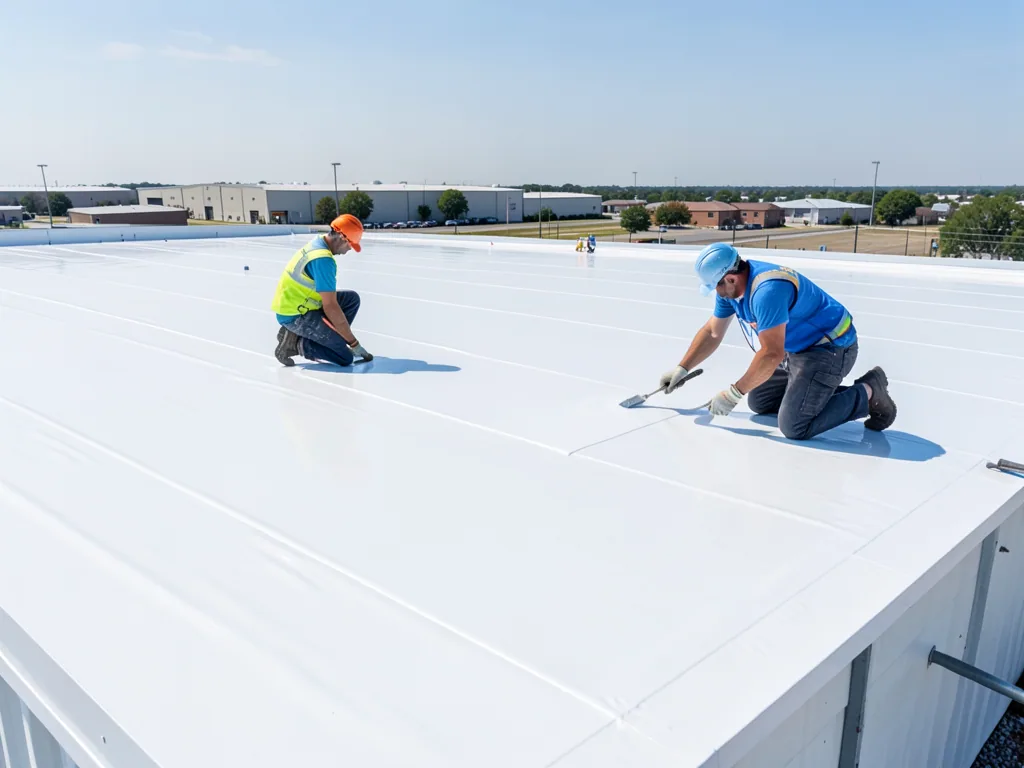
Test adhesion and surface condition
We start by checking whether the existing coating or roof surface can accept acrylic. Dirt, chalking, loose material, incompatible coatings, and standing moisture can prevent a sound bond. A cleaned test area and adhesion check help define preparation. We record the result by roof zone so the proposal identifies which areas can proceed and which need a repair or different system.
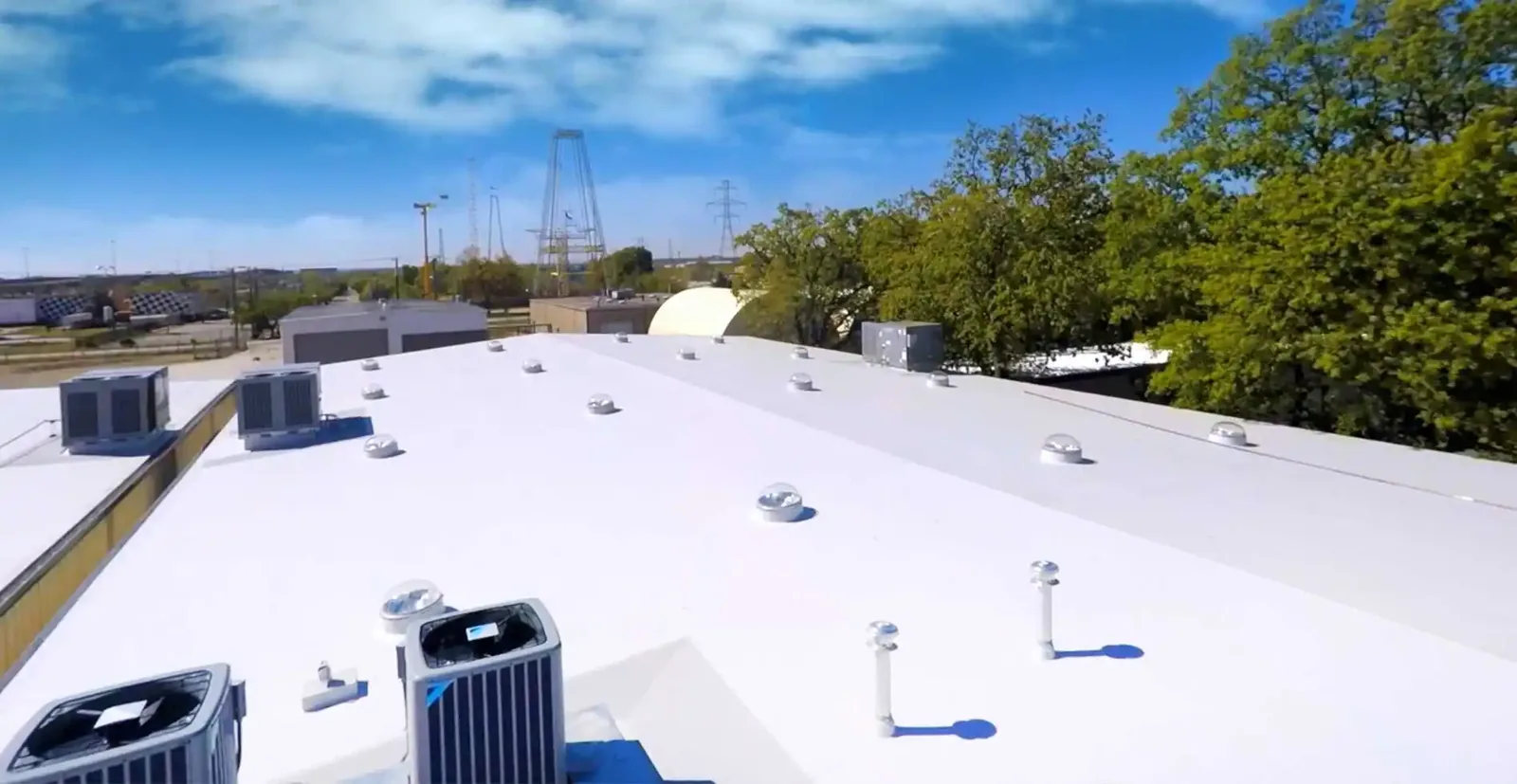
Acrylic coatings are water-based and depend on suitable dry conditions during application and curing. We inspect the roof for cracks, blisters, open seams, exposed reinforcement, and ponding before application. The coating does not correct a blocked outlet or wet insulation. A drain inspection and repair may be needed before the coating scope is priced.
At curbs, skylights, and pipe penetrations, the coating detail has to meet secure flashing. We check corners, termination height, fasteners, and sealant rather than brushing over a loose edge. Flashing repairs are completed with compatible materials and allowed to set before the roof coating is applied.
Close defects before coating the field
Open seams and damaged membrane need a repair boundary before the coating can protect the surrounding surface. We remove loose material, prepare the substrate, and rebuild the detail with compatible products. If insulation is soft or wet, we map the area and determine whether a moisture survey or selective opening will answer what must be removed. The MAX Blue Line serves Hillsboro’s Orenco Station community, where shops and services contribute to the mixed-use setting. Before coating work there, we confirm the material route and protect any occupied entrance below the work. For a property in this setting, we plan ladders, lifts, and material staging with the site contact. Occupied-building roofing keeps that coordination beside the surface work, including any hours or routes that must remain open.
Where metal edges or equipment curbs are involved, we inspect the termination and attachment before applying coating. A coating film cannot secure a loose coping cleat or rebuild a missing curb corner. Edge-metal work can be scoped with the coating when both conditions affect the roof’s water path. The report separates each repair from field application.
Apply after the roof is ready
Preparation includes cleaning, removing loose material, repairing details, and allowing the surface to dry. We protect drains and equipment, then apply coating in measured sections. Coverage is checked against the product requirements, including reinforcement where the system calls for it. The finished film needs appropriate cure time before foot traffic or service work returns to the roof.
Hillsboro’s wettest normal period runs from October into January. We monitor actual conditions and pause when rain, dew, or surface moisture would compromise application. If a work zone cannot be finished before a weather change, we close repairs and protect the open area. A schedule should leave the roof secure each day rather than rely on coating over a damp surface.
Downtown Hillsboro has a commerce and local-government role within its regional-center designation. Before coating work on an occupied property there, we mark the approved crew route and the ground area needed for material handling. We coordinate ground protection and material delivery around the property’s active doors and traffic. On the roof, each section is prepared and coated only after its repair boundary is ready. We record completed zones and identify any area deferred because of moisture or adhesion findings.
Compare recoat with membrane replacement
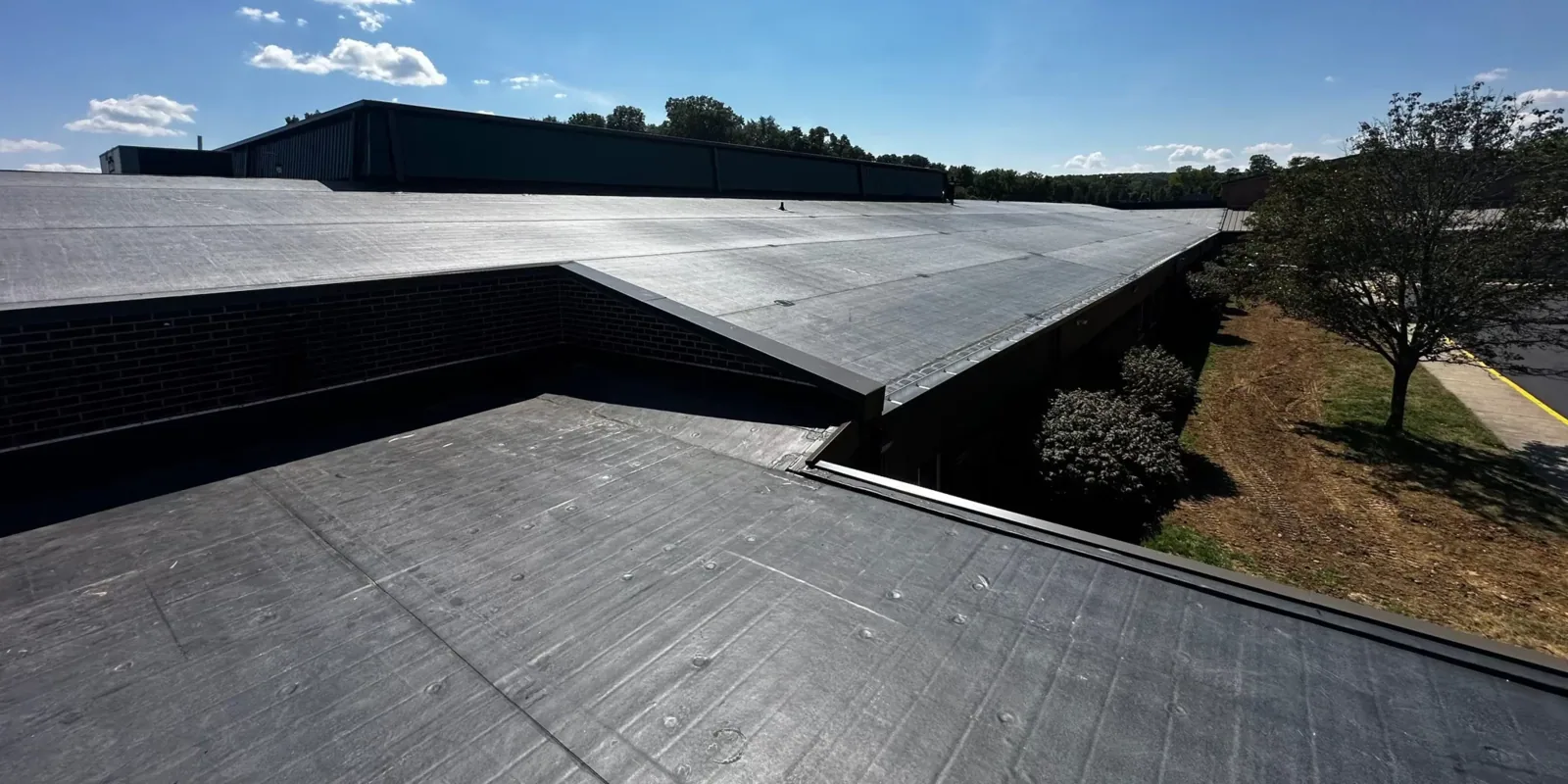
Acrylic can be considered when the roof is dry, stable, and compatible with the proposed coating. If the substrate is wet, the membrane is detached, or repeated ponding exceeds the system’s suitable conditions, coating may not be the right scope. We compare inspection results, adhesion tests, drainage, and the extent of repairs before presenting the options. The owner sees preparation and repair as separate cost drivers.
Where coating is unsuitable, we may compare a TPO membrane, a silicone coating, or spray polyurethane foam, depending on the existing assembly and building needs. The systems differ in seams, application conditions, surface preparation, and maintenance. We explain how those differences affect curbs, drains, and access instead of treating them as interchangeable finishes.
Price changes with roof area, cleaning, substrate repair, primer, reinforcement, penetrations, and access. Replacement adds removal, insulation, edge, and disposal work. We identify concealed layers that need confirmation before final pricing, then show the recoat and replacement scopes separately when both are viable. That lets the owner compare the current roof with a new assembly using the same roof zones.
Revisit the coated areas after application
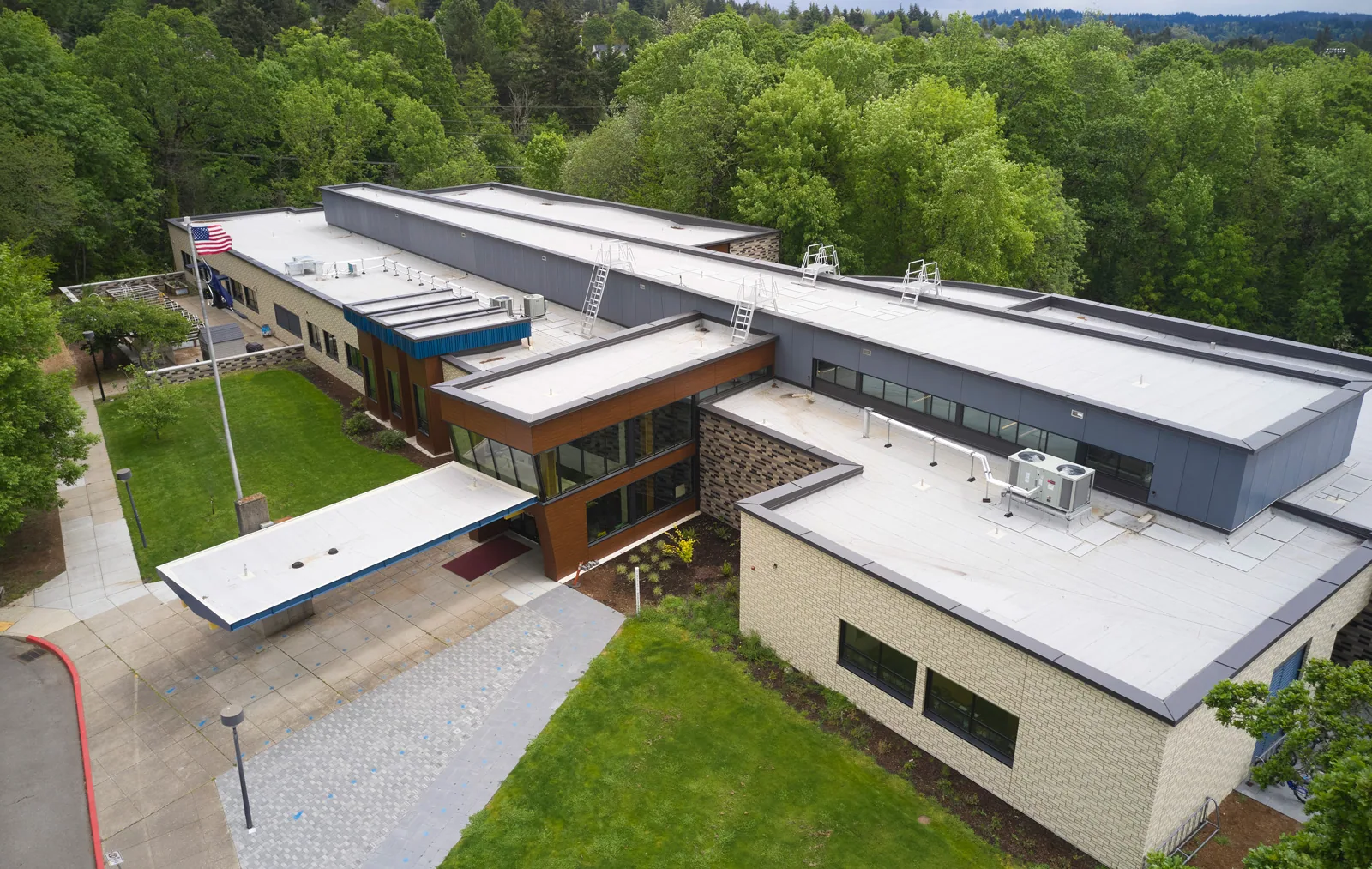
After the coating cures, we document the product, preparation, repairs, and areas requiring later review. A maintenance visit can check coating wear, drains, curbs, and penetration details. We look for cracks or separation at the transitions first, then compare the surface to the recorded conditions.
A roof condition report maps the coated zones and remaining repair items. The Downtown Hillsboro service area can be scheduled for follow-up around the property’s access rules. A clear record helps a manager know whether the next visit should focus on maintenance, a localized repair, or a broader roof decision.
Arrange an inspection when coating lifts, water remains near a drain, or a leak appears after application. We will trace the path, check adhesion and substrate condition, then recommend the scope that reaches sound material.
Questions About Acrylic Roof Coatings
Can acrylic coating go over an existing roof coating?
Only if the old layer is clean, compatible, and bonded well enough to support another application. We test adhesion and inspect for moisture, cracks, and loose areas. The preparation scope identifies removal or repairs needed before a new coating can proceed.
What happens if it rains during acrylic coating work?
We plan work around the forecast and product requirements, then protect any repaired area before leaving. Acrylic needs suitable dry conditions for application and cure. If weather turns, we pause and return when the surface is ready rather than coating damp material.
Will acrylic coating stop ponding water?
A coating does not correct a low roof or blocked drain. We inspect the slope, outlet, and water path first, then determine whether drainage work or a different assembly is needed. Coating is considered only after that condition is understood.
How do you check whether insulation beneath a roof is wet?
We use visible clues to choose a moisture survey or selective opening, then confirm the affected area before removal. Soft insulation and recurring leaks guide the investigation but do not define its full boundary. We mark the confirmed condition separately from areas still needing a test.
Can acrylic coating be used on a Hillsboro roof?
It can be suitable when the roof surface, drainage, and weather window meet the product requirements. Hillsboro’s wet-season normals make scheduling a practical part of the scope. We inspect adhesion and substrate dryness first, then price only the areas that are ready for application.
Check adhesion before choosing acrylic
Schedule a Hillsboro roof walk for marked drainage, flashing, and substrate findings, followed by separate pricing for coating preparation and replacement options.