
Preventive Roof Maintenance in Hillsboro, OR
Keep commercial roofs in Hillsboro easier to manage with scheduled walks, drain and seam checks, marked repairs, and records tied to each roof area.
Preventive Roof Maintenance
A drain basket with leaves at its rim can turn a routine rain into water held against a seam. In Hillsboro, OR, preventive maintenance starts with the places that collect debris, move under foot traffic, or meet a wall and curb. We walk each included roof area, note the membrane and edge details, and compare new findings with the prior field record. A hands-on roof inspection sets the baseline; scheduled visits then check whether the repair boundary has moved and whether a small correction can still be made cleanly.
Related Roofing Pages
More pages on commercial roofing in Hillsboro:
Set a route the roof can repeat
A useful maintenance route follows the water path rather than a convenient lap around the roof. We begin at drains and overflows, then follow low areas toward seams, penetrations, wall transitions, and perimeter terminations. Each stop gets a location, photograph, and condition note. When a tenant reports a stain, the manager can compare it with the marked roof area instead of relying on memory or a broad note such as “north side.”
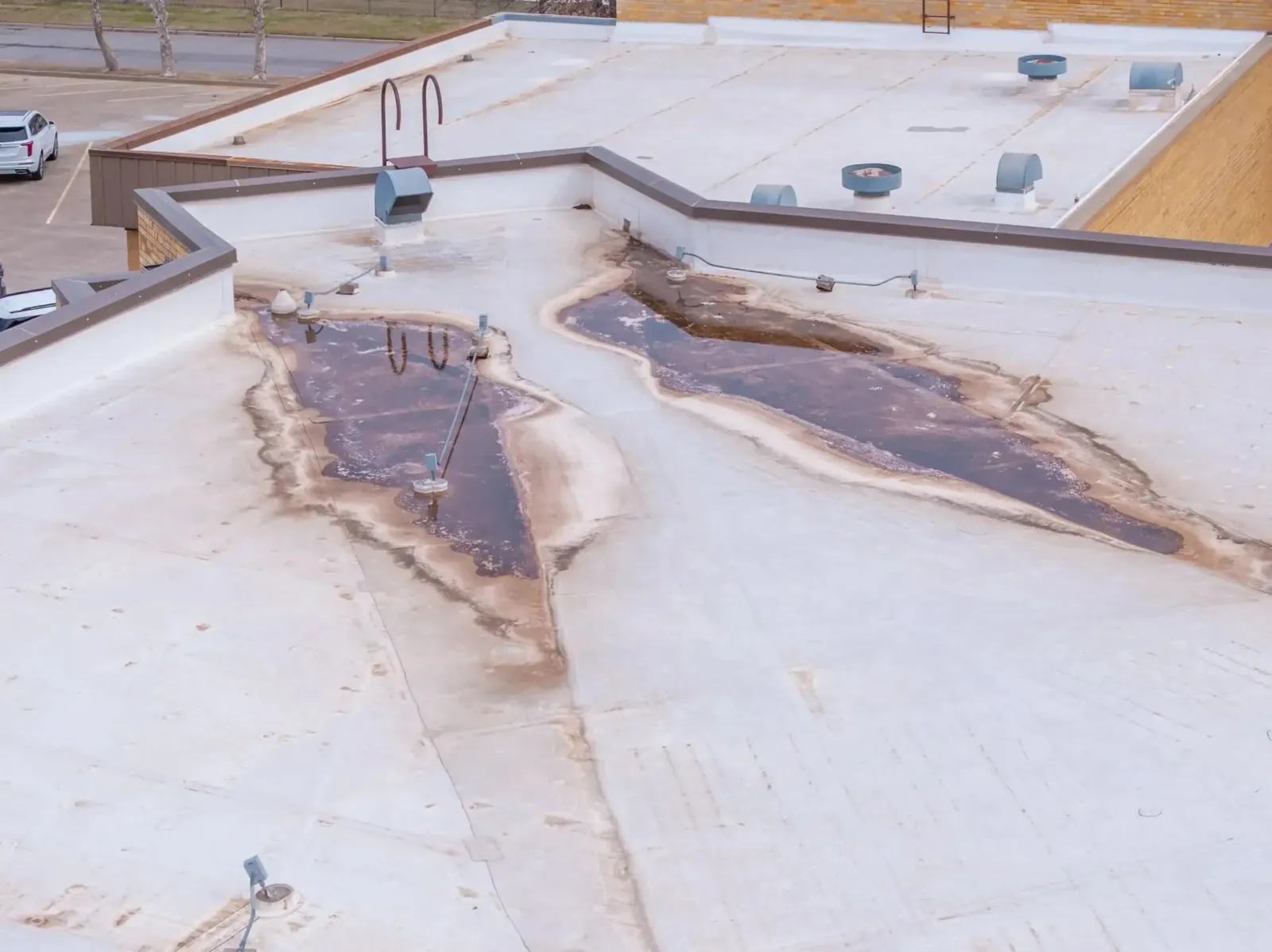
At a drain bowl, we look for a blocked strainer, loose ring, damaged clamping detail, or a surface that has settled around the opening. We clear routine debris when the scope allows and record anything that needs plumbing or sheet-metal work. A roof-drain correction may call for more than clearing the bowl; a drainage review traces the low point, overflow, and nearby insulation before a repair is priced.
The route also needs to account for roof traffic. A service path between a hatch, rooftop unit, and ladder can abrade a membrane or leave repeated marks around equipment. We identify the travel line and note whether a walkway pad, protection, or a change in access would reduce contact. The MAX Blue Line is central to Orenco Station. For a roof visit there, the property contact sets delivery and access windows.
Check the roof before the wet months
Hillsboro averages 35.93 inches of precipitation each year, with wetter months from October through January. I use that seasonal pattern to set a fall maintenance round. We log dirt lines, drain obstructions, separated sealant, and patches that have started to curl so the owner can rank repairs before recurring wet weather.
Freezing overnight minima occur on roughly 64 dates in Hillsboro’s typical year. On a scheduled winter review, we note whether the membrane is stiff, inspect sealant around curbs, and check if a shallow area has held water overnight. That log makes seasonal movement easier to compare with the next visit. If a surface repair is indicated, installation waits for a dry, sound substrate and temperatures allowed by the selected material.
Hillsboro has about 17 days each year with highs at or above 90°F and roughly 1.4 days at or above 100°F. After a warm spell, we compare coating wear, walk pads, and exposed sealant with earlier photos. A surface wear review helps distinguish ordinary aging from a detail that affects water exclusion; the roof inspection confirms the work needed.
Separate maintenance from repair
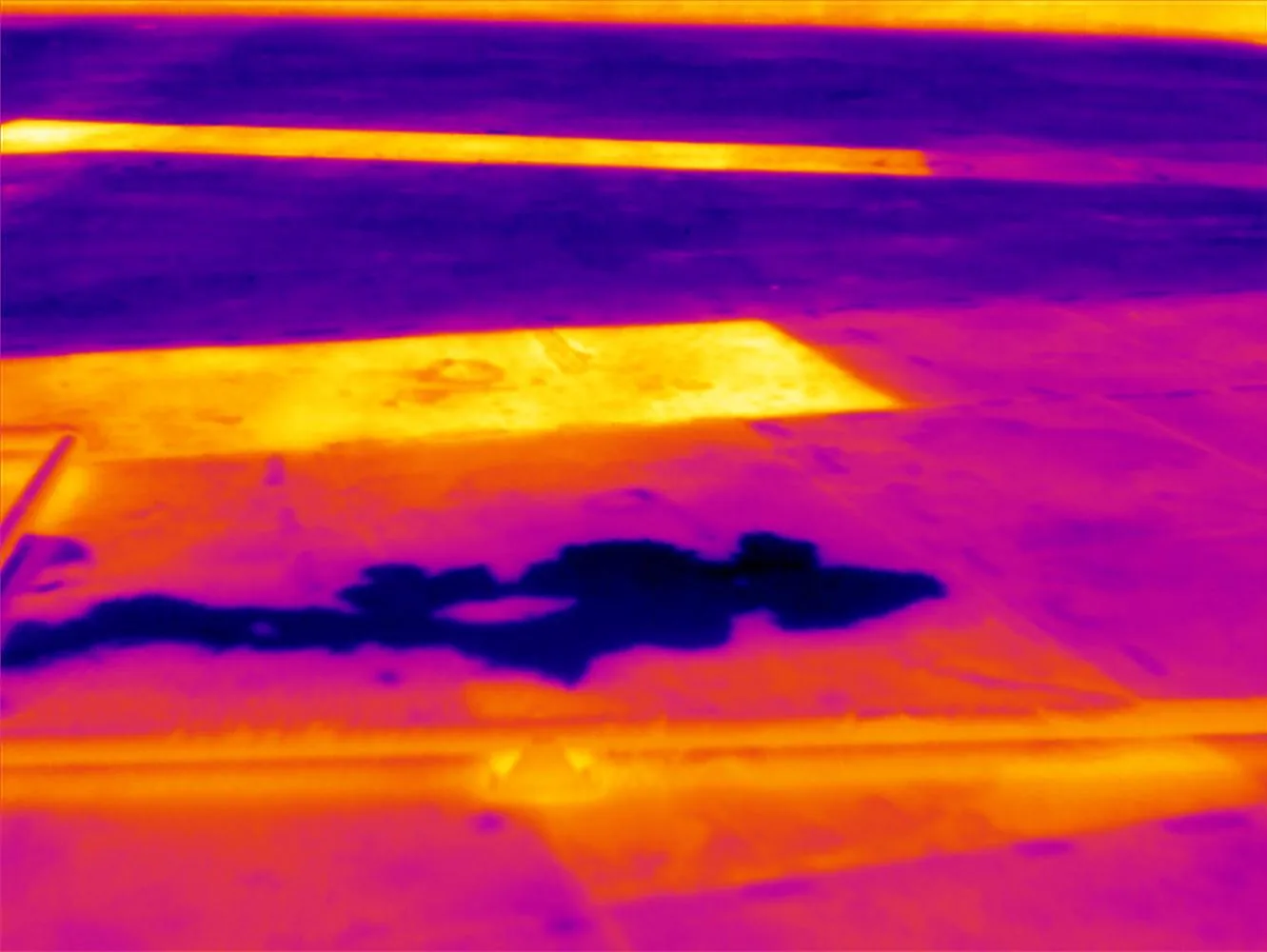
Debris removal, loose fastener correction, and a small open lap can belong in the maintenance scope when the adjacent material remains sound. A soft area, recurring leak, or blister with moisture below it needs a clearer boundary before anyone closes the surface. We mark that condition for testing or repair and explain what the next check will answer. If an infrared scan could help locate wet insulation, we pair it with a defined question and recommend an opening only where the result matters.
Local production and distribution uses put rooftop equipment and clear service lanes in the same work area as drains and penetrations. Hillsboro includes semiconductor and medicine manufacturing, packaging, and distribution uses. On those process-oriented roofs, a route around exhausts, curbs, and service doors has to be agreed with the building contact before the walk.
We sort findings into actions the property team can assign: correct now, schedule with the next roof work, test before pricing, or monitor at a named location. A repair scope identifies the preparation and tie-in needed to meet sound material. Where the issue is an edge transition, we record the metal, cleat, and membrane termination separately so a patch does not hide movement at the perimeter.
Keep the record useful between visits
Maintenance works best when each visit answers what changed since the last one. We carry forward roof maps, leak notes, repair photographs, and any access limits, then mark the current condition against that record. A changed stain below a drain can be compared with the roof detail above it. If an earlier repair remains dry and bonded, that outcome matters too. A photo-marked condition report keeps each observation tied to a place that facility staff can find.
A maintenance calendar starts with the owner’s operating pattern. In a production space, we confirm escort or spotter requirements; for a shop, we may need to avoid its receiving window. Metro designates Downtown Hillsboro a regional center for the western county. The facilities contact sets the actual roof entry, restricted areas, and visit duration.
A scheduled program can include seasonal walks, post-repair checks, drain clearing, seam observations, and a report for budget planning. We set the included areas and visit interval with the owner, then keep optional testing or corrective work separate. When a leak appears between visits, our emergency response is available every hour of the week, including holidays. The first response protects the interior and records the opening; the follow-up visit sets a permanent repair scope once the roof is safe to inspect.
For owners managing several buildings, consistent labels matter more than a long narrative. We can mark roof sections, recurring leak locations, and repair status so a manager can compare work across a portfolio. A capital planning record helps distinguish recurring upkeep from a larger assembly decision. The next visit should have a question to settle, such as whether a repaired lap stayed closed, whether a drain restriction returned, or whether an area marked for moisture testing remains unchanged.
Owners near the Tanasbourne and AmberGlen center or Orenco Station can include neighboring roofs in a planned program, but every assembly receives its own map and findings.
Questions About Preventive Roof Maintenance
What belongs in a scheduled maintenance visit?
The route can cover drains, overflows, seams, penetrations, terminations, walk paths, and prior repair locations. We mark each condition and separate routine upkeep from repairs or testing that need an additional scope.
Can the program include more than one building?
Yes. We keep a separate map and condition record for each roof, even when buildings share a property. That lets a manager compare similar items without treating one assembly's findings as proof about another.
What happens when a visit finds wet insulation?
We mark the suspected area and explain whether a scan or test opening would settle the repair boundary. Removal and replacement are priced from confirmed conditions, so the owner can review the affected area before it is closed.
Does maintenance cover an active leak between visits?
An active leak moves into a response scope. We can mobilize at any hour, including holidays, protect the interior, and return to define a permanent repair after the roof can be examined safely.
How does the record help with a future roof budget?
Visit notes show which details remained stable, which repairs returned, and where testing is still needed. We can group those findings by roof section so the next budget reflects observed work instead of an unmarked allowance.
Arrange a Hillsboro maintenance walk
Share the roof areas, leak history, and access rules. We will mark current findings, identify repairs or tests, and set a visit route that fits the building's operation.