
Manufacturing Plant Roofing in Hillsboro, OR
Manufacturing plant roofing in Hillsboro, OR starts with equipment clearances, moisture, and roof access. We inspect the assembly and plan work by area.
Manufacturing Plant Roofing
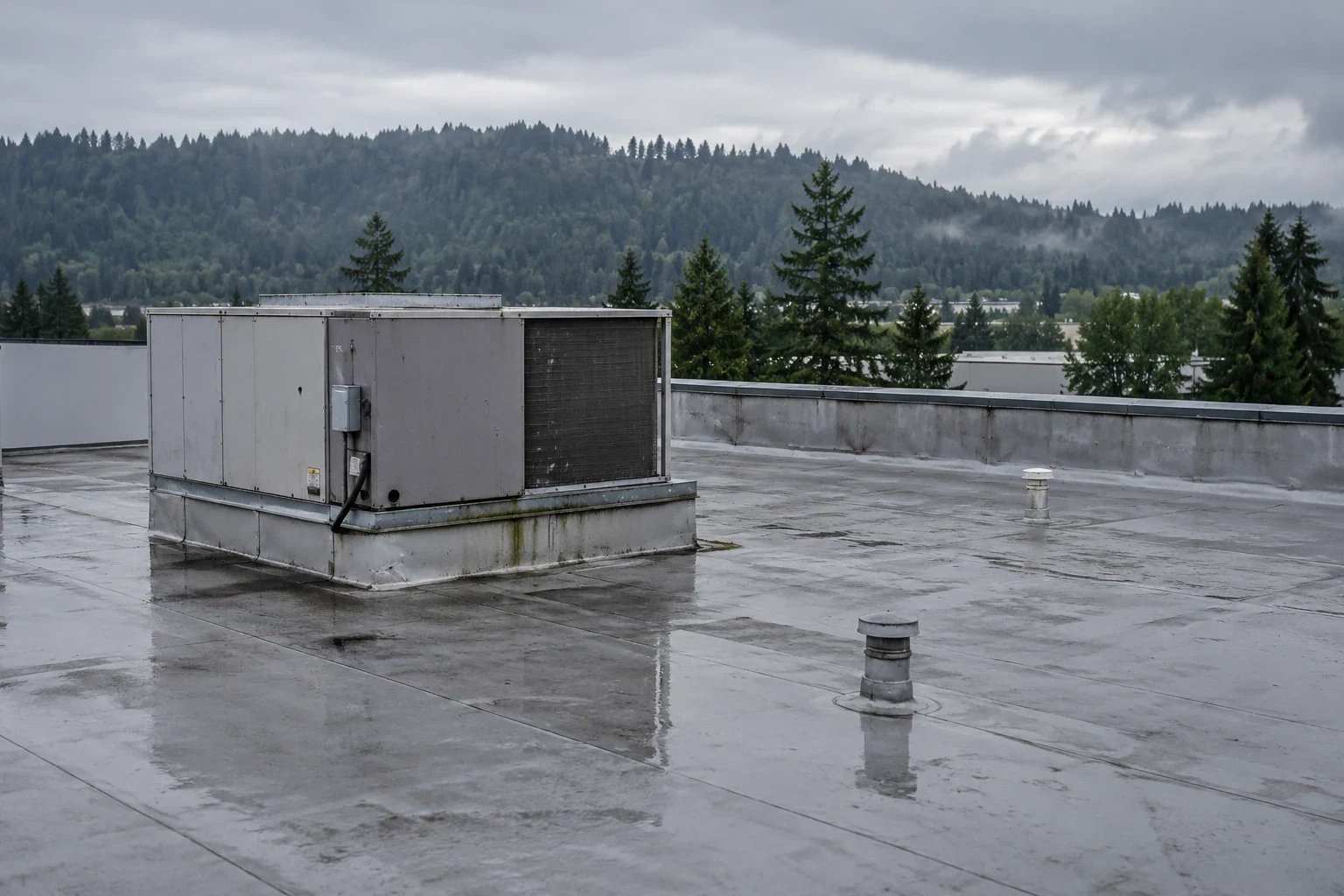
A plant roof has more to protect than the space below the membrane. Equipment curbs, exhausts, pipe supports, and service paths interrupt the field and give water several places to enter. In Hillsboro, OR, I inspect those transitions before recommending a patch or replacement. The first record identifies the assembly, moisture conditions, penetrations, and areas where roof access must stay clear for plant staff.
Hillsboro has advanced-technology manufacturing and medicine-packaging activity, making equipment access a practical inspection question for process buildings. We identify curbs, exhaust routes, and service zones that must remain available while roofing proceeds. A roof inspection turns those observations into marked findings and a work boundary.
A manufacturing roof can carry TPO, PVC, EPDM, built-up roofing, modified bitumen, standing-seam metal, or another assembly. We identify the assembly from roof records, membrane markings, seam patterns, fastening, and edge details. Around the Tualatin Valley Highway corridor, production, commercial, and employment properties share regional routes, but each roof has its own drainage and access layout. We inspect those details before pricing a repair.

Related Roofing Pages
More pages on commercial roofing in Hillsboro:
Record every roof penetration
At a curb, we check the flashing height, corner patches, counterflashing, and nearby laps as one transition. Exhaust stacks and pipe supports need details that tolerate movement without trapping water. We photograph the condition and note nearby equipment clearances before setting a repair. If a unit must remain in service, the facility contact identifies the access and shutdown rules that constrain work. For facilities near Beaverton, truck turns and roof-entry routes still vary by property; we confirm them with the contact.
Hillsboro receives its heaviest normal precipitation between October and January. A loose termination or blocked drain can be exposed repeatedly during that stretch. We inspect slope changes, drain bowls, overflow paths, and low points, then check whether moisture has reached the insulation. A moisture survey can help locate suspect areas; a selective opening confirms the layers where the reading alone is not enough.
Process equipment can make a roof walk more involved, so we agree on a safe route and work boundary first. 185th Avenue is part of the westside network that moves people and goods. At each plant, we confirm the gate, truck turns, delivery rules, hatch, staging point, mechanical paths, and fall-protection limits with the site contact. The report records inspected areas separately from spaces that remained inaccessible.
Protect the assembly around process equipment
A localized opening can be repaired when the membrane is sound around it and the insulation below is dry. We remove failed material to a stable boundary, prepare the substrate, rebuild the flashing, and inspect the finished seam. If a pipe support or curb moves, the repair must account for that detail rather than bridge it with sealant. Flashing repair can be scoped separately when the field membrane remains serviceable.
When several penetrations show similar separation, we compare the repair work with replacement of that roof section. Wet insulation, weak attachment, or repeated movement changes the boundary and may require a larger opening. We map each area and price the confirmed work independently from conditions that still need testing. For a facility with several roofs, condition reports can keep findings organized by building, roof zone, and next action.
System selection follows the verified deck, insulation, exposure, and operating requirements. A warehouse roof may have similar long fields, while a cold-storage roof adds temperature and vapor-control questions. We review material compatibility, attachment, drainage, and the manufacturer’s installation details for the actual assembly. No coating or recover corrects active moisture or a moving curb by itself.
Coordinate work with production schedules
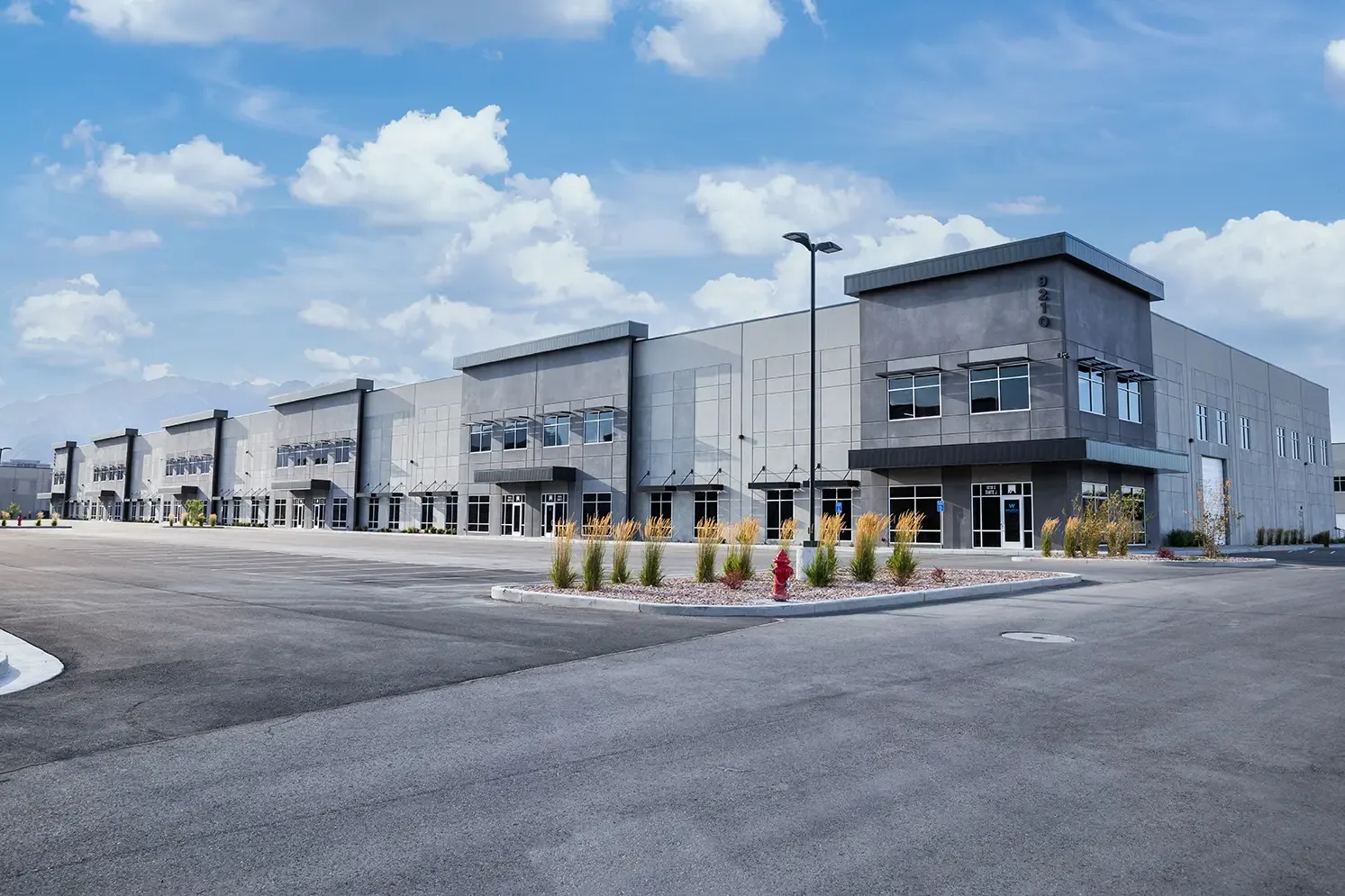
Before mobilization, we identify the units that need continuous service, any exhaust or intake that cannot be obstructed, and the paths crews can use. The scope records lift placement, staging, roof access, and protection for open penetrations. If a shutdown or temporary diversion is necessary, the facility lead sets the approval window. The work plan gives the owner a sequence to review before materials reach the roof.
We limit tear-off to sections that can be restored within the weather window and protect the roof at the end of each shift. When hidden moisture extends beyond the marked boundary, we stop at the affected area, document the condition, and price the added work before proceeding. This keeps a change in the assembly from becoming an unreviewed expansion of the project.
Manufacturing schedules may include shifts, sanitation intervals, or equipment access windows, depending on the property. We confirm those requirements rather than assume a common plant routine. Our occupied-building reroofing approach keeps staff routes and roof zones in the work sequence. For a larger capital decision, the owner can compare immediate repair, phased replacement, and recover only after the deck and insulation have been checked.
Separate roof work from equipment work
Price reflects the repair area, the number and type of penetrations, insulation removal, access, and the material needed to restore each transition. A single curb flashing is different from a section where moisture has spread beneath several equipment zones. We measure the affected area and list any test opening, protection, lift, or trade coordination that changes the scope. The estimate separates roof work from tasks that belong to another system contractor.
Weather also affects timing. A wet substrate cannot accept every repair material, and cold conditions can change preparation and cure requirements. We check the forecast and surface conditions before setting an installation sequence. If the work is exposed during Hillsboro’s wet months, short phases and verified temporary tie-ins limit the area open at once. A schedule should account for access and weather together.
Preventive visits check drain bowls, edges, curbs, and earlier repairs before a small opening grows into an interruption. Roof maintenance can record changes and prioritize the next work area, but it does not replace a damaged assembly. If water is actively entering, our emergency repair service can respond any hour, weekends and holidays included, to control water until the lasting repair is set.
Questions About Manufacturing Plant Roofing
How do you roof around equipment that cannot shut down?
We confirm operating limits, service clearances, exhaust paths, and any work window before setting the repair area. The sequence can isolate one curb or roof zone while equipment remains in operation, when the site rules permit. If a shutdown is required, the facility contact approves that step before the crew mobilizes.
Can a leaking curb be repaired without replacing the membrane?
A curb repair can stay local when the field sheet, insulation, and adjacent flashing remain sound. We inspect the corners, termination, and nearby seams, then define the repair boundary from those findings. If moisture or movement extends beyond the curb, we show the additional test or replacement area separately.
What does a moisture survey confirm on a plant roof?
A survey helps locate areas that may hold moisture, then a selective opening can confirm the insulation and deck condition. We compare readings with drains, penetrations, and the interior report before setting removal limits. The written findings distinguish confirmed wet material from areas that need another check.
How do you keep roofing materials away from production areas?
We coordinate the roof hatch, lift, staging zone, and material route with the site lead. The plan identifies where temporary barriers or notices are needed and how open sections will be protected at shift end. Any facility-specific handling or access rules are confirmed before work begins.
When should a plant consider phased replacement?
Phasing can help when roof zones have different conditions or operations require controlled access. We map each section, mark urgent moisture or seam issues, and compare short-term repairs with replacement boundaries. The sequence is priced with the access windows and temporary tie-ins needed to keep the rest of the assembly protected.
Arrange a manufacturing roof inspection
Tell us which equipment must remain available and where water is appearing. We will inspect penetrations, membrane, and insulation, then mark repair or replacement options by roof zone.