Commercial Roofing for Retail and Restaurant Chains in Hillsboro, OR
Coordinate roof maintenance and repairs for Hillsboro retail and restaurant locations with marked leak findings, equipment details, and work windows.
Retail and Restaurant Chains
A leak above a dining room or sales floor can travel from a drain or curb before it reaches the ceiling. In Hillsboro, OR, recurring rain puts drainage and roof transitions on the inspection list, while each storefront or restaurant has its own hours, equipment, and customer route. We trace the water path, mark the repair boundary, and coordinate access with the local contact. Tanasbourne and AmberGlen have a regional-center designation in western Washington County. For a store or restaurant there, we confirm whether the proposed roof route crosses a customer entrance or a loading area. Downtown Hillsboro is another named center for commerce and local government. Those settings support different kinds of commercial activity, but neither establishes the roof assembly at a specific store. We inspect drains, seams, rooftop equipment, and flashing at each property, then coordinate the work around its service and delivery hours.
Related Roofing Pages
More pages on commercial roofing in Hillsboro:
Trace water before closing a customer area
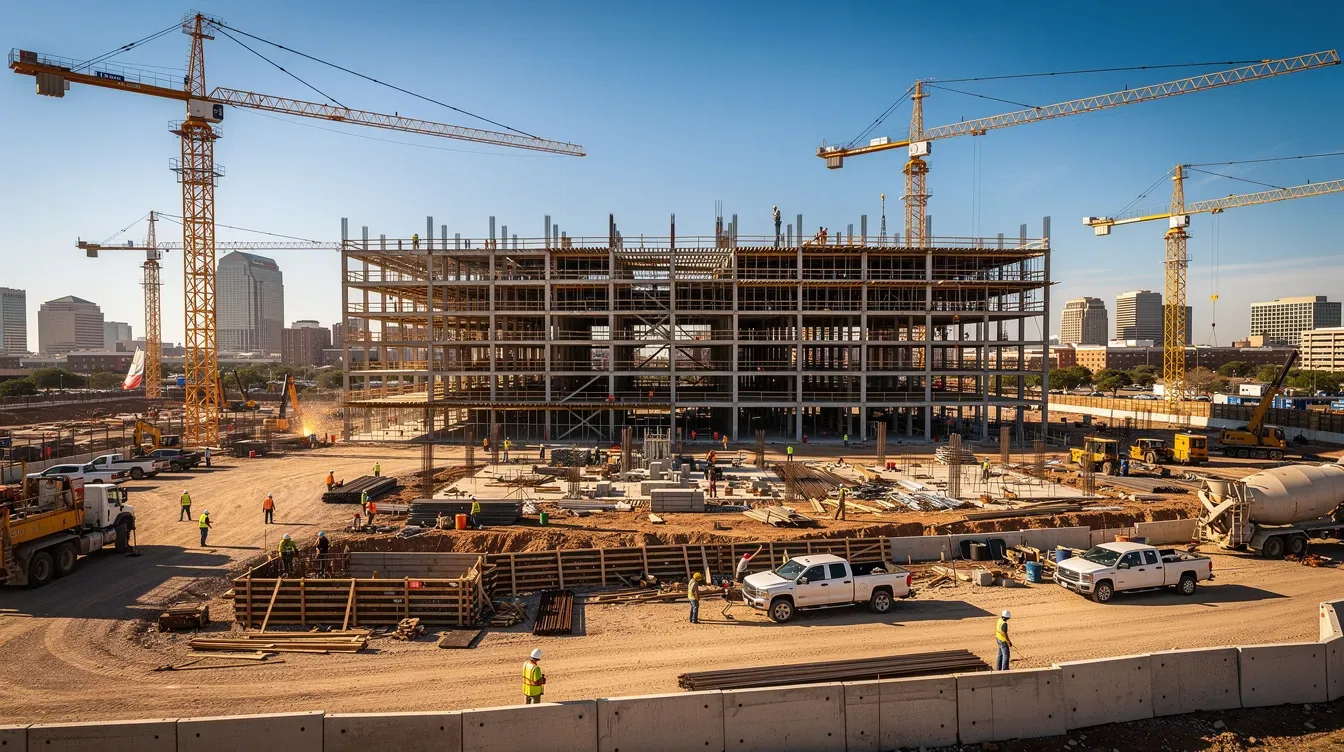
A ceiling stain may sit several feet from the opening. Water can travel along deck flutes, insulation joints, conduit, or a low slope before it appears above a sales or food-preparation area. We compare the interior report with field seams, curbs, exhaust penetrations, skylights, parapets, and drain bowls. Photographs and marked locations separate the likely entry point from the path moisture took through the assembly.
Hillsboro normals show the wettest monthly precipitation from October through January. We inspect strainers, overflow routes, drain bowls, and low areas to see whether water is held by debris, slope, or wet insulation. A blocked outlet may need maintenance; an opened seam or saturated substrate needs a repair boundary. Where a restaurant has rooftop exhaust or refrigeration equipment, we record the curb and flashing detail, then confirm whether access must avoid service work.
A commercial roof inspection can give a chain's facilities team marked photographs and an observed assembly for each address. If moisture may extend beyond the surface defect, an infrared moisture survey or test opening can help answer that question before a larger scope is priced.
Plan a repair around store and kitchen hours
Before mobilization, we confirm opening hours, loading, roof access, fall protection, staging, and the route for materials. The local manager identifies entrances that must remain clear and any kitchen, refrigeration, or point-of-sale equipment that needs notice. We map the lift and work zone, then set a daily closeout point. If a roof opening reaches wet insulation or a larger seam failure, the area is secured and the added boundary is reviewed before the repair continues.
Oregon Highway 8, known locally as Tualatin Valley Highway, links Forest Grove, Cornelius, Hillsboro, Aloha, and Beaverton. It serves regional transit as well as commercial properties. That context can matter for delivery planning, but a store's actual driveway, dock, and customer entrance govern the work setup. At Tanasbourne and AmberGlen, we still confirm each property's loading route and hours rather than infer access from the district designation.
For an occupied location, noisy tasks or temporary barriers can be set during agreed windows. We keep the customer route clear where the property permits and protect any open roof area at shift end. At any hour, holidays included, we respond when water entry threatens a sales floor, kitchen, or stored goods.
Check the roof around exhausts and refrigeration
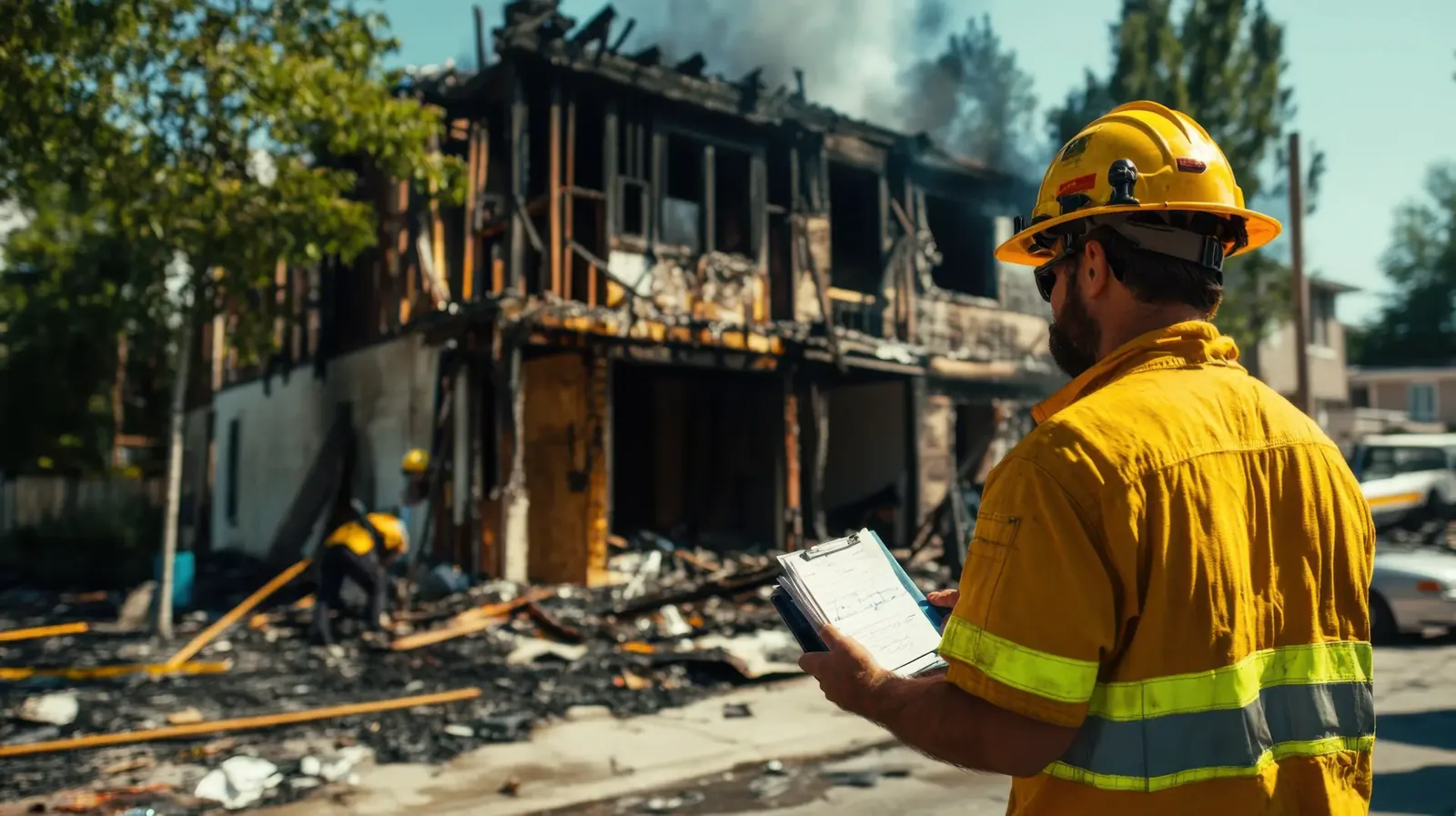
Restaurant exhaust, plumbing, refrigeration lines, and rooftop units create transitions through the field membrane. We inspect curb corners, pitch pockets, support posts, and nearby seams where movement can loosen flashing. A repair at a metal panel differs from a thermoplastic seam or EPDM lap. We identify the system and prepare a compatible patch so its edge meets sound material and remains visible for later inspection.
Hillsboro winter normals include days when the minimum temperature reaches freezing. Water at a drain or exposed curb can put stress on a weak detail as temperatures change. We look for a loose termination, trapped water, or sealant that no longer meets the substrate. A coating is considered only when the surface and moisture condition support it; it does not correct wet insulation or an equipment curb that is still moving.
If one section is sound and dry, a localized repair may suit it. If the membrane or insulation has failed across several areas, we price replacement separately. Our TPO repair work follows the field sheet present, while a different assembly receives its own preparation and flashing detail.
Separate location work from chain-wide standards
Cost follows roof condition, access, the measured boundary, and protection needed below. A patch may involve one curb or seam; replacement can add tear-off, insulation, edge metal, drains, lift placement, and disposal. Store hours may narrow the work window, while a restaurant's exhaust or refrigeration service can affect when a curb may be disturbed. We state those assumptions and keep concealed conditions separate until a test identifies their extent.
A chain can use consistent report fields across locations while keeping each repair tied to the actual roof. We note assembly, access limits, photographs, and the next decision, then organize work by water entry and operating impact. A coating or recover is not selected simply to standardize the portfolio. We check moisture, attachment, added weight, drainage, and code conditions before comparing those options with replacement.
A managed-property roof record can help a facilities team carry inspection findings between locations. For restaurant groups and lodging operators, hospitality roof planning also needs to account for guest or service hours. Each Hillsboro address still needs its own walk and scope.
Keep each location's repair history usable
At closeout, we provide marked locations, photographs, materials, and notes on areas we could not reach. The next visit can check the same drain, exhaust curb, or seam and compare any new interior report with the earlier repair. Our maintenance visits can clear drainage, inspect terminations, and update the property record before another wet season.
Downtown Hillsboro's role as a regional commerce and local-government center can place commercial buildings near public services and transit. At each store, we confirm the roof system and operating hours with the manager, then coordinate the work zone around its entrance, deliveries, and equipment service schedule.
For locations along Tualatin Valley Highway, deliveries and customer access remain part of the site plan. We record the route used, any barriers, and the scope completed, then leave the chain with a clear next action. If moisture remains beyond the repair, the report states which test or replacement estimate would settle that question.
Questions About Retail and Restaurant Chains
Can roof work be scheduled before a store opens?
We confirm the location's access, delivery, and operating hours with the manager. A repair may fit an early window if materials and protection are ready. Larger work can be phased, with the customer entrance, loading route, and end-of-shift roof protection shown in the plan.
How do you inspect a roof above a commercial kitchen?
We check exhaust curbs, penetrations, seams, drains, and the flashing around rooftop equipment, then compare those details with any interior moisture report. If service work must move or isolate equipment, we coordinate that point with the site contact before opening the roof.
What happens if the leak is far from the roof opening?
We map the interior mark and inspect likely water paths along the deck, insulation, and roof slope. The report distinguishes a confirmed entry detail from the route moisture followed. If the boundary remains unclear, we identify a test opening or survey before pricing a larger repair.
Can one inspection program cover every chain location?
We can use consistent report fields across the portfolio, but each address needs an inspection of its assembly, drainage, equipment, and access. The records can be compared without carrying one repair method or schedule from one property to another.
When is coating a good option for a store roof?
The existing surface must be suitable, and moisture below it must be addressed. We check seams, penetrations, adhesion, and drainage before recommending a coating. Wet insulation, a moving curb, or a failed drain needs another correction first.
Arrange a retail or restaurant roof walk
Tell us the location, operating hours, and where water appears. We will inspect the roof, outline the repair boundary, and plan access around customers, deliveries, and equipment service.