
Commercial Roofing for Hospitality Groups in Hillsboro, OR
Coordinate hotel roof inspections and repairs in Hillsboro, OR, with guest-area protection, equipment checks, and work windows planned by property.
Hospitality Groups
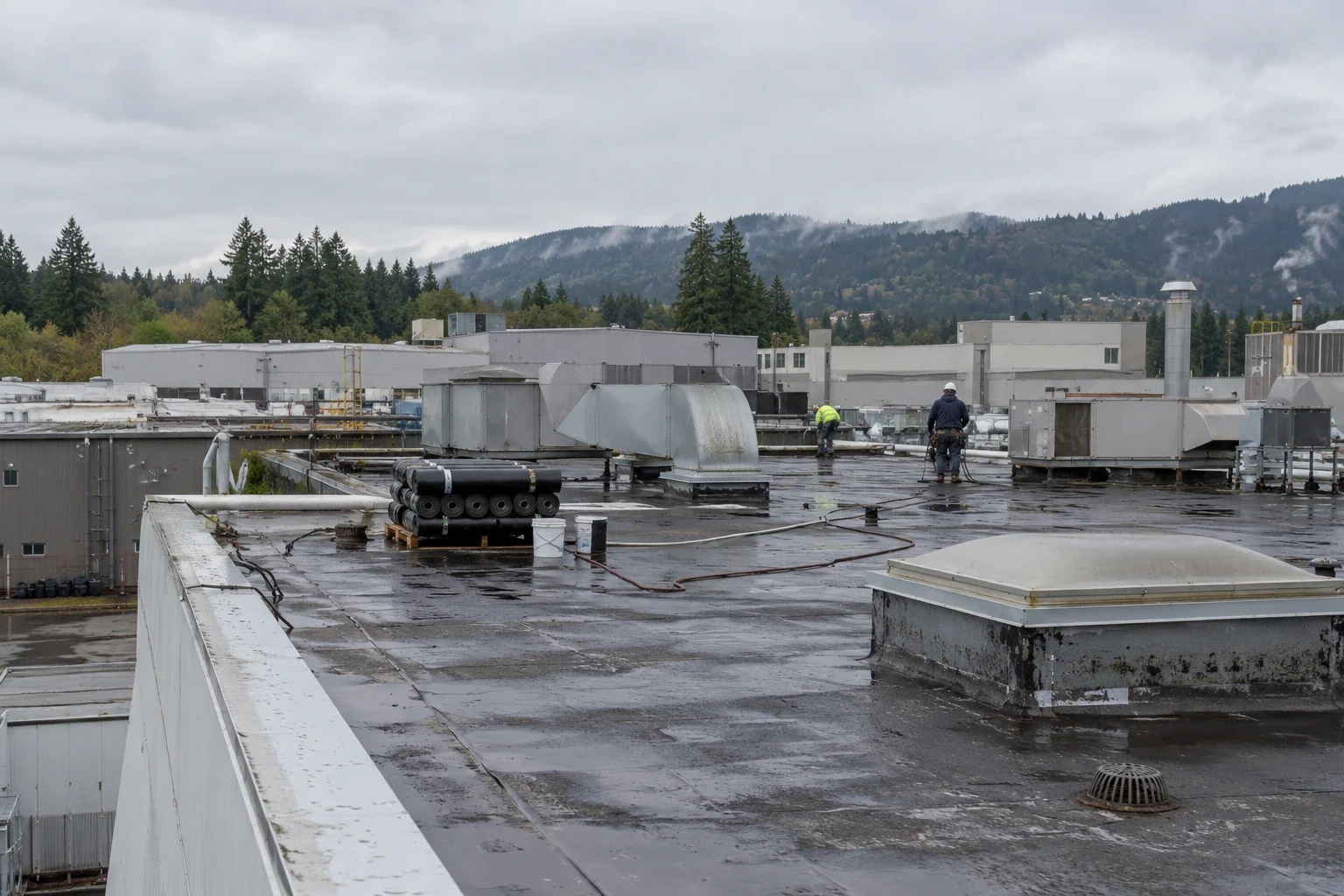
A water mark in a guest room can begin at a roof curb several rooms away. In Hillsboro, OR, recurring cool-season rain makes drains, seams, and equipment flashing useful points to inspect before a small opening disrupts occupied space. We trace the water path, photograph the roof detail, and mark where a repair can meet sound material. The regional-center role of Tanasbourne and AmberGlen extends across western Washington County. A lodging project in that setting needs the hotel’s own service entrance and guest-circulation requirements recorded before roofing is scheduled. Before a phased occupied-building repair, we walk the actual roof route with the property's representative and identify guest-facing spaces, service doors, equipment, and the hours when access is possible.
Related Roofing Pages
More pages on commercial roofing in Hillsboro:

Locate the opening above the guest report
Water can move along a deck flute, insulation joint, conduit, or slope before it appears on a ceiling. We compare the guest or staff report with roof seams, drains, parapets, skylights, plumbing vents, exhausts, and equipment curbs. Photographs distinguish the likely entry point from the interior path. The wettest normal months at Hillsboro are October through January. Before that period, we compare repeated guest-room reports with the drain and curb locations above, then mark which details need repair or testing. We inspect drain bowls, strainers, overflow routes, and low areas for the conditions that can hold water. Debris may call for maintenance; a weak drain connection or wet insulation requires a different repair. Where moisture may extend beyond the visible opening, we identify whether an infrared survey or test cut would clarify the boundary before a larger scope is priced.
A marked condition report gives hotel facilities staff photos, observed assembly, and notes on areas not reached. We can coordinate the findings with room logs and equipment service records, then recommend whether a patch, further test, or replacement estimate fits the roof evidence.
Keep guest and service routes in the work plan
Before mobilization, we confirm the hotel schedule, loading area, roof access, fall protection, staging, and entrances that must remain open. The facilities contact identifies sensitive rooms, mechanical equipment, deliveries, and any quiet-hour limits. We map the lift, material route, and temporary barriers, then set a daily closeout point so no roof section remains exposed when the crew leaves. If the repair grows after an opening, we secure the boundary and review added work before proceeding.
Deliveries on a Hillsboro hotel project depend on the property's own entrance and loading arrangement. We ask the facilities contact to identify the approved truck approach, lift position, and any shared guest or kitchen route, then show those constraints on the daily work map. Regional roads and transit may shape travel timing, but only the site team can confirm where a crew may stage.
Emergency response is available at any hour, holidays included, when an active leak affects an occupied room or service area. Planned replacement can use sections and daily dry-in points. We coordinate noisy tasks with the hotel so the work sequence accounts for guest areas, housekeeping, and maintenance access.
Check the membrane at rooftop equipment
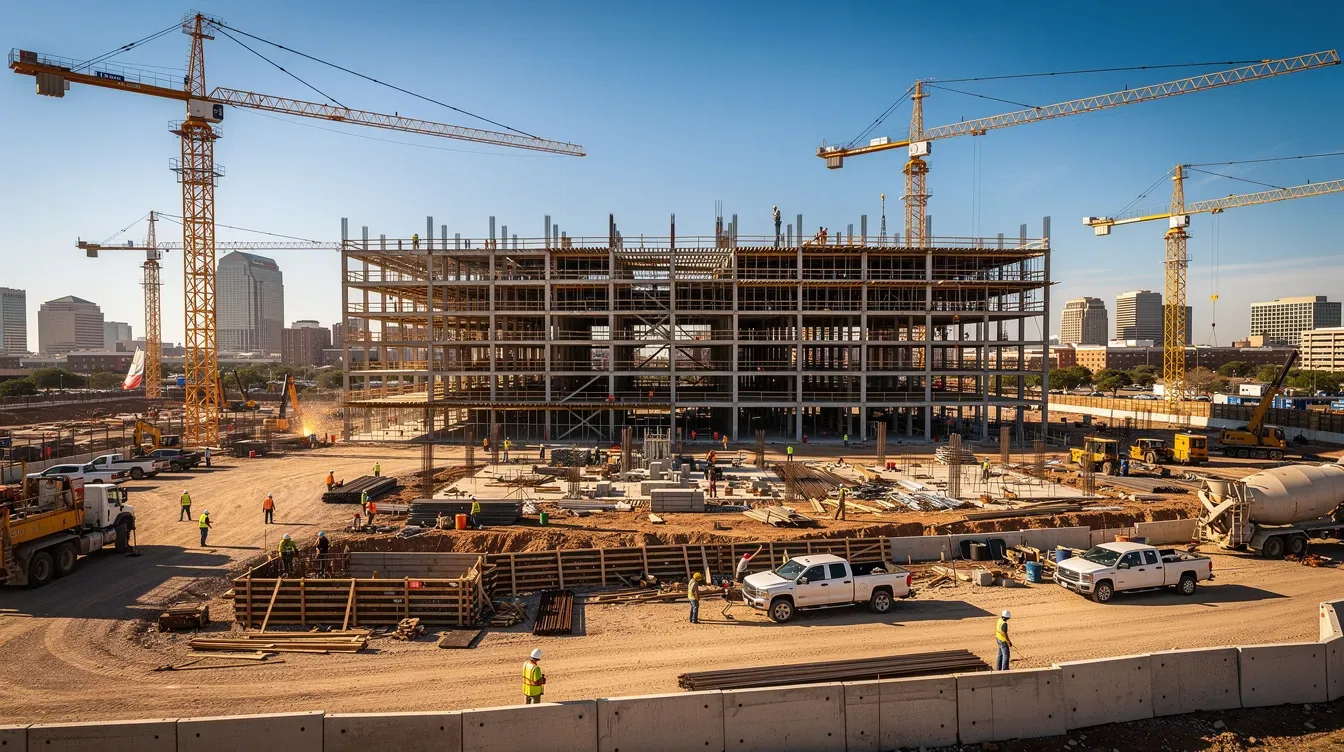
Hotels often have HVAC units, exhaust fans, plumbing vents, and service paths above rooms and common areas. We inspect the curb flashing, support posts, seams, and drains around those details. A thermoplastic membrane, EPDM lap, modified-bitumen roof, built-up surface, or metal panel each requires different preparation. We identify the assembly before specifying a patch and leave a repair edge that can be inspected during the next roof walk.
When temperatures dip below freezing, a wet curb or exposed termination deserves closer inspection. We look for displacement, split sealant, and water held near the detail, then determine whether the cause is a drain restriction, a failed lap, or a damaged transition. A roof coating enters the discussion only after the existing surface, adhesion, and moisture readings support that option; concealed wet insulation must be addressed separately.
A localized repair may work when the surrounding roof is dry and sound. If seams have failed across multiple areas or moisture is widespread, we price replacement separately. We can assess a EPDM assembly or another system based on its actual condition rather than the building's use.
Compare the repair with guest-area disruption
We remove failed material, prepare the substrate, reinforce patch edges, and check the nearby lap or termination. The work record shows the location and materials so hotel staff can compare a later leak with the earlier repair. If moisture extends beyond the visible defect, we mark it and provide a separate scope. That keeps the immediate correction distinct from a larger replacement decision.
Cost depends on assembly, access, lift requirements, protection below, and the measured repair area. Tear-off, insulation, perimeter metal, drain work, disposal, and restricted work hours can change a replacement estimate. A recover is considered only when the roof is dry and stable, attachment is verifiable, added weight acceptable, and drainage and code conditions work. We state the assumptions so ownership can compare options with the hotel's operating plan.
For properties near Downtown Hillsboro, we coordinate the site access and work hours with the hotel itself. For a portfolio, managed-property records can keep repair photos and follow-up notes organized by address. Each recommendation remains tied to the inspected roof.
Carry the repair record to the next property visit
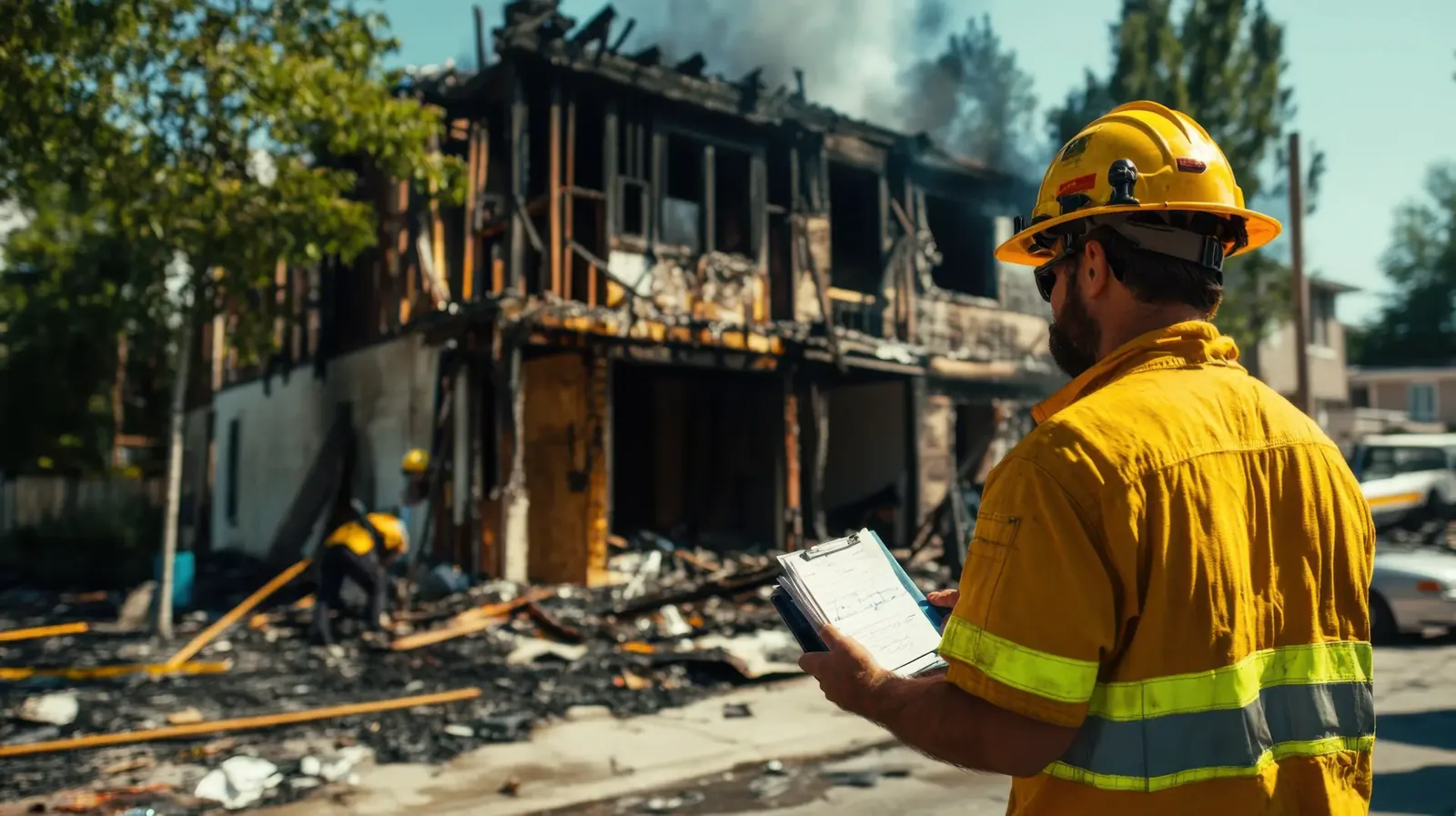
The closeout file records completed repairs by roof location, with images, material notes, and any access restriction that limited the review. During a later maintenance visit, staff can compare a drain or curb against that record and decide whether another check is warranted. This makes the next inspection specific to the property's observed condition rather than a portfolio-wide assumption.
A hotel group can use consistent report fields across locations without treating every roof as identical. We record the assembly, visible moisture, guest-area impact, access restrictions, and next decision. For a building with restaurant or distribution uses, our retail and restaurant roof work also considers kitchen equipment and loading hours. The location's actual use and assembly set the repair sequence.
Downtown Hillsboro and Tanasbourne/AmberGlen are two different regional settings in the market. At either, the hotel's room schedule and roof condition decide when work can occur. The report can show what was corrected, what remains under observation, and whether another test or capital scope should be scheduled.
Questions About Hospitality Groups
Can roof work happen while guest rooms remain occupied?
We confirm room schedules, quiet hours, loading, and equipment access with hotel staff. A localized repair can often be phased, while replacement needs a larger plan for material lifts and dry-in. We mark guest routes and daily protection points before work starts.
How do you trace a leak that appears far from the roof detail?
We compare the interior report with drains, seams, curbs, vents, and slope above it. Water may travel through insulation or along the deck. The report marks the likely entry detail separately from the path and identifies any test needed to confirm the boundary.
What should a hotel roof closeout include?
Keep marked locations, photographs, materials, and access notes with the property record. We note the repaired detail and any adjacent area needing follow-up. That lets facilities staff compare a later report with the same seam, drain, or curb.
When is a coating suitable for a hotel roof?
The surface must be compatible and the assembly below must not hold unaddressed moisture. We inspect seams, curbs, drains, and adhesion, then decide whether the coating fits. Wet insulation or a moving flashing needs another correction first.
Can a group schedule inspections across Hillsboro properties?
Yes. We can group roof walks by access and weather window while keeping the assembly, condition, and next action separate for each hotel. Shared reporting fields help compare findings without assuming that the roofs need identical work.
Arrange a hotel roof inspection
Tell us where water appeared, the guest or service areas affected, and the hours available for access. We will mark the roof condition and prepare a repair or capital scope for the property.