
Commercial Roofing for Property Managers in Hillsboro, OR
Coordinate commercial roof inspections, repairs, and planned replacement across managed properties in Hillsboro, OR, with marked findings and clear scopes.
Property Managers
A leak ticket at one building can become a portfolio problem when the repair boundary is unclear. In Hillsboro, OR, property managers may balance offices, production space, and distribution operations, each with its own roof and access plan. We mark the wet area, trace likely water paths, and record seams, curbs, and drains. The result gives you a property-level decision rather than a blanket recommendation for every address.
Hillsboro receives recurring rain, with wetter normal months from October through January. Drainage and terminations deserve attention before a small opening reaches occupied space. We group findings into repair, maintenance, and replacement items, then give each building its own work sequence. A roof at Downtown Hillsboro may need a different access plan from a building near Orenco Station, even when both show similar interior staining. For a wider mix of properties, our work with manufacturing buildings and logistics facilities accounts for equipment and operating schedules.
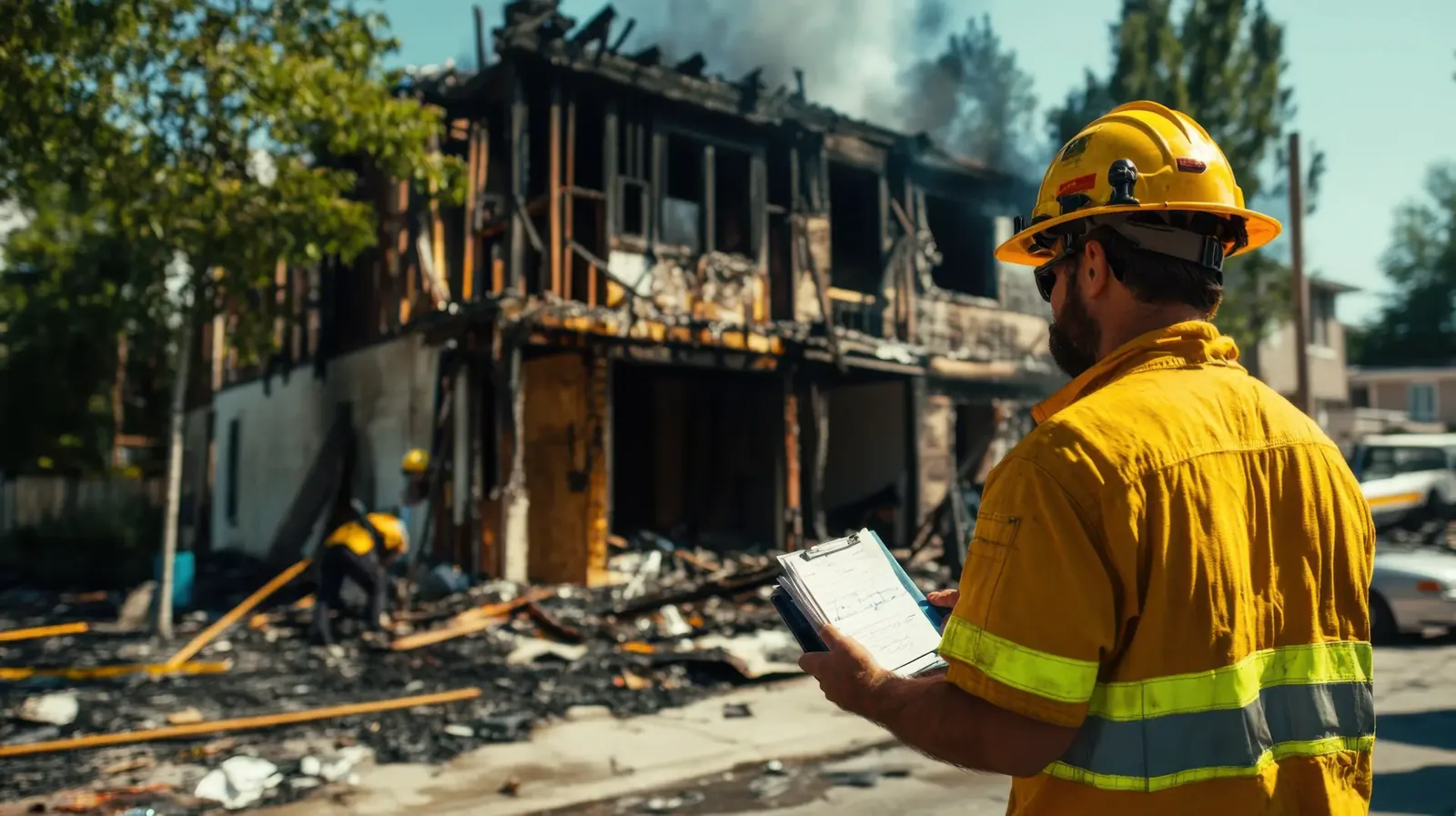
Related Roofing Pages
More pages on commercial roofing in Hillsboro:
Sort the roof record by condition
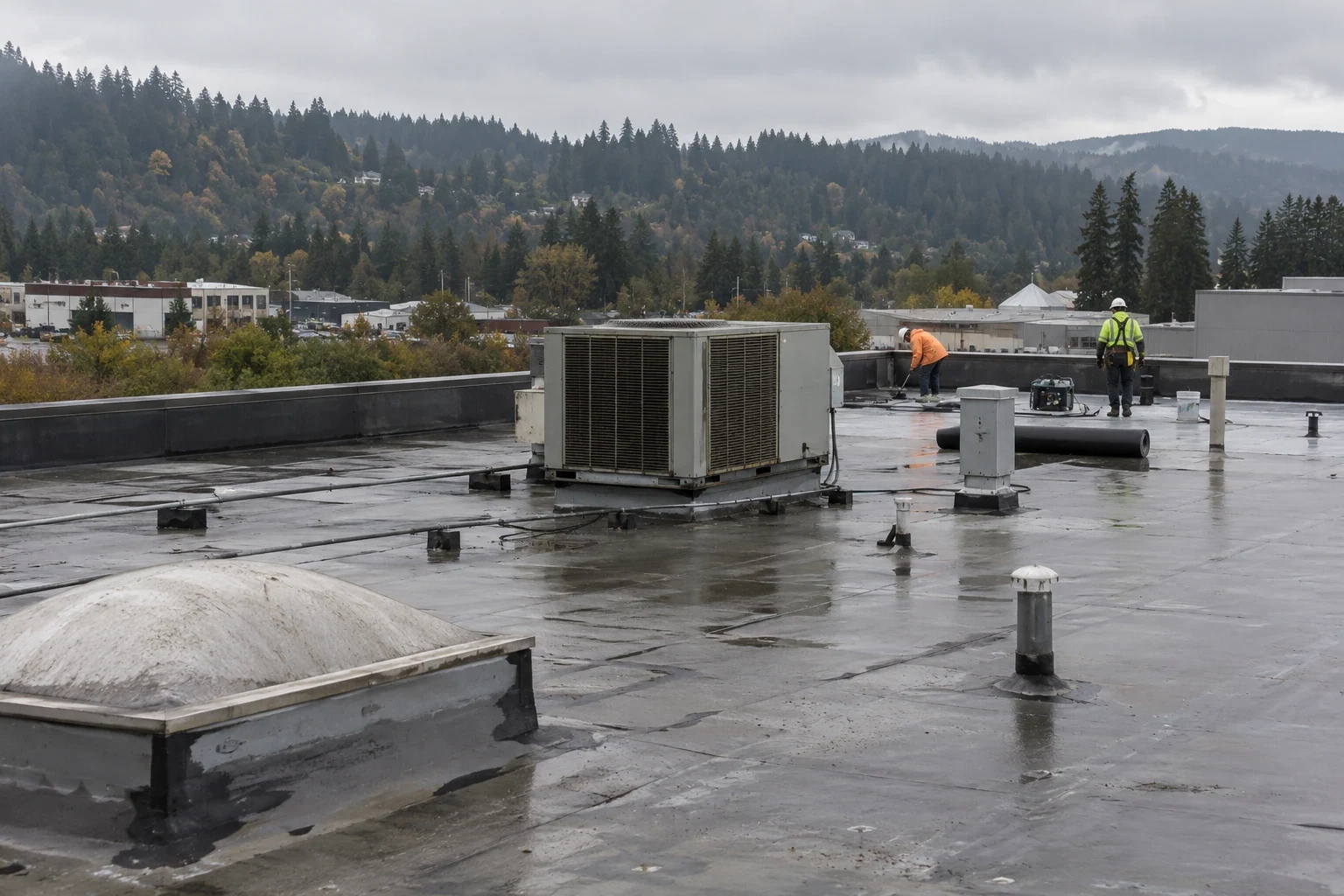
A portfolio spreadsheet cannot show whether moisture has crossed a seam or stopped at a repair. We walk the roof, identify the visible membrane, and photograph details that control the repair boundary. The report separates confirmed defects from blocked or unsafe areas. A marked condition report can support an authorization without turning one leak into an assumed replacement.
Hillsboro has two Intel manufacturing facilities in Washington County, and Ronler Acres includes a reported cleanroom addition. In this building stock, recording equipment curbs, service paths, and roof access constraints matters alongside membrane condition. We identify the roof system from visible materials and records, then note seams, penetrations, edge metal, drainage, and wet insulation.
Similar symptoms across several properties still need separate repair decisions. A blocked drain, lifted termination, and membrane puncture require different preparation. If a test opening is needed, the report states what question it should answer before a larger scope is priced.
Give each building a repair boundary
A sound repair meets sound material. We remove failed material, prepare the substrate, and tie a compatible patch into the assembly with reinforced edges and secure flashing. The closeout records the location and materials so the next roof walk can check that seam or curb. If wet insulation reaches beyond the visible opening, we mark the boundary and price the added work instead of covering it with a surface patch.
Consistency belongs in the record, not in an identical scope. We can use the same inspection fields across properties while tying each repair to its actual membrane and condition. A localized defect may call for a patch; widespread deterioration or an unreliable tie-in may support a separate replacement scope.
The Tualatin Valley stretch of Highway 8 runs among Forest Grove, Cornelius, Hillsboro, Aloha, and Beaverton, linking several places where managed commercial buildings operate. Properties along it have different loading and tenant schedules. We set service windows with each contact, while the roof condition determines the repair method.
Match the scope to the assembly
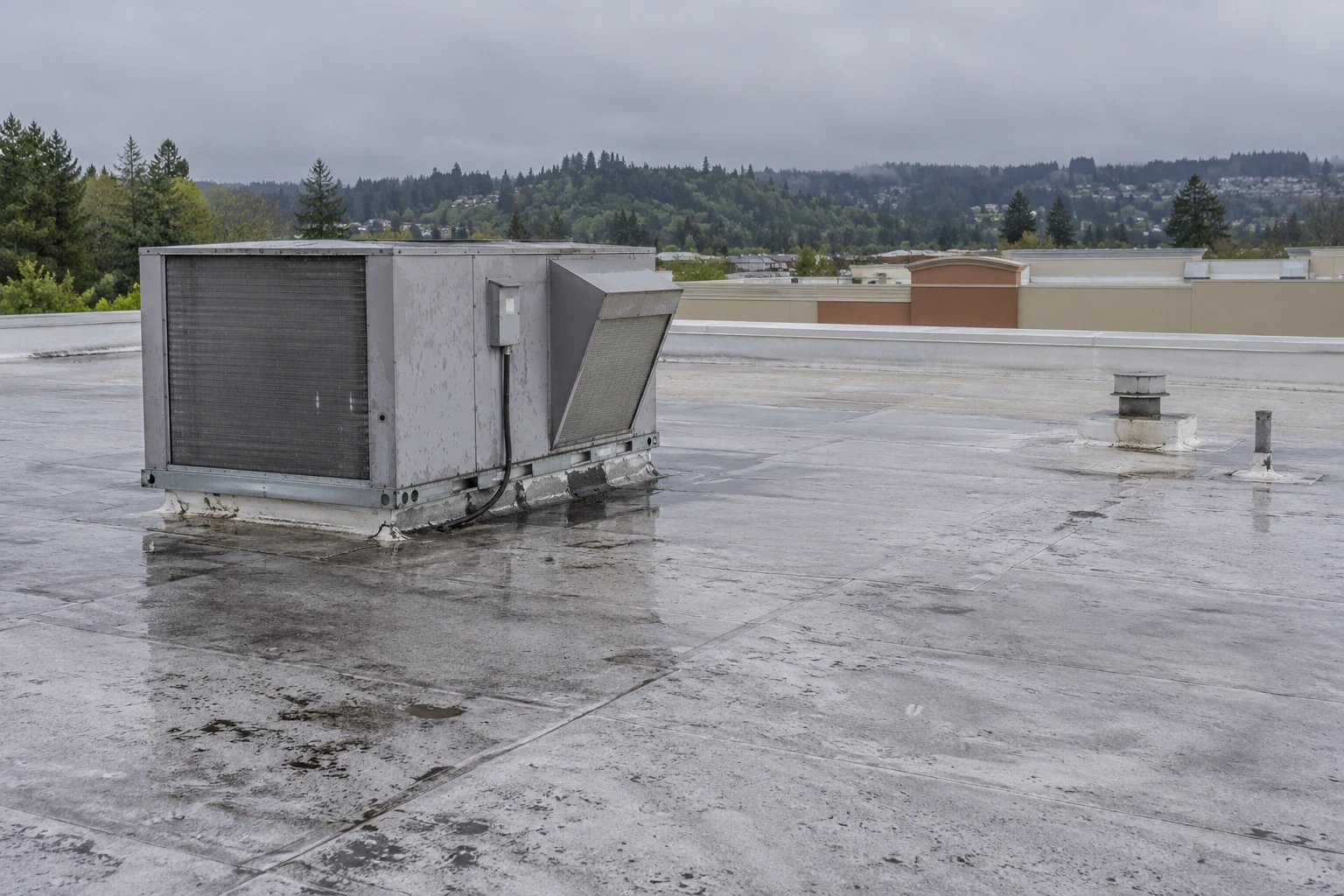
Two roofs can look alike from the lot and still need different repair materials. Thermoplastic membrane, EPDM, modified bitumen, built-up roofing, and metal panels have distinct seams and transitions. We identify the assembly before specifying a patch, recover, or coating. If records are incomplete, we inspect a representative area and note what needs confirmation. A larger capital review can include a roof survey for acquisition or planning that records assembly, visible condition, and access limits.
Hillsboro’s winter normals include repeated days at or below freezing. That makes drain bowls, exposed sealant, edge transitions, and equipment supports useful inspection points after winter weather. We check whether debris, a low area, or an opened detail is holding water. Before restoration is priced, we check adhesion and the condition of layers below. A damp or deteriorated assembly calls for a different scope than a stable roof field. After a freeze, we note any seam or flashing movement before the next rain tests that transition again.
Coordinate access across occupied properties
Before work starts, we confirm roof access, loading limits, staging, fall protection, tenant hours, and rooftop equipment. Those details determine whether a repair is a short visit or a phased scope with temporary protection. The manager identifies building contacts and restricted work windows; we mark the lift location, material route, and areas that must stay clear.
Orenco Station is planned around the MAX Blue Line, with shops and services near high-capacity transit. At a property nearby, we confirm the loading area and roof path with its site contact. Near customer or tenant entrances, we coordinate lifts and barriers so ordinary use can continue where the site permits.
Several roofs can be scheduled by access, weather window, and operating impact. A phased occupied-building plan marks work zones and daily closeout points. If a roof opening needs immediate attention, call at any hour, holidays included, and we protect the opening first. Any interim protection can be scoped separately while the permanent repair boundary is established.
Carry findings into the next budget cycle
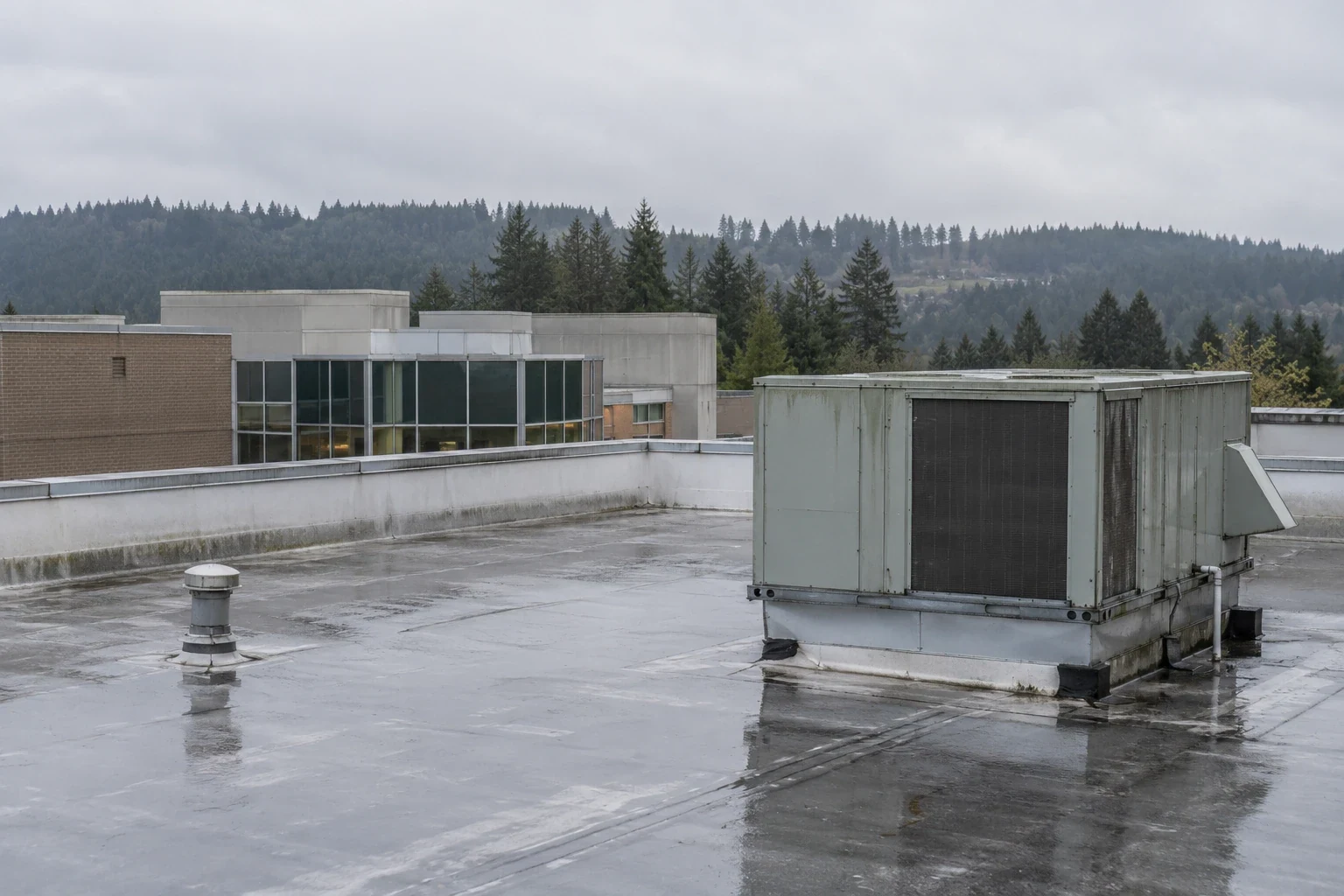
A repair invoice alone is a thin maintenance record. We keep photographs, marked locations, materials, and notes on inaccessible areas. The next inspection can compare a lap, drain, or curb and see whether movement continued. Downtown Hillsboro’s regional-center mix of employment, housing, commerce, and local government makes access planning specific to each building. For a portfolio manager, that designation is broad access context; each building still needs its own condition record. Work windows may matter in a compact commercial setting, but the building record determines its roof condition. A recurring maintenance visit can clear drains, inspect terminations, and record changes before an interior leak develops.
We separate immediate repairs from planned capital work. A written scope shows what is included, what remains unknown, and which test or opening would settle a disputed condition, giving ownership and site staff a clear handoff.
Questions About Property Managers
Can you inspect several properties under one management plan?
Yes. We can use consistent report fields across the portfolio while inspecting each roof as its own assembly. The record includes marked defects, photographs, access limits, and the next decision for that building, so one property's leak does not become an assumed condition at another address.
How do you decide whether a repeat leak needs a larger repair?
We compare the interior report with the membrane, seams, curbs, drains, and insulation above it. If moisture has spread beyond a sound tie-in, we mark that repair boundary and price the additional work. A survey or test opening is recommended only when it answers a specific question about the assembly.
What information should be included before authorizing work?
The scope should identify the roof area, observed condition, preparation, compatible materials, access assumptions, and closeout record. We show any concealed condition that could change the work as a separate decision, then give you a price tied to the documented boundary.
Can repairs be scheduled without closing an occupied building?
We plan around tenant hours, loading, roof access, and sensitive equipment. The property contact confirms restricted windows and routes before mobilization. If a repair requires a temporary opening or a lift near an entrance, we set the protection and notice points as part of the work sequence.
What belongs in a portfolio roof history?
Keep each inspection, repair location, photographs, materials, and follow-up finding with the property's records. That lets the next manager compare the same drain, seam, or curb and see what changed. We can update the marked plan after maintenance or replacement so the record stays useful for budgeting.
Arrange a Hillsboro portfolio roof review
Send the property list and the leak or maintenance concerns at each address. We will inspect the roofs, mark the findings, and price the repair or planning work each building supports.