
Duro-Last Commercial Roofing in Hillsboro, OR
Review Duro-Last PVC roofing in Hillsboro, OR. We check prefabricated seams, penetrations, drains, and insulation before scoping repair or replacement.
Duro-Last Commercial Roofing
A prefabricated Duro-Last sheet can reduce field seams, but every curb and perimeter still needs a sound transition. In Hillsboro, OR, we inspect the PVC membrane, welded joints, drains, and flashing before deciding where a repair should stop. Factory preparation does not remove the need to check the installed roof. We look at attachment, insulation, and previous patches, then mark the detail that controls the water path.
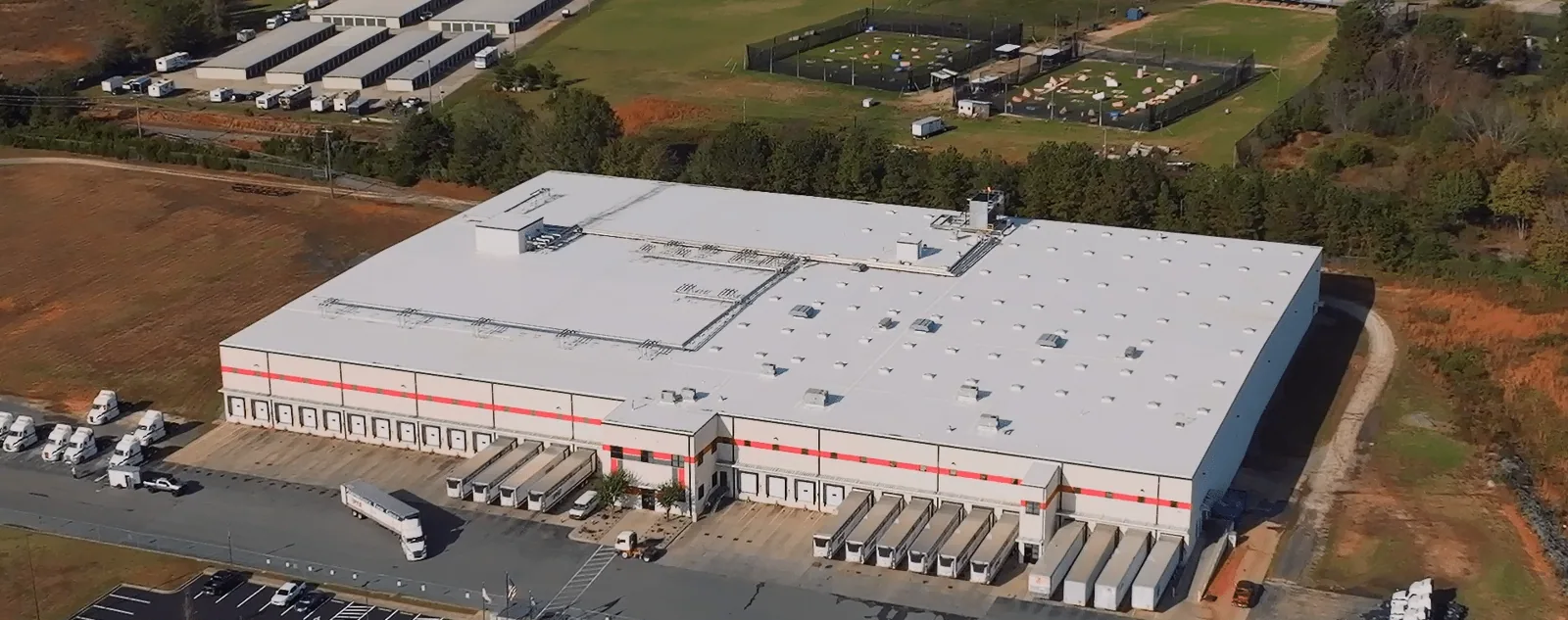
Genentech manufactures and packages medicines at its Hillsboro operation, which also includes a distribution center. Intel operates two manufacturing facilities in Washington County, including Ronler Acres. Hillsboro’s manufacturing and distribution work makes equipment clearance and operating windows practical parts of roof planning; we inspect each assembly before selecting a repair. We note service paths, air intakes, and access limits with the membrane findings, so any repair sequence fits the property's actual operations.
Related Roofing Pages
More pages on commercial roofing in Hillsboro:
Inspect factory seams and field details
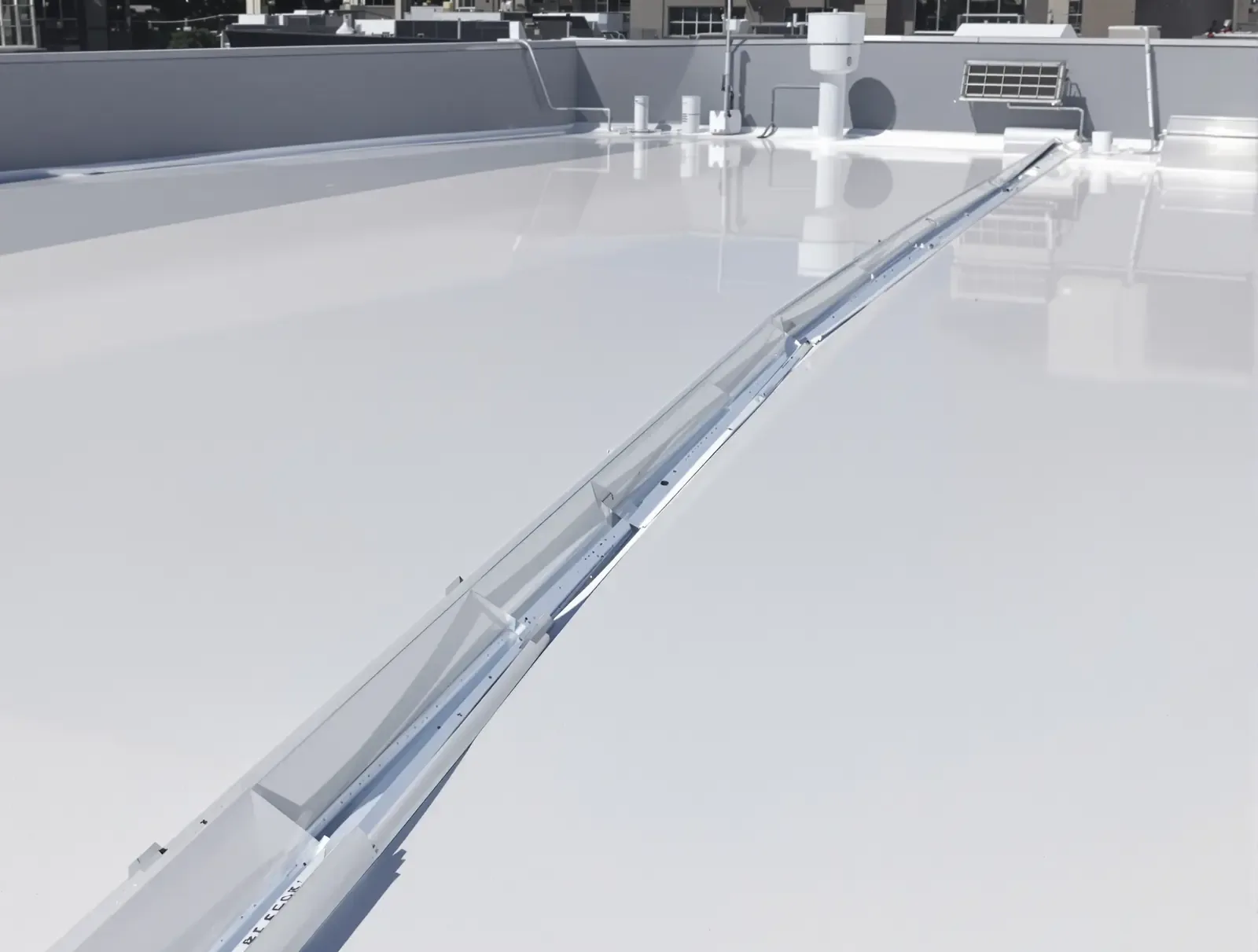
We follow welded joints, corners, penetrations, and edge terminations, looking for separation, abrasion, punctures, and patches that lift at the boundary. Prefabricated panels still meet at field seams, and water can enter where a pipe boot, curb, or drain interrupts the sheet. We check those transitions for continuous welds and secure flashing. Hillsboro’s annual normal has about 64 days with minimum temperatures of 32°F or colder. We inspect exposed PVC boots and terminations after a cold period, then check surface moisture before specifying a weld repair. After a cold period, we check exposed boots, sealant lines, drains, and metal transitions for movement or openings that need repair. We compare the roof surface with any interior leak report and note whether insulation appears soft or damp. A hands-on inspection can document visible damage and identify where a moisture survey or selective opening might answer the next question.
At the drain, we check the bowl, strainer, overflow, and sheet termination as one working detail. Debris at the outlet can slow water movement without a membrane defect, while a loose flange can admit water through an otherwise sound field. We photograph the drain from above and record the area around it, then compare any interior report with the path to the outlet. If insulation condition is uncertain, a small opening may show whether the repair must include material below the PVC.
Check the membrane and attachment together
Duro-Last is a PVC single-ply system with prefabricated sections and heat-welded field seams. A repair needs compatible membrane and a prepared weld surface; a patch over dirt, moisture, or a weak edge may not restore continuity. We identify the sheet, look for product markings and prior repairs, and inspect how it ties into the drain bowl, wall, and equipment curb. If older work obscures the assembly, we document the uncertainty before specifying a method.
The field sheet works with its attachment, insulation, cover board, and perimeter details. We inspect plates or adhesive, edge metal, and the termination height along walls. A thermoplastic membrane review can help compare seam and flashing requirements, while Carlisle SynTec and Sika Sarnafil assemblies can be compared if replacement is under consideration. The deck, drainage, and roof use determine whether the installed membrane can accept that repair.
Set the boundary before replacing sheet
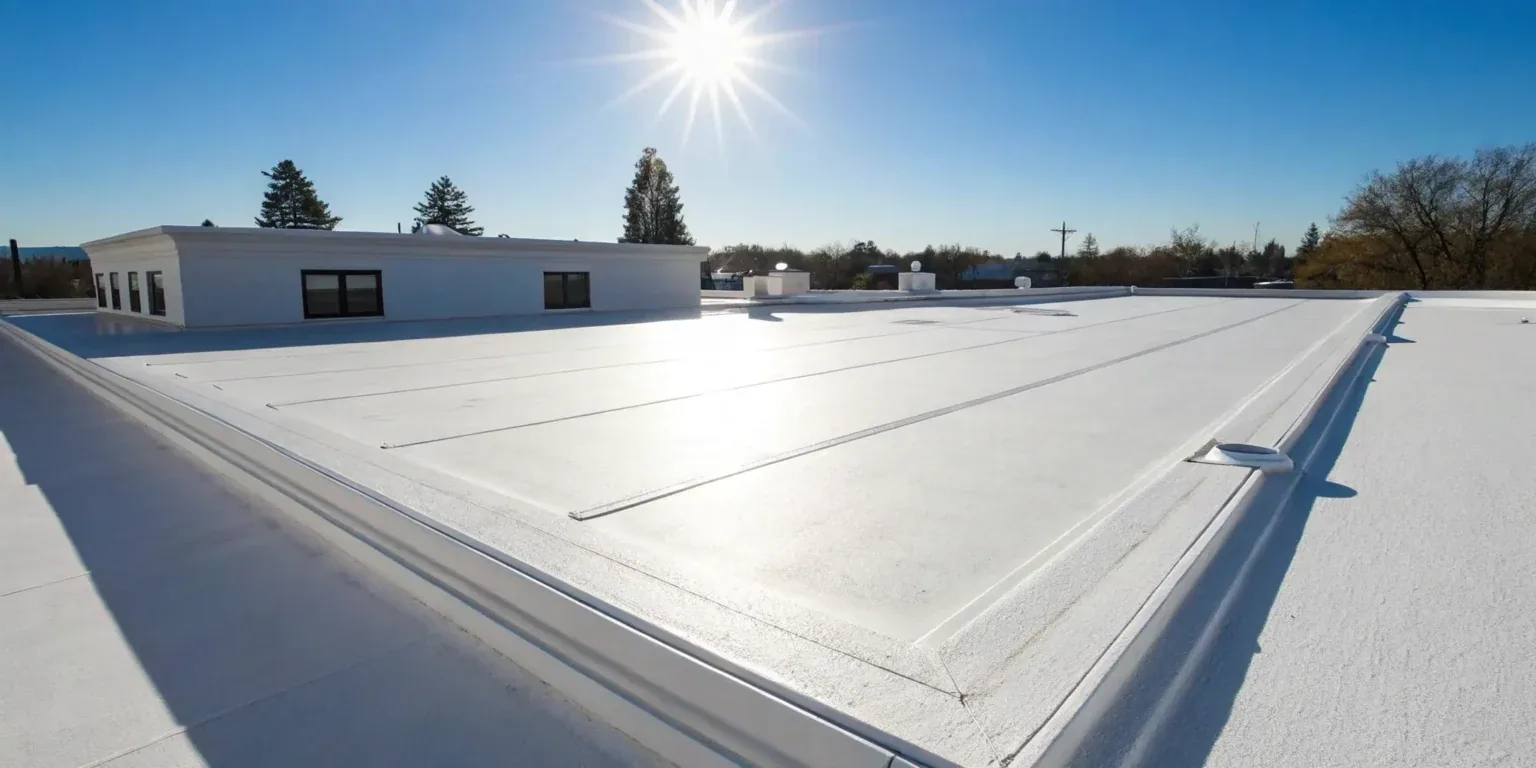
One puncture or open weld may be repaired when the surrounding PVC and substrate remain firm. We prepare the sheet, add compatible material, weld the patch, and check the finished edge. If moisture has moved beneath the membrane, the repair includes the confirmed wet area rather than closing over it. A puncture repair record shows the opening, patch dimensions, and nearby details checked during the visit.
Widespread seam separation, brittle repairs, or wet insulation in several locations can support a larger replacement review. A recover may be possible only if the existing layers are dry, attached, and suitable for added material, with enough height at curbs and drains. We compare recover and tear-off separately, noting insulation replacement, edge metal, disposal, temporary dry-in, and access. An owner can then see how the measured condition changes the recommended scope. Replacement planning includes those assembly details instead of relying on a single surface symptom.
If water is entering during a storm or outside normal hours, response is available around the clock, including weekends and holidays. We protect the opening, record the temporary condition, and return for a permanent weld when the surface is ready. The written follow-up states what remains to be checked before the roof is considered repaired.
Plan PVC work around wet weather
Hillsboro records 35.93 inches of normal yearly precipitation, with the highest monthly totals between October and January. A Duro-Last repair needs a prepared weld area and a runoff path that stays clear while the detail is open. Before welding, we inspect the adjoining sheet for residue or earlier patches that could alter preparation. A PVC weld needs a clean, dry area. We check drain bowls, overflow routes, and low sections before repair, then confirm the surface condition on the work date. If moisture remains at the detail, the crew protects the area and schedules the permanent work for a suitable window instead of welding over a damp sheet.
185th Avenue carries freight and people through the westside. For a property nearby, we confirm the lift route and material drop with the site contact. A building near that network may have truck and delivery constraints, but we confirm the loading point and work hours with the property contact. Rooftop equipment routes, air intakes, and occupied entries are also recorded. An occupied-building work sequence can phase repairs so a service path remains usable while the crew works on a defined area.
Keep panel and patch notes with the roof
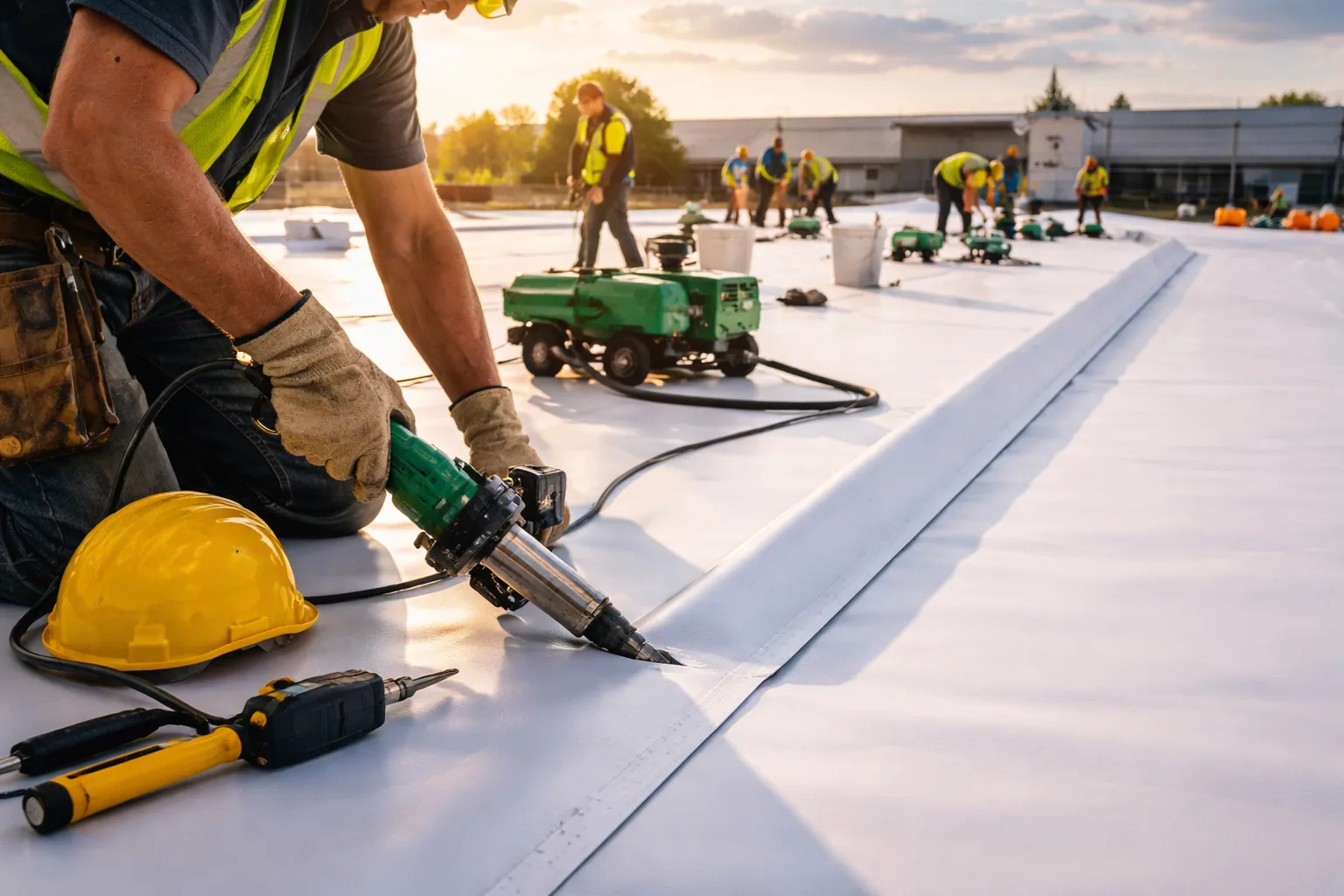
At closeout, we identify the PVC system, repaired panel or detail, materials used, photographs, and the seam checked after work. Any untested area or concealed layer is noted separately. At the next roof walk, we compare the completed Duro-Last repair with adjacent field seams and check each tie-in that was not part of the original scope. A marked condition report can carry the findings into maintenance and capital planning.
We can revisit drains, boots, and patch edges through scheduled maintenance. For a commercial property in Tanasbourne and AmberGlen, access and staging still follow the actual building and its operating rules. Arrange a roof walk to review the Duro-Last assembly in place. We will mark the visible condition, explain any test that would change the repair boundary, and provide separate repair and replacement options where both are supported.
Questions About Duro-Last Commercial Roofing
Do prefabricated Duro-Last panels eliminate field seams?
Prefabrication can reduce field seams, but panels still join on the roof and each penetration or perimeter requires a completed detail. We inspect field welds and transitions where water can enter. A marked plan shows which seams were checked.
Can a Duro-Last puncture be repaired with a patch?
A patch can work when the PVC sheet and substrate around the puncture remain sound and dry. We prepare the membrane, weld compatible material, and inspect the repair edge. If insulation below is wet, that area is scoped separately.
What causes a replacement scope to include more than membrane?
Wet insulation, weak attachment, deteriorated edge metal, and curb or drain heights can change the assembly work. We measure confirmed conditions and list concealed items that need testing. The scope separates sheet replacement from those additional tasks.
Can another PVC membrane be installed over Duro-Last?
A recover needs a suitable, dry, stable existing roof, adequate attachment, and details that accept the added height. We inspect the substrate, drainage, and terminations before pricing it. If the assembly does not support a recover, tear-off is shown separately.
How should a repair be coordinated around rooftop equipment?
We map curbs, service clearances, and access paths with the building contact before staging material. The work area and temporary protection point are listed in the plan. Restricted operating hours are confirmed before a weld or opening is scheduled.
Review a Duro-Last roof in Hillsboro
Arrange a roof walk and share any leak history or system records. We will inspect the PVC seams, mark moisture and drainage conditions, and price a scope tied to the installed assembly.