
Big-Box Retail Roofing in Hillsboro, OR
Big-box retail roof inspections, repairs, and replacement in Hillsboro, OR. We map long seams, protect loading areas, and phase work by roof zone.
Big-Box Retail Roofing
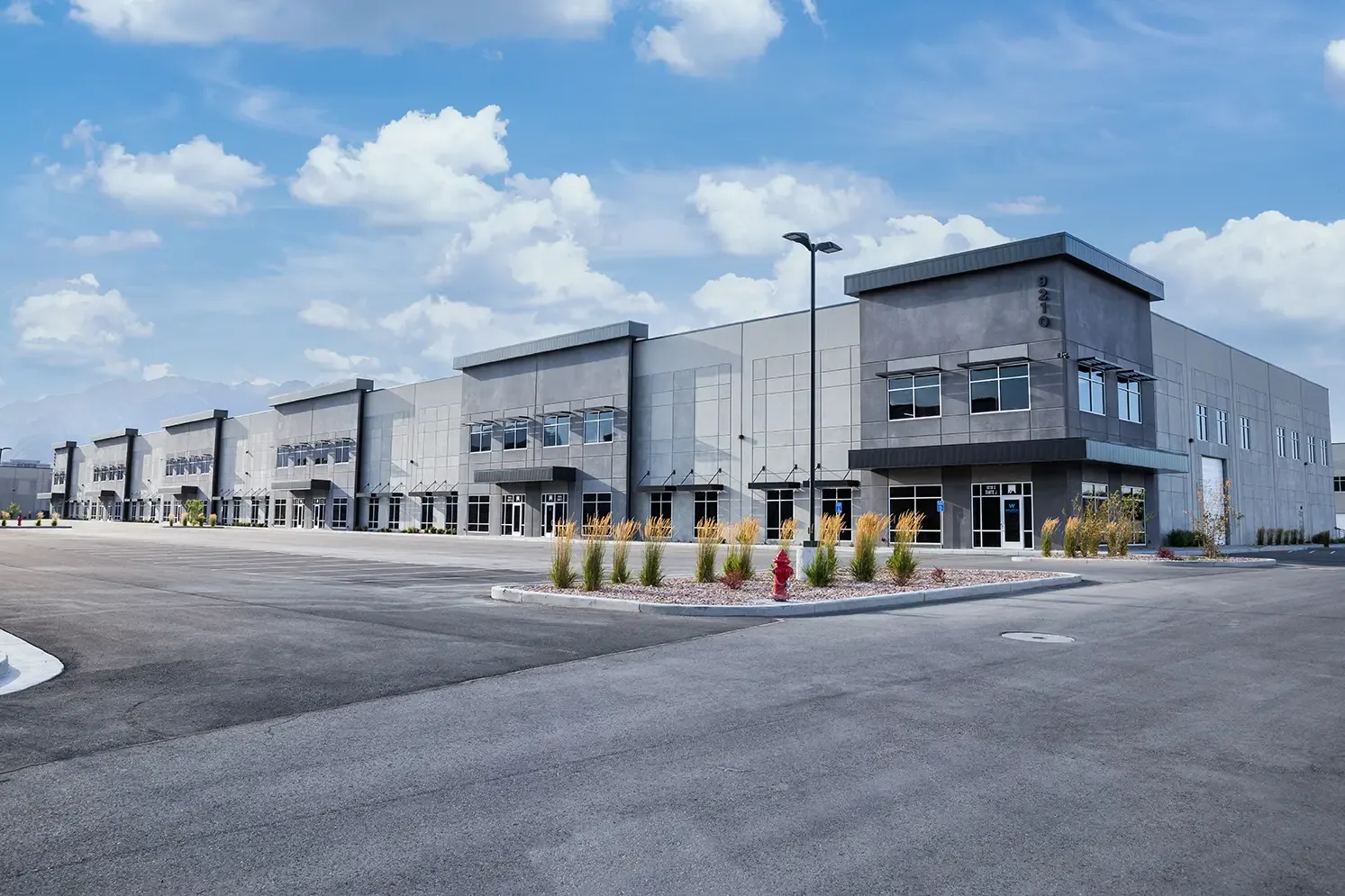
A long parapet can hide a split termination that sends water across a retail roof before it reaches the sales floor. I inspect the coping, field sheet, drains, and equipment curbs, then compare them with the interior report. In Hillsboro, OR, big-box work also has to fit loading activity, customer access, and the roof area that can be safely staged. We identify the assembly and mark a repair boundary before quoting a patch or replacement. A roof inspection turns the first walk into marked findings.
Large-format retail work involves inbound materials as well as customer circulation. Washington County includes 185th Avenue in its regional people-and-goods corridor network. At a retail property along that network, we confirm where roofing materials can be unloaded without crossing customer or loading traffic. The store contact identifies its loading point and the protected route to the roof. Before mobilization, the property contact confirms where a lift can set, when trucks may arrive, and which public entrance must remain unobstructed.
Related Roofing Pages
More pages on commercial roofing in Hillsboro:

Measure the repair before pricing it
A broad roof surface can make a small defect easy to miss. We map the interior mark to nearby drains, seams, wall transitions, and prior patches, then inspect beyond the first visible opening. Cost follows the confirmed boundary, membrane and attachment, penetrations, insulation removal, and access requirements. Normal annual precipitation at Hillsboro totals 35.93 inches, highest during October through January. For a retail roof, we record each low point and the repair boundary before comparing local correction with a larger phase. Ahead of that season, I check a retail roof’s low points, overflow path, and exposed edge details, then record what remains after adjacent surfaces drain. The climate record gives a regional maintenance cue; the store's own roof walk shows whether it has ponding or a failing seam.
Lift position, delivery timing, protection, and the number of work phases also change labor. A single repair near a parapet is a different scope from replacing a connected bay around multiple curbs. Capital planning can compare confirmed roof zones with later work, while photos and measurements keep each option tied to an observed condition.
Check the membrane and edge together
A loose edge detail can put stress on the first field seam. We inspect coping, cleats, fasteners, terminations, and nearby sheet as one transition. Around rooftop units, we look at flashing corners, support movement, service paths, and water flow toward the nearest drain. An edge-metal repair scope may be separate from the membrane work when the field remains sound.
Before selecting a tie-in, we determine whether the roof is a thermoplastic or EPDM sheet, metal, an asphaltic built-up or modified-bitumen assembly, or an existing recover. The store format does not indicate which one is present. We verify the records against seams and attachment, then choose preparation for the confirmed material. TPO repair must follow the actual membrane; shopping-center roofing still starts with the confirmed assembly and visible condition.
Where the assembly is unclear, a moisture survey or a selective opening can help define the wet area. We mark readings and openings on the roof plan rather than treating one point as the whole building. The report separates confirmed wet insulation from dry areas and identifies details that could feed the same leak. That boundary helps the owner decide what needs immediate removal and what can remain in service.
Follow the drain path across the field
At a drain, we check the bowl, strainer, clamping area, overflow, and membrane around the opening. A clear strainer does not correct a depressed section or wet insulation that holds water. We compare the low point with the roof plan and photograph the surrounding field. If ponding persists after nearby areas drain, the scope may include slope or insulation work in addition to outlet maintenance.
The Hillsboro station normals register approximately 64 yearly lows at or below freezing. After a cold stretch, we inspect whichever curb, drain, or edge has shown movement and check whether the substrate is still sound. That climate record is regional background only. Repair timing depends on measured surface temperature and moisture, and the boundary follows what the roof inspection confirms. Tanasbourne and AmberGlen serves as a regional center in Hillsboro. That broad employment and housing setting helps frame occupied access, not a roof specification for any store. We keep the inspection focused on the actual drainage plane and record the locations where loading or equipment routes cross the roof. Ponding-water repair can address the low area when findings support that work.
Keep repair, recover, and replacement distinct
A localized patch is appropriate when surrounding sheet is attached, dry, and able to accept a clean lap. We remove failed material, prepare the substrate, rebuild the detail, and check the finished edge. If wet insulation spreads beneath the surface or seams fail across connected areas, patching only the opening can leave active damage in place. We mark removal limits separately from the dry-field repair.
A recover may be considered when the existing assembly is secure, dry, and suitable for added weight and attachment. We inspect edge height, drains, curbs, and deck condition before comparing it with tear-off. Replacement can be phased if separate roof zones have different conditions or loading restrictions. Replacement planning shows tie-ins, access, and protected areas so the property contact can review the sequence.
Big-box buildings can have long uninterrupted fields, but the observed seams and transitions still set the repair boundary. Grocery roof work may also involve equipment curbs, though its refrigeration service needs differ from general merchandise use. The material choice follows the verified assembly, deck, moisture, and project requirements, not the retail label.
Set the work zone around store operations
Before mobilization, we verify the roof route, lift location, delivery entrance, staging footprint, and customer areas that must remain clear. The manager identifies loading windows and any temporary restriction that needs notice. A repair can often be isolated; replacement requires a daily limit on exposed material and a plan to restore each section before crews leave.
During tear-off, we protect drains and keep temporary tie-ins out of the water path. If hidden moisture or deck damage extends beyond the marked area, we photograph it and price the added scope for approval. We coordinate noisy work and equipment access with the property contact. Occupied-building reroofing can stage work by bay, with the sequence adjusted to the roof findings and operating window.
An after-hours visit can control an active leak before the next trading day, including on weekends or holidays. We document the temporary protection, inspect the assembly when safe, and define the permanent work limits. Closeout notes show the prepared surface, completed laps, and any unresolved area. Tell us which loading or customer entrance must remain available during that repair.
Questions About Big-Box Retail Roofing
How do you locate a leak across a large retail roof?
We compare the interior report with drains, seams, curbs, parapets, and prior repairs along the water path. A moisture survey or test opening can refine the area when insulation may be wet. The report marks confirmed findings and any part of the roof that could not be accessed.
Can roof work avoid the busiest loading hours?
We confirm delivery windows, roof access, lift placement, and staging with the property contact. A small repair may need one short window; a replacement phase needs a daily closure limit. The sequence identifies any loading restriction before equipment or material arrives.
When is a recover possible on a big-box roof?
The existing layers need to be dry, secure, and able to accept added weight and attachment. We check the deck, edges, drains, and curbs before pricing recover beside tear-off. Wet insulation or loose material changes the boundary and may require removal instead.
What does a roof report show to the property manager?
It shows the observed assembly, photos, marked leak paths, drains, edges, and repair limits. We separate confirmed moisture from areas that need testing and identify access limits. Those details help the manager compare immediate repair with phased replacement.
What can delay a roof repair after a leak is found?
Rain, wet substrate, material temperature, delivery access, or a concealed condition can change the safe sequence. We protect the opening, document what changed, and coordinate the next work window. The estimate identifies which assumption affects timing or quantity.
Arrange a big-box roof walk in Hillsboro
Share the leak area, loading window, and access requirements. We will mark the roof condition and price the repair or phase that the assembly supports.