
Shopping Center Roofing in Hillsboro, OR
Shopping center roof repair, inspections, and phased replacement in Hillsboro, OR. We trace leaks, protect storefront access, and price by roof zone.
Shopping Center Roofing
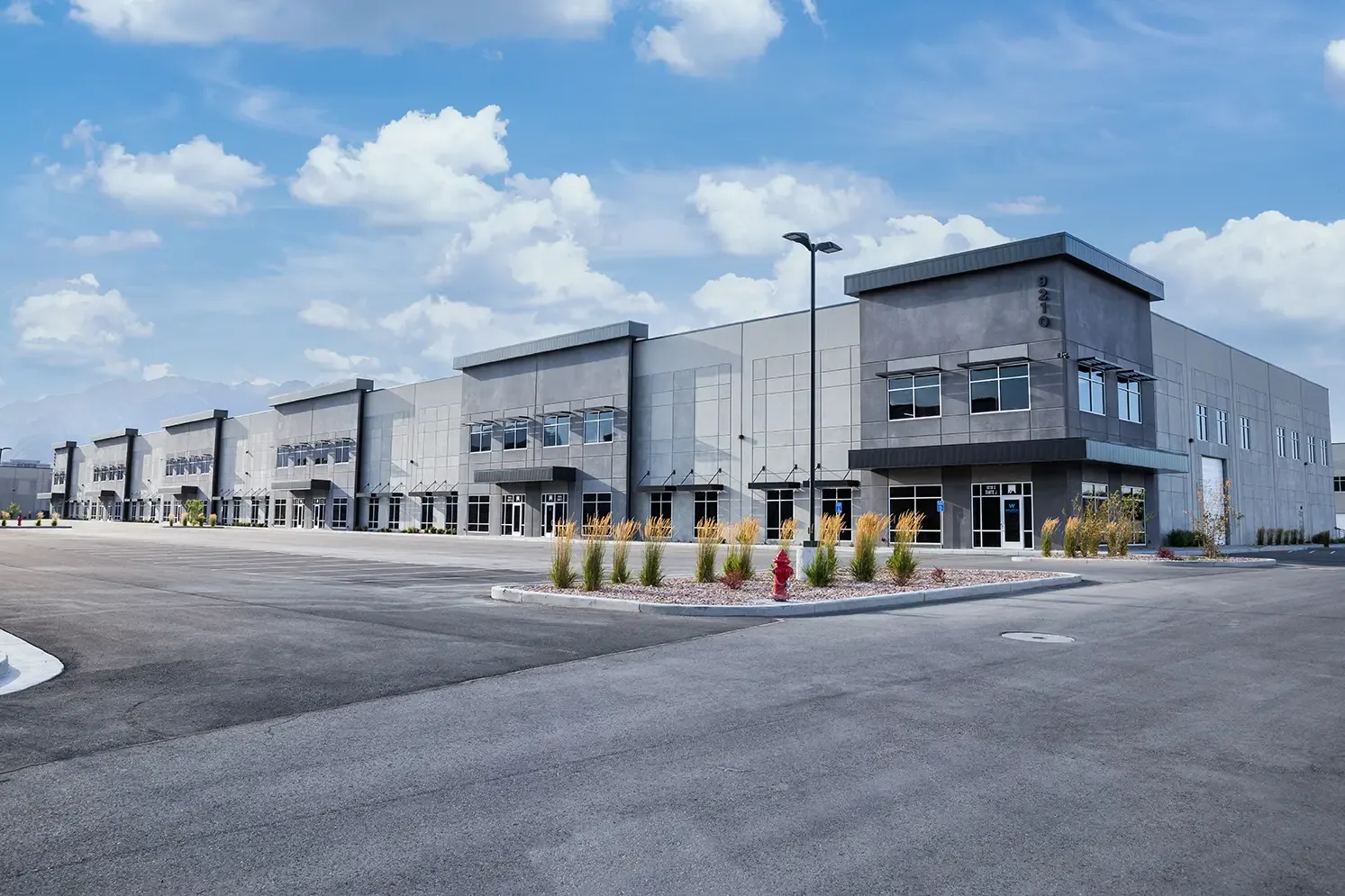
A lifted wall flashing above a tenant suite needs a repair edge that reaches sound membrane. We trace the path across the sheet, curb, and drainage details before marking a boundary above the affected suite. I mark the indoor report, inspect the field sheet, and check whether water reached the insulation. At a shopping center in Hillsboro, OR, the repair zone needs a clear boundary from customer entries, deliveries, and occupied suites. We check the assembly before selecting a patch or larger correction. A roof inspection ties the finding to a marked location.
Tanasbourne and AmberGlen and Downtown Hillsboro each serve as regional centers for western Washington County. Retail roofs need a defined route for shoppers and deliveries while crews isolate a repair area. We confirm that route with the property contact, then mark drains, seams, and edge metal on the roof plan.
Related Roofing Pages
More pages on commercial roofing in Hillsboro:

Map the water path above each suite
A stain near a tenant wall may sit below a seam, parapet, or equipment curb several feet away. We compare the interior location with slope, drains, overflow paths, and prior repairs. The walk records which details connect to the leak and whether the surrounding sheet is sound. A moisture survey can map suspect insulation, with a selective opening used to confirm the layer.
The long-term airport record totals 35.93 inches of yearly rain, with its heaviest monthly readings from October through January. For Hillsboro retail roofs, drains, overflow routes, laps, and wall terminations deserve attention before sustained wet weather. We inspect the low point and note whether ponding remains after nearby areas drain.
The report separates a localized opening from wet insulation, repeated seam movement, or a drainage problem. Each item receives a photo and repair boundary so the manager can coordinate the right suite contact. Flashing repair may be limited to a wall or curb, while a connected wet area calls for measured removal.
Protect entries and delivery hours
Before staging, we confirm roof access, lift placement, delivery doors, tenant hours, and the public areas that must remain open. A short repair above one suite may need a small work zone; replacement across several tenant bays calls for phases and notices. The property contact identifies which entrances or loading areas require protection and who approves temporary restrictions.
Oregon Highway 8 is the arterial through Forest Grove, Cornelius, Hillsboro, Aloha, and Beaverton. On 185th Avenue, drivers share a westside route with deliveries and local trips. For a retail property in this westside network, we confirm its truck entrance, lift zone, and staging pad with the property contact. We confirm the actual route and keep materials clear of customer paths.
During tear-off, we limit exposure to the zone we can close that shift. Before leaving, the crew secures its edge and checks nearby drains. If hidden moisture extends beyond the measured boundary, we document it and price the added work for approval. Occupied-building roof work can be sequenced around suite access and the operating hours the manager provides.
Match the repair to the roof zone
A patch can stay local when the opening is isolated and the adjacent sheet is dry and firmly attached. We prepare to sound material, finish the lap, and check the nearby curb or drain that could feed the same path. If insulation is wet, a surface repair may stop an opening but will not remove the damaged layer. The scope marks that removal separately from a dry-field patch.
Shopping centers may have roofs installed in different phases or assemblies across adjoining buildings. The field may be TPO, EPDM, PVC, built-up, modified bitumen, or metal; we verify its surface and attachment before choosing tie-in material. TPO repairs require a sound seam and prepared surface. Office roof planning shares access concerns, while storefront and loading layout shape this sequence. A grocery tenant may need separate drain and refrigeration-curb review, as in grocery roof work.
Replacement joins the comparison once failures repeat across connected areas, moisture spreads, or sound tie-in material runs short. A recover remains an option only if existing layers are dry and secure and can accept added load and attachment. We check drains, edge height, and penetrations before pricing either path. A replacement scope can separate urgent roof zones from a later phase.
Check outlets before the wet months
Loose packaging, leaves, and grit can slow water at a drain bowl. We inspect the strainer, clamping area, overflow, and adjacent membrane, then compare the outlet with the low point. If the bowl is clear but water stays, the slope or insulation may need review. We mark standing water and its boundary rather than assuming another sealant pass will correct the cause.
In the Hillsboro normals, daily minima reach freezing on about 64 calendar days each year. At exposed edges and drains, trapped water, brittle sealant, and separated flashing deserve a closer look before winter work. We look at the prepared substrate before selecting the repair method, since moisture or temperature can change how a material bonds. The inspection note records the condition that affects the work, not just the season.
Maintenance can track strainers, laps, edge metal, and earlier patches between capital projects. We photograph the same roof zones so a later visit can compare movement or moisture. Preventive maintenance helps identify a developing defect while the surrounding sheet can still take a local tie-in. It does not replace removal when wet insulation or widespread attachment failure is confirmed.

Separate tenant coordination from roof quantities
Price depends on the confirmed repair boundary, assembly, penetrations, insulation removal, and the amount of sound membrane available for tie-in. Lift access, protection, delivery timing, and the number of phases affect labor. We measure each roof zone and list test openings or concealed conditions that remain unresolved. A separate option can compare a focused repair with replacement without combining unlike scopes.
Timing follows weather, surface moisture, material requirements, and the center’s approved access windows. A surface check and current forecast determine which zone can be opened. If rain interrupts the sequence, we protect the work and coordinate the next window with the manager. A plan that identifies which suite areas remain open is easier to use than one broad date for every roof section.
An active leak can be reported overnight, on a weekend, or on a holiday. Our around-the-clock emergency response first limits entry; a roof walk then establishes the permanent repair boundary and materials. Closeout photos show the completed boundary and any area needing a later check. Tell us which suite has the leak and what access must remain clear. We will return marked findings, repair choices, and a scope priced to the assembly we inspect.
Questions About Shopping Center Roofing
Can you repair the roof without closing a shopping center entrance?
We review the roof route, lift location, staging, and entry hours with the property contact. Many repairs can be isolated, but a lift or deck opening may need a temporary protected area. The plan identifies the affected entrance and the window before work starts.
How do you tell which tenant space is below a roof leak?
We compare the reported interior mark with the roof plan and inspect connected drains, seams, curbs, and wall transitions. Water can travel before reaching a ceiling. Photos and marked roof locations help the manager match findings with the suite contact.
When does a drain issue need more than cleaning?
Standing water after nearby areas drain, a depressed surface, wet insulation, or repeated seam movement can point beyond debris. We inspect the outlet and surrounding assembly, then report whether maintenance, a local repair, or a test opening fits the evidence.
Can different roof sections be replaced in separate phases?
Yes, when access and tie-in details allow a sound boundary between phases. We map each section, note tenant constraints, and price the temporary protection and transitions needed at each step. Moisture findings may change the phase limit after an opening is made.
What changes the cost of a retail roof repair?
The size of the failed area, membrane type, wet insulation, penetrations, lift access, and suite coordination affect the scope. We measure confirmed work and list any test needed to establish concealed conditions. A separate replacement option keeps broader work distinct from the immediate repair.
Arrange a shopping center roof walk in Hillsboro
Tell us which suite has water and what entrances or delivery windows matter. We will mark the roof findings and price a repair boundary that fits the observed assembly.