
Commercial Roofing in Forest Grove, OR
Commercial roof inspections, repairs, and replacement planning in Forest Grove, including properties near the Oregon 8 and Oregon 47 corridor.
Forest Grove
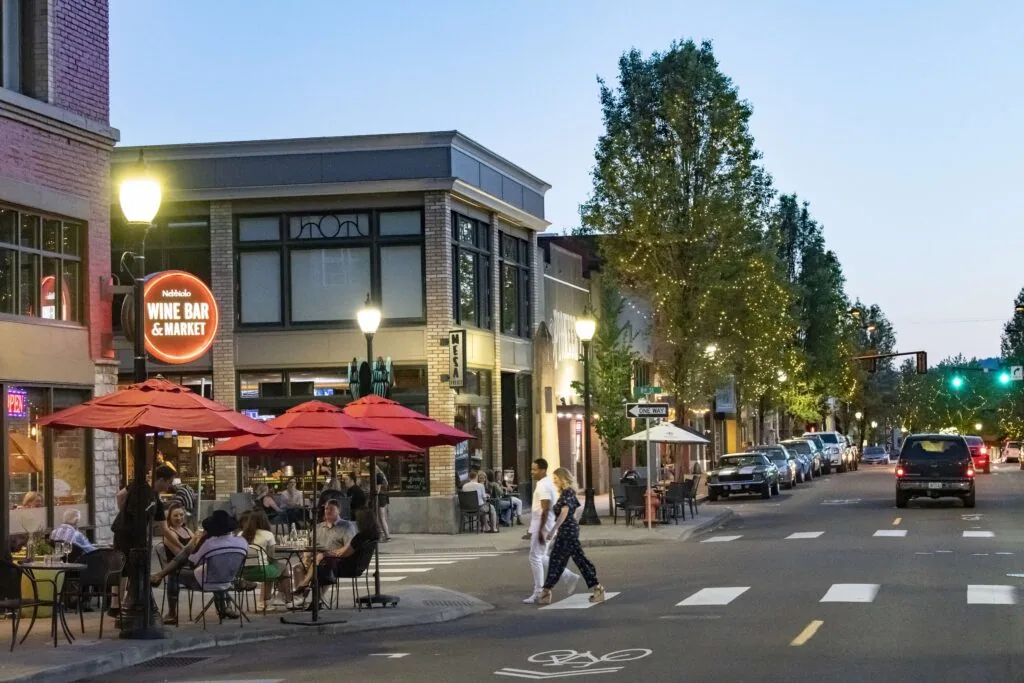
A seam that has pulled back from a curb leaves a line worth tracing before anyone chooses a patch. In Forest Grove, we check the lap, curb flashing, and nearby drainage before deciding where sound material begins. The city's 2025 employment-land analysis includes commercial, mixed-use, and industrial-zoned sites, including vacant or partly developed land with redevelopment potential. On each roof walk, we record the assembly we can identify and the access needed to assess it. A commercial roof walk can turn those observations into a defined repair boundary.
Forest Grove's TV Highway safety plan covers the Oregon 8 segment from the Oregon 47 and Quince Street intersection east to First Avenue in Cornelius. For a roof project, we confirm tenant access and staging with the building contact, then mark those logistics beside the inspection route. A Cornelius roof inspection is based on that property's own seams, curbs, and water path.
Related Roofing Pages
More pages on commercial roofing in Hillsboro:
Mark the detail before choosing a patch
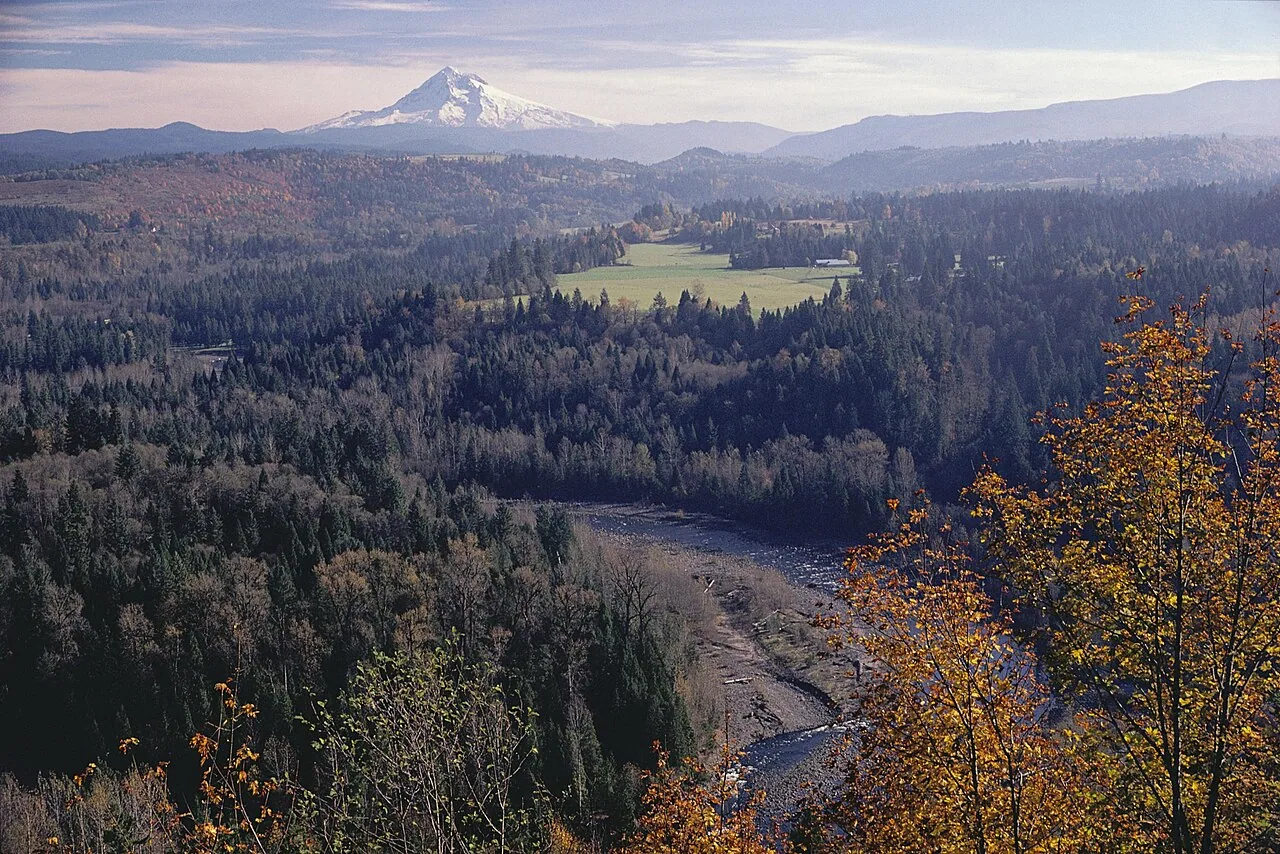
A repair line should not stop at the first visible split. We check the lap, adjacent field sheet, substrate, and any nearby penetration that could carry water under the surface. Where a curb is involved, we inspect its corners and membrane return before writing a scope. The photographs show the condition and the boundary we can support, while any concealed area is listed for testing rather than assumed sound.
Forest Grove is about 8.4 straight-line miles from Hillsboro. The 35.93 inches of annual precipitation in Hillsboro’s normal record are most concentrated during the October-to-January period. In Forest Grove, we inspect the actual outlet and flashing condition, then plan any exposed repair around the current forecast and material requirements. At a Forest Grove roof, we check surface dryness and drain condition before setting a repair window. A seam-failure assessment can distinguish a local opening from a wider separation.
The roof walk also notes what cannot be reached. A rooftop unit, conduit run, locked access point, or fragile surface can limit the view of a detail. We mark that limit and ask whether a safe access change, infrared survey, or test opening would resolve it. The report separates observed damage from a condition that remains behind the membrane or insulation.
Follow runoff to the outlet
Water marks near a drain can come from a restriction at the outlet, a low area upstream, or a seam that leaks before runoff reaches the bowl. We inspect the strainer, clamping ring, flashing, and surrounding field, then follow the drainage plane in both directions. If the roof holds water after the nearby surface dries, we note the extent and check whether insulation or prior patching has changed the slope.
Before a roof walk, we confirm the loading area and work route with the property contact, then record any section the inspection could not reach. That access note keeps repair quantities tied to observed roof areas. Hillsboro’s annual normal has about 64 days with freezing or colder minimums. We check Forest Grove drain connections and exposed terminations after cold periods, documenting observed movement and any water retained beside the repair. A drain and scupper scope prices the outlet apart from any seam work. We use that regional scheduling reference to plan for exposed transitions, then inspect the actual drain, field seam, and curb before pricing work.
Compare the repair with the remaining assembly
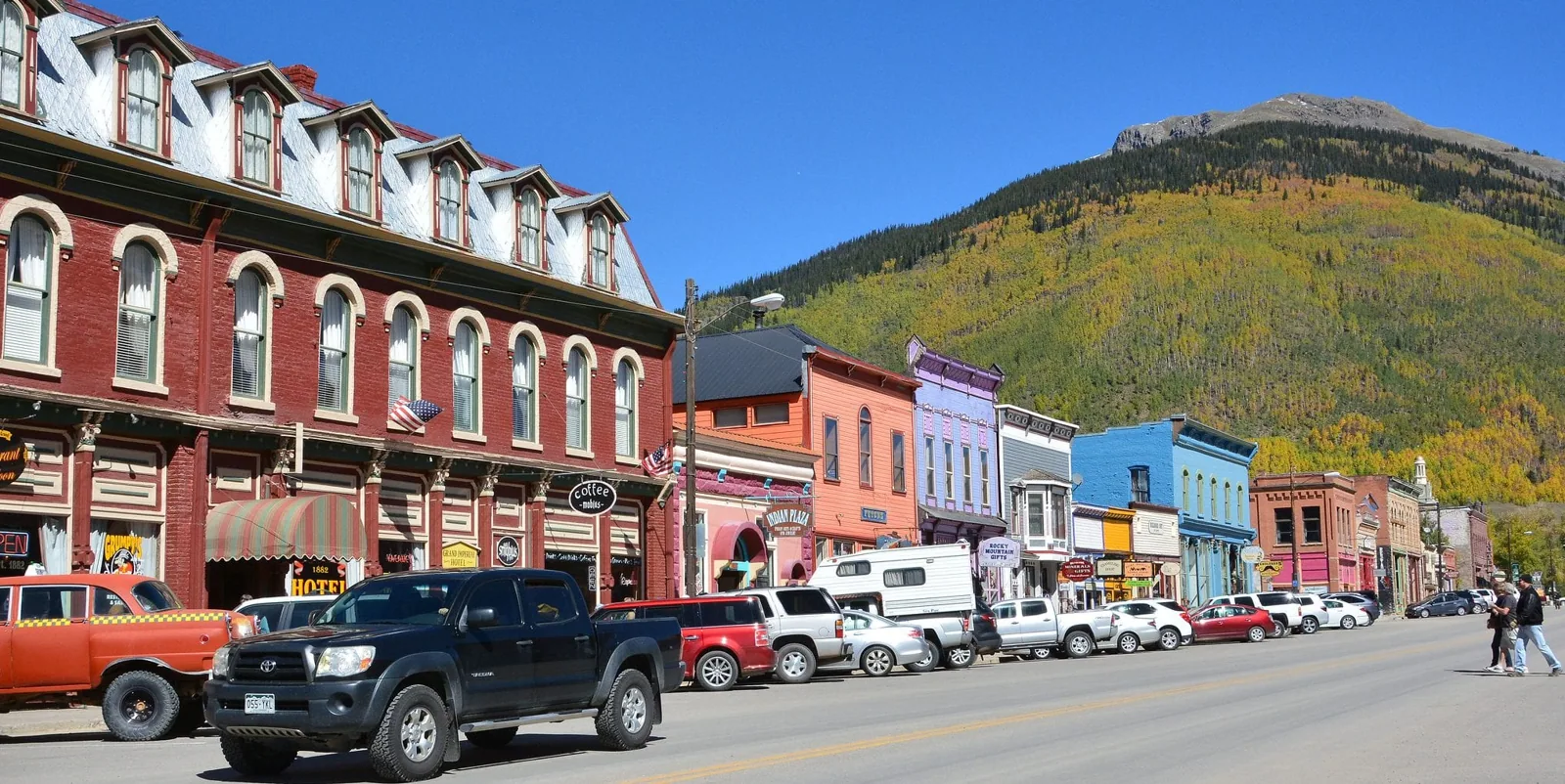
A localized repair can fit when the defect has a clear edge and surrounding material will accept a sound tie-in. We prepare the surface, install compatible repair material, and inspect the lap and termination before closeout. Where wet insulation or deteriorated substrate extends beyond the opening, a patch can leave the underlying condition in place. We mark what has been confirmed and show the owner what additional opening would establish.
Cost depends on access, roof height, assembly, insulation, flashing complexity, and how far work must reach to meet stable material. Timing can change with weather, occupied areas, delivery windows, and coordination around equipment. We price the confirmed repair separately from testing or concealed work. If failures extend beyond one section, a replacement proposal can show removal, insulation, drainage, and perimeter work against the local repair. For a membrane roof, a system-specific review can help determine compatible materials when EPDM is identified on the building.
Set the route before crews arrive
Before mobilization, we confirm roof entry, staging, material delivery, fall protection, and which building areas stay occupied. The property contact names the lift position and the hours when a tenant entrance is busiest. We place the access route beside the roof plan so the crew can reach the assigned section without blocking an operating path.
When a leak is active, we establish its reported location, safe access, and any immediate protection needs. Our closeout note marks what remains exposed and which permanent repair must wait for a dry surface. For a replacement or coating, each open section is dried in and checked before the next area begins. A phased occupied-roof plan can show tenant notices, restricted zones, and trade dependencies.
When another trade must lift equipment or move a conduit, we identify that step before closing the curb or penetration. The scope shows which detail is affected and when it can be inspected again. Daily notes distinguish completed membrane work from a return visit still needed for flashing or closeout. This keeps the owner informed about the work area rather than relying on a broad completion label.
Keep the findings with the roof history
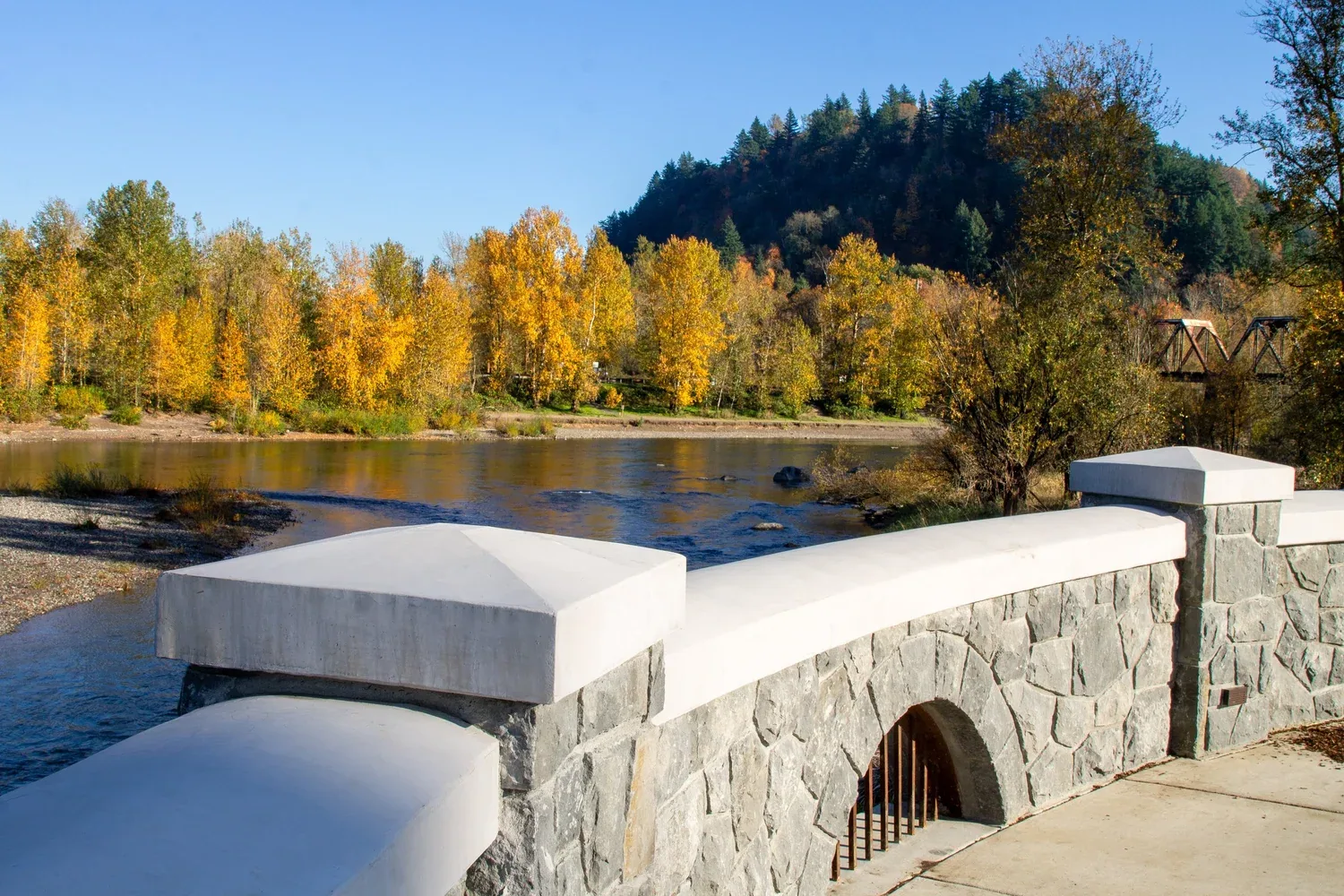
The closeout should show where the repair was made, what material was installed, and what remained outside the approved boundary. We include photographs and notes on inaccessible areas so a later inspection can compare the same seam, drain, or curb. If an interior mark returns, the record gives the next walk a specific place to begin. A condition report with marked photographs can also support budget planning across separate properties.
Forest Grove's employment-land review includes commercial and mixed-use sites as well as industrial-zoned land. We record each roof's assembly, repair history, and access plan before recommending work. We keep findings for Cornelius separate from Forest Grove, even where both properties relate to Oregon 8. A Tualatin Valley Highway corridor inspection likewise depends on the roof at the property being assessed.
At the next visit, we compare marked conditions with the earlier report and note any movement, water path, or changed access. If the repair remains stable, maintenance can focus on nearby details and drainage. If wet insulation or multiple failed seams appear, we prepare a broader option using the same evidence. The owner can see what changed and what decision is needed before work expands.
Questions About Forest Grove
How do you tell a split seam from a failing drain connection at a Forest Grove building?
A split seam shows an open lap or a lifted edge on the sheet; a drain problem shows a water line at the bowl or a pool that stays after the field dries. We inspect both and price them as separate details.
Can a split seam be patched without opening the roof?
A visible split can support a defined surface repair if the surrounding material is sound. We identify when an opening or moisture check is needed to establish what lies beneath it.
Can you reach a roof on Oregon 8 without blocking the building's entrance?
We confirm the driveway, loading spot, and lift position with the property contact, then keep materials and barriers off the entrance route.
How do you price a drain and nearby seam together?
We mark each defect and follow the water path, then separate an outlet repair from a seam tie-in or slope correction. The owner sees which items are confirmed and which need testing.
How do you protect a roof opening at shift end?
We close or cover the assigned section and record any area that still needs a return visit. The daily note identifies remaining exposure so the owner knows what is protected and what comes next.
Arrange a commercial roof walk in Forest Grove
Share the reported leak area, roof records, access instructions, and operating limits. We will mark the observed conditions and price work to the repair boundary the assembly supports.