EPDM Roofing in Hillsboro, OR
EPDM roofing in Hillsboro needs sound seams, clear drains, and dry insulation. We inspect the membrane and scope practical repairs or replacement.
EPDM Roofing
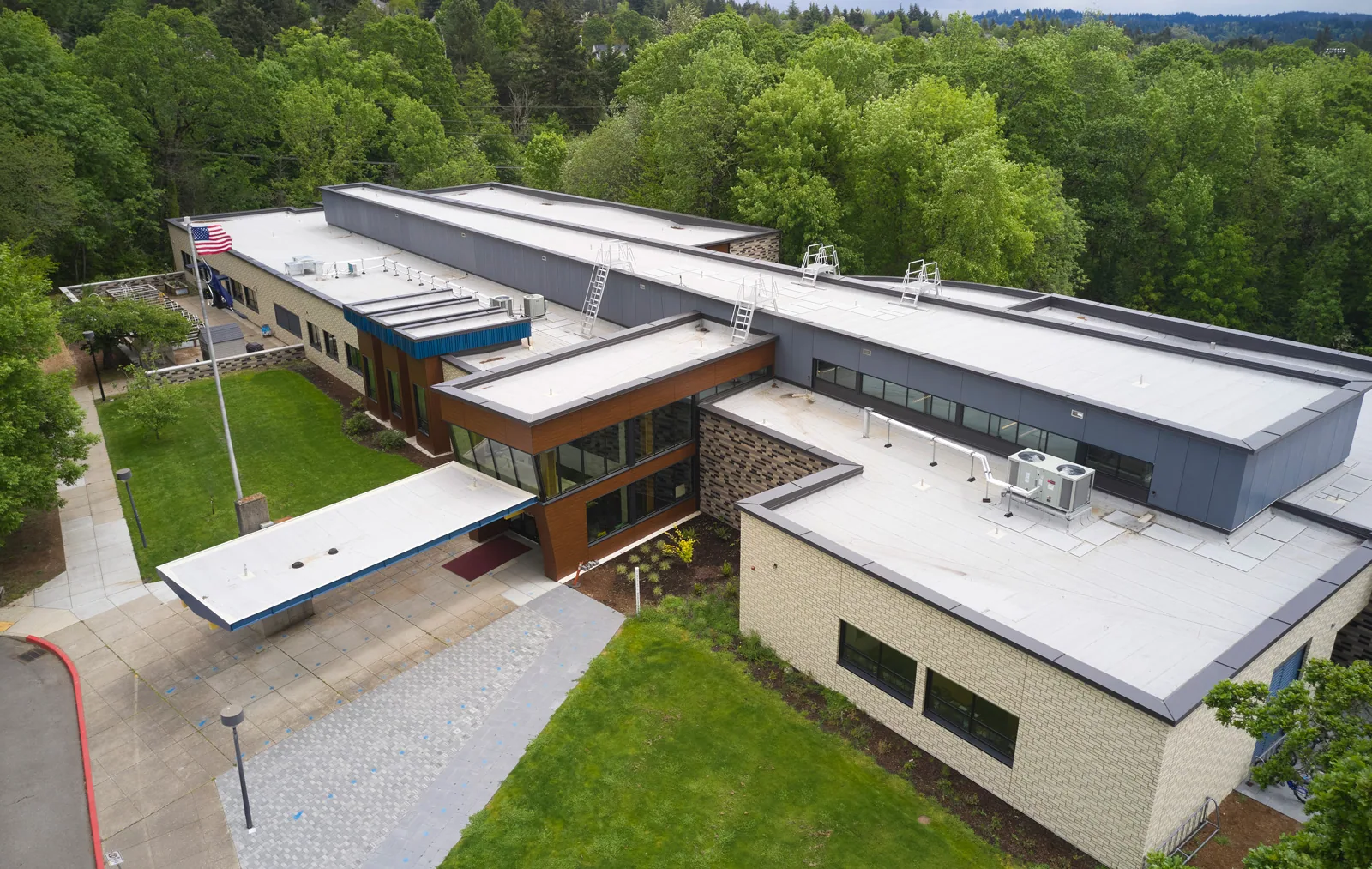
A lifted EPDM lap tells us to look beyond the edge that moved. In Hillsboro, OR, I check the seam, adhesive bond, flashing, and insulation before choosing a patch. Commerce and local government contribute to Downtown Hillsboro’s regional-center role serving western Washington County. We confirm the roof entrance and staging area at the property, then inspect the EPDM lap and adjoining sheet before setting a repair. A roof inspection records sheet condition, attachment, and the surface available for a compatible splice. Orenco Station is a Hillsboro station community centered on the MAX Blue Line. Those settings include occupied commercial properties where staging and access deserve a place in the work sequence. We plan around the building’s actual entrances, equipment, roof route, and hours of operation rather than treating every roof as an open work area.
Hillsboro’s normal rainfall is about 36 inches a year, with the wettest months falling from October through January. EPDM roofs still need a clear drainage path during that season. We inspect the low points, drain bowls, seams, and penetrations where water can stay in contact with a defect, then distinguish a surface repair from moisture that has reached insulation below.
Related Roofing Pages
More pages on commercial roofing in Hillsboro:
Follow a lap through each transition
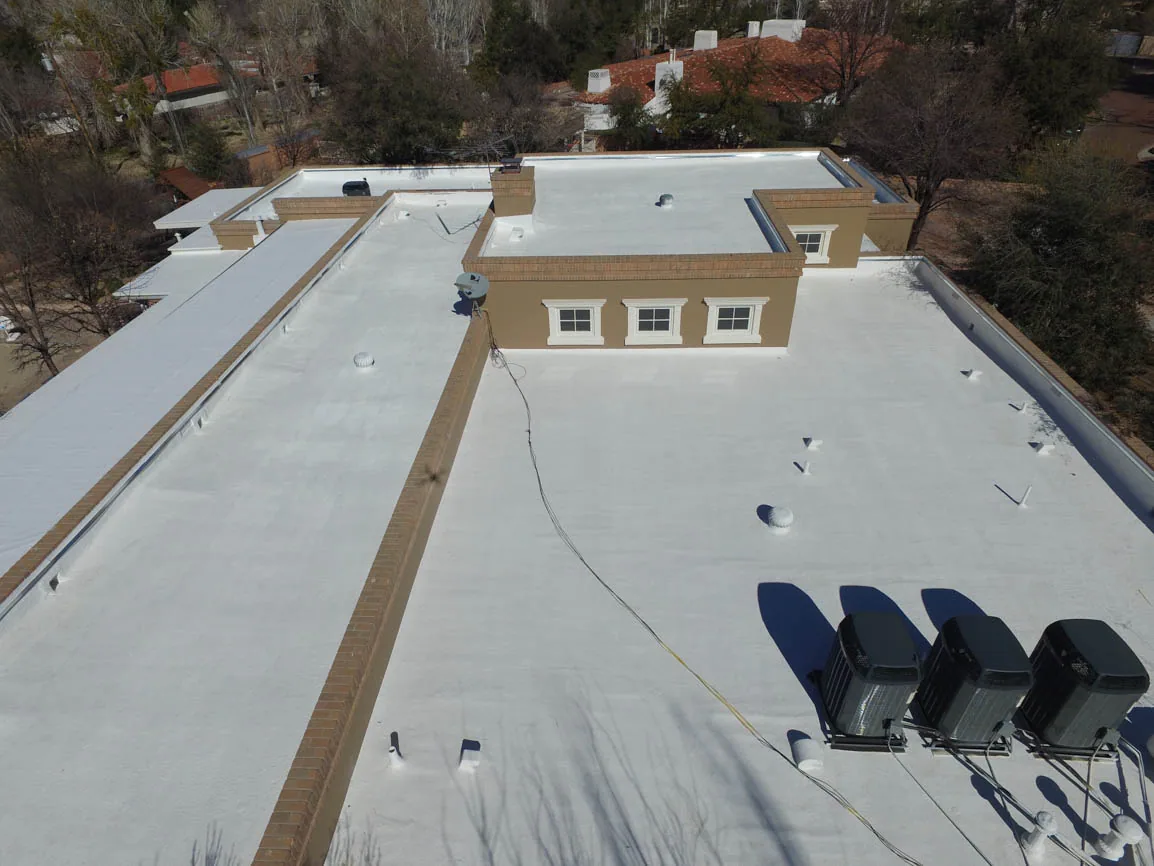
EPDM can be installed in sheets with field seams joined by tape or adhesive, depending on the system. Age, dirt, movement, and prior work can weaken a lap. We probe the joint, inspect the adjoining sheet, and check whether the surface is clean enough for a repair bond. A loose corner near a curb may need a different detail than an open seam across the field.
Water may travel along the membrane before entering at a penetration or wall. We follow the drainage plane from the stain area toward the roof’s higher transitions, noting changes in slope, ponding, and sheet movement. If a repair has been layered over earlier patches, we check the edge of each one so the new work can meet stable material. The marked report shows where the defect begins and where the inspection needs to continue.
At drains, overflow openings, and scuppers, the membrane must turn into a secure, watertight connection. We look for loose clamping rings, wrinkles, debris, and separated flashing. Drain and scupper work can restore the outlet detail, but it should not cover a weak seam that is feeding water toward it. Each part gets a clear repair boundary.
Bond the patch to a sound surface
A lasting EPDM patch needs compatible materials and a surface prepared to the system’s requirements. We remove loose or failed material, clean the rubber, prime where specified, and roll the repair firmly into place. The patch should extend onto sound membrane beyond the defect, with corners and edges shaped to resist lifting. We inspect the finished boundary rather than stopping when the opening is covered.
When the sheet has hardened, shrunk, or pulled away from multiple terminations, repeated patches may not correct the underlying movement. We inspect the attachment, perimeter, and insulation before recommending a wider scope. A seam repair suits a localized joint failure; a broader membrane replacement is considered when the field or substrate no longer supports reliable repair.
Where an occupied building has a narrow access window, we stage materials and set a defined work area before opening the roof. Orenco Station’s transit-oriented pattern includes shops and services around a high-capacity stop, but each property has its own ground and roof routes. Occupied-building sequencing accounts for those routes, tenant needs, equipment clearances, and the time required to keep the roof watertight.
Check insulation before covering a leak
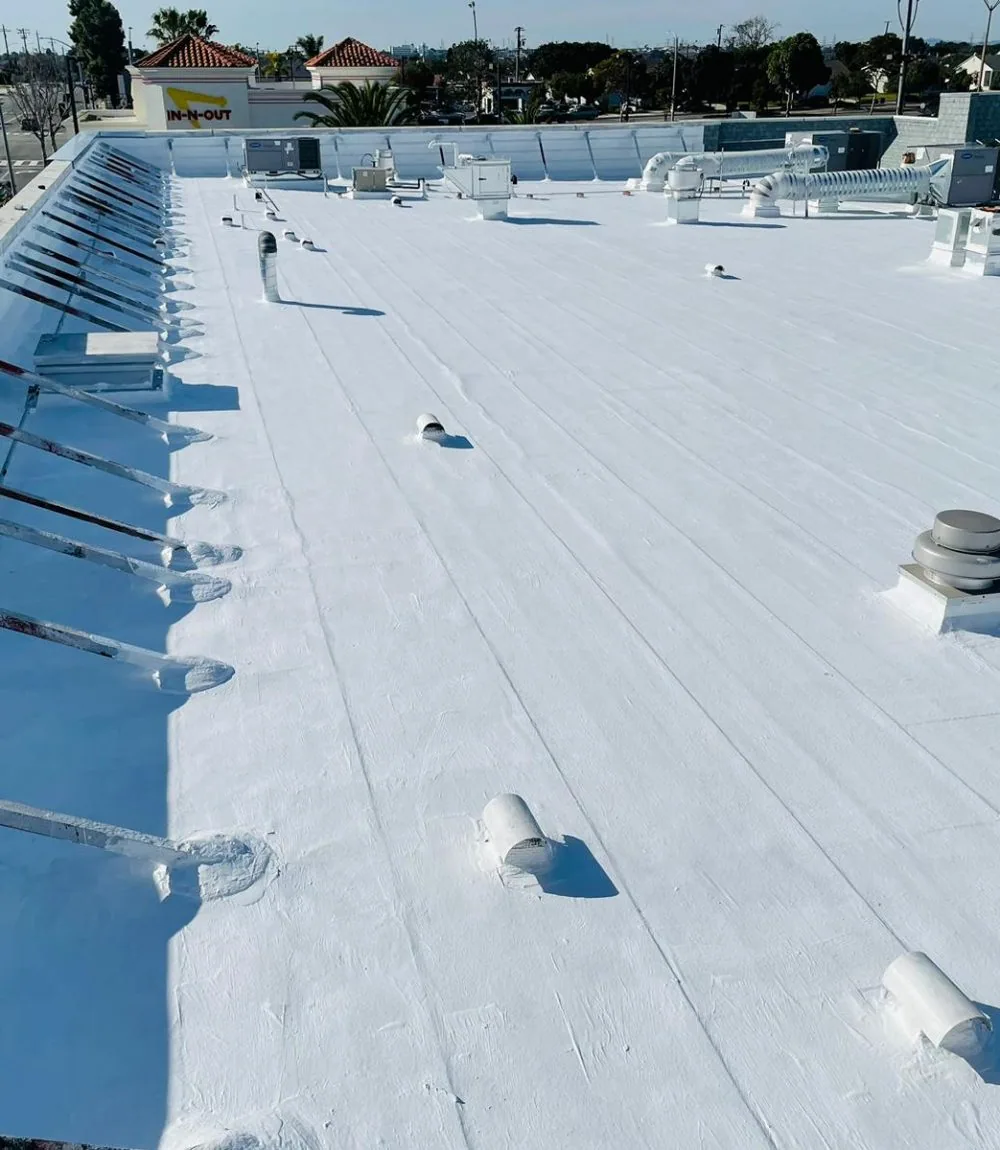
EPDM can conceal wet insulation after water enters at a seam or penetration. We mark soft spots, recurring interior leaks, and areas that remain damp, then decide whether a moisture survey or a selective opening is needed. The survey helps direct testing; an opening can show the deck and layers directly. About 64 days each year in Hillsboro have minimum temperatures at or below freezing, so inspection notes should mark any rigid detail or drainage point affected by a cold spell. We check actual conditions before setting the work window, including surface moisture, temperature, and access.
For a commercial building in Downtown Hillsboro, we map the accessible roof sections against the owner’s operating areas and service routes. For a multi-tenant roof, we mark which drains, curbs, and membrane zones serve each section, then note any access restriction that affects the repair. A condition report makes the findings useful to a property manager who needs to sequence work without confusing one assembly with another.
Compare repair, recover, and replacement
A repair is usually the narrowest choice when the EPDM remains flexible, the insulation is dry, and the failure has a defined edge. A recover may be possible when the deck and existing layers are stable and added height can be handled at drains, walls, and curbs. If moisture is widespread or the existing membrane has pulled back across the field, a tear-off may be needed to restore a reliable substrate. We price these as separate scopes when inspection supports the comparison.
EPDM, TPO, and modified bitumen each form a different roof assembly. Selection considers building use, attachment, seam method, penetrations, drainage, and maintenance access. We explain how those details change the installation and future repairs, so the owner compares systems by the work they require rather than by color or material name alone.
Cost and timing follow the amount of membrane to remove, wet insulation, roof access, edge metal, curb details, and the need to keep operations moving below. If there are layers we cannot verify from the surface, we identify the opening needed before final pricing. The written scope shows measured areas, protection, disposal, and restoration of the drainage plane. That lets the owner see why the repair boundary extends where it does.
Record the next seam check
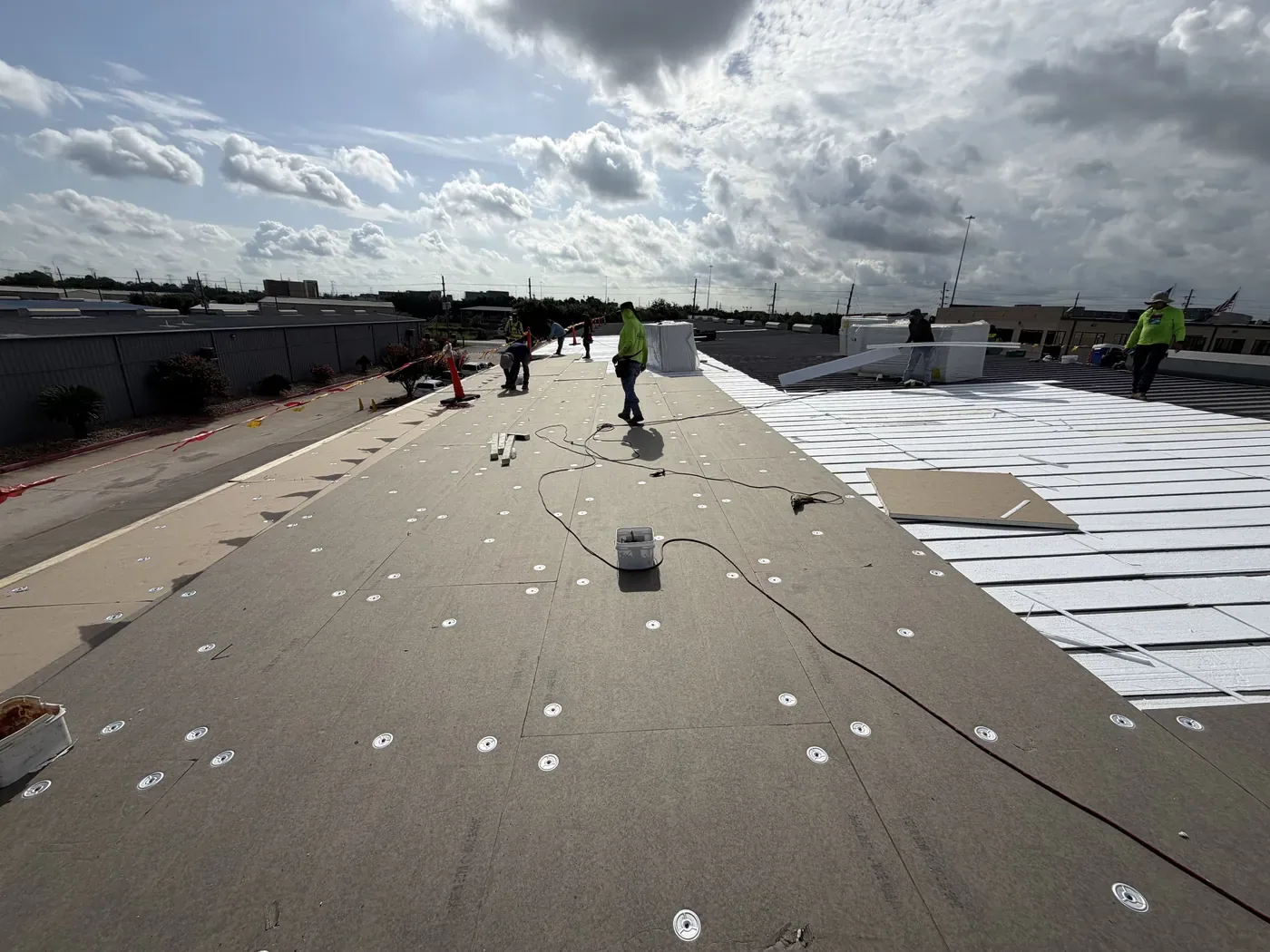
After work, we record the repaired lap, transition, and any area that still needs observation. A maintenance visit can clear drains and revisit those marked locations before another wet period. The record should identify the roof section and repair material so future work does not assume every black membrane is the same assembly.
Arrange a roof walk when a lap opens, a drain holds water, or a leak returns after patching. We will mark what is sound, identify any wet insulation that needs confirmation, and provide a repair or replacement scope tied to the actual EPDM assembly.
Questions About EPDM Roofing
Can an EPDM seam be repaired after it lifts?
A repair can work when the sheet beside the lap is flexible and clean enough to bond. We check the seam, remove loose material, prepare the surface, and roll the compatible patch into place. If shrinkage or repeated movement pulled several transitions loose, we price the broader correction separately.
How do you decide whether EPDM insulation is wet?
We use visible conditions to choose where a moisture survey or opening will provide a useful answer. Soft areas and recurring leaks can guide that test, but the moisture boundary is confirmed before material is replaced. The report shows what we found and what still needs access.
Can you install a new roof over existing EPDM?
A recover depends on the deck, layers, attachment, moisture, and available height at curbs and drains. We inspect those details first and confirm whether the assembly can accept added material. When tear-off is needed, the scope identifies the removal and substrate work instead of assuming an overlay will fit.
What affects EPDM repair timing in Hillsboro?
Surface dryness, temperature, rain, roof access, and the repair size all matter. We schedule the work when the material can be prepared and bonded to its system requirements. Hillsboro’s wettest normal months are October through January, so the forecast helps us choose a practical window.
What should a roof record show after an EPDM repair?
It should identify the roof section, repair location, material used, and any nearby condition to monitor. We note drain and penetration checks as well as seam work, then return to those points during maintenance. A clear record helps the next manager distinguish a repaired lap from an unexamined area.
Inspect the EPDM seams and drainage path
Schedule a roof walk in Hillsboro for marked seam, drain, and insulation findings, followed by a scope that separates a local repair from broader replacement work.