
Commercial Heat and UV Roof Damage Repair in Hillsboro, OR
Commercial heat and UV roof damage repair in Hillsboro, OR. We inspect membrane aging, seams and coating condition, then define a repair scope.
Commercial Heat and UV Roof Damage Repair
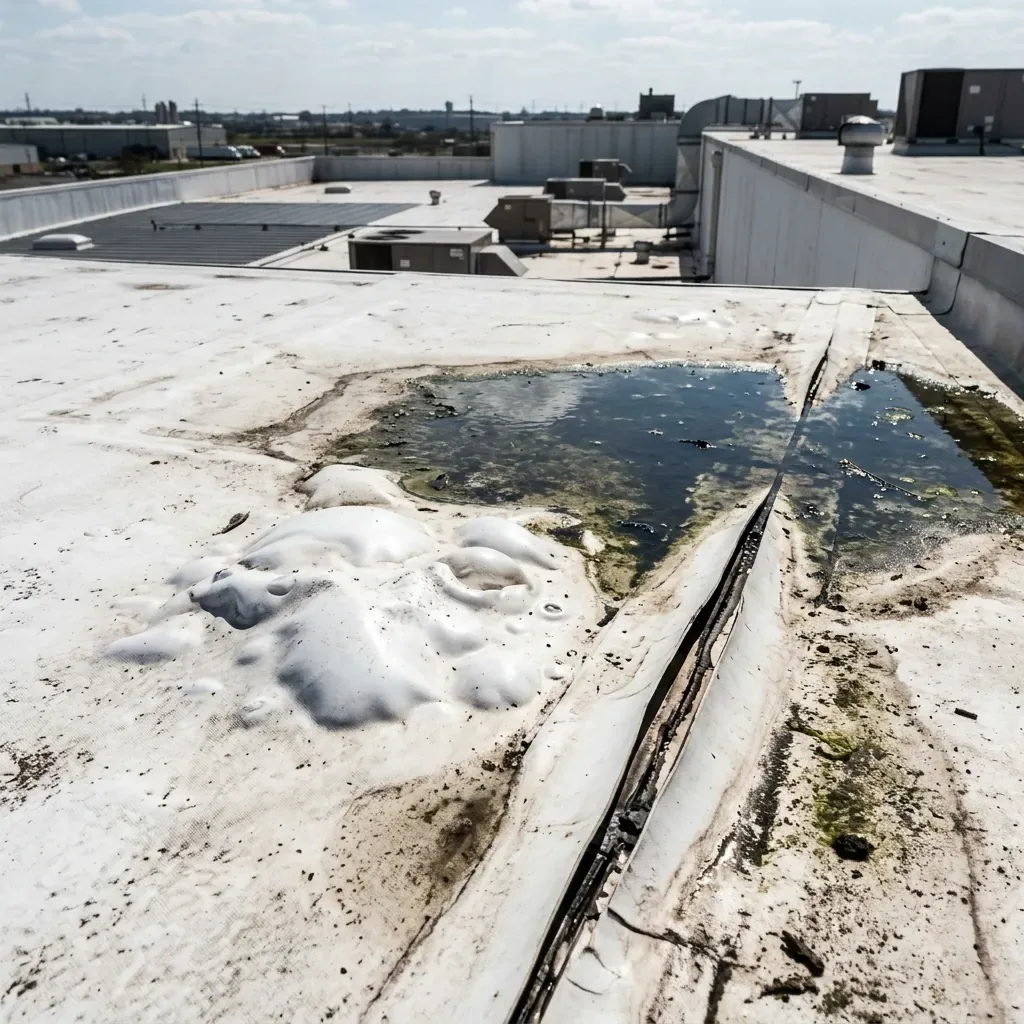
A chalked surface or a seam that has begun to pull apart gives us a place to inspect, but color alone does not set a repair boundary. In Hillsboro, OR, heat can age an exposed sheet or coating; I check the actual surface, seams, and transitions against the roof records before selecting a repair.
Along Tualatin Valley Highway, the urban arterial also carries regional transit. Roof work may need to account for equipment, service routes, and operating hours identified by each owner. We document surface wear, adhesion, seam condition, and any wet insulation before discussing a coating restoration or a membrane repair.
Related Roofing Pages
More pages on commercial roofing in Hillsboro:
Read the surface and the seam together
Sun exposure can change a roof surface over time, while daily warming and cooling can move sheet edges and metal transitions. We inspect for brittleness, checking, exposed reinforcement, failed sealant, open laps, and coating that has lost adhesion. A small surface change may call for maintenance; a split seam or damaged flashing needs a different repair. We mark each finding rather than describe the whole roof with one condition label.
The inspection follows the field sheet to drains, curbs, pipes, and edge metal. At a split seam, we check whether the edge can be prepared and rejoined or whether the surrounding material has become too weak for a tie-in. Tanasbourne and AmberGlen have a regional-center role in western Washington County. At a building there, we ask where equipment service and membrane preparation could conflict, then record the approved work area. Where a low area holds water after rain, we inspect the outlet and the surface leading into it. For work near Tanasbourne and AmberGlen, that broad setting can inform access coordination, but the property contact supplies the actual roof route. We verify the membrane and existing coating before preparing a specification.
Put local heat readings in context
Hillsboro averages about 17 days a year with highs of at least 90°F and roughly 1.4 days reaching at least 100°F. A dark membrane, rooftop exhaust, equipment discharge, shade, and surface condition can create different exposures across one roof. We compare sheet flexibility and attachment at shaded and exposed areas, then photograph any change near a seam or termination. Where the surface has split, we check the neighboring material for a firm repair edge and record any opening needed to inspect the insulation. On a heat-related call, we inspect exposed membrane, sealant, and curb transitions for brittleness, shrinkage, or splits, then check beneath the affected area before choosing a repair.
Near Orenco Station, mixed commercial uses and transit access make work-zone planning specific to each building. We confirm staging and occupied-hour rules with the property contact, then schedule surface preparation and coating only when conditions support the material's application and cure.
Check the assembly before recoating
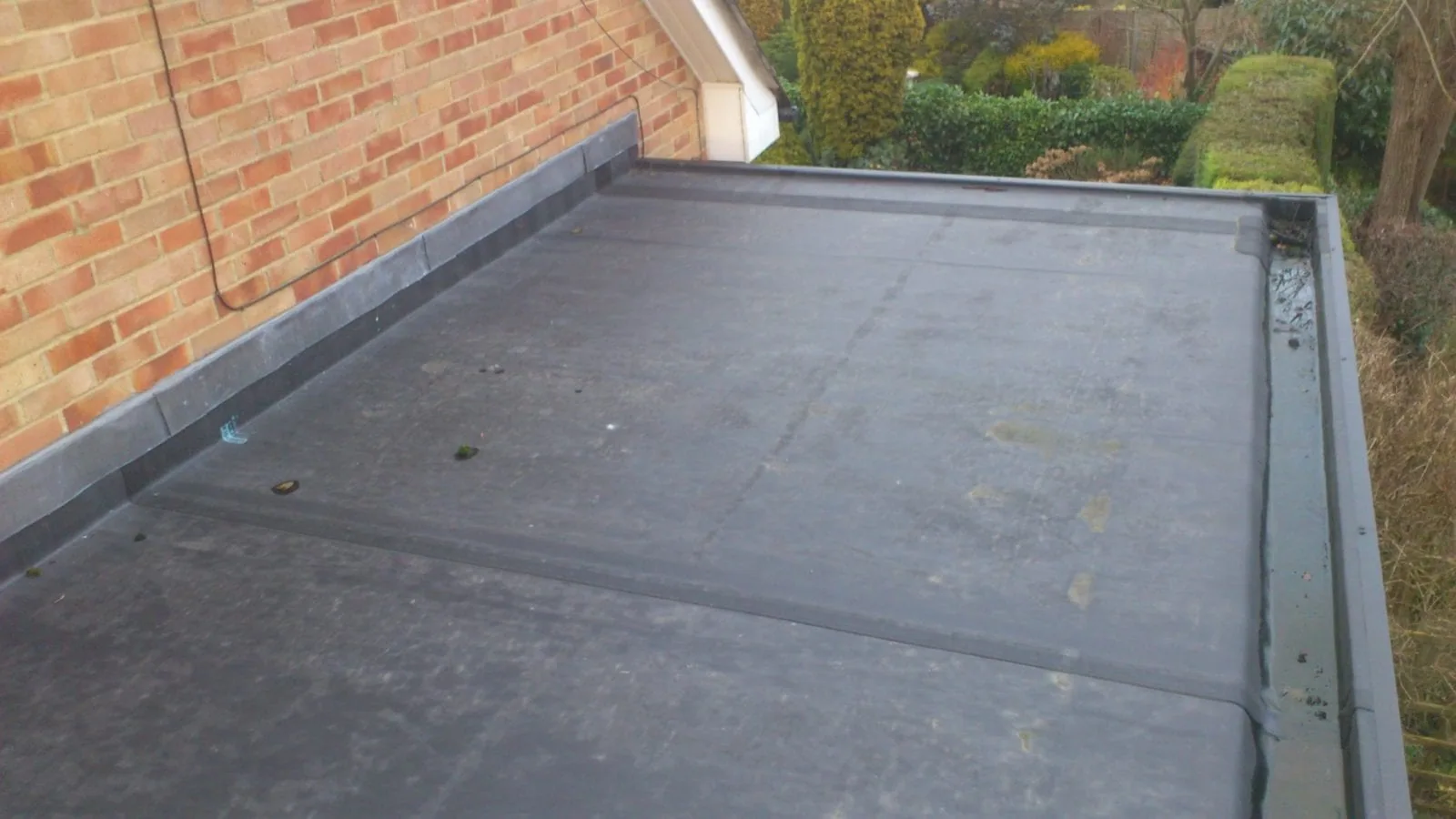
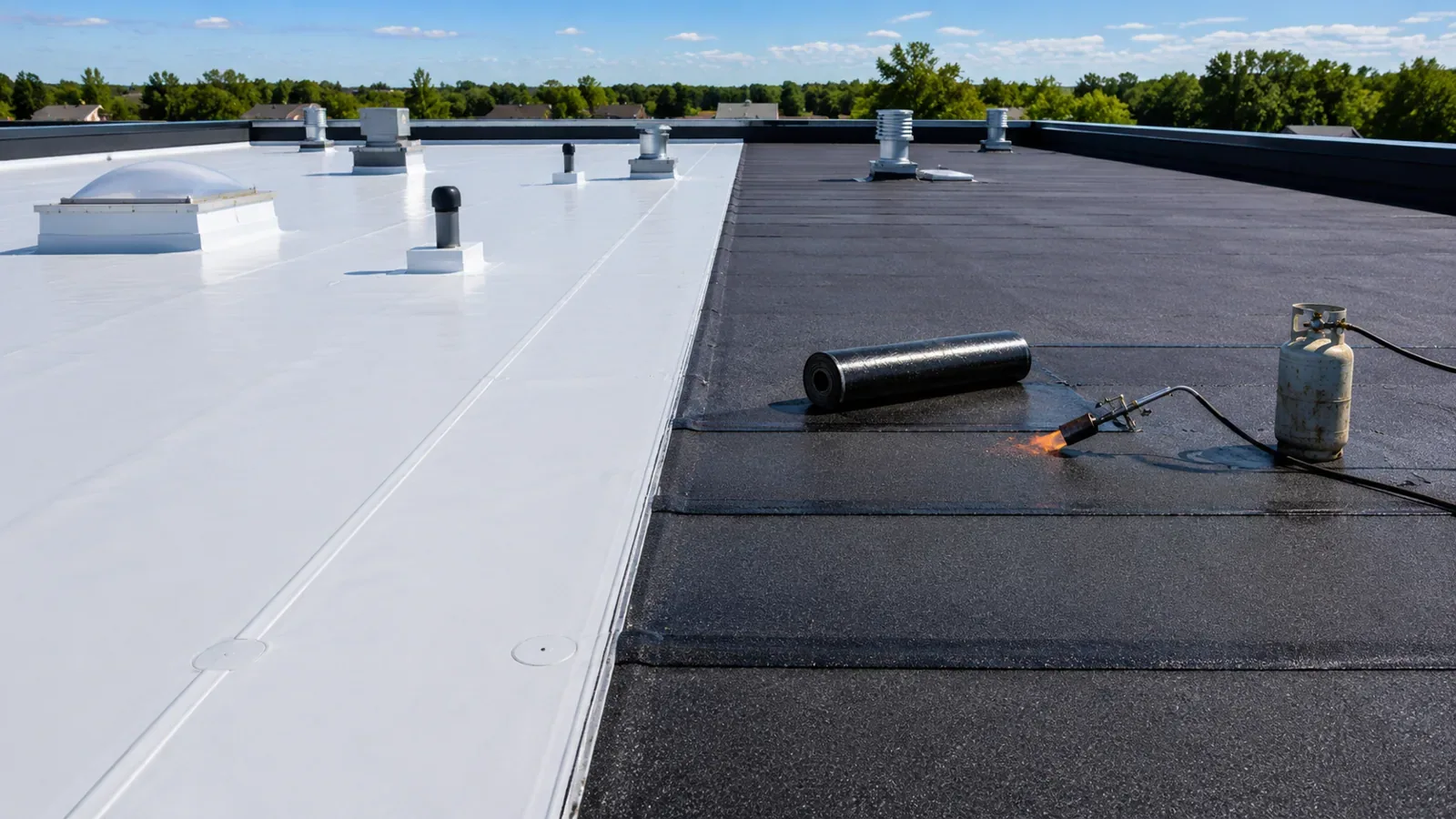
A coating is a maintenance layer over a suitable substrate, not a replacement for failed attachment, wet insulation, or open seams. We verify the existing membrane, adhesion, surface cleanliness, drainage, and condition of flashings before proposing restoration. A test area may help confirm that the planned preparation and coating bond to the existing surface. The written scope states where reinforcement is needed and which details remain outside the coated field.
On a TPO assembly, an aged surface, prior coating, or contamination can change how a repair is prepared. Other membrane types require their own compatible method. We identify the system and consult its records when available, then match the repair to the sheet, seam, and termination. A new coating cannot make incompatible materials into one assembly.
Hillsboro's Intel and Genentech operations illustrate the local presence of process-oriented manufacturing and distribution buildings. That context makes rooftop equipment and work continuity practical planning issues. We inspect each property and identify the equipment clearances, drains, and service paths that shape access.
Price repair, restoration, and replacement separately
Where the substrate is dry and the damage is localized, we can repair an open seam, flashing transition, or exposed area with compatible materials. A coating may be considered when the existing surface is sound, clean, and able to accept the system. The scope includes preparation, reinforcement at details, and the areas that will be checked during application. Those steps are more useful than a generic coverage note.
Widespread brittleness, loose attachment, water beneath the membrane, or failed seams across several sections can make restoration unsuitable. We map those findings and compare a repair with recover or replacement. The decision accounts for moisture, existing layers, drainage, added load, access, and code conditions. A coating is not priced as a remedy for water trapped in the assembly.
If the inspection also finds an open flashing transition or a surface puncture, each detail is located and described. We can phase work by roof section when access or operations require it, while keeping the permanent repair scope distinct from temporary protection.
Track changes at the same marked locations
A maintenance record is useful when it shows where the surface has changed and what was repaired. We leave photos, marked locations, the visible assembly, and notes on areas that were not accessible. At the next roof walk, those references help compare seam movement, coating adhesion, exposed reinforcement, and drainage. The report can identify a repair boundary before moisture spreads to another section.
On employment corridors such as 185th Avenue, material deliveries and roof access may need to fit around commercial activity. That avenue serves as a regional route for people and goods, while each building sets its own loading and work rules. We confirm those details before scheduling a repair or coating application. Weather and surface conditions can shift the sequence, so the open areas and completed sections remain documented.
Arrange a Hillsboro roof walk and we will inspect surface aging in context, check the seams and transitions, and show whether the findings support repair, restoration, or a larger roof decision. Emergency response remains available day or night when active water entry needs attention. The record will state what was seen and what should be checked again.
Questions About Commercial Heat and UV Roof Damage Repair
Does a faded membrane mean the roof needs a coating?
Color alone does not establish adhesion, thickness, moisture, or seam condition. We inspect the surface and test preparation where appropriate. A coating is considered only when the assembly can accept it; open seams, wet insulation, or failed attachment need separate repair work.
Can a coating repair a seam that has opened?
The seam must be repaired with a method compatible with the membrane before any broader restoration is considered. We check sheet edges, substrate, and nearby water exposure, then mark the tie-in. Coating over an open lap can hide the condition without reconnecting the assembly.
How do you decide whether heat damage is local or widespread?
We compare representative roof areas, inspect transitions and seams, and note where brittleness or cracking changes. Records and photos help distinguish a single exposed section from a repeated condition. If moisture or attachment needs confirmation, we identify the survey or opening that can answer it.
Will roof coating fix ponding water?
A coating does not change slope or restore compressed insulation. We inspect the drain, overflow, low area, and moisture beneath the membrane first. If the assembly is suitable, coating may protect the surface while drainage correction remains a separate scope.
Can you work around rooftop equipment and tenant schedules?
We confirm equipment clearances, roof access, staging, and operating limits with the property contact. Surface preparation and coating need suitable weather and cure conditions, so the schedule reflects both site rules and application requirements. The work plan shows which sections remain accessible during the job.
Schedule a Hillsboro roof condition walk
Tell us where the surface has changed and whether a seam or leak is involved. We will inspect the assembly, document the repair boundary, and price restoration only where the roof supports it.