
Modified Bitumen Roofing in Hillsboro, OR
Modified bitumen in Hillsboro, OR needs sound laps, dry insulation, and secure transitions. We inspect plies and price repair or replacement clearly.
Modified Bitumen Roofing
A lifted cap sheet or open lap can leave a modified-bitumen roof vulnerable before water reaches an interior ceiling. In Hillsboro, OR, we inspect the surface, seams, flashings, and drainage details to see whether the failure stops at one area. Downtown Hillsboro serves local government and commerce across western Washington County, with transit and highway work focused there. On a modified-bitumen system, we map the affected ply, follow runoff to the outlet, and note where access or concealed insulation limits the view. A roof inspection starts with those visible details and the next test, if one is needed. At Tanasbourne and AmberGlen, the property contact confirms roof entry, lift staging, and occupied-hour limits before work begins. Rain at Portland-Hillsboro Airport normally totals 35.93 inches a year, concentrated in October through January; we mark open laps and drain paths before that wetter interval. We check drain bowls and overflow paths while tracing the defect, then mark the condition that can be repaired and any area requiring further testing.
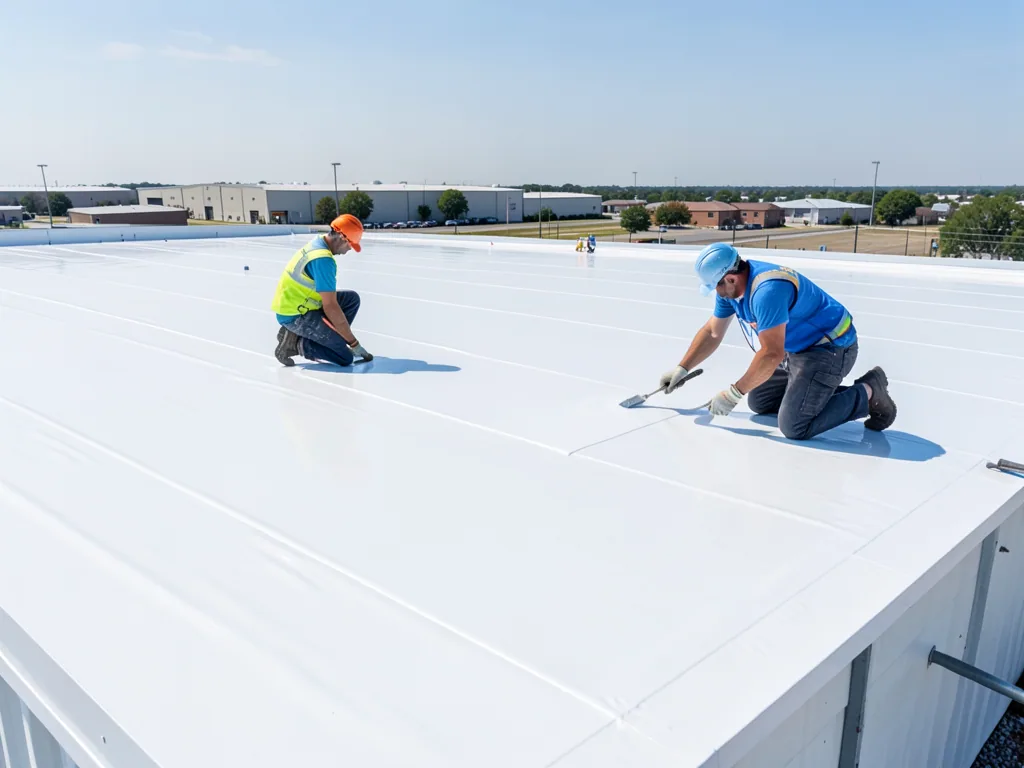
Related Roofing Pages
More pages on commercial roofing in Hillsboro:
Read the plies at an open edge
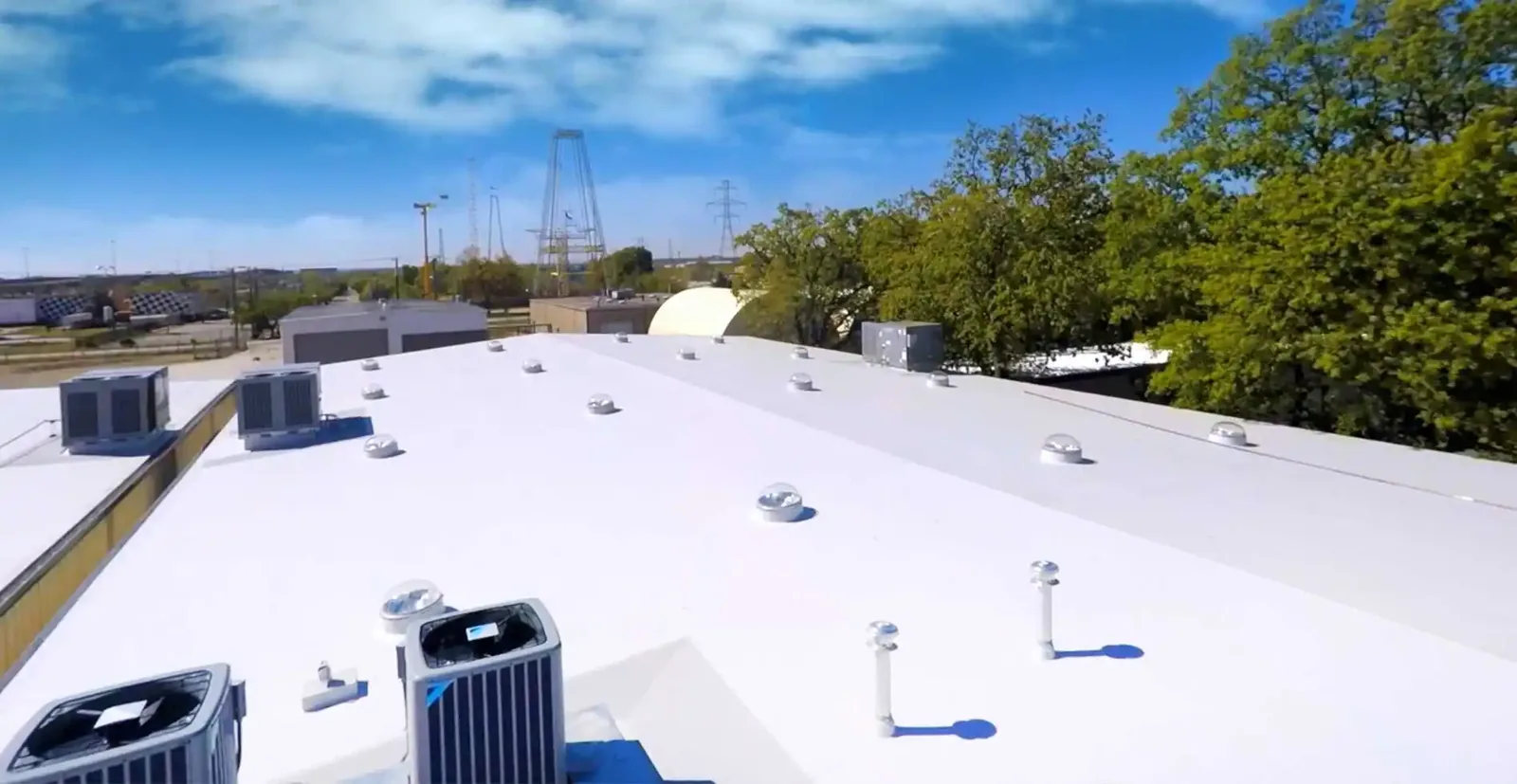
Modified bitumen uses asphalt-based sheets reinforced with a carrier, commonly installed in multiple layers. SBS and APP products differ in formulation and how they are applied, so we identify the existing system before selecting repair materials. At an exposed edge, we examine the plies, surfacing, attachment, and substrate. A blister, split, or fishmouth needs to be opened only far enough to find sound material and understand the water path.
Lap seams should be closed continuously without a loose edge that can catch water or foot traffic. We inspect side and end laps, patches, and changes in plane, looking for movement, brittle asphalt, or separation. Where the roof has gravel, coating, or mineral surfacing, we clear a small area to see the membrane rather than guessing from the top layer. The report shows the seam and the repair method suited to its condition.
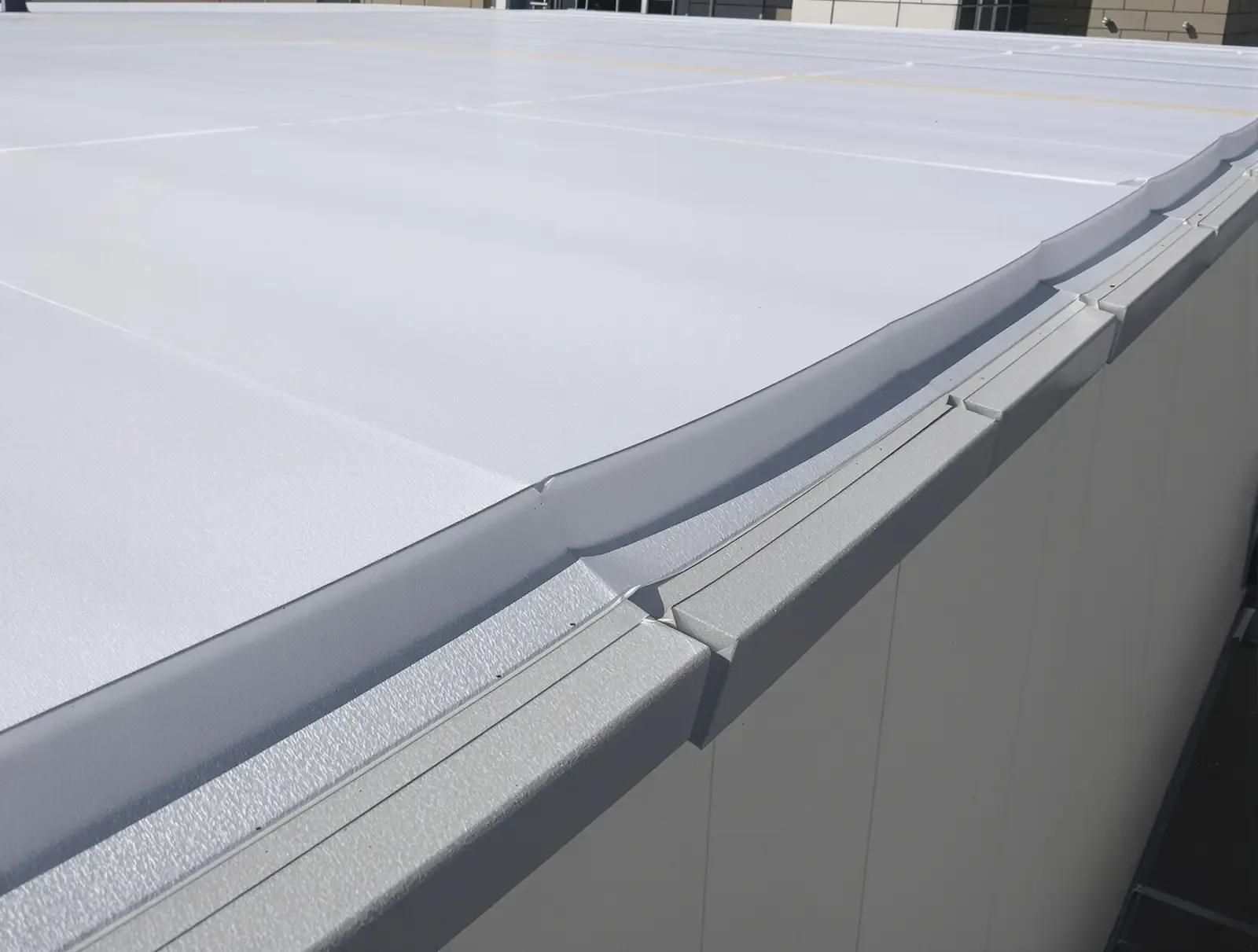
At parapets, curbs, drains, and penetrations, layered flashing must remain tied into the field sheets. A flashing repair may be needed where a corner has split even if the main roof field remains stable. We follow the transition to its termination and note metal condition, sealant, and attachment before pricing the detail.
Find the moisture boundary before patching
A blister does not establish how far moisture travels below the surface. We check its size, movement, and relationship to laps or drains, then look for soft insulation and interior signs. Where evidence suggests concealed water, an infrared moisture survey or selective opening can help define the affected area. We list confirmed wet material separately from a suspected path so the owner can choose the next test with a clear purpose.
When a repair reaches dry, stable material, the new sheet can tie into the existing assembly. We remove loose plies, prepare the boundary, install compatible material, and inspect the completed laps. If the surrounding membrane is brittle or delaminating across several zones, a local patch may not hold. At an occupied building, entrances and service routes can sit close to a roof work zone. We agree on barriers and material handling with the property contact, then protect the drainage path while work is open. The roof detail and the site rules both inform the sequence.
Choose the application method for the roof
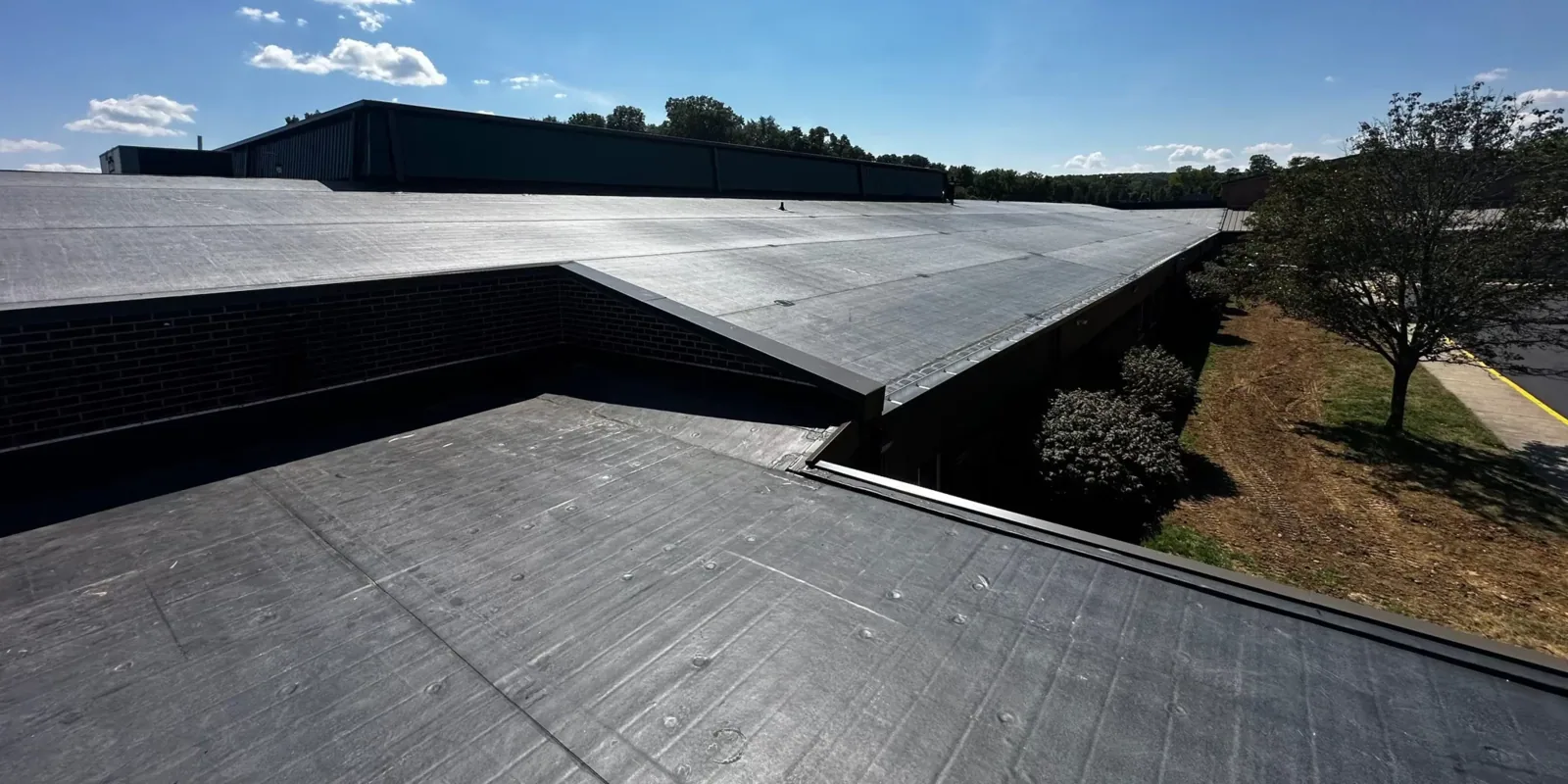
Repair materials and installation method must match the existing system and the roof conditions. Some modified-bitumen work uses heat, while other products use cold adhesive or self-adhered sheets. We review the substrate, nearby materials, access, and fire-safety requirements before selecting a method. The crew prepares each lap and transition to the product instructions instead of carrying one application approach from roof to roof.
If insulation is wet or the deck needs attention, the scope must include that work before a new sheet goes down. A cover-board and insulation scope can address the substrate and support a more consistent membrane surface. We also inspect perimeter metal because new thickness may change the termination height. The owner sees how these details affect the repair boundary and final assembly.
At Tanasbourne and AmberGlen, regional transit and highway improvements are focused around the center. For a property with deliveries or tenant traffic, we set a staging point and roof-access window with the site contact. Occupied-building reroofing keeps those coordination needs in the work sequence. If only one section needs repair, we isolate the material movement there rather than expanding the work area without evidence.
Compare repair with a full roof scope
A repair can make sense when the layers are dry, laps remain secure, and the defect has a defined edge. Replacement becomes a stronger option when water has reached multiple layers, surfacing has separated broadly, or repeated patching has left no stable boundary. We review the roof’s age only when records support it, and otherwise base the recommendation on observed conditions. A recover scope is considered only when the deck, existing layers, and detail heights permit it.
Owners may also compare built-up roofing and single-ply TPO when planning a new assembly. The choice affects plies, seams, weight, drainage details, staging, and later repairs. We explain those differences for the building’s use, including equipment access and any areas that must remain operational, then show the costs and timing drivers tied to each option.
For a large roof, a phased plan can separate urgent leak repairs from capital replacement. Each phase needs temporary tie-ins, protected drains, and a record of what remains. Our roof capital planning can carry inspection findings into a sequence the owner can review. The scope identifies access requirements, removal, installation, and closeout so the building team can coordinate operations before materials arrive.
Keep the roof record tied to each layer
Modified-bitumen roofs benefit from a record that identifies the surfacing, membrane areas, repairs, and flashing transitions. During a maintenance visit, we clear drains, check exposed laps, and revisit the patches marked on the previous report. That lets the owner see whether a repair boundary remains stable or a nearby condition has changed.
Arrange a roof walk when a lap lifts, a blister grows, or water returns after a patch. We will trace the path, check the plies and insulation, and price the work that reaches stable material. If replacement deserves consideration, we can show it separately from the repair so the next decision is based on the roof’s actual condition.
Questions About Modified Bitumen Roofing
Can a modified-bitumen roof be patched during the rainy season?
A repair needs a dry, prepared surface and a workable weather window. We check moisture and forecast conditions before opening the roof, then set a temporary tie-in if the area cannot be completed at once. Hillsboro’s wetter normal period runs from October through January, so schedule and protection matter.
How do SBS and APP modified bitumen differ?
They are different formulations and may use different application methods. We identify the existing sheet, review the product requirements, and match repair material to the assembly. The system name alone does not tell us what is under the surfacing or which repair detail will hold.
What does a blister mean on a modified-bitumen roof?
It signals a raised area that needs inspection, but it does not by itself show the condition of every layer. We check movement, seams, and surrounding surface, then open or test the area when needed. The repair scope follows the condition found beneath the blister.
Can you install a recover over modified bitumen?
Possibly, if the deck and existing layers are stable, moisture is controlled, and new details can meet drains, edges, and curbs. We verify those conditions before pricing an overlay. When they do not support a recover, the proposal outlines tear-off and substrate work.
How do you keep an occupied Hillsboro property operating?
We set roof access, material staging, and ground barriers with the property contact before work begins. The sequence limits the open area and protects the drainage path. For tenants or deliveries, we agree on the affected route and timing instead of relying on a general site assumption.
Inspect the modified-bitumen layers
Arrange a Hillsboro roof walk for marked lap, flashing, and moisture findings, then receive separate repair and replacement scopes tied to the existing plies.