
Commercial Roof Asset Management in Hillsboro, OR
Track roof condition, repairs, and renewal choices across Hillsboro properties with marked findings, useful records, and scopes tied to each assembly.
Commercial Roof Asset Management
A roof list becomes useful when each entry points to a condition someone can verify. In Hillsboro, OR, we inspect the membrane, seams, terminations, drains, curbs, and visible repair boundaries, then connect those findings to the building record. A production roof with equipment access needs a different maintenance note than an office roof with a simple walk path. We help owners track what was seen, what work was completed, and which open item should return to the budget. A marked condition report gives each property a record that can be checked on the next visit.
Related Roofing Pages
More pages on commercial roofing in Hillsboro:
Record the assembly before comparing roofs
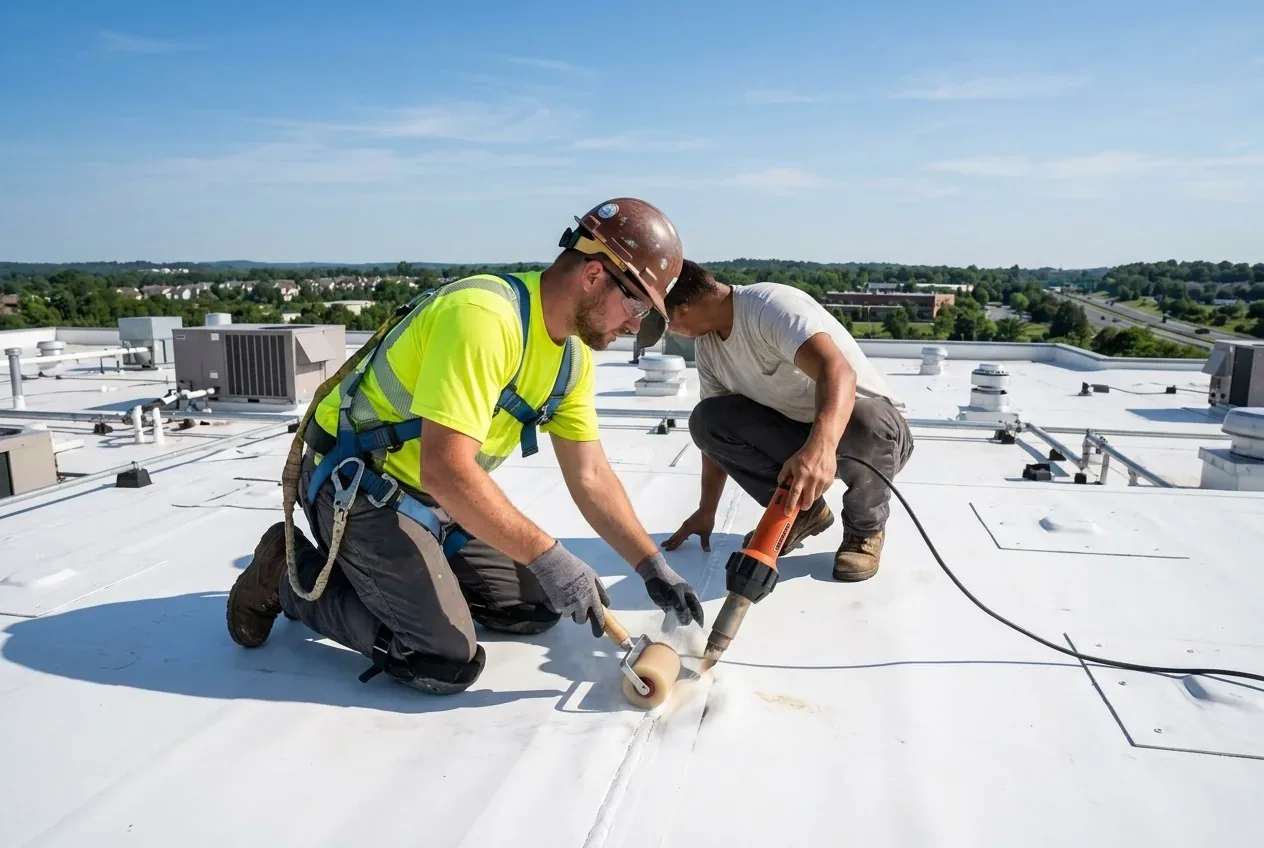
We begin with the visible assembly, not a replacement date copied from a spreadsheet. The field sheet records membrane type when identifiable, roof areas, drainage points, penetrations, edge metal, prior patches, and locations that could not be reached. Photos show where each observation sits. When records are incomplete, we label the unknown rather than turn an assumption into an asset fact.
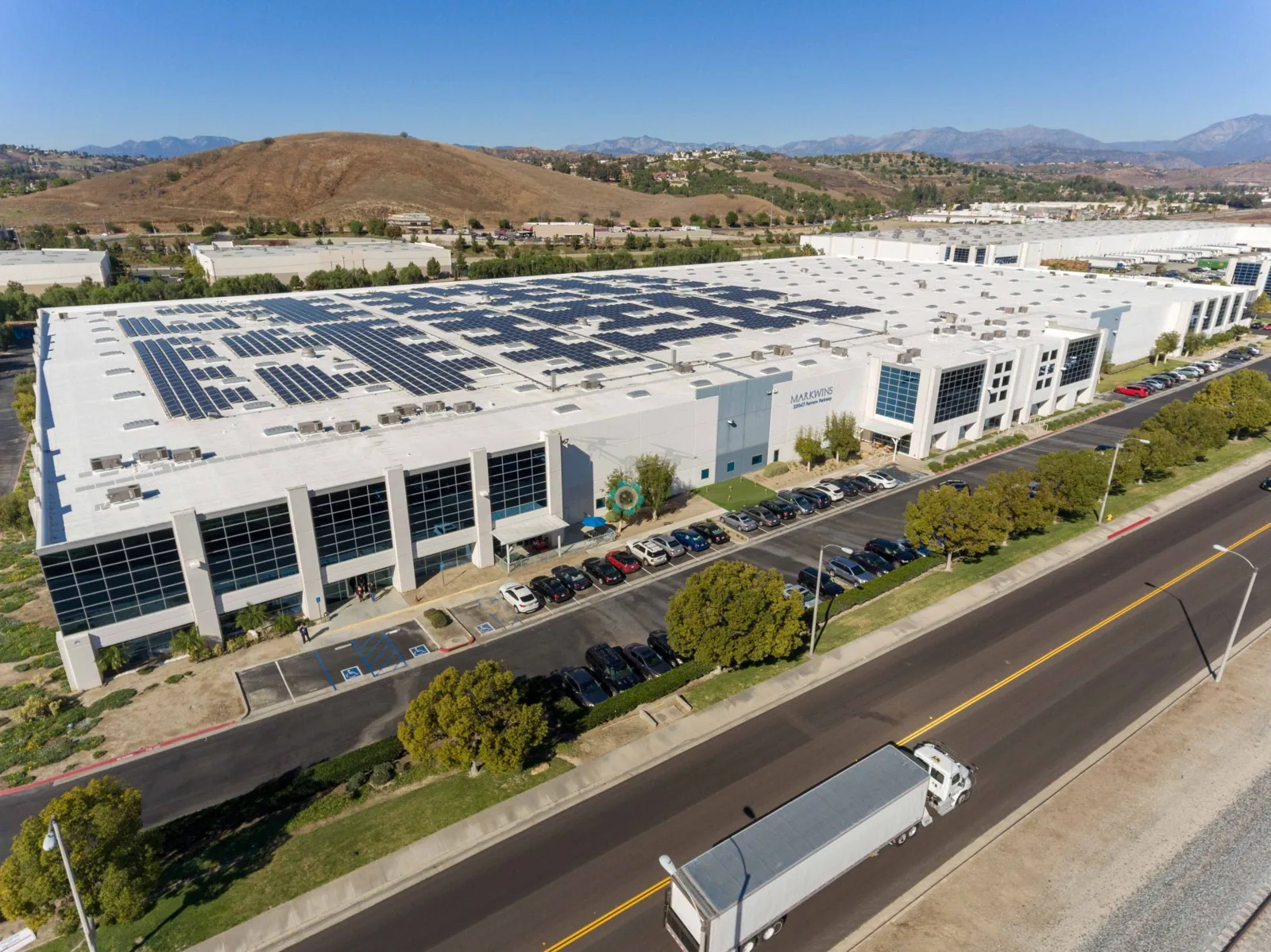
That distinction matters across a portfolio. Hillsboro's building mix includes process manufacturing, medicine packaging, and distribution, so equipment and access rules can affect an inspection. The building record can flag operating hours, escort requirements, equipment clearances, and approved walk paths. Those details help plan a safe review without mixing access notes with membrane condition.
We can pair hands-on observations with drone imagery or an infrared moisture survey where the roof and question call for it. A scan identifies areas needing interpretation; it does not replace an opening or test when the assembly remains uncertain. The record separates confirmed damage, maintenance items, and questions that need another method. That makes a later roof inspection easier to scope.
Keep each repair tied to its location
A repair entry should name the roof area, material, preparation, tie-in, and result. “Patched” cannot show whether a seam was reopened, curb flashing replaced, or a temporary cover remains. We match photos to the plan and note whether adjacent wet insulation, a drain bowl, or a termination still needs attention. Hillsboro’s annual precipitation normal is 35.93 inches, highest between October and January. The asset file marks outlets needing attention, the roof section each drains, and the follow-up assigned before those wetter months. In an asset register, that seasonal pattern helps sort follow-up dates: an open lap or restricted outlet should be reviewed before the wetter stretch, while each roof's actual condition still controls priority. Near Orenco Station, a property contact can also identify shared paths and visit hours that affect access.
Maintenance history also shows whether a recurring item needs a broader correction. Isolated patches may be reasonable when the surrounding membrane remains sound. Repeated moisture findings, widespread seam separation, or failing insulation can justify a separate replacement comparison. We connect each choice to its observation so the owner can review the roof area and proposed work together.
Separate immediate work from renewal exposure
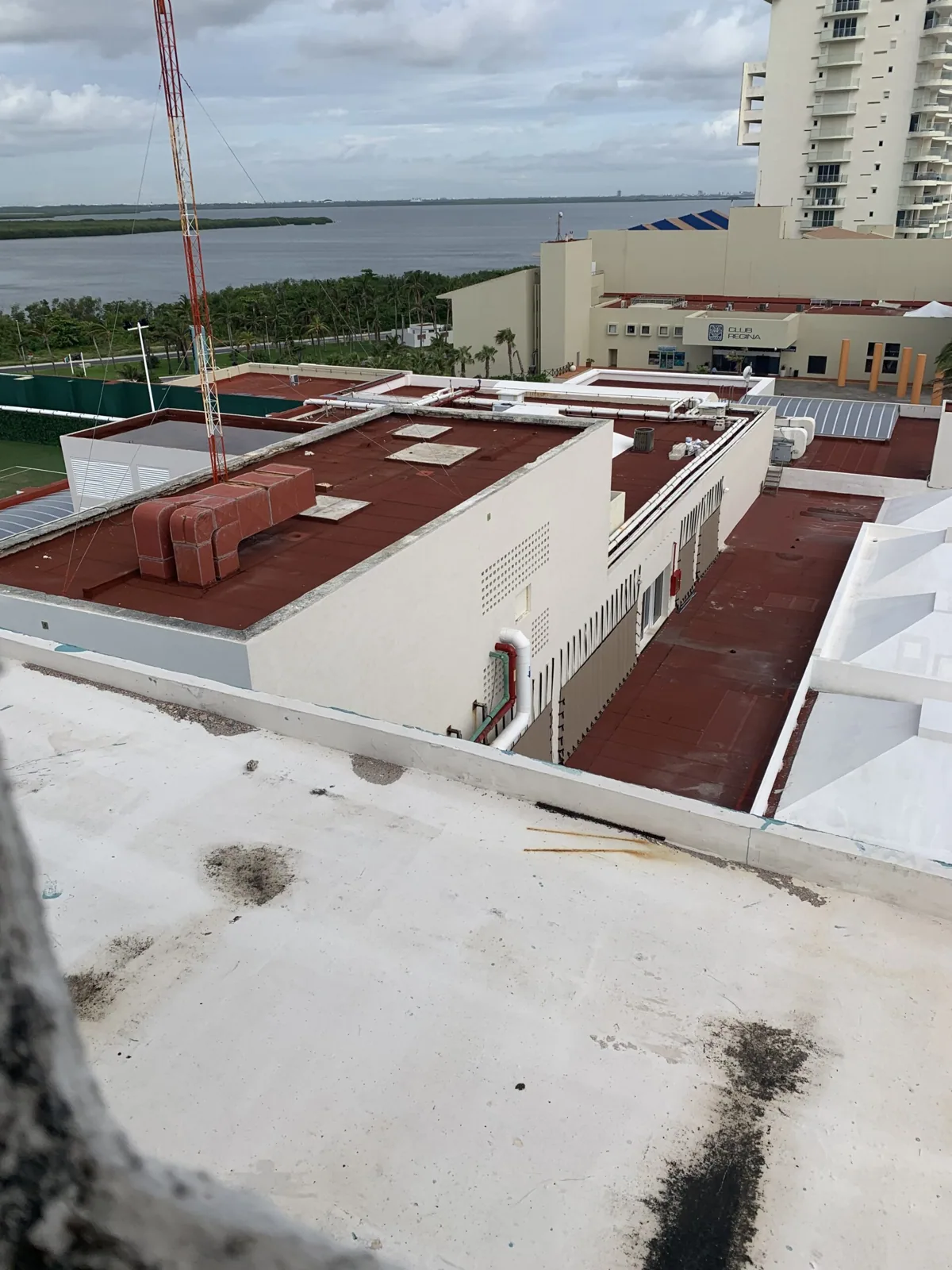
Portfolio planning is not a promise that every roof has the same remaining life. We identify repairs first, then describe conditions that could change renewal timing: wet insulation, failed attachment, deteriorated cover board, recurring ponding, or too little sound material for a dependable tie-in. The owner can compare findings with access, tenant schedules, equipment, and planned work. A drainage review may be smaller than replacement, but it should identify why water remains.
Cost follows the work required. Access restrictions, height, system compatibility, tear-off depth, deck condition, flashing complexity, and disposal can change a scope. We price confirmed work separately from concealed conditions that need an opening or test. A portfolio summary can show priority and timing, while the project proposal retains detail for approving one building's scope.
Oregon 8, or Tualatin Valley Highway, runs through Forest Grove, Cornelius, Hillsboro, Aloha, and Beaverton. Its route is useful for coordinating a visit, but we take the property entrance, loading point, and work window from the owner. Near Downtown Hillsboro, shared pedestrian areas may change ground protection, not the membrane repair method.
Set a review interval from observed conditions
The next inspection date should follow the condition and work performed. A repaired seam, blocked drain, or moisture area needing confirmation calls for closer follow-up than a sound tie-in with clear drainage. We can set a seasonal return, post-repair check, or review before a capital decision. Hillsboro averages about 64 days annually with lows no warmer than freezing. After a cold period, the register can flag a retained-water location for inspection and compare the detail against its earlier photograph. That exposure supports checking drain bowls, exposed piping, and details where water can remain through a cold period. We note what was visible and what changed. If a cool night or wet surface affects preparation, the sequence can be adjusted to suit the assembly and material.
For operating buildings, the schedule should name who grants access, which equipment zones stay clear, and when staging is acceptable. We coordinate those details and document any area that remains inaccessible. A maintenance visit can cover the approved route and priorities. When a system is identified, the record can refer to the applicable TPO assembly. A changed condition earns a dated note, a new photograph, and a follow-up assignment rather than an overwritten entry. That lets the next reviewer see whether the repair boundary moved or the drainage observation was resolved.
Give the next decision a usable record
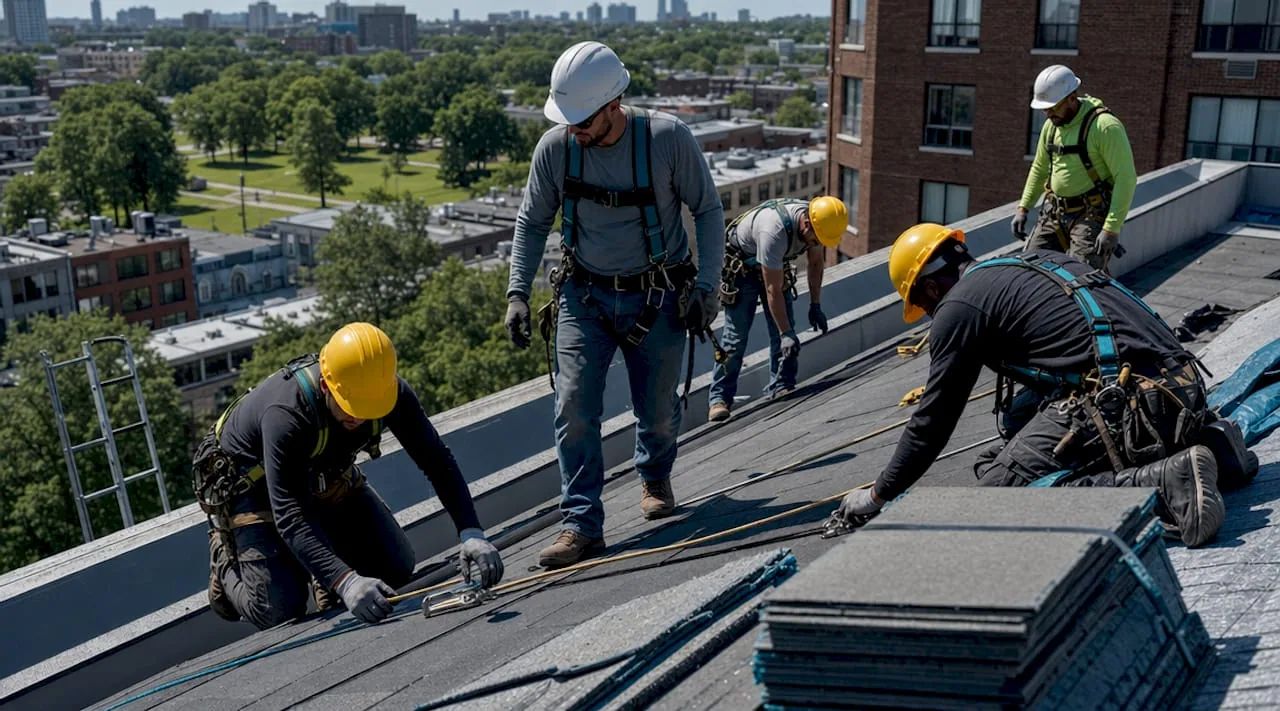
A useful asset record has a marked roof plan, dated photos, an assembly description, condition notes, completed work, and unresolved questions. It identifies access information and obscured areas. We separate observation from recommendation so a future manager can see what the roof showed before approving work. The record can support a capital planning review or a transaction survey without changing the underlying findings.
Our work includes inspection, repair, restoration, replacement, coatings, and maintenance for commercial low-slope and metal roofs. We organize findings across buildings, prepare a single-roof scope, and return after approved work. The response line is staffed through the night, on weekends, and on holidays. We document what we stabilized and what still needs repair, keeping the record tied to observed conditions rather than a broad status label.
Questions About Commercial Roof Asset Management
What belongs in a roof asset record?
Start with the assembly, marked areas, dated photos, drainage and edge observations, prior work, and access limits. We add confirmed repairs and unresolved questions separately, so the next review can compare the same roof locations rather than rely on a short condition label.
Can a portfolio record estimate remaining roof life?
A single remaining-life number would hide differences in assembly, repairs, moisture, and maintenance. We report the observed condition and the factors that could change timing, then identify where a test or follow-up inspection is needed before setting a renewal year.
How does repair history help with a recurring leak?
The prior location, material, preparation, and tie-in show what was changed. We compare that boundary with the new water path and inspect nearby seams or drainage before repeating work. If the evidence points elsewhere, the record keeps the new scope separate from the old repair.
Can roof records support several building managers?
Yes. We use consistent roof-area labels, photos, and condition terms while retaining property-specific access notes. A manager can review common priorities across the portfolio without treating different assemblies or operating constraints as if they were identical.
What changes the next inspection date?
Recent repairs, active moisture, drainage concerns, exposure, and the next capital decision all affect timing. We can recommend a post-repair check or a seasonal roof walk, then adjust the interval when a later inspection finds a material change.
Put roof conditions into a working record
Share the property list, available roof records, and access requirements. We will inspect the assemblies, mark findings, and separate immediate repairs from items that need a budget decision.