Commercial Roof Warranty Management in Hillsboro, OR
Keep Hillsboro roof warranty records useful with compatible repairs, inspection notes, marked photos, and clear follow-up on reported conditions.
Commercial Roof Warranty Management
A warranty file is only useful when it identifies the roof system and the work performed on it. In Hillsboro, OR, we record the membrane or panel when it can be confirmed, mark the repair area, and keep photos with the service record. A patch over an unknown surface can complicate the next repair if the material or preparation does not suit the assembly. We help owners organize inspections, maintenance findings, and repair documentation without promising that a manufacturer will approve a claim or extending a warranty term. A marked condition report keeps the observed roof and the follow-up decision together.
Related Roofing Pages
More pages on commercial roofing in Hillsboro:
Identify the system before specifying a repair
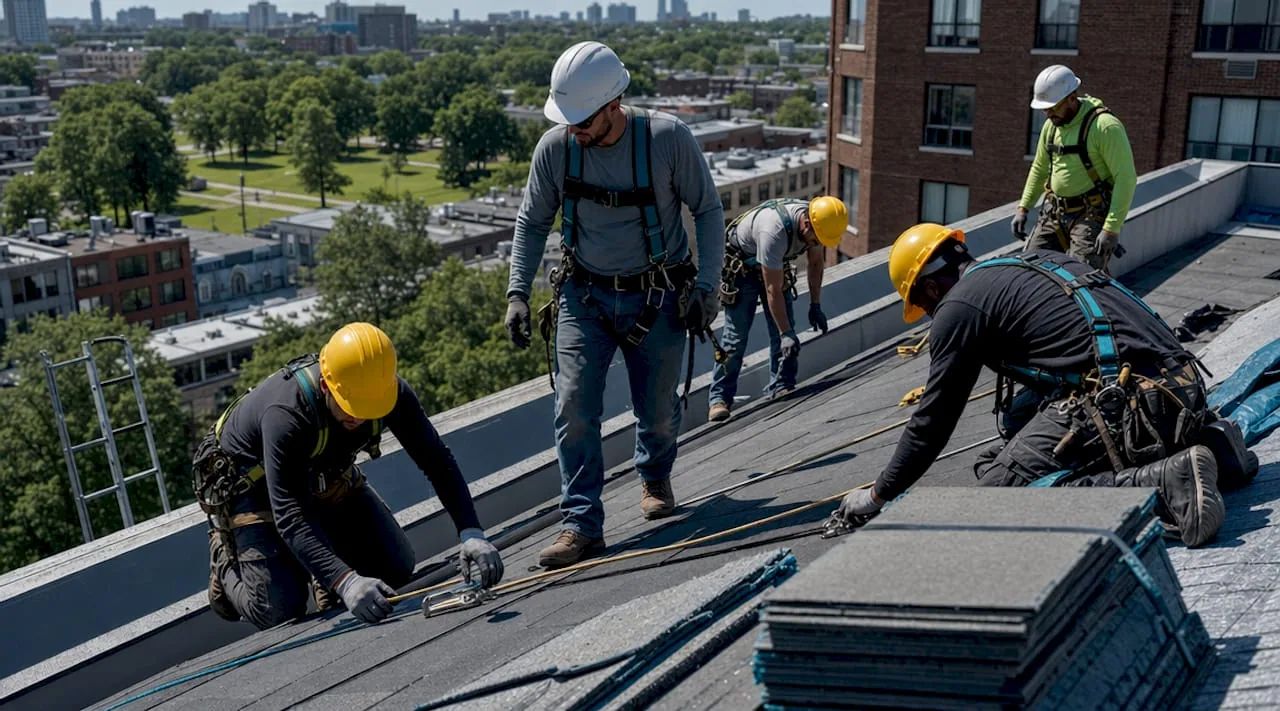
We start with visible seams, laps, edge metal, flashing, penetrations, and prior patches. Available closeout records, product labels, and roof details can help identify the assembly. If the membrane remains uncertain, we document that limitation and confirm material before naming a repair product. A warranty schedule or installation record may describe the system, but field conditions still determine whether the surface is sound and the proposed tie-in can be made correctly.
Hillsboro includes advanced technology manufacturing and medicine manufacturing, packaging, and distribution operations. Those building uses can bring equipment zones and controlled access into a roof visit, so we record the property rules separately from warranty documentation. A facility contact can identify escort requirements, hours, and clear paths. We record the material and details observed and identify any open question separately.
Our inspection can pair a hands-on roof walk with drone imagery or an infrared moisture survey when the question supports those methods. The report identifies what each method found and what needs confirmation. A scan does not establish warranty coverage or replace a test where the assembly is hidden. If a penetration or termination needs attention, we show the repair boundary and connect it to a compatible flashing repair or roof repair.
Keep service records tied to roof conditions
Maintenance notes should show the date, roof area, condition, and action taken. We identify drains, seams, rooftop curbs, penetrations, and edge details that were checked, then mark items that need repair or a return visit. A generic note that the roof was serviced cannot explain whether debris was removed, a lap was tested, or a temporary measure remains. Photos and location labels let the next reviewer compare the same detail instead of repeating the inspection from memory.
Local rain makes drainage records relevant. In Hillsboro's 1991-2020 normals, October through January carries the wettest share of 35.93 annual inches of precipitation. Before the wet stretch, we check open laps, blocked drainage, and exposed terminations, then record whether each repair was made or only recommended. A marked roof plan keeps those findings tied to the property.
Near Downtown Hillsboro, occupied commercial properties may have access and work-area rules that affect the maintenance visit. We ask the property contact for the approved entrance and schedule, then document any areas we could not reach. A maintenance program can return to listed details on an agreed interval while preserving the record of what was checked at each visit.
Protect the repair boundary
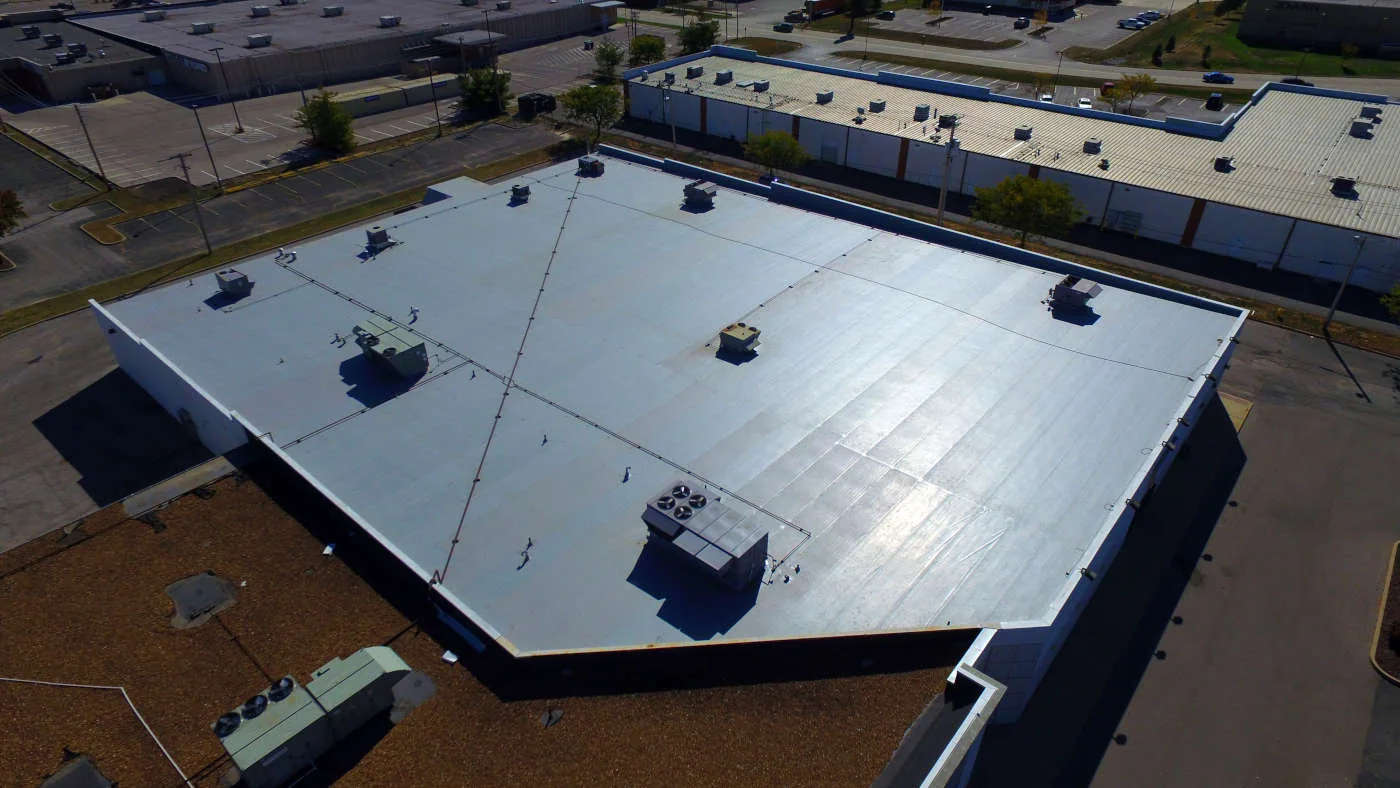
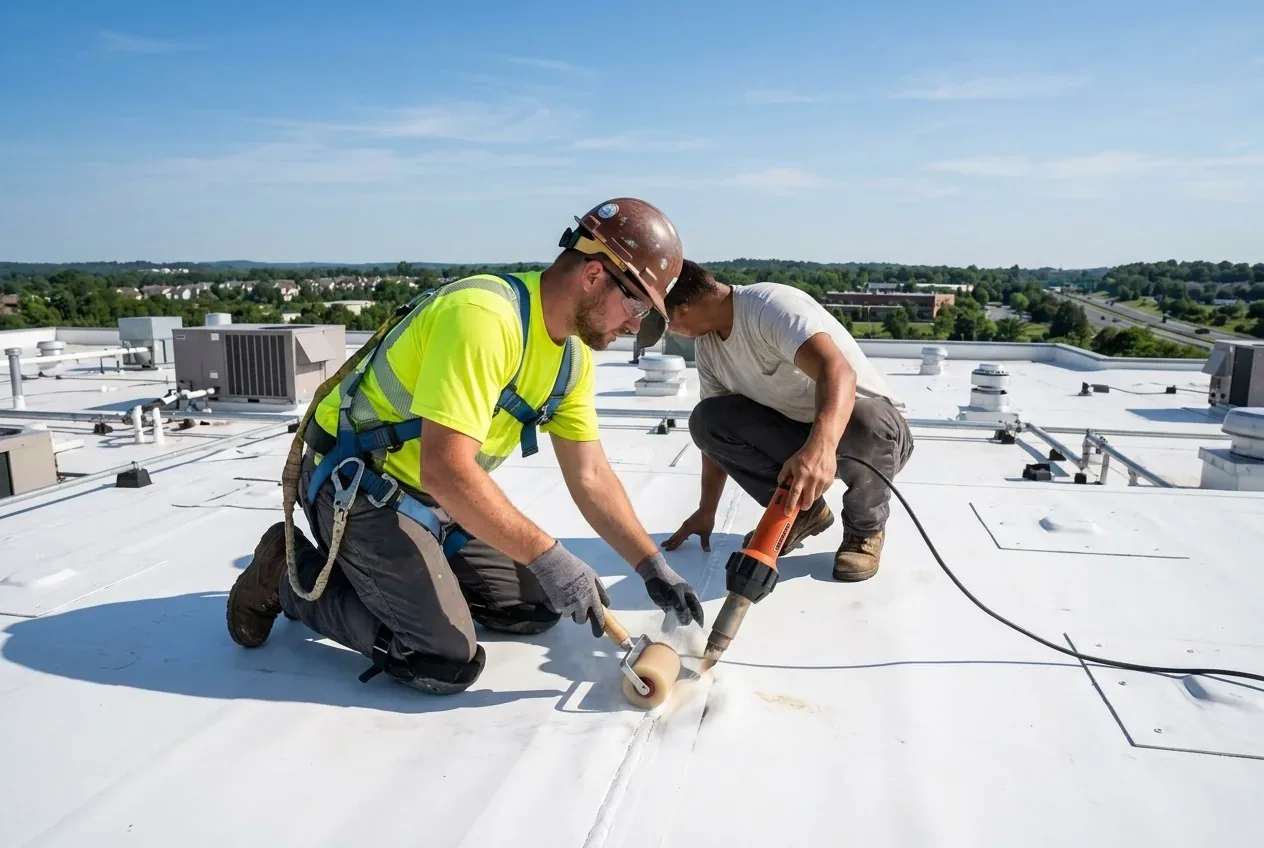
A warranty-conscious repair begins with sound material and compatible preparation. We clean and prepare the substrate as the selected assembly requires, remove loose or failed material where scoped, and tie the new work into a firm boundary. For thermoplastic sheet, that may involve a weld and test; other assemblies need their specified adhesive, flashing, or fastening method. We record the actual material and repair location instead of applying a generic coating over a detail that may require removal or rebuilding.
Cold exposure can affect when a repair is prepared and closed. Freezing or colder overnight lows occur about 64 times in Hillsboro’s typical year. A wet or cold surface may require a different work window, surface preparation, or return visit under the system requirements. We note conditions that affect the work and avoid closing over moisture or loose material. The closeout photos show the finished lap, termination, curb, or edge detail that was repaired.
A coating is not a substitute for correcting an unstable assembly. We inspect adhesion, moisture, drainage, and existing repairs before recommending a restoration. If a roof section has repeated leaks or failed attachment, we can compare local repair with replacement. A coating restoration scope and a replacement proposal should state what each includes and which conditions require separate approval.
Organize the file for a future claim
Keep the warranty document, roof plan, service dates, marked photos, and repair records in one property file. We can note the reported issue, conditions observed, emergency protection, material used, and open follow-up. If a claim or manufacturer review is contemplated, the owner retains the original warranty terms and submits through the required channel. Our report describes roof conditions and completed work; it does not determine coverage or promise a claim outcome.
Oregon Highway 8 connects Hillsboro with Aloha, Cornelius, Forest Grove, and Beaverton. Along the Tualatin Valley Highway corridor, we record the approved loading point and work hours with each property contact so roof visits can be coordinated.
Where ownership needs a longer view, the same files can inform a roof asset register or a capital plan. We separate confirmed repair needs from inspection questions and dates for follow-up. If a leak appears after hours, we respond overnight, on weekends, and on holidays; any temporary stabilization is documented apart from the permanent repair. That record gives the next reviewer a clear boundary between protection and completed work.
Budget work from actual terms and findings
Warranty terms vary by roof system and agreement, so the document itself controls the coverage period and required maintenance. We do not invent a warranty length or assume an item is covered. Repair cost depends on access, height, material compatibility, flashing complexity, wet insulation, and how much sound surface remains for a tie-in. If opening the roof reveals concealed damage, we mark the condition and present the added work for review before extending the scope.
Timing also depends on safe access, dry conditions, equipment restrictions, and the system's installation requirements. A temporary cover may protect an active opening while the permanent repair waits for a suitable window. We label that measure, schedule the return, and keep the closeout tied to the same roof area. A TPO repair must follow the actual membrane and detail, just as metal work must follow its panel and fastener arrangement.
Questions About Commercial Roof Warranty Management
Does a service visit keep a roof warranty valid?
The written warranty terms determine required inspections, maintenance, notice, and repair procedures. We can document the work performed and findings, but the manufacturer or issuer decides coverage. Keep the agreement with the roof records so each requirement can be checked.
Can any roofer patch a warranted membrane?
The system and warranty document control permitted work. We identify the assembly, inspect the surface, and use compatible preparation and materials. If the terms call for a particular approval or notice, the owner should follow that process before repair beyond urgent protection.
What should we save after a roof repair?
Keep the proposal, date, material description, marked location, before-and-after photos, and any concealed-condition note. We can organize those details in a closeout record and list follow-up that remains open.
Can emergency work affect the warranty file?
An active opening may need temporary protection before a permanent repair window is available. We document the temporary measure, the roof area, and the return scope. The owner can then provide the record through the notice process in the warranty terms.
What if the original roof system is unknown?
We compare visible details with roof records and product markings, then state what the inspection can identify. If the material cannot be confirmed in the field, we document the open question and request a sample or test only when that result would change the repair method.
Keep roof records ready for the next repair
Send the warranty documents, past service records, and current roof concerns. We will identify the assembly where possible, mark findings, and document any repair or follow-up needed.