
Commercial Roofing for Manufacturers in Hillsboro, OR
Inspect and repair manufacturing roofs in Hillsboro, OR, with moisture boundaries, equipment access, and work windows planned around production.
Manufacturers
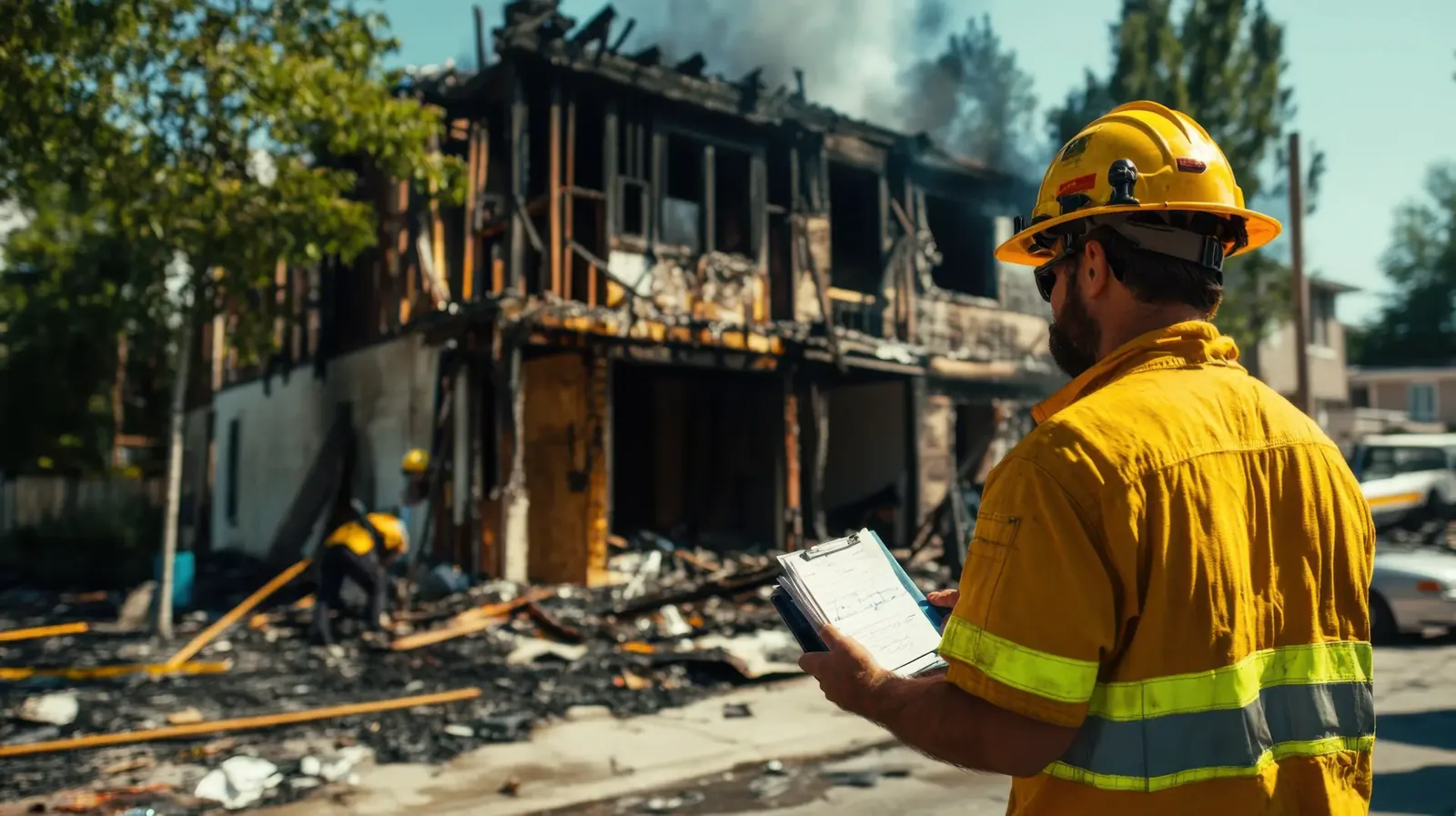
A seam beside a service curb can put production at risk even when the leak appears several bays away. In Hillsboro, OR, we trace the water path, inspect membrane and flashing, and record equipment and access conditions. The scope states where material must be opened and how the work zone stays clear.
Hillsboro includes two Intel manufacturing facilities in Washington County, and Genentech manufactures, packages, and distributes medicines locally. These process uses put equipment clearance and operating windows into the roof-work sequence. For another plant roof, we confirm equipment clearance, access control, and operating windows with that property’s contact before setting a work sequence. We review the property’s own records and inspect its layers before setting a repair boundary or phasing a larger project.
Related Roofing Pages
More pages on commercial roofing in Hillsboro:
Read the field sheet around equipment
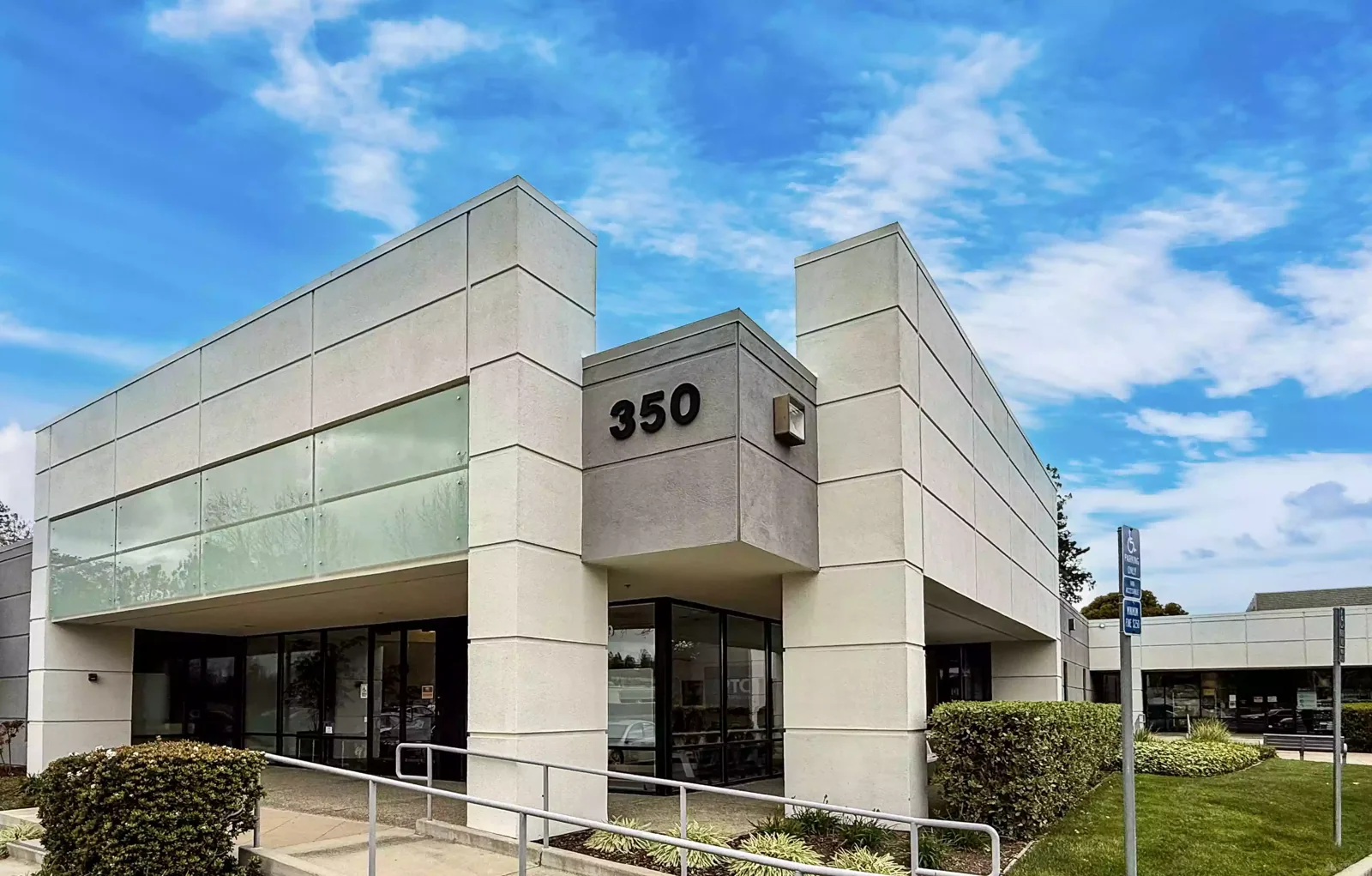
Production roofs carry curbs, pipe supports, exhausts, conduit, walk paths, skylights, and drain bowls that interrupt drainage. We photograph transitions and check laps, terminations, and patches where water can move beneath the surface. An interior report is compared with the roof detail above it before an opening is chosen.
Intel’s D1X development factory at Ronler Acres includes a 270,000-square-foot cleanroom addition; roof quantities still come from a measured plan and inspection. Plants confirm restricted rooms and shutdown windows.
Hillsboro's normal rain is heaviest from October through January, and winter normals include days at or below freezing. We check drains, low points, exposed flashing, and equipment supports after weather that can test those details. A hands-on roof inspection gives staff marked findings; an expanded condition report can define the next test.
Set access before the repair opens the roof
Before mobilization, we confirm loading, roof access, fall protection, staging, air intakes, and equipment that cannot stop. Plant staff identify restricted zones and production windows. We map the crew route, lifts, and daily closeout point. If concealed damage expands the repair boundary, we stop at the protection line and review added work. logistics roof planning and portfolio roof reviews have separate access records.
185th Avenue is a westside corridor for people and goods. At each property, the operations contact sets the gate, vehicle limits, and receiving hours. Oregon Highway 8 also connects Hillsboro with Forest Grove, Cornelius, Aloha, and Beaverton. We coordinate staging and roof access around the approved access plan.
At the end of each approved shift, roof penetrations are protected and walk paths are left available to operations. We record temporary covers and note what must be checked before work resumes. If an unexpected opening appears outside the planned window, an emergency visit can secure it; a permanent repair follows a review of the assembly and safe access.
Identify the assembly before specifying a patch
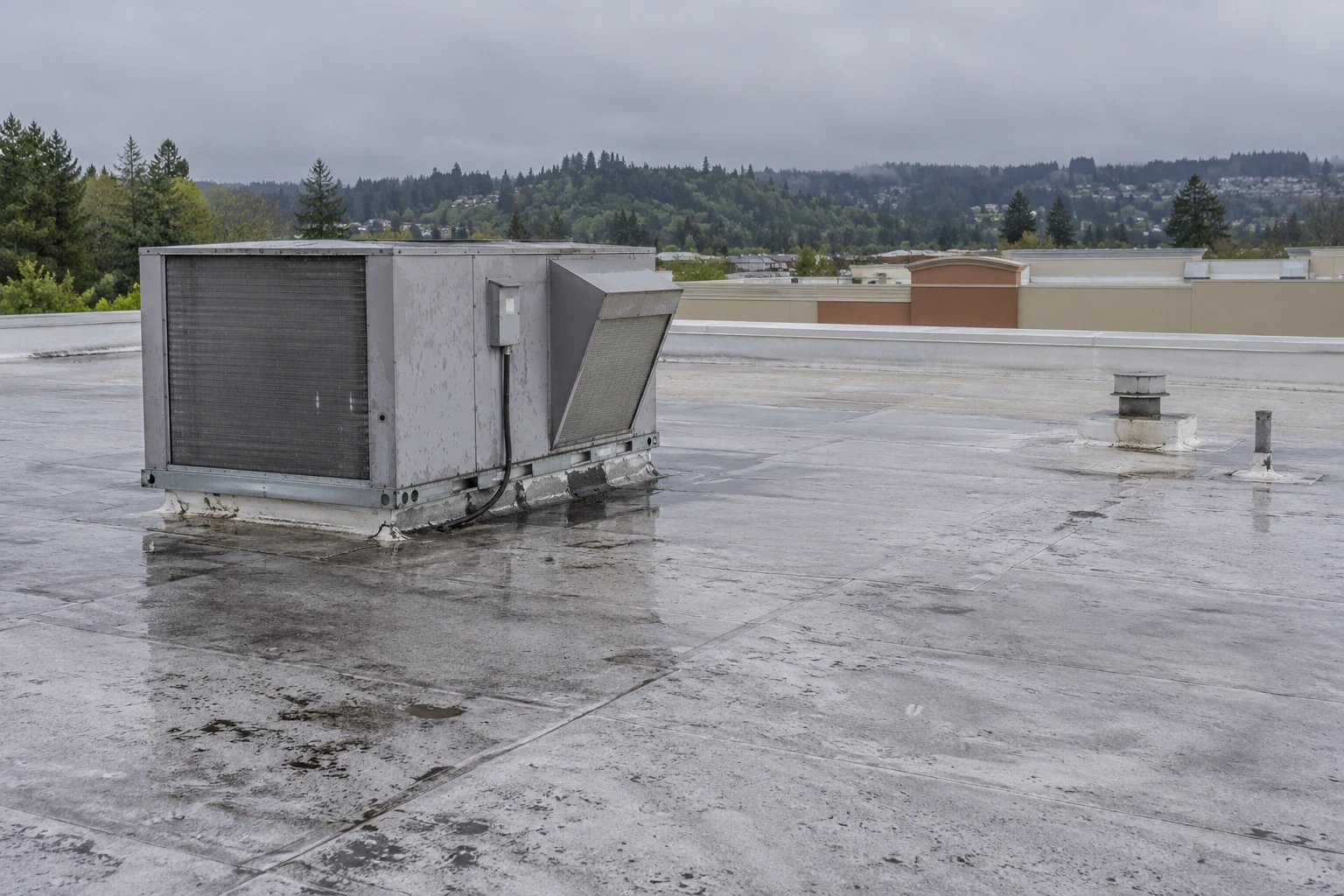
A membrane name does not tell us how its detail is holding. We identify the field sheet, attachment, insulation, and flashing before specifying a repair. Thermoplastic seams, EPDM laps, modified-bitumen transitions, built-up surfaces, and metal panel joints need different preparation. At a curb, we check flashing and movement. A patch needs compatible, prepared material and an inspectable edge.
Additions and prior recover work can leave a manufacturing roof with mixed assemblies. We mark each transition. If records do not identify the substrate, we inspect a representative detail or propose a test before carrying a repair method across the roof.
When a tie-in remains sound, a localized repair may control the opening. If moisture is widespread or seams fail across several areas, we price replacement and any suitable recover separately. A metal retrofit assessment depends on panel condition and attachment.
Price access and production constraints with the roof
For a plant, the roof quantity is only one part of the scope. Equipment clearances, lift setup, restricted production windows, temporary protection, and the route for bringing materials up can affect labor and sequencing. We identify those items before pricing so operations can review what the work requires. If a sensitive area needs an escort or a scheduled pause, that condition belongs in the plan rather than appearing after mobilization.
Material choice follows the existing assembly and the repair boundary. A patch may be limited to one curb or seam, while wet insulation can require removal beyond the surface opening. Replacement can add tear-off, deck review, insulation, perimeter metal, and disposal. We separate confirmed quantities from concealed conditions and state what inspection or test would resolve them.
The regional industrial network connects commerce with truck, marine, air, and rail cargo facilities. For work near those goods routes, we confirm actual delivery access and loading hours with the property. For each building, the gate, lift zone, and operating schedule set the material route and roof-access sequence.
Price the repair boundary and the production impact
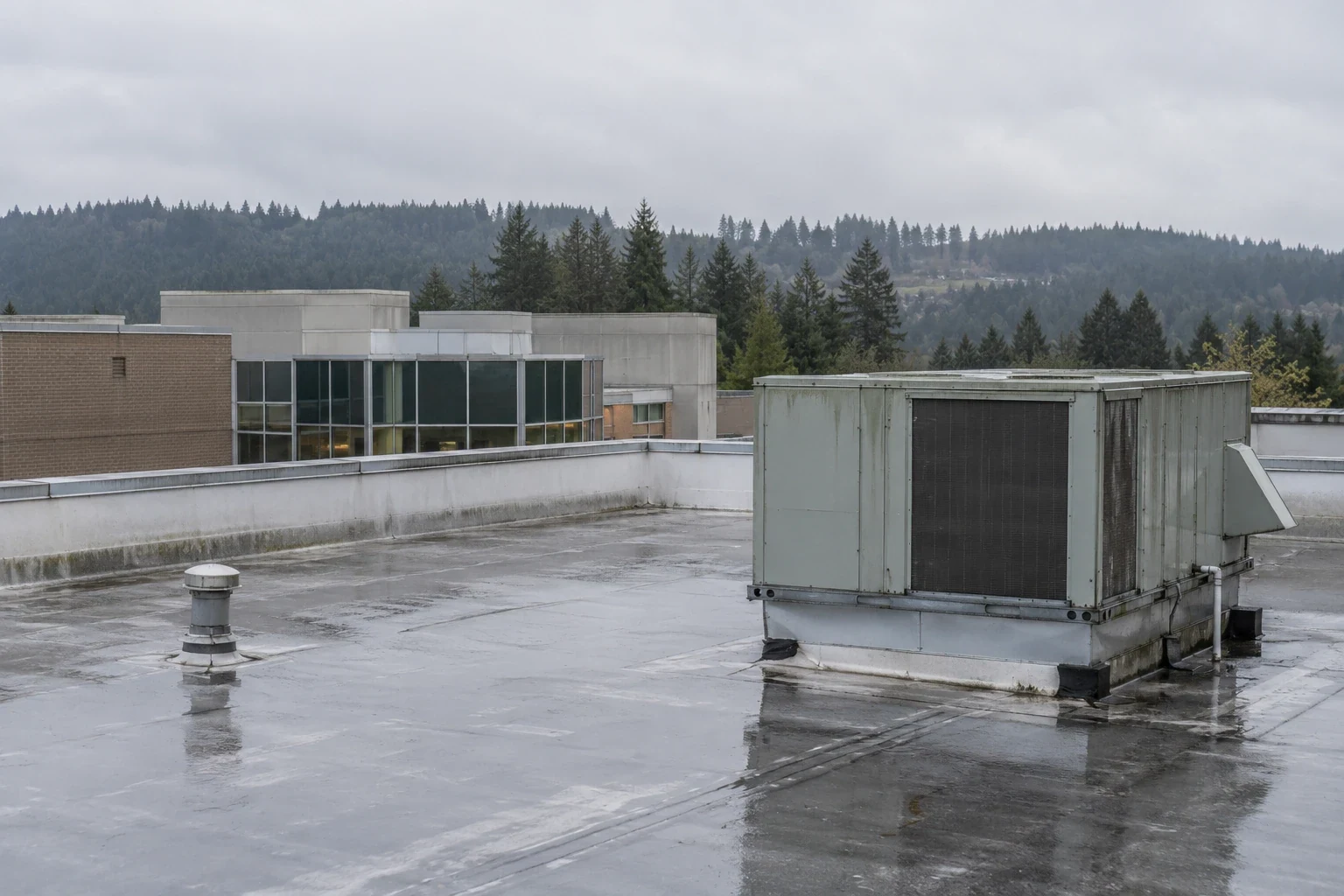
At a plant leak, we trace the path to a detail that can be inspected and prepared. The repair scope identifies membrane or metal, the confirmed tie-in boundary, and any insulation or flashing that needs removal. Photographs and quantities stay tied to that location, so a localized patch is not confused with a larger production-area project.
We assess coating suitability at the installed roof, checking adhesion, moisture, drainage, and the substrate before pricing preparation. We test adhesion, inspect seams and penetrations, and determine whether moisture is present below the surface. If the substrate or existing finish cannot support the proposed system, that option is removed from the comparison; the report states which preparation or replacement path remains feasible.
Replacement may be considered when the deck or insulation needs repair, failures are distributed across roof zones, or a reliable tie-in is no longer available. A recover is evaluated separately for moisture, attachment, added load, and perimeter height. We present those conditions as decision points so operations can compare the viable scope against the access window.
Keep a roof record that production can use
A closeout carries photographs, marked repair locations, materials, and notes on access limits. We identify drains and curbs that need another look and record test openings. Plant staff can use those notes to align the next roof walk with service windows. The record helps target the next inspection.
Genentech’s Hillsboro operation manufactures and packages medicines for distribution. For a process roof, visit timing follows the owner’s operating requirements and the production schedule. We can set recurring maintenance visits during approved access windows and file each date’s photographs, readings, and unresolved questions for facilities staff. A phased roof project can follow the same confirmed operating constraints.
The Swan Island industrial area permits metal fabrication, warehousing, and equipment storage. Tanasbourne and AmberGlen form a regional center serving western Washington County, where each property has its own roof access and operating needs. In Hillsboro, we identify the assembly, protect the work area, and price the repairs supported by the inspection.
Questions About Manufacturers
Can roof repairs be done while production is running?
We confirm equipment, air intakes, access rules, and operating windows before opening the roof. A repair can be phased when protection and material placement are planned for the site. If a shutdown or restricted-zone approval is needed, we identify it before the crew reaches that area.
How do you avoid disrupting rooftop equipment?
We map equipment curbs, service paths, fragile surfaces, and required clearances during the roof walk. The work plan identifies the material route and any area that needs an escort or operating contact. We do not move or isolate plant equipment without the site's direction.
What makes a manufacturing roof leak hard to trace?
Water can move along insulation joints, deck flutes, or conduit before it reaches the floor. We compare the room report with nearby seams, drains, and penetrations, then mark the likely opening separately from the interior path. A test is proposed when it will resolve the repair boundary.
When can a coating be used on a plant roof?
Before coating a process roof, we test finish adhesion and inspect laps, penetrations, and drains. If moisture is present below or adhesion fails, coating is not a viable option. The report lists needed preparation or an alternate scope.
What should the repair closeout show?
It should show the repair boundary, photographs, materials, and details checked at completion. We note access limits and any adjacent areas that need another look. Plant staff can then connect the roof record to maintenance planning without mistaking a localized repair for a full assembly review.
Arrange a manufacturing roof walk
Share the building use, access limits, and any production window we should respect. We will inspect the assembly, mark moisture and repair boundaries, and price a scope that fits the site's operating plan.