Metal Roof Retrofit in Hillsboro, OR
Metal roof retrofit in Hillsboro, OR starts with panel, fastener, and leak checks. We compare repairs, restoration, and a retrofit assembly for the building.
Metal Roof Retrofit
A loose exposed fastener can let water past its washer while the metal panel still has useful life. In Hillsboro, OR, we check the panel laps, fasteners, coating, and substrate before recommending a repair or retrofit. A roof inspection maps the roof zones and shows where a larger assembly should be considered.
Downtown Hillsboro is the regional center for the western county. Tanasbourne and AmberGlen are designated as a regional center; that model calls for employment and housing in compact forms with high-quality transit. At an occupied commercial building, we review entrance, delivery, and staging limits with the property contact while inspecting the metal roof.
Hillsboro normals record about 36 inches of rain annually, with October through January the wettest months. Water at a panel lap, fastener, or ridge detail can be driven across the surface before it becomes visible inside. We trace the path, check gutters and penetrations, and separate a localized leak from corrosion or movement that affects a wider panel run.
Related Roofing Pages
More pages on commercial roofing in Hillsboro:
Check the fasteners before covering them
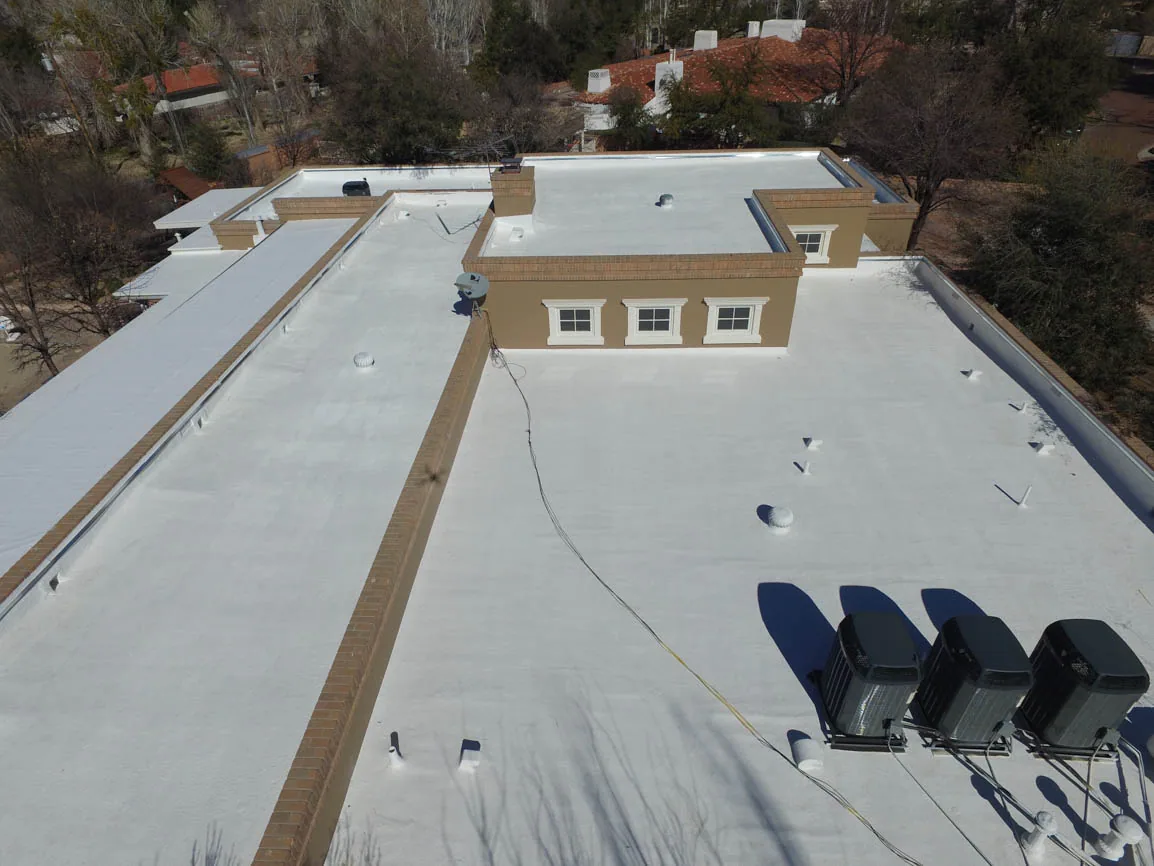
Exposed-fastener panels rely on screws, washers, and panel overlaps to keep water out. We inspect for backed-out screws, compressed or cracked washers, enlarged holes, and fasteners that have missed the framing. Replacing a screw without checking the purlin below may leave the same movement in place. The report marks each pattern and notes where the attachment should be verified from the underside or a test area.
Panel seams and laps can open as metal moves or fasteners loosen. We look at side laps, end laps, ridge caps, eaves, and changes in roof plane. Where corrosion has thinned the panel, a sealant bead is not a substitute for confirming remaining metal and support. Wind-related roof damage may include shifted panels or edge detail movement, but each area is inspected before the repair scope is set.
For a metal-roof project in Tanasbourne and AmberGlen, the building contact identifies active entrances and service paths before a lift or material area is approved. We confirm the roof assembly and property access before placing material. We check panel profile, framing direction, and roof pitch on site before setting the retrofit attachment or repair detail.
Restore a panel system that remains sound
When the metal is structurally sound, a repair may include replacing failed fasteners, correcting laps, sealing compatible details, and preparing isolated corrosion. We use fasteners suited to the panel and framing, then check that the washer seats without deforming the metal. A roof restoration scope may include a coating after surface preparation and detail repairs, but coating cannot restore a panel that has corroded through.
We inspect around curbs and penetrations because cuts in a ribbed panel interrupt the drainage path. Counterflashing, curb corners, and closure pieces must meet the panel profile. A curb repair can be scoped separately from fastener work when the field panels are still serviceable. We also check the gutter and downspout so runoff does not return to the eave.
If work needs to proceed while the building operates, we agree on delivery, lift placement, and the ground-level protection before removing a panel or opening a detail. A repair is sequenced in manageable zones with a temporary closeout ready for a weather change. The crew leaves each opened area secure and the drainage route clear at the end of the shift.
Design the retrofit around verified supports
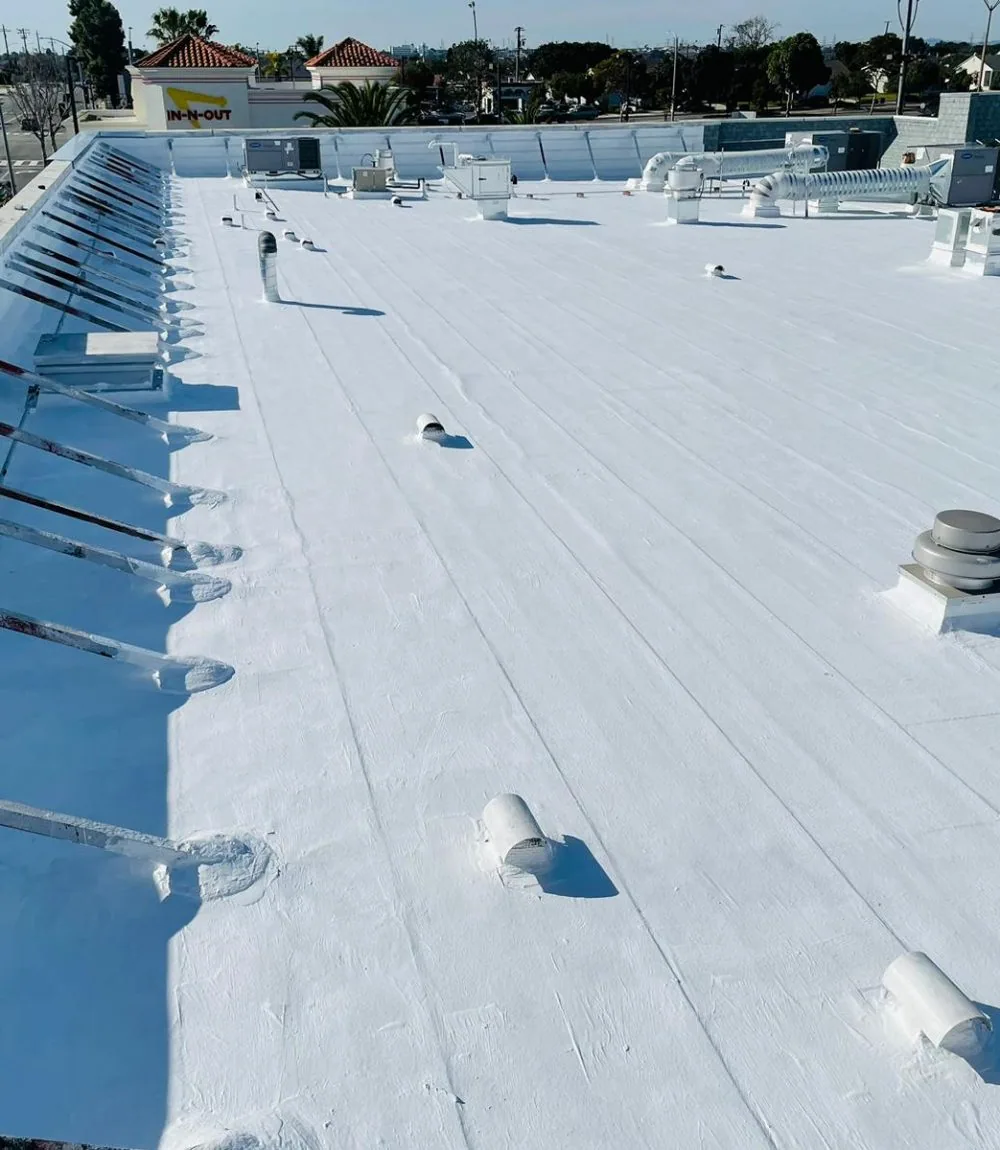
A retrofit frame or new over-roof system adds components that must transfer load to the building structure. We verify panel and purlin conditions, attachment points, roof height, drainage, and existing insulation before recommending that approach. If support spacing or concealed framing remains uncertain, we identify the measurement or opening needed before engineering and pricing proceed. A retrofit is a designed assembly, not a coating placed over loose metal.
Existing moisture and condensation conditions also matter. We check for wet insulation, corrosion from the underside, and any evidence that ventilation or vapor control needs review. A moisture survey can guide selective openings, while the structural and drainage questions are evaluated separately. The owner receives a scope that distinguishes confirmed conditions from assumptions awaiting access.
Downtown Hillsboro’s commercial and civic role brings active properties into a compact center. We coordinate access and staging with the building contact but keep the roof recommendation tied to the panel and support conditions observed. Occupied-building roof work can proceed by area when the assembly and schedule permit, with protected entrances and clear communication about any temporary access limits.
Compare repair, coating, and retrofit
Repair is most direct when leaks come from a limited number of fasteners or details and the surrounding panel remains sound. Restoration may extend a serviceable system after corrosion and seams are corrected. A retrofit or tear-off deserves review when panel deterioration, repeated leakage, or support conditions affect broad areas. We compare the options against roof measurements, deck and framing access, insulation, and the owner’s operating constraints.
For some low-slope transitions, a new membrane zone may be part of a broader project. Standing seam metal and TPO use different panel or membrane details, attachment, and drainage approaches. We explain where each assembly suits the slope and building use, then price edge metal, penetrations, removal, and tie-ins as part of the actual scope.
Cost depends on the number of fasteners and panels, corrosion repair, framing access, retrofit components, insulation, penetrations, and equipment staging. If a selective opening is needed to verify the supports, we identify its location and purpose before final scope. The written options keep repair and replacement separate so the owner can make a decision from the observed roof conditions.
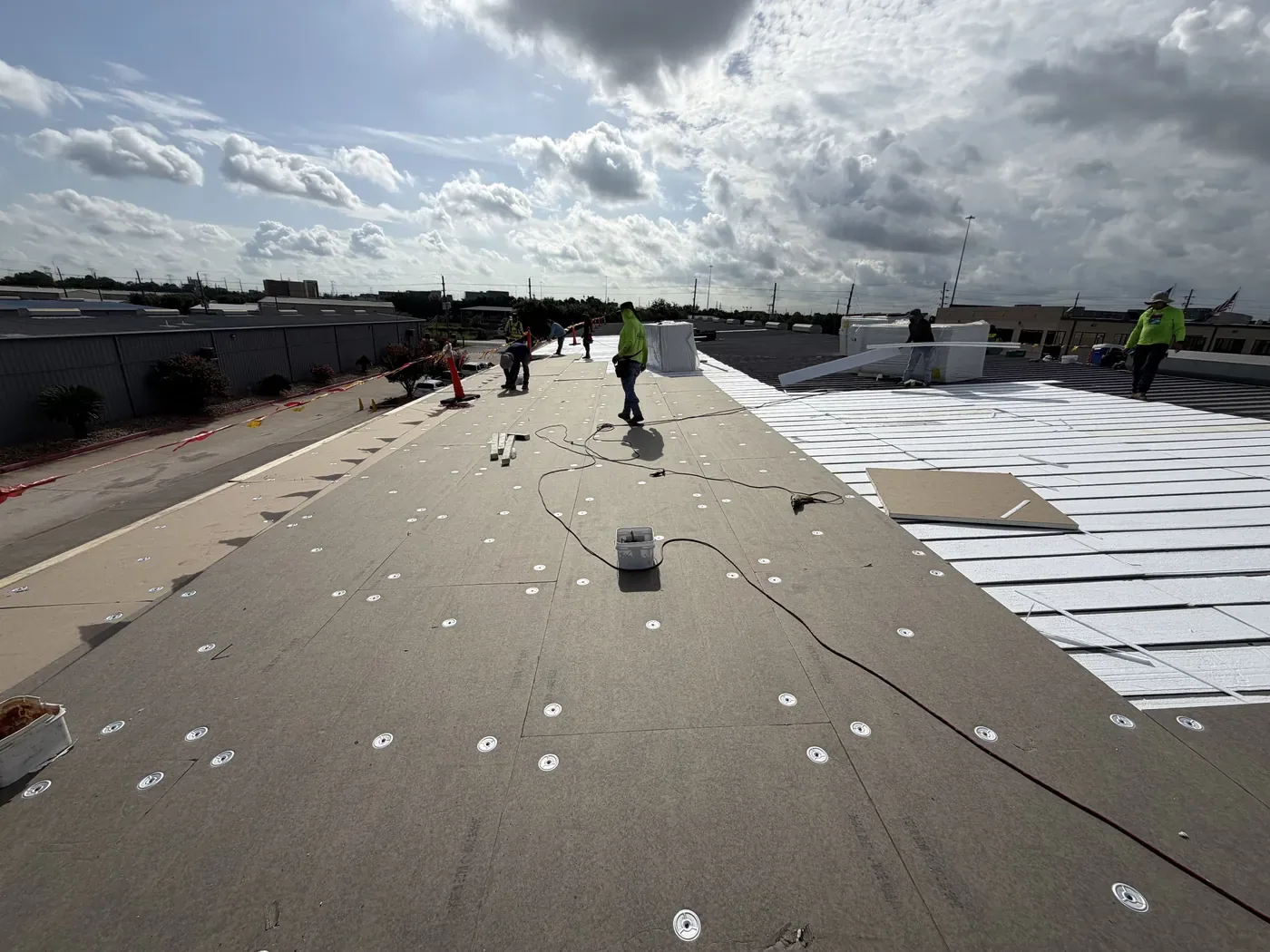
Track fastener lines and water paths
After work, we note the fastener runs, panels, penetrations, and areas that should be checked again. A maintenance visit can inspect washers, clear gutters, and revisit repaired laps before the next wet season. If a coating was applied, the record identifies surface preparation and repaired details so future work does not hide a developing panel issue.
A roof condition report gives a property manager a marked record of panel condition and the retrofit decision points. We can return to Downtown Hillsboro for an on-roof review with the same access plan. The next inspection follows prior findings while checking for new movement, corrosion, or water at the eave.
Arrange a roof walk when fasteners back out, panels shift, or leaks continue after sealing. We will inspect the support and panel system, mark the affected area, and explain whether repair, restoration, or retrofit is supported by the findings.
Questions About Metal Roof Retrofit
Can you replace loose screws without reroofing?
Yes, when the panel and framing remain sound and the movement is limited. We check the hole, purlin, and washer condition before selecting a replacement fastener. If the panel has corroded or the supports have shifted, we show the additional repair needed instead of relying on a new screw alone.
When does a metal roof need a retrofit instead of coating?
A retrofit is considered when the panel or support condition needs a new assembly above it. Coating can protect a prepared, serviceable surface but cannot correct failed framing or perforated metal. We inspect the supports, drainage, and existing layers before comparing those scopes.
How do you check for leaks beneath exposed-fastener panels?
We trace water from the interior clue to laps, screw lines, penetrations, and the eave. A moisture survey or selective opening may be useful when insulation or framing is concealed. The report identifies what was verified and which access would answer the remaining question.
Can a Hillsboro metal roof be restored in wet weather?
Surface preparation and coating require conditions that meet the product instructions. Hillsboro’s normal rain is concentrated in the cool season, so we plan around actual dryness and forecast conditions. If a repair opens the roof, we set a secure temporary closeout before weather interrupts the work.
What affects the price of a metal roof retrofit?
The panel and framing condition, retrofit design, insulation, edge details, penetrations, access, and equipment all affect the scope. We mark the work areas and identify any selective opening needed to verify supports. The proposal separates confirmed work from items that require additional inspection.
Review the metal panels and supports
Schedule a Hillsboro roof walk for marked fastener, panel, moisture, and support findings, followed by repair, restoration, or retrofit options.