
Holcim Elevate Commercial Roofing in Hillsboro, OR
Inspect Holcim Elevate membrane roofs in Hillsboro, OR. We verify sheet type, attachment, drainage, and repair boundaries before pricing the next scope.
Holcim Elevate Commercial Roofing
A RubberGard EPDM lap and an UltraPly TPO weld do not receive the same repair. In Hillsboro, OR, we identify the Holcim Elevate system in place, inspect its seams and flashing, and check the insulation at the reported leak. The former Firestone Building Products line includes different membrane families, each with its own detail requirements. In Hillsboro, the highest normal precipitation falls during October, November, December, and January. We inspect how the membrane turns into each outlet and where temporary tie-ins will carry runoff while a repair remains open. Drainage and exposed terminations deserve a careful look before a repair is closed. Hillsboro also has manufacturing and distribution operations, including a Genentech medicine packaging and distribution operation. That local context makes clear roof access and equipment routing practical planning questions, while each property's actual roof layers must be inspected directly.
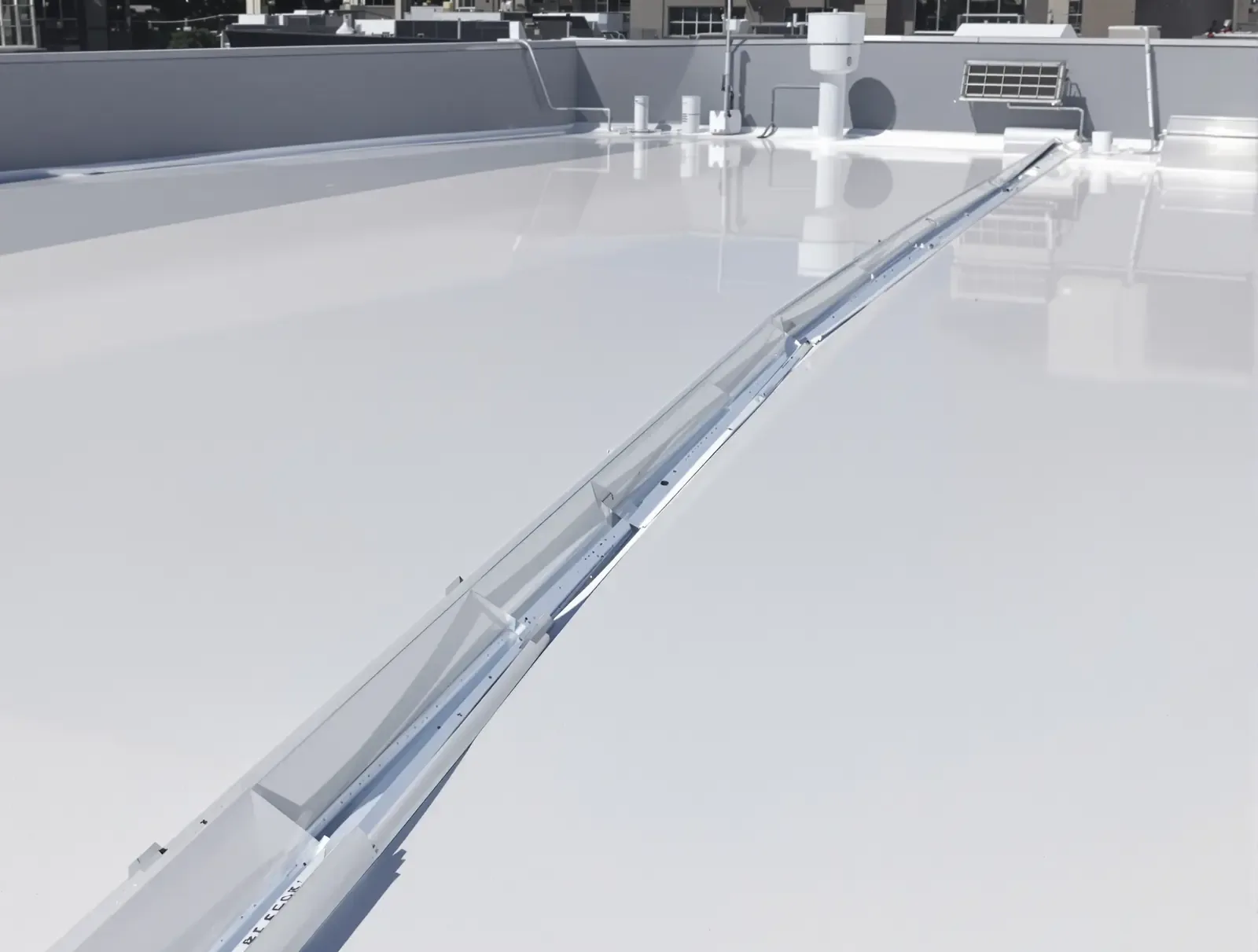
Related Roofing Pages
More pages on commercial roofing in Hillsboro:
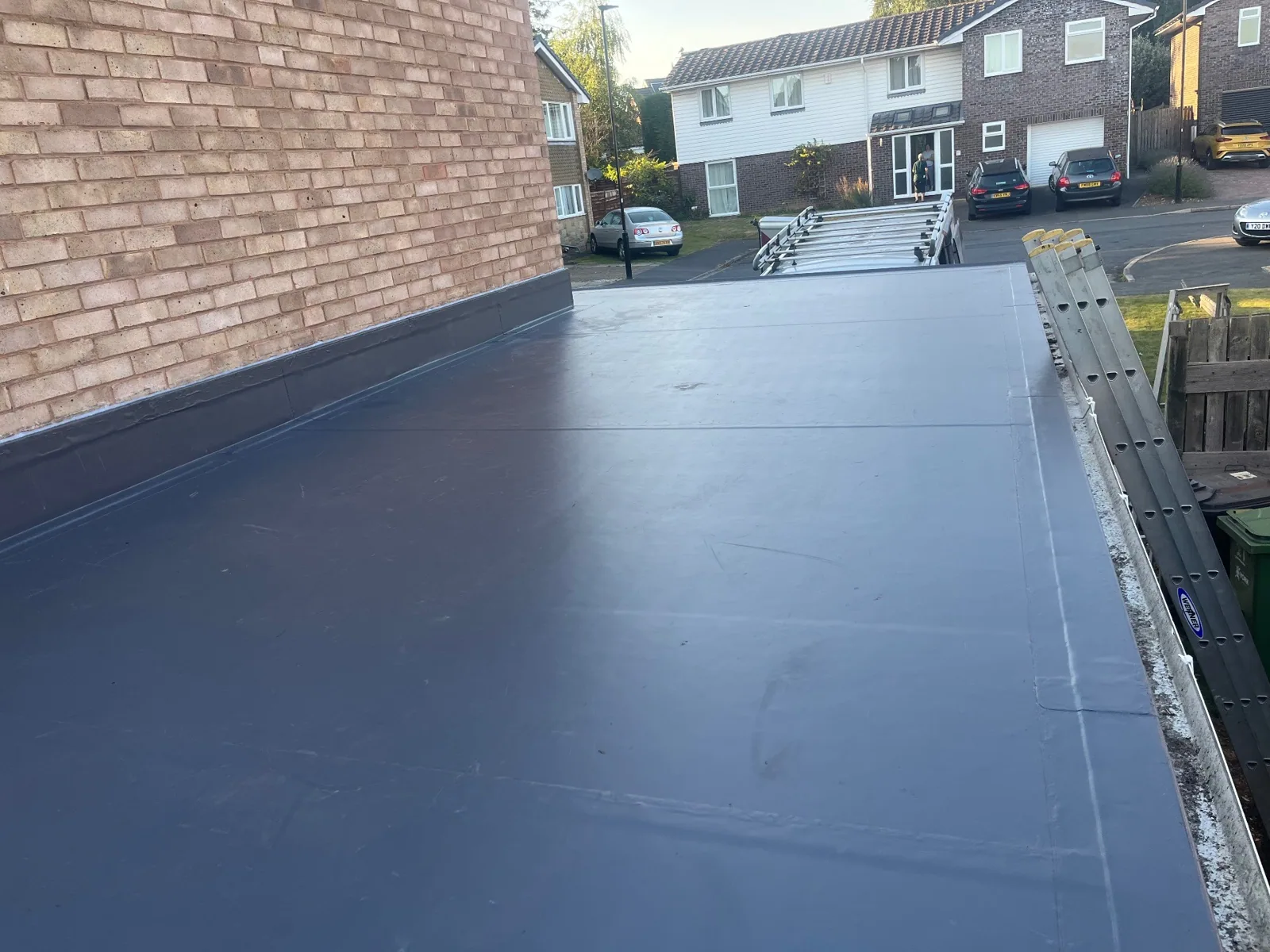
Measure the conditions that change the scope
A price depends on what has failed, how far moisture extends, and how the crew can reach the detail. A short EPDM lap repair may need cleaning and compatible cover materials; an open TPO weld requires a prepared surface and a verified seam. Wet insulation, multiple transitions, limited staging, or edge-metal replacement changes the work beyond the membrane patch. We mark each area and keep confirmed quantities separate from a concealed condition that still needs an opening.
At a commercial building near Downtown Hillsboro, roof access, tenant entries, and equipment paths can affect where materials are staged. The district serves western Washington County as a regional center. We mark the repair on the property's own roof plan. We confirm the property's hatch or ladder, delivery entrance, and restricted work periods with the site contact. The written scope notes those constraints with the repair boundary so the owner can review both roof work and access needs.
Distinguish EPDM from thermoplastic sheet
The commercial membrane range includes RubberGard EPDM and UltraPly TPO. EPDM is a rubber membrane with seams and flashing assembled using compatible adhesives and accessories. TPO seams are heat welded, which requires the right surface preparation and a checked weld. A roof can have more than one assembly after additions or past recover work, so we inspect exposed edges, repair records, and transitions before carrying one method across the field.
Attachment also shapes how the roof performs. We check fasteners, plates, adhesive bond, edge metal, parapet terminations, and corner conditions. At drains and curbs, the flashing must remain continuous while water moves toward the outlet. An EPDM assembly review or a TPO seam assessment records the differences that affect repair material and workmanship. If a membrane marking is missing, a test opening or product record may be needed before the specification is settled.
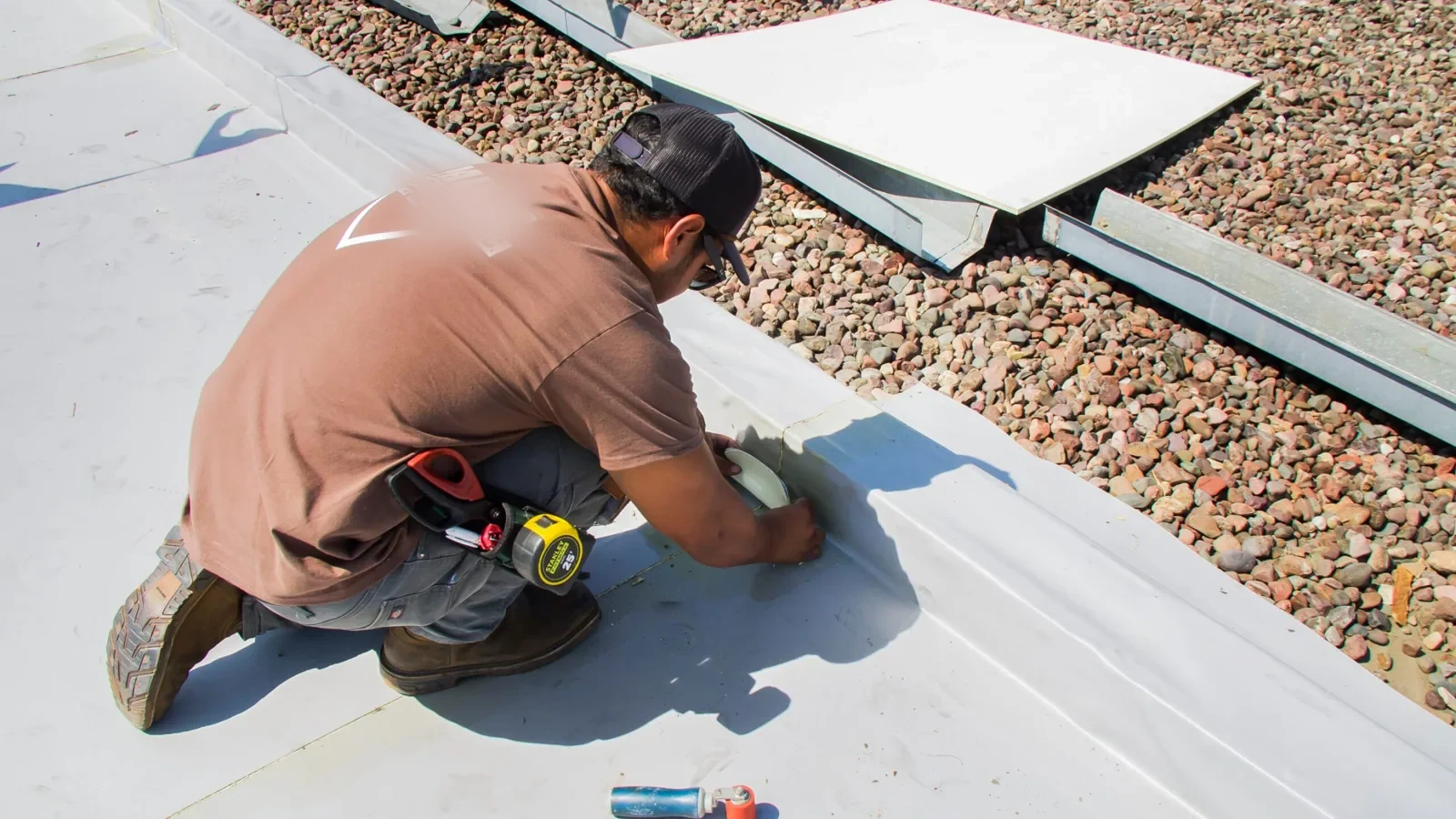
Check the roof before rain settles at a low point
The Hillsboro annual precipitation normal totals 35.93 inches. Before preparing an EPDM lap or a TPO weld, we check whether water can drain from the work area and how the exposed edge will be protected. We inspect drain bowls, scuppers, overflow paths, and areas where a membrane lap meets a curb or wall. Water remaining after rainfall can reveal a low point, but it does not by itself identify a leak. The Diligence Notes pair drainage observations with seam and insulation checks so the repair addresses the actual path.
Winter freezing adds another reason to look at exposed details and surface moisture before scheduling a weld or adhesive repair. Daily lows reach or fall below freezing on about 64 days annually in Hillsboro. A cold-weather visit records the condition of exposed laps and drain flashings before any primer, adhesive, or welding work is scheduled. We confirm the forecast, surface condition, and product requirements for the work date. A drain and scupper inspection can be separated from membrane work when the outlet or overflow is the issue.
Choose between patch, recover, and replacement
When one detail is open and the surrounding sheet remains sound, a localized repair can restore the transition. We remove loose material, prepare the surface for the identified membrane, and inspect the completed seam or flashing. If a patch would land on damp insulation, brittle sheet, or a previous repair with no firm boundary, the scope expands to include testing or removal. A flashing repair names the affected curb, wall, or penetration instead of hiding it in a general membrane allowance.
A recover has its own checks: the existing roof must be sufficiently dry and attached, the deck must be suitable, and drains, curbs, and edges must accept the added height. We compare that option with tear-off and replacement when several seams fail or moisture appears in separated areas. For some roofs, a coating system may be considered only after substrate, adhesion, drainage, and detail conditions are shown to fit. We keep the decision with field evidence, not a manufacturer name alone.
Emergency calls receive response at any hour, including weekends and holidays. We can control an active opening and document temporary protection, then return to complete a permanent repair when the roof and weather allow proper preparation. The follow-up scope describes remaining work and any area that still needs a moisture check.
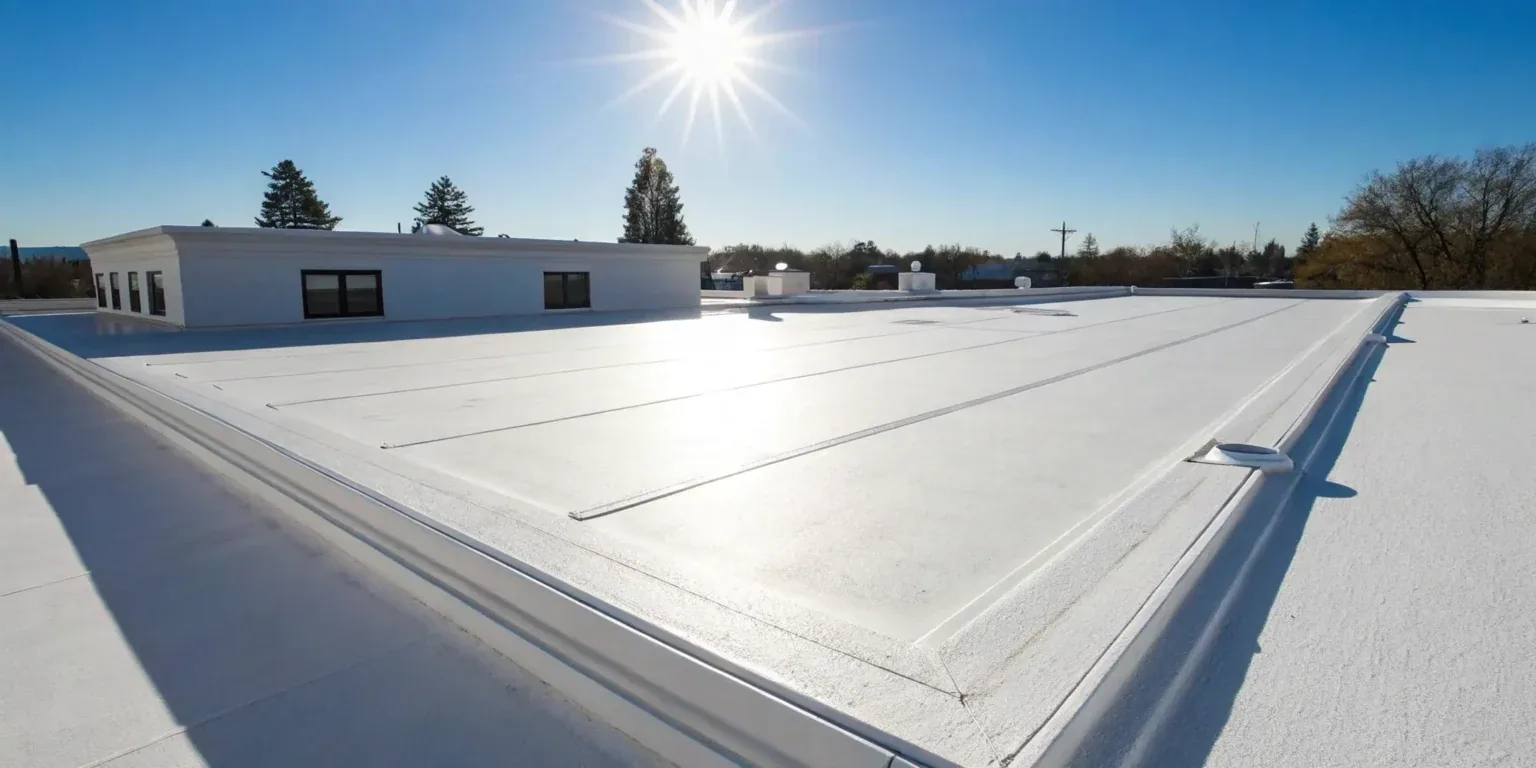
Coordinate access before opening the roof
On an occupied property, we plan roof access, fall protection, staging, air intakes, and equipment clearances with the building contact. A repair near a production line may need a defined work window, while a retail or office property may require clear tenant entries. We identify where the crew can move and where protective barriers or temporary dry-in are needed. If the repair boundary grows after an opening, we stop and document the added condition before extending the work.
Oregon Highway 8, also known as Tualatin Valley Highway, connects Hillsboro with Cornelius, Forest Grove, Aloha, and Beaverton. That corridor is useful context for the market, but delivery times and roof access still come from the particular property. We confirm the gate, loading zone, and service route rather than assume that the same logistics apply to every building. A phased reroof plan can align material movement with a building's operating schedule.
Retain a record of the membrane actually repaired
Closeout notes should show the system family, repair material, seam or flashing detail, marked location, and photographs before and after work. They should also identify conditions that were not opened or tested. That distinction is useful when a later leak appears near an old repair. A condition report keeps those observations tied to the roof plan instead of a product label alone.
We can revisit drains, laps, and terminations through scheduled maintenance. Managers comparing other systems may also review Carlisle SynTec membranes and Sika Sarnafil assemblies after documenting the existing deck and drainage. Arrange a Hillsboro roof walk to review the Holcim Elevate assembly. We will mark what is sound, what needs repair, and what additional test would settle the next decision.
Questions About Holcim Elevate Commercial Roofing
How do RubberGard EPDM and UltraPly TPO repairs differ?
The seam construction is different. EPDM uses compatible adhesive and flashing materials, while TPO seams are heat welded after preparation. We confirm the membrane in place and inspect a representative detail before choosing the repair method.
Can a Holcim Elevate roof be recovered?
A recover may work when the existing layers are stable and dry, attachment is adequate, and the added height fits at drains, curbs, and edges. We check those conditions first. If concealed moisture or a weak deck changes the decision, a selective opening is included in the review.
What should the inspection show after a leak?
We mark the interior report against roof seams, penetrations, drains, and wall details that could fit the water path. Photos identify the observed condition and the next test, if one is needed. The repair boundary remains separate from any area that was not opened.
Can temporary protection be installed during an after-hours call?
We respond around the clock, including holidays, to control an active opening. The first visit documents what was protected and any access limit. Permanent work follows when the surface and weather permit the correct preparation for the membrane.
What records should remain after the membrane repair?
Keep the system identified, the marked repair location, material and detail notes, and completion photographs. We note any nearby area that needs another look. Those records help facilities staff compare future movement with the work that was actually completed.
Inspect a Holcim Elevate roof in Hillsboro
Arrange a roof walk and share the leak history or available system records. We will mark seam, drainage, and insulation findings, then provide options tied to the installed membrane.