
Soprema Commercial Roofing in Hillsboro, OR
Assess Soprema roof assemblies in Hillsboro, OR. We inspect modified bitumen, membrane, and flashing details, then price repairs around the confirmed substrate.
Soprema Commercial Roofing
A granule loss at a modified-bitumen lap can expose the seam before the sheet separates. In Hillsboro, OR, we identify the Soprema system, inspect the lap and flashing, and check the substrate before recommending a repair. SBS and APP sheets, thermoplastic membranes, and liquid-applied detail materials each call for different preparation. We mark the affected area and determine whether sound material remains beyond the visible wear.
Process roofs can place exhausts, curbs, pipes, and service routes close to waterproofing details. We identify the actual sheet or membrane, note the property's operating requirements, and set the work boundary from what can be confirmed. Access routes, equipment clearances, and work windows are verified with the property contact before a crew mobilizes.
Related Roofing Pages
More pages on commercial roofing in Hillsboro:
Read the lap and the layer below
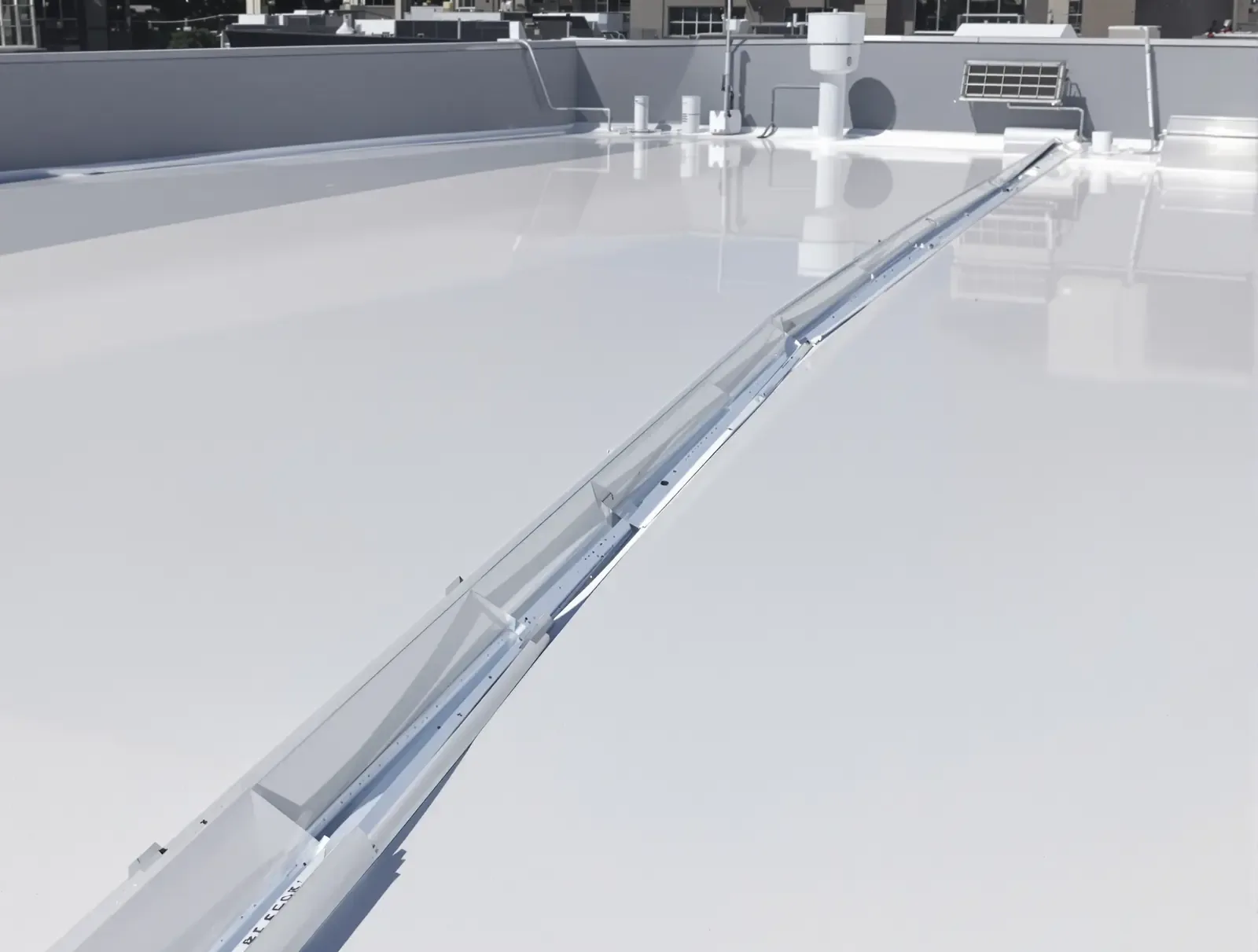
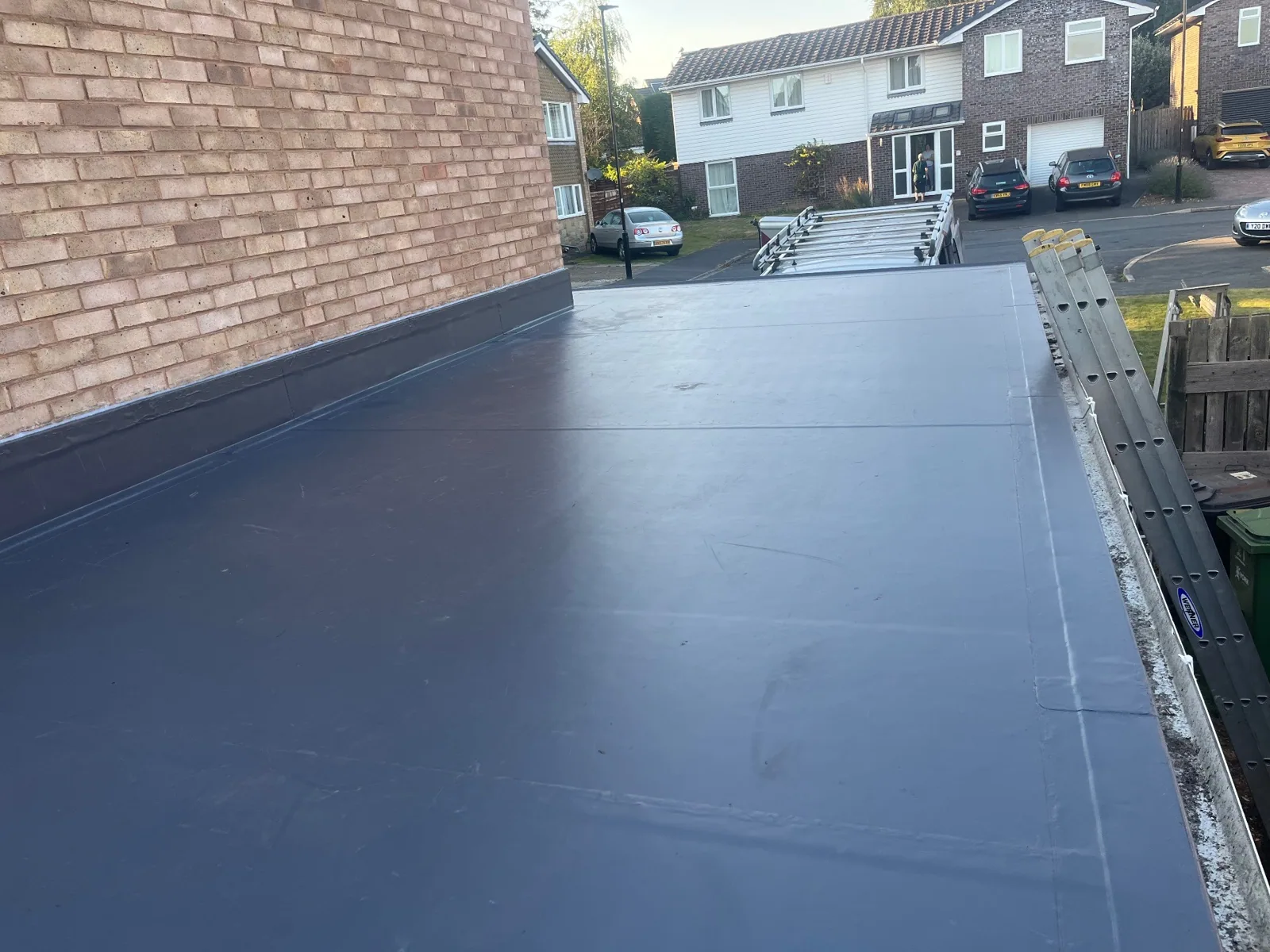
A modified-bitumen roof may show open laps, blisters, surface wear, or failed flashing at a curb. We inspect how the sheet turns up at walls, where a patch overlaps the field, and whether the substrate is firm. A condition at the surface can be local, but water may travel below it. We compare interior reports with roof details, then mark a test area when moisture or deck condition remains uncertain.
Soprema also makes single-ply membranes and liquid-applied flashing systems. We identify whether the roof contains a sheet membrane, bituminous layers, or a transition between assemblies before proposing an accessory. A resin flashing can form a useful detail only when the substrate and surrounding materials suit it. A roof inspection records the system, seam, drainage, and repair history rather than grouping every surface under one product name.
Match sheet work to the assembly
Modified bitumen uses reinforced sheets with seams that may be heat applied or bonded by the specified method. TPO and PVC use heat-welded laps, while EPDM has its own compatible seam and flashing materials. The material choice changes preparation and repair. We inspect an exposed edge, prior repairs, and the membrane markings when available, then select a method that reaches stable material without leaving a weak lap underneath.
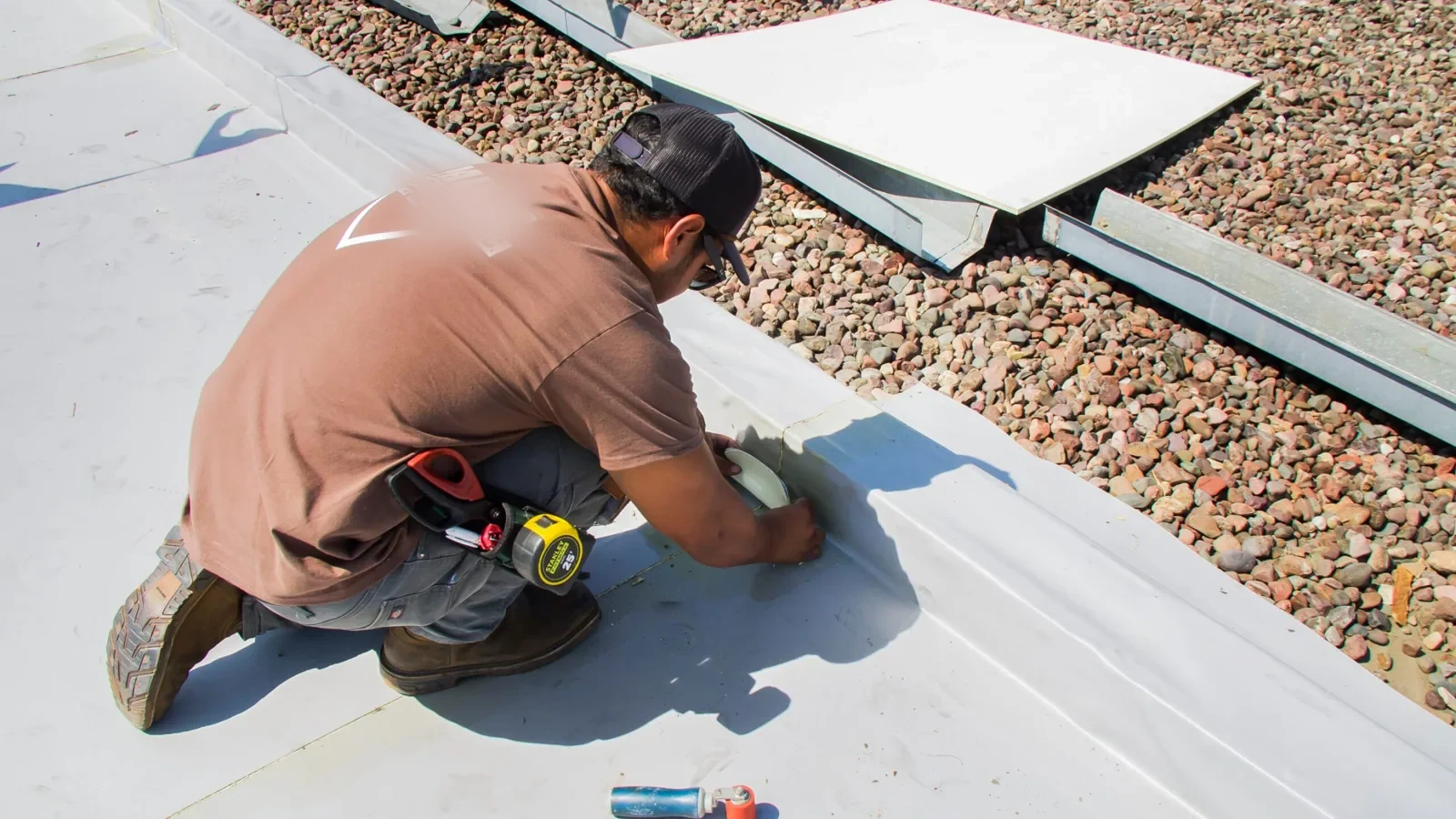
A liquid-applied flashing detail follows the shape of a curb or penetration, but it still depends on surface preparation, reinforcement, and the specified system components. We check corners, termination height, and movement at the transition. If the roof has several layers or a prior coating, adhesion and compatibility need review before another material is applied. A modified-bitumen assembly review can separate sheet condition from failures at drains or walls. For a comparison, Holcim Elevate and Johns Manville membranes can be reviewed against the same roof evidence rather than by brand alone.
At each seam, we check whether the lap is fully bonded and whether granules, dirt, or an older patch interrupt the repair area. A blister may indicate trapped air or moisture, while a split at an edge can point to movement at the termination. Those conditions are recorded separately because they do not call for one blanket repair. We mark the limits of sound sheet and identify any test opening that could reveal the deck or insulation beneath it. The owner then sees which findings support a local patch and which need a larger assembly decision.
Set the repair around Hillsboro rain
Hillsboro’s precipitation normal is 35.93 inches over a year, with the wettest monthly amounts from October through January. At a Soprema detail, we check whether runoff reaches the prepared lap or resin boundary before the repair can cure. A damp substrate can interfere with bonding, welding, or resin work, so we check the surface and forecast before closing a detail. Drain bowls, scuppers, low laps, and wall transitions are inspected together. The regional corridor along 185th Avenue serves people and goods in Washington County. For roofing deliveries, we confirm the property’s unloading area and the route that keeps materials clear of operating equipment. At commercial properties near that network, access planning includes the building's actual truck route, loading area, and work hours. Those details are confirmed with staff rather than inferred from the corridor. If rain interrupts a shift, we protect any open area and record the temporary condition. Permanent work resumes when the surface and material requirements support a reliable repair. Near Tanasbourne and AmberGlen, access routes and work windows still need confirmation with the property contact.
Separate patching from a new roof scope
A local patch can be appropriate when the modified-bitumen lap or flashing is the only failed area and the material around it remains firm. We remove loose material, prepare the exposed boundary, and restore the specified overlap or reinforced detail. A recurring leak with wet insulation or separated seams in several areas calls for a broader assessment. A flashing repair scope identifies each curb, wall, or penetration that changes the boundary.
Recover and replacement options depend on the deck, existing layers, moisture, drainage, and edge heights. We inspect whether an added layer can be attached and terminated without burying wet insulation or restricting drain flow. If the substrate is unstable, tear-off and restoration may be necessary. The estimate separates sheet work, tear-off, insulation, perimeter metal, staging, and any testing so the owner can see how each condition changes the price.
Emergency response is available any hour, including holidays and weekends, to control an active opening. We document temporary protection and return for permanent work when the surface can be prepared. The repair record names what was secured and any test or additional scope that remains open.
Retain the repair limits and material record
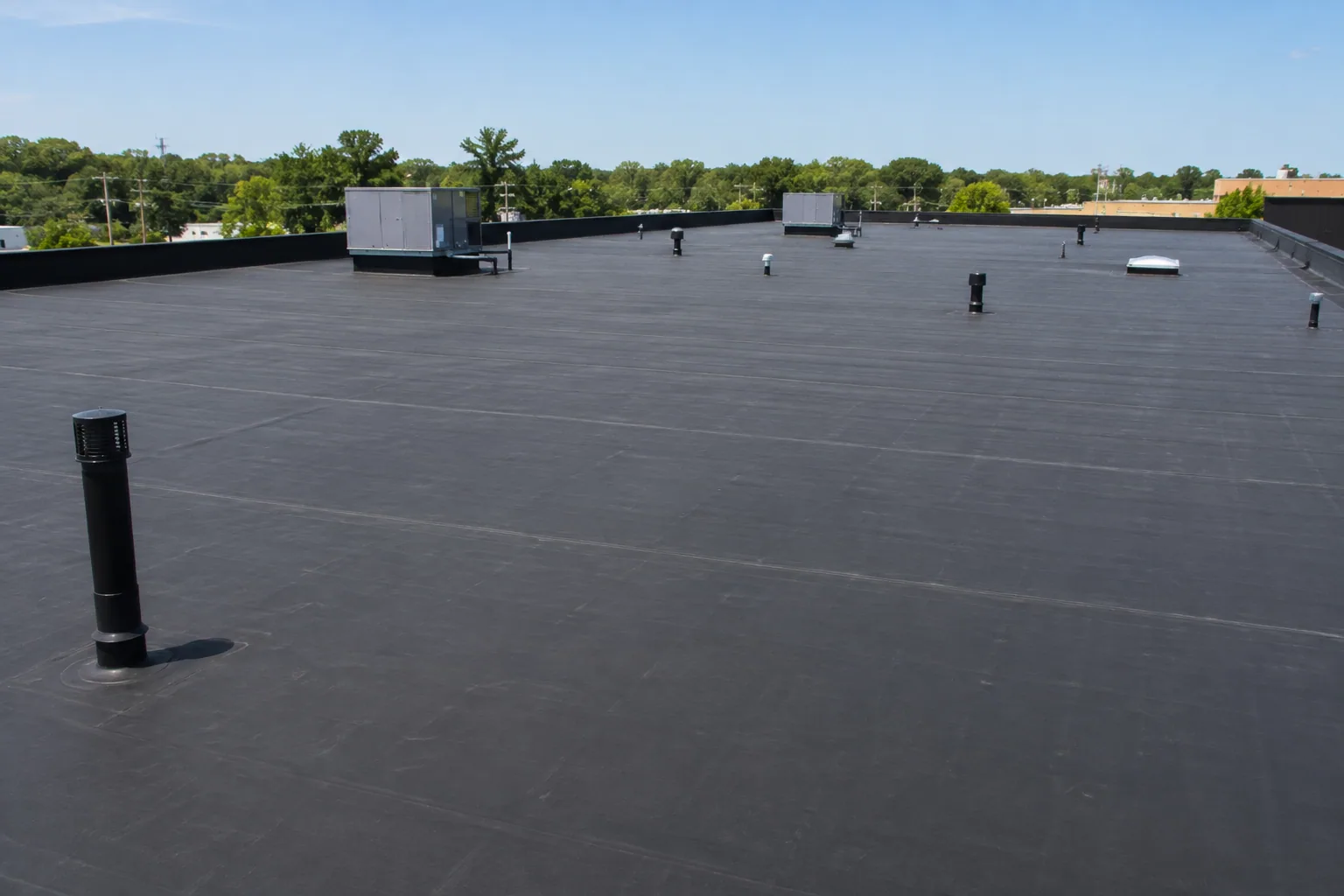
A roof file should identify the Soprema membrane or sheet family, repair materials, photographs, and the location checked at closeout. It should also show areas left untested. If a coating or resin was used at a detail, the record needs the substrate and transition that were prepared. A marked condition report can keep those observations with the roof plan and help maintenance staff revisit the same lap or curb.
We can return to inspect drains, transitions, and repair edges through scheduled maintenance. Owners comparing systems may also review coating options only after the existing surface and moisture condition are assessed. A building in Downtown Hillsboro may have a different access plan from a process facility, though both need an assembly-specific roof walk. We invite the owner to review marked findings and a repair or replacement scope tied to the actual substrate.
Questions About Soprema Commercial Roofing
Can a Soprema modified-bitumen lap be patched?
It can be repaired when the sheet and substrate around the lap are sound and dry enough for the specified method. We remove loose material, prepare the boundary, and restore the overlap or reinforcement. If moisture extends below, the scope includes that area separately.
When is liquid flashing appropriate at a curb?
The substrate, corner geometry, existing membrane, and system details must support it. We inspect adhesion conditions and the termination before including a resin flashing. If movement or wet material remains below the detail, that issue is handled first.
Can a coating cover an older bitumen roof?
Only when the surface, adhesion, moisture, drainage, and flashing condition support the proposed coating. We test or inspect those areas before recommending it. A coating does not replace saturated insulation or repair an unstable termination.
How do you know if a leak reaches beyond the visible lap?
We compare the interior report with nearby seams, drains, curbs, and insulation clues. A moisture survey or selective opening can show whether the repair boundary extends. The report separates confirmed material from areas that still need testing.
What changes the schedule for Soprema roof work?
Surface moisture, temperature, access, staging, and the size of the repair all affect the sequence. We check actual conditions before applying a weld, adhesive, or resin. If a work area must stay clear for equipment, that operating window is planned with the site contact.
Review the Soprema roof assembly
Arrange a Hillsboro roof walk and share any repair history. We will identify the sheet and substrate, mark the details, and price the work supported by the inspection.