Auto Dealership Roofing in Hillsboro, OR
Auto dealership roofing in Hillsboro, OR, with roof inspections, leak repairs, and phased work planned around service bays and customer access.
Auto Dealership Roofing
A leak over a service bay can put a vehicle lift and the work below it out of use. In Hillsboro, OR, I check the roof above the reported area, then trace seams, curbs, drains, and edge metal for the entry path. We mark the affected zone, inspect the insulation, and set a repair boundary that reaches sound material. The roof inspection records what can be repaired before the dealership decides on a larger scope. The regional-center pattern includes Tanasbourne and AmberGlen in western Washington County. The regional-center model connects employment and housing with high-quality transit. At a dealership, we map customer doors, delivery lanes, exhausts, and service-bay access with the manager. Those operating details shape where lifts and staging can go.
Related Roofing Pages
More pages on commercial roofing in Hillsboro:
Trace a leak through the service area
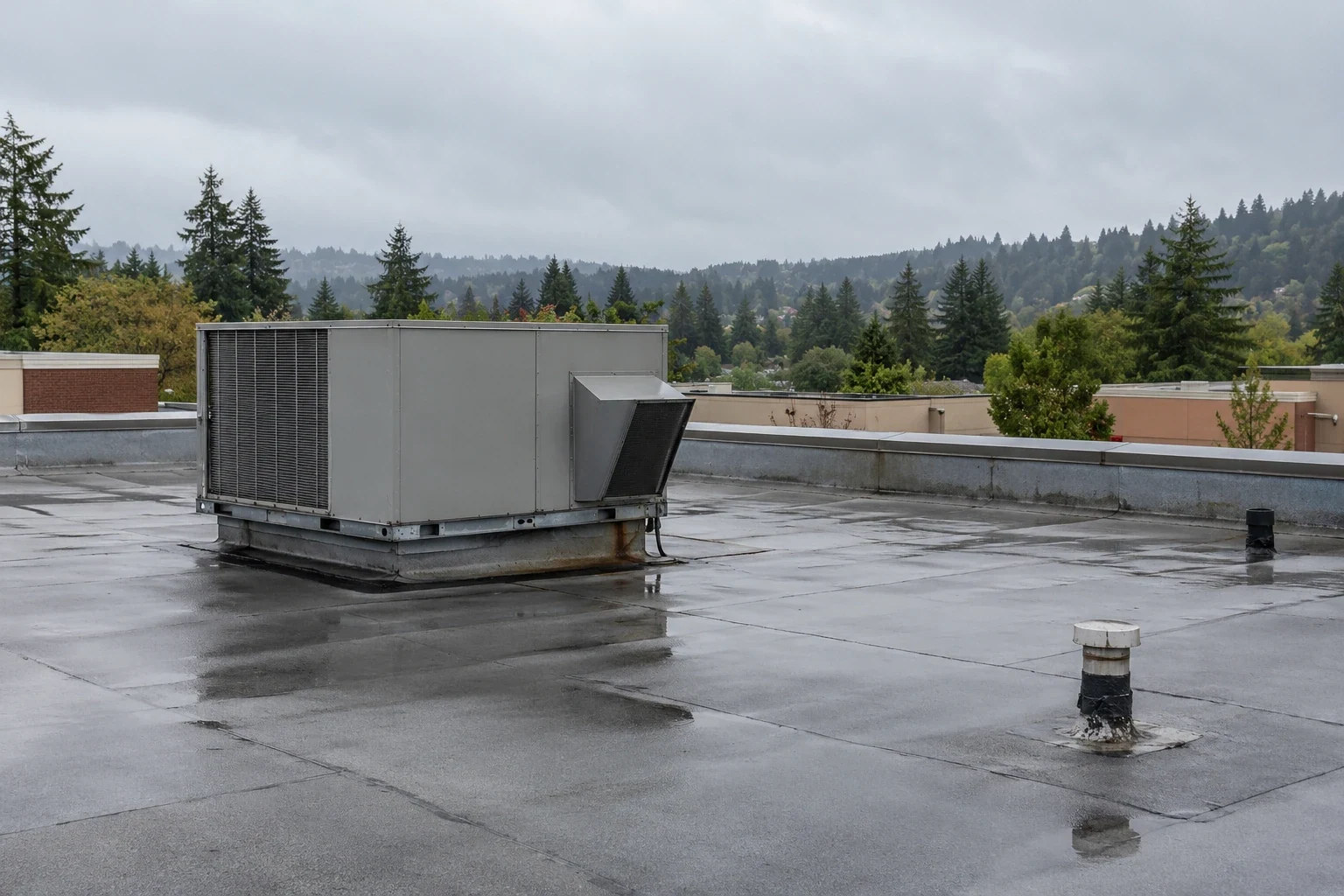
We begin with the interior location and note whether water appeared near a lift, parts counter, office, or showroom. Then we compare the mark with roof slopes, seams, penetrations, and low points. Water may travel beneath the membrane before it reaches a ceiling tile or light. Annual normal precipitation is 35.93 inches at Hillsboro, with October through January having the largest monthly totals. We mark service-bay leaks and outlet restrictions early enough to plan repair access around appointments and deliveries. Before that stretch, a dealership roof review follows each drain to its overflow and checks for water crossing a service-bay seam. We photograph any remaining pond and inspect nearby flashing before proposing a repair. A drain review is scoped to the outlet and the assembly found around it.
At a service-bay curb or exhaust, we check flashing height, sealant, and movement at the membrane termination. At the perimeter, we inspect cleats, coping, and fasteners for a firm attachment. Findings are photographed by roof zone, with clear notes about areas that could not be reached. That record lets the operations contact match an interior report to a roof detail before authorizing removal.
Keep vehicle and customer routes clear
Before work, we agree on the lift location, delivery timing, material route, and space needed to protect vehicles. The dealership contact identifies service appointments and customer entrances that cannot be blocked. We set a barrier around the active area and keep debris away from drains and traffic lanes. If a roof hatch or ladder route crosses a service zone, we confirm the hour when staff can make it available.
A repair may be isolated above one bay, but replacement can affect several connected operations. We phase the roof so only the area that can be restored is opened, and we secure each stopping edge before leaving. If tear-off reveals wet insulation or a different deck, we photograph the layers and price the added work for approval. Our occupied-building sequence records affected bays and daily access changes.
Oregon Highway 8, which locals call Tualatin Valley Highway, links Hillsboro with Cornelius, Aloha, Forest Grove, and Beaverton. The arterial and transit connection provides regional context, not an address-level route to a showroom. We ask the service manager which driveway can take a lift, when customer traffic peaks, and where deliveries can turn without crossing active bays. Those answers shape the phase plan for that property.
Choose a repair that meets sound material
A puncture, split lap, failed curb, and wet insulation are separate conditions. We remove loose membrane to a stable edge, prepare the substrate, and tie the patch into clean, attached material. A seam repair addresses an opened lap; it does not correct a drain depression or deck movement. We list each affected detail so the owner can see what the price covers.
Color and a sales record are not enough to name the roofing assembly. We check seam and fastener patterns, edge terminations, and available drawings; the result may be a thermoplastic sheet, EPDM, asphaltic built-up or modified-bitumen layers, metal, or an existing recover. A replacement scope follows only after those field clues agree with the property record.
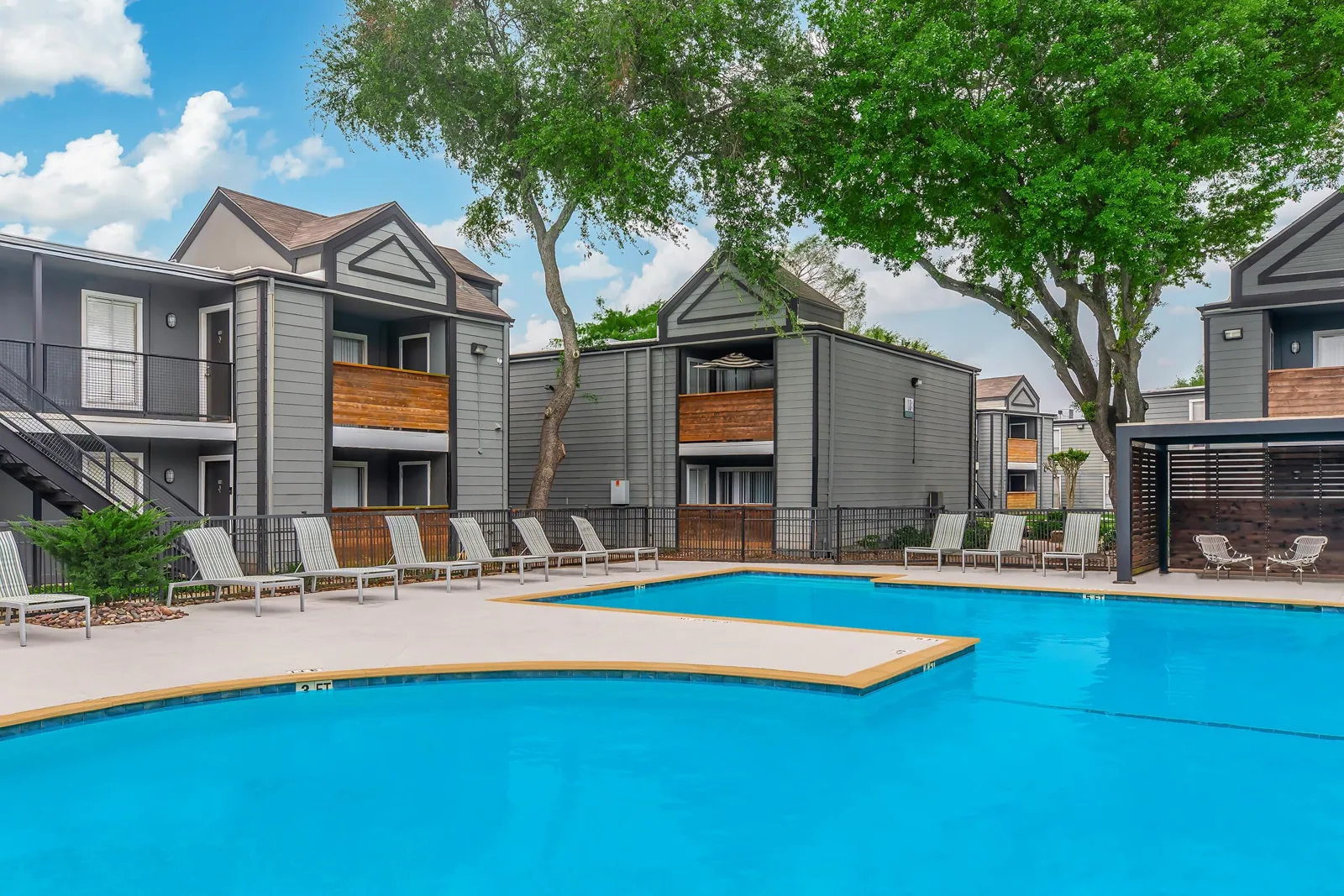
A dealership's roof can have different sections above public and service areas. We mark each assembly and do not assume one repair material suits every transition. The written scope identifies the opening, preparation, flashing, and closeout checks, plus any area held for future work. For a nearby retail property, shopping-center roof work also depends on keeping active customer routes clear.
Record details between service visits
Vehicle bays, rooftop exhausts, and service equipment create details that should remain visible in the roof record. We note the zone, curb or penetration, photographs, prior patch, and any movement at the flashing. After a repair, we keep the same reference points so the next walk can compare the seam and surrounding membrane. Hillsboro averages around 64 days annually with freezing or colder lows. A dealership maintenance visit checks exposed exhaust flashings and outlets, then records any change against the prior bay-specific photographs. After such a period, we inspect the exposed laps and check whether water at a drain has affected insulation. We mark any movement or moisture found at the inspected detail after a freezing period. Tanasbourne and AmberGlen serve western Washington County as a regional center. At a dealership in that area, we confirm which service lanes and material routes the maintenance visit could affect. A maintenance visit after the repair rechecks the same bay-side details. A dealership in that center still needs a roof walk tied to its own assembly. We coordinate with the service manager about lifts, exhausts, deliveries, and safe walk paths. A warehouse roof plan also records equipment routes, though its operating lanes differ from dealership bays.
Price the roof and bay access
Cost follows the roof system, repair area, number of curbs and penetrations, insulation removal, edge length, and drainage correction. Access can require lift protection, vehicle relocation, smaller work phases, or coordination around deliveries. We list those constraints separately and show where they change labor or materials. If concealed conditions need an opening, the proposal identifies the location and the decision the test will answer.
Timing depends on forecast, surface moisture, temperature, material cure, and the service calendar. Hillsboro's wetter season can shorten the time a section stays open. We inspect the substrate before installing the new layer and size each phase to what can be made watertight in that window. If the operation needs a route kept open, we sequence the work area around that constraint.
Our emergency roofer can visit when an active leak cannot wait for the next planned walk, including nights and holidays. We first make the opening safe, document temporary protection, and return to inspect the assembly when access permits. The closeout record identifies repaired bays, materials, and any detail needing follow-up so the service manager can coordinate around vehicle operations.
Questions About Auto Dealership Roofing
Can work proceed above active service bays?
We check lift access, bay use, equipment clearances, and the time needed to make each opening watertight. A small repair may be isolated; broader work is phased with the service manager. The plan names any bay or lane that needs a short restriction.
What if the ceiling leak is far from the roof opening?
We compare the interior mark with slopes, deck joints, seams, curbs, and drains. Water can move beneath the membrane before it appears indoors. A survey or approved test opening helps identify wet insulation and set the removal limit.
Can a roof coating be applied over old dealership roofing?
Only when the substrate, attachment, and surface accept the specified system. We inspect existing coatings, seam condition, moisture, and flashing first. Weak or wet areas need repair or removal before a coating comparison is made.
What changes a dealership roof replacement estimate?
Membrane and insulation quantities, deck repairs, curbs, drains, perimeter details, staging, and work phases affect scope. Confirmed conditions are priced apart from concealed areas that need testing, so the owner sees which finding would change the price.
How do you protect vehicles during roof work?
We coordinate staging, overhead work zones, debris control, and temporary barriers with the facility contact. The affected parking or service area is identified in advance. We keep the daily stopping edge secure before releasing a work zone.
Plan a dealership roof inspection
Tell us where the leak appeared and which bays, lanes, or customer entrances need to stay open. We will inspect the assembly, mark the repair boundary, and price the scope by roof zone.