
Senior Living Roofing in Hillsboro, OR
Roofing for senior living communities in Hillsboro, OR, with inspections, leak repairs, and phased replacement planned around occupied care areas.
Senior Living Roofing
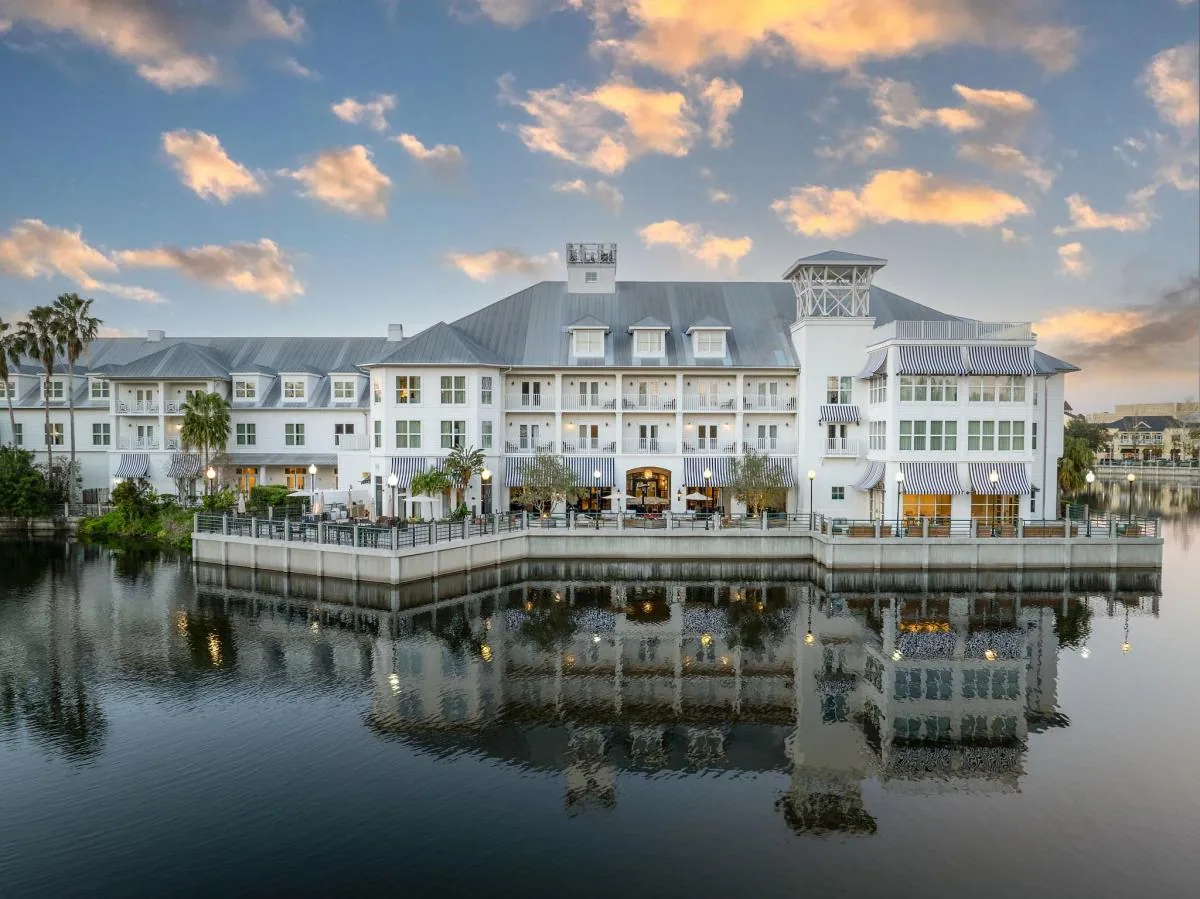
A ceiling mark near a resident room deserves a roof check before it becomes a corridor closure. In Hillsboro, OR, I trace the path from the interior report to the nearest drain, curb, lap, or wall termination. Water can travel beneath a membrane before it reaches the room below. We photograph the route, check for wet insulation, and define a repair boundary that reaches sound material. A commercial roof inspection gives the facilities contact a marked record to use for the next decision.
Occupied care buildings have meal, medication, visitor, and service routines that roof work must respect. We confirm access, quiet hours, lift placement, and the areas that cannot be blocked before setting a sequence. Tanasbourne and AmberGlen are Metro's regional center for the western county. We settle roof access, resident routes, and staging with the facility contact before work begins.
Related Roofing Pages
More pages on commercial roofing in Hillsboro:
Trace water without disrupting care
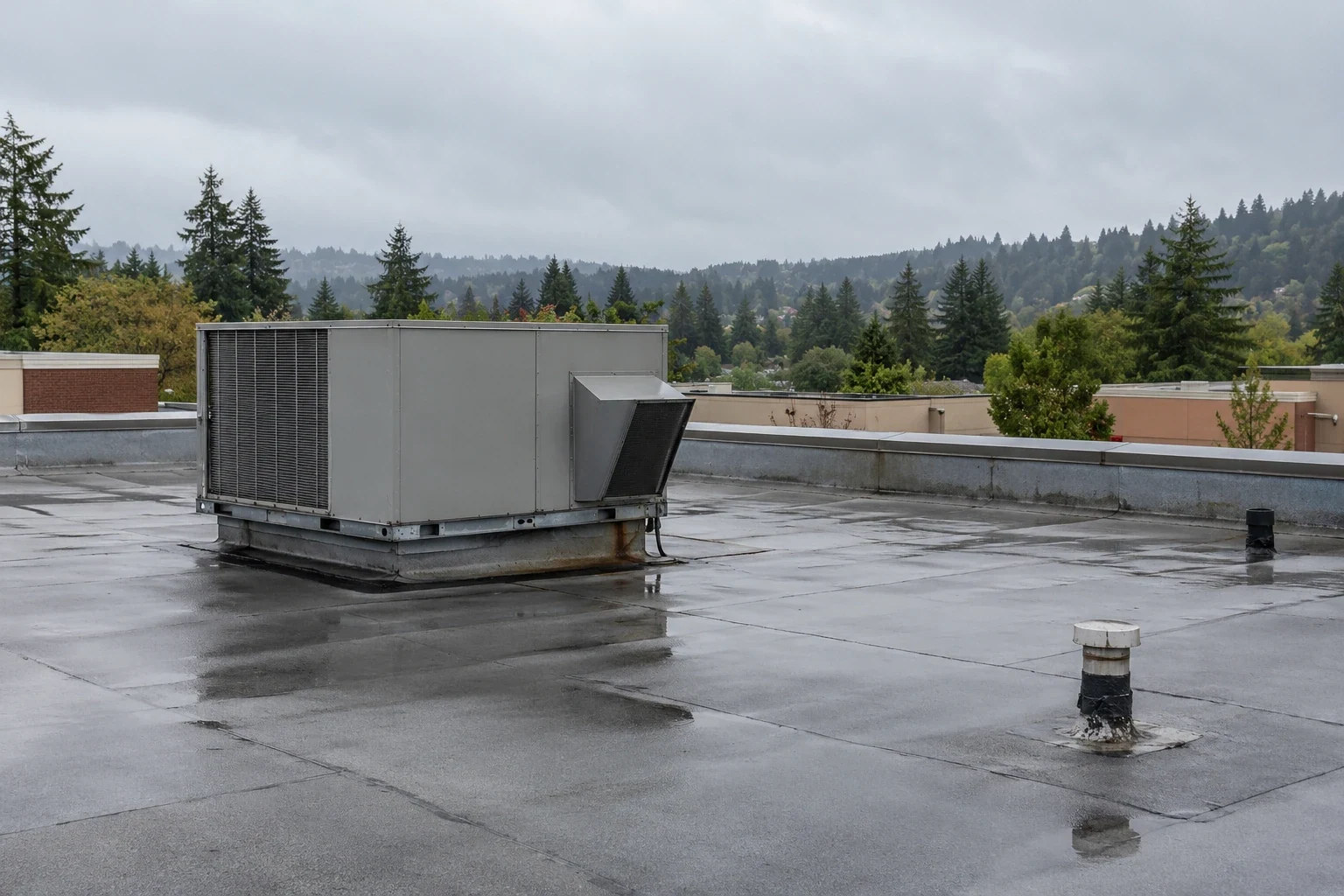
For an occupied care setting, the leak report begins inside, but the repair boundary is set above. We compare the room location with roof slope, nearby drains, seams, and curbs, then mark what the inspection can confirm. A moisture survey or limited test opening can settle whether insulation is affected; a ceiling stain alone cannot.
October through January brings Hillsboro’s heaviest normal rainfall, contributing to a 35.93-inch annual average. At a care building, that season puts attention on overflows and wall terminations before sustained rain. We distinguish active entry from a depression that retains water, since those findings call for different scopes.
At parapets, we check coping joints, cleats, sealant, and the membrane turn-up. Photos tied to a marked roof plan identify the edge that needs opening and the limit approved for repair.
Before mobilization, we agree on resident transport, quiet periods, and service access with the operator. The building's approved route and work window guide staging, and our closeout notes the zones completed so staff can coordinate the next visit without reopening a finished area.
Keep resident routes in the schedule
Before mobilization, we agree on a roof hatch or ladder, material route, staging point, and any corridor or entrance that must remain clear. The building contact identifies resident activities and deliveries that cannot be interrupted. We separate roof access from visitor circulation where the property allows it, then confirm the work window each day. If a lift or temporary barrier changes a route, the contact gets that information before the area is closed.
A small flashing repair may fit within a short window. Tear-off needs a protected zone and time to close the exposed section that day. We limit the open area, keep materials clear of drains, and check the temporary tie-in before leaving. Our reroofing sequence records roof zones and daily stopping points.
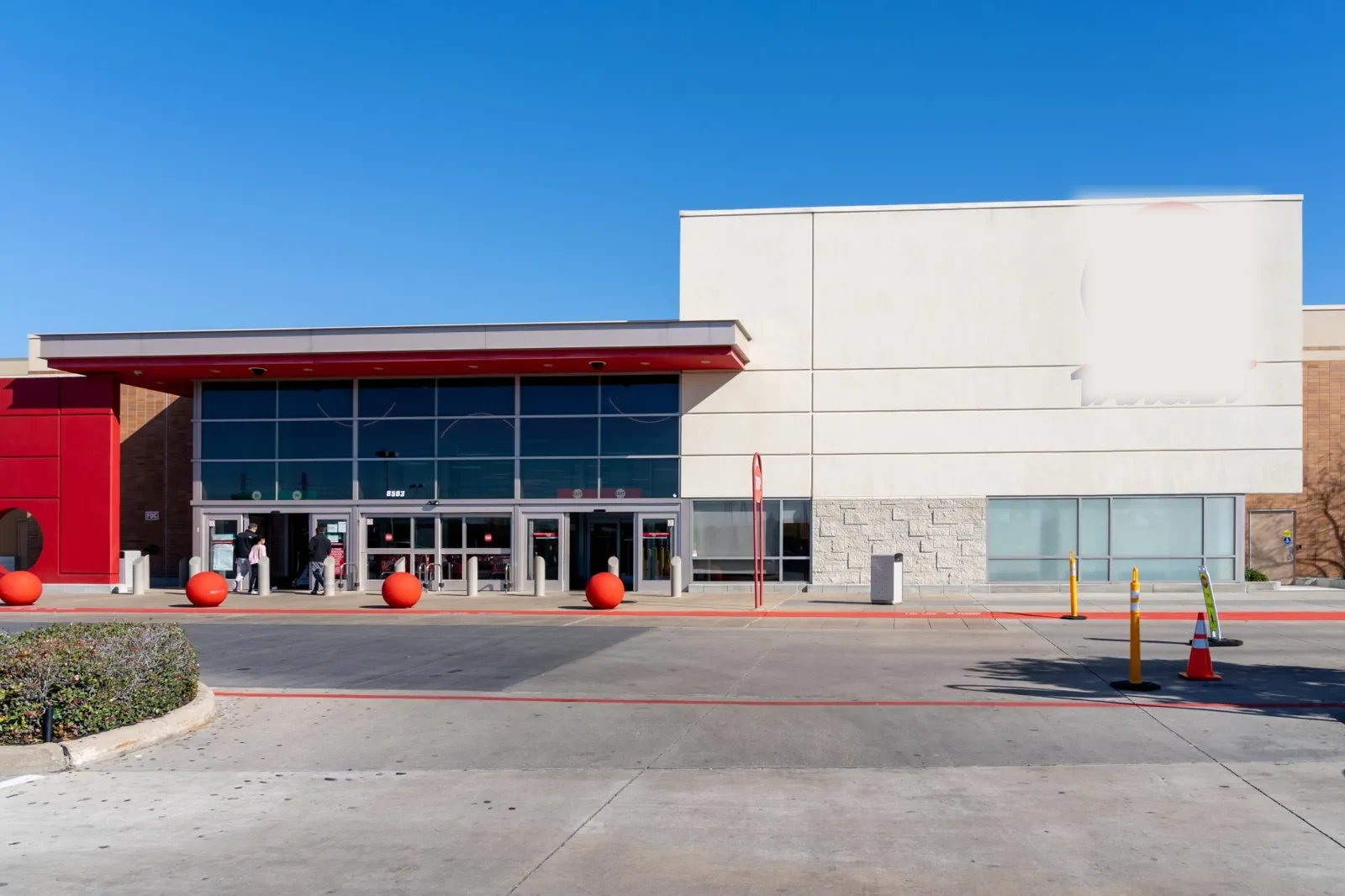
For a municipal facility with public counters or scheduled meetings, public-building roof work also depends on keeping the entrance and service route clear.
Match the repair to the assembly
We repair a puncture only after confirming the sheet around it is dry and attached. The opening is trimmed to stable material, the surface is prepared, and the patch crosses the boundary required by the assembly. The membrane puncture repair record distinguishes a local break from moisture that has spread below it.
Before selecting a tie-in, we identify the installed system from markings, seams, attachment, and roof records. Thermoplastic membranes, EPDM, asphaltic systems, and metal use different methods. A recover is considered only if existing layers are dry, secure, and fit for additional fastening and load; otherwise a replacement comparison describes the removal, insulation, edge, and drainage work by area.
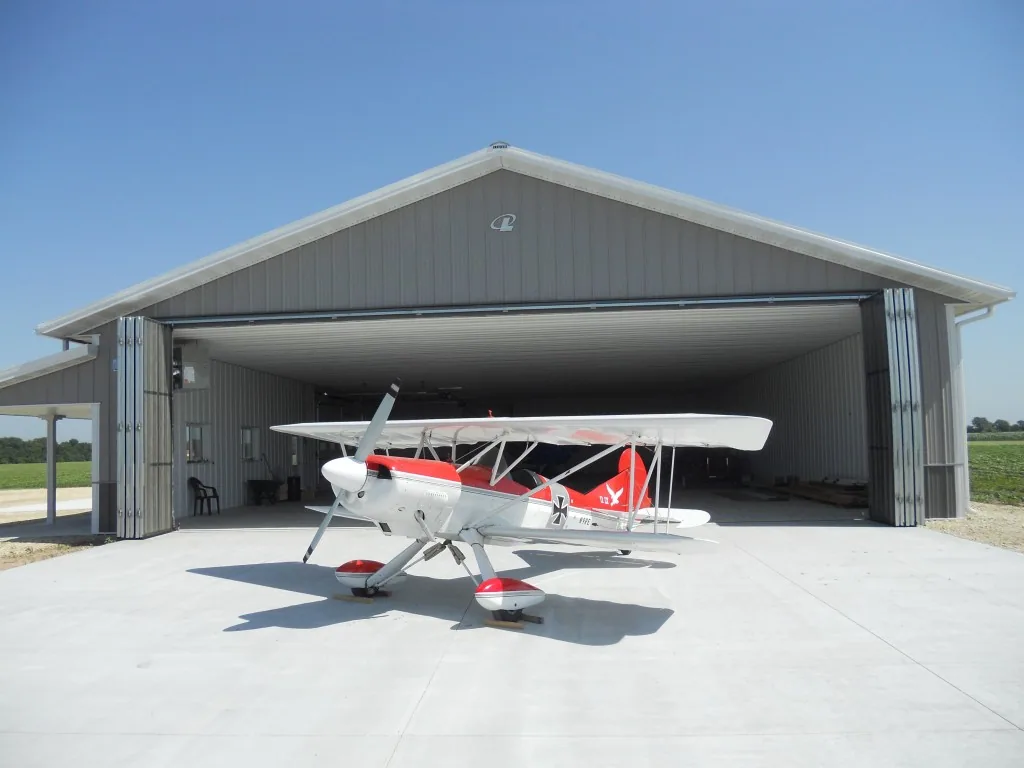
At church roofs, the assembly-first check still applies at curbs and penetrations, while the building's occupied use informs staging.
Before a test opening, we identify who can authorize it, how the opening will be protected, and what observation will settle. That keeps an invasive check limited to a decision the owner has asked us to resolve.
Check bowls, overflows, and low points
At each low point, we record outlet condition, overflow height, the membrane turn-up, and any sign that insulation has settled. A drain and scupper inspection distinguishes routine clearing from a failed detail. If water remains after the bowl is clear, we compare field slope and substrate before recommending a correction.
The Portland-Hillsboro climate record places overnight temperatures at 32°F or colder on roughly 64 days in a normal year. After a cold period, we check exposed piping, open seams, and drain transitions for movement or retained water. Confirmed wet insulation belongs inside the marked repair boundary, not beneath a surface-only patch.
On the west side, Oregon 8 links Forest Grove, Cornelius, Hillsboro, Aloha, and Beaverton. At the building, we verify loading time, entrance, lift placement, and emergency path with its contact, especially where resident transport or meal service needs continuity.
After service, the marked record names the outlet or transition inspected, the repair boundary, and any follow-up still open. The facilities contact can use it to coordinate later roof work around resident routines. Where a repair sits near a resident wing, the record also notes which corridor or entrance stayed open during the visit, so the next visit repeats the same protection.
Separate roof scope from operating limits
Price follows the confirmed repair area, membrane type, penetrations, insulation removal, edge details, and drainage corrections. Access can add staging, protection, or smaller phases. We list those items separately so the owner can compare local repair with restoration or replacement. Any test opening is named in the proposal with its location and the decision it will settle.
Timing depends on surface moisture, forecast, cure requirements, and the areas that must stay in service. Hillsboro's wet months make exposure control important over resident rooms or a kitchen. We inspect the substrate before closing a repair and stop at a secure boundary when conditions change. The daily record notes completed zones and any area that needs another walk.
A condition report ties photographs to work limits and follow-up items. Our emergency response is available every hour, including weekends and holidays, to control active water entry.
Questions About Senior Living Roofing
Can roof work continue while residents remain in the building?
We plan access, staging, and daily work zones with the facility contact. A contained repair may proceed while the building operates; a lift, tear-off, or noisy task can require a timed restriction. We show the affected route and stopping point before work begins.
How do you handle a leak above a resident room?
First we protect the interior and document where moisture appeared. Then we trace the roof path, check nearby seams and penetrations, and test the assembly if the wet boundary is unclear. The repair includes confirmed damaged layers and a recorded tie-in.
What roof information should a care facility provide?
Roof plans, prior repair records, membrane details, and the room or zone affected help us focus the walk. Staff can also identify access rules and care routines. We verify each detail on the roof rather than treating records as proof of current condition.
When does replacement make more sense than another patch?
Repeated failures, broad wet insulation, loose attachment, or too little sound sheet for a tie-in can shift the comparison to replacement. We mark the affected zones and show repair, recover, or removal options only where the assembly supports them.
What will the closeout include?
Marked photos show the repaired detail, nearby drainage, and the work boundary. We note materials installed, access limits, and conditions that need another check. The facility receives a roof record that can be compared with the next inspection.
Arrange a senior living roof walk
Share the affected rooms, access rules, and operating windows. We will walk the roof, record the repair boundary, and price options that fit the building's care routines.