
PVC Roofing in Hillsboro, OR
PVC roofing in Hillsboro, OR needs clean welds, sound flashing, and a dry substrate. We inspect the assembly and scope repairs or replacement around use.
PVC Roofing
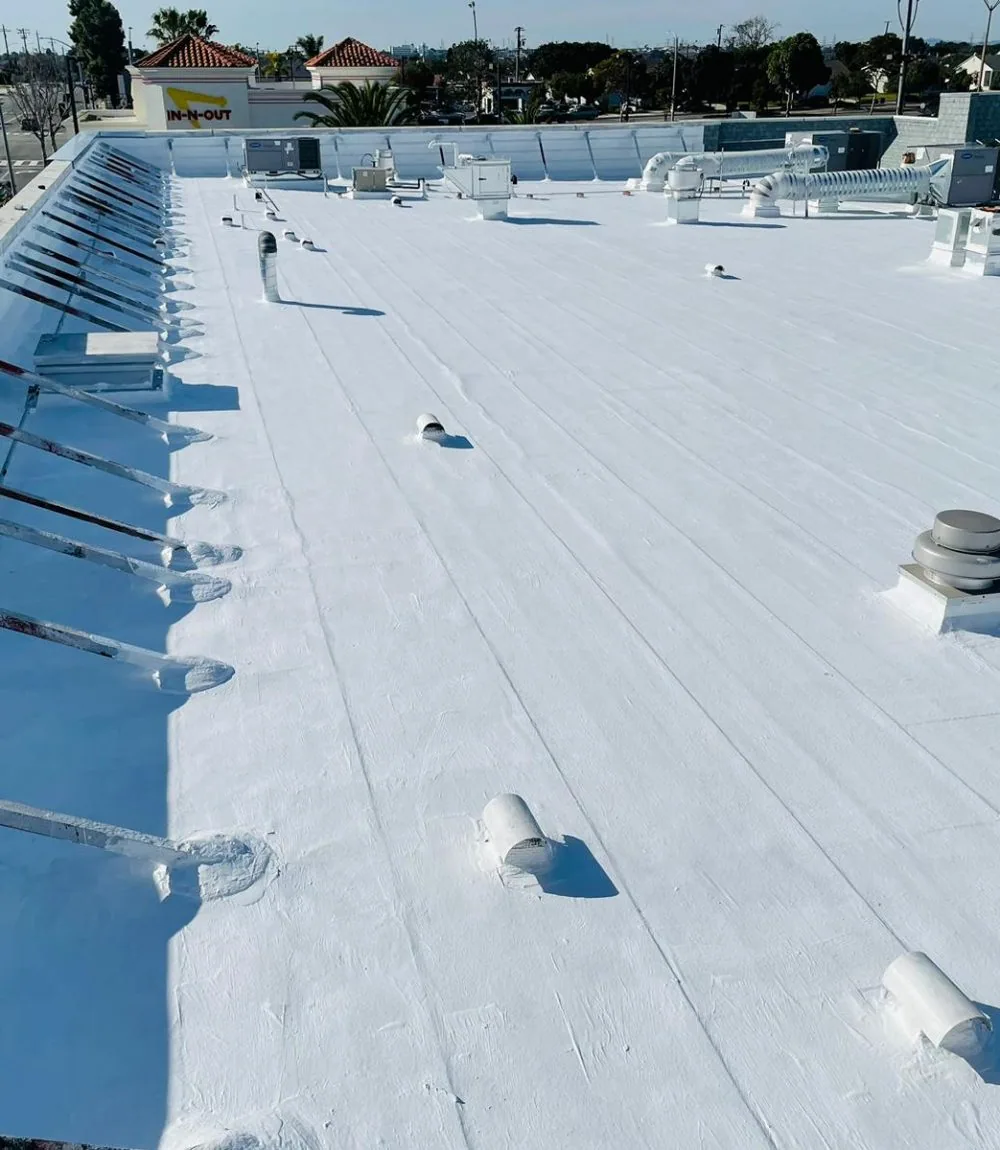
A PVC field seam needs a different check than a surface that merely looks intact. In Hillsboro, OR, we test the weld, examine the sheet beside it, and follow the drainage plane to the closest curb or drain. Downtown Hillsboro’s commerce and civic activity give it a regional-center role for western Washington County. Before inspecting a PVC roof there, we confirm how the crew will reach the membrane without blocking occupied entrances. For work on an occupied building, we mark entrances and the roof-access route together, then confirm where material staging can remain clear of public circulation. Tanasbourne and AmberGlen share that regional-center designation, with transit and highway improvements focused on the area. The annual precipitation normal for Hillsboro is 35.93 inches, peaking in the October-to-January period. A PVC inspection records whether residue or standing water obscures the weld, then identifies any preparation needed before testing the seam. On a PVC assembly, the practical question is whether water reaches its intended outlets while welded seams and flashings remain continuous. We note slow-flow points, persistent ponding, and details that warrant closer inspection before pricing membrane work.
Related Roofing Pages
More pages on commercial roofing in Hillsboro:
Read the weld and the sheet beside it
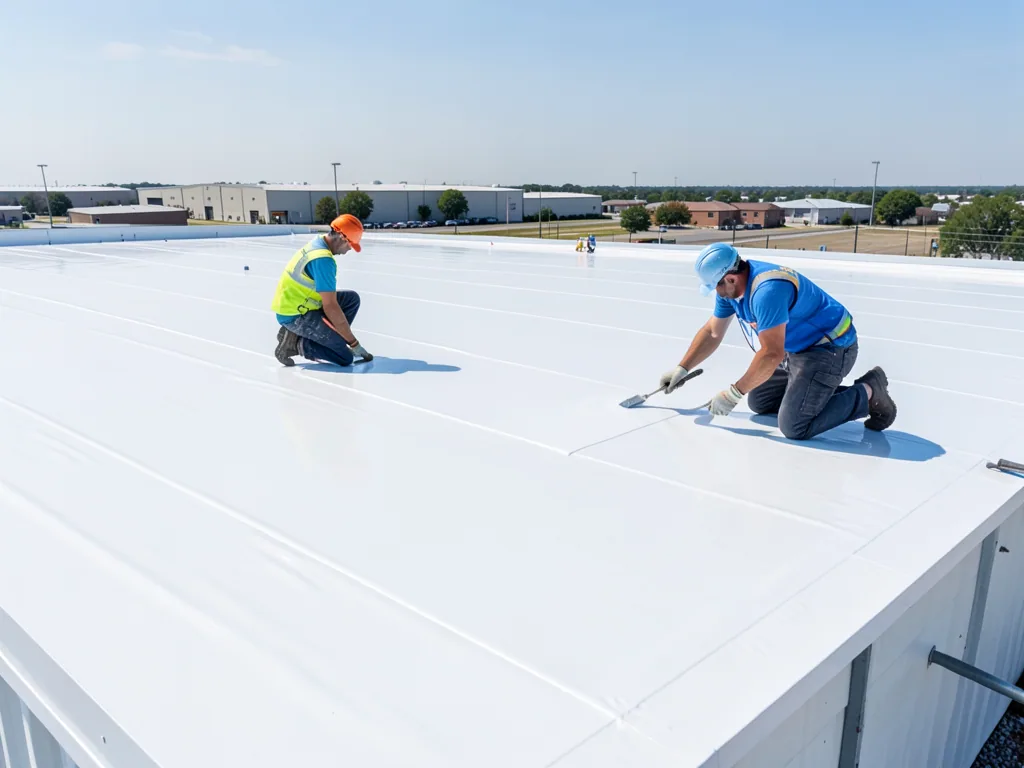
PVC seams are heat-welded, so the joint and the adjoining sheet both matter. A probe can find an open lap, while discoloration, a brittle edge, or a wrinkle may point to a broader condition. We inspect representative seams across the field and pay closer attention near drains, curbs, penetrations, and repairs. The report distinguishes a weld defect from a sheet that has lost the strength needed for a sound tie-in.
At flashing transitions, the membrane has to turn up and terminate without leaving a path behind the corner. We check the curb height, fastening, cover strip, and inside and outside corners. A flashing repair can resolve a localized leak while the field remains usable. If water is traveling beneath a larger area, we map the affected section before deciding where a cutback should stop.
Hillsboro’s wet season can leave residue or moisture at the seam where preparation matters. We clean and dry the surface to the system requirements before welding, then inspect the completed joint. A patch that sits over dirt or damp material can hide the opening without restoring continuity. We include preparation and inspection steps in the scope so the owner can see what the repair requires.
Separate chemical exposure from ordinary wear
PVC is often selected where a building’s use calls for resistance to particular oils or other chemicals. That does not make every PVC sheet suitable for every exposure. We ask what is discharged, where it reaches the roof, and whether it contacts the field or only a service area. The answer guides product selection and detail protection, while the actual assembly and manufacturer instructions remain part of the decision.
On a process-oriented property, equipment curbs, exhausts, and service paths can concentrate exposure at a few locations. We look for softened material, staining, surface changes, failed sealant, and prior patches around those points. A curb and support detail must protect both the membrane and the equipment opening. If the source is active, the building team needs to correct it before a new sheet is expected to remain sound.
A moisture survey or selective opening may be appropriate if insulation is wet or the leak recurs after a surface repair. We do not infer concealed damage from a stain alone. The marked findings show the confirmed wet boundary, the areas that still need testing, and the repair choice tied to each result. That keeps replacement from becoming the default answer when the evidence supports a smaller scope.
Choose a scope that fits the building
A small weld repair can be sensible where the membrane is flexible, the substrate is dry, and the defect is isolated. Replacement deserves consideration when seams are failing across several roof zones, the sheet is brittle, or wet insulation is widespread. We compare repair, recover, and tear-off based on the existing layers, deck condition, edge height, and penetrations. A recover option is included only when the assembly can support added material and the details can be rebuilt correctly.
Downtown Hillsboro’s regional-center role includes commerce and local government, so an occupied property may have fixed access periods or public-facing doors that cannot simply close. We agree on the roof route, staging, and any ground barriers with the site contact. Occupied-building sequencing can keep the repair area controlled while other operations continue, subject to the actual building rules and weather.
Owners comparing PVC with another membrane should consider the building use, chemical exposure, attachment, drainage, and long-term maintenance access together. TPO roofing and KEE membrane systems may be alternatives for some projects, but their formulations and compatibility are not identical. We identify the material choice and explain what changes at seams, penetrations, and repair transitions.
Keep water moving while the work is open
Drain bowls, overflows, and low points need attention before membrane work begins. We clear the immediate work area, note any blockage, and confirm how water should leave the roof. Hillsboro normals show precipitation concentrated in the cool months, so a repair plan needs a weather window that lets the substrate dry and the weld cool as required. The schedule follows the assembly’s conditions, not a promise that a roof can be closed in any weather.
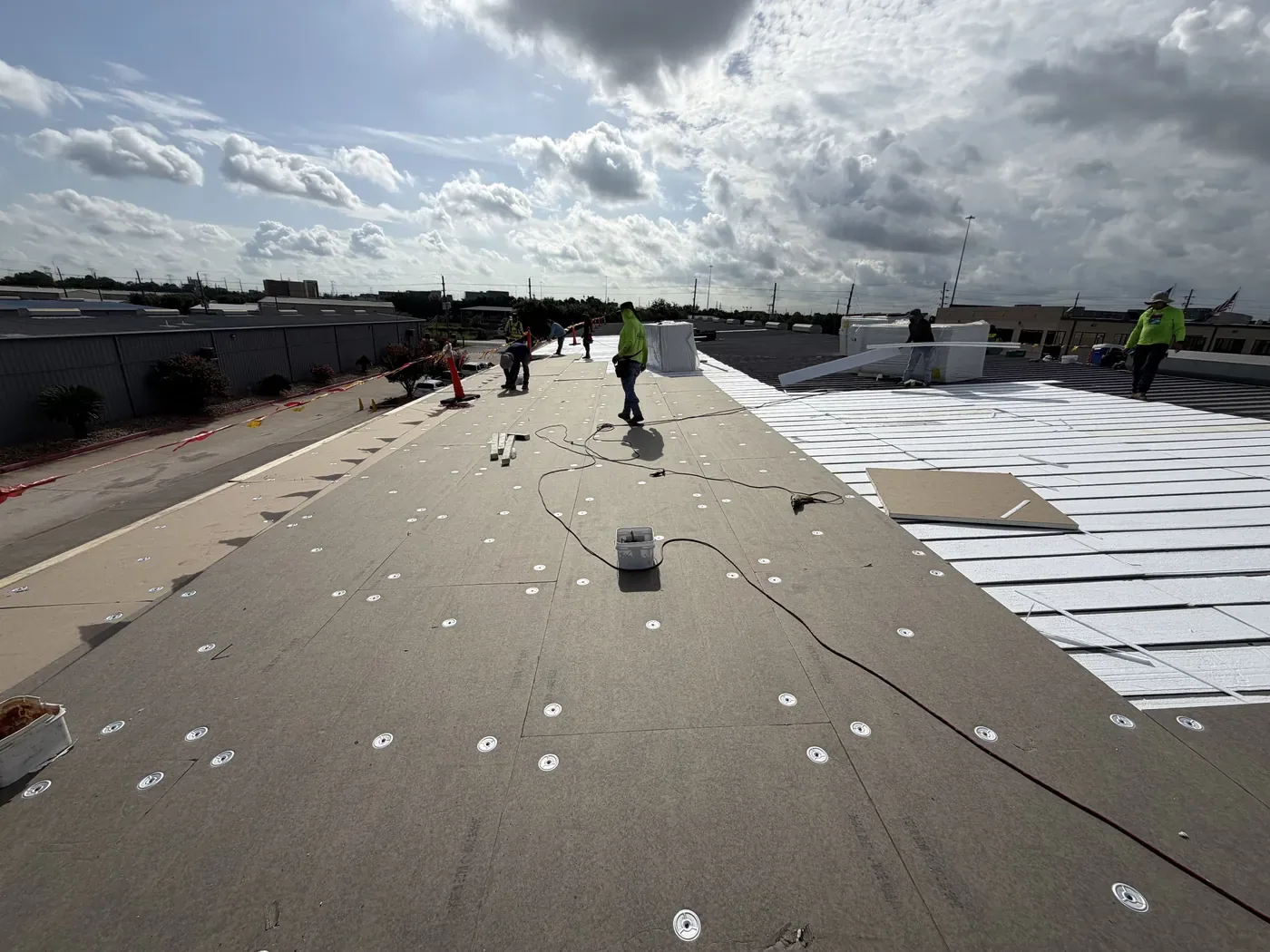
During a larger replacement, we sequence tear-off so the exposed area can be dried and made watertight within the planned shift. Insulation, cover board, and membrane are installed in sections that protect the deck as conditions change. At the end of each work period, we check temporary tie-ins and drainage paths. The closeout record identifies completed areas and any follow-up item that should be carried into maintenance.
Track repairs at seams and penetrations
After repair, a simple roof record helps the next inspection start in the right place. We note the welds tested, patches installed, curbs checked, and areas that remain under observation. A preventive maintenance visit can revisit those locations, clear drains, and identify movement before it opens another lap. The interval should fit roof condition, access rules, and the building’s operating needs.
We return to the observed condition, not just the prior scope. A sound patch may stay in service while an adjacent area needs further testing or a separate price. That distinction matters when capital work is phased and operations cannot stop for a full reroof. The next step is a roof walk with marked findings and options tied to the actual PVC assembly.
Questions About PVC Roofing
Can PVC seams be repaired without replacing the field?
Yes, when the surrounding sheet remains sound and the opening is limited. We probe the weld, prepare clean material, and test the completed seam. If the sheet has become brittle or the insulation is wet beyond the defect, the repair boundary must expand or the owner needs a replacement price.
Does PVC suit a roof near exhaust or process equipment?
The discharge and contact area guide that choice. We identify the material reaching the roof, inspect nearby seams and curbs, and compare the exposure with the selected membrane requirements. If the source remains active, the building team should address it before we set the final repair detail.
How do you locate moisture beneath a PVC membrane?
We begin with surface clues and use a moisture survey or selective opening when needed. Soft insulation, recurring leaks, and water at a low point narrow the inspection, but they do not define the full boundary by themselves. We mark confirmed conditions separately from areas that need another test.
Can a PVC roof be installed over an existing membrane?
A recover depends on the deck, existing layers, insulation, attachment, and available height at drains and curbs. We check those items before pricing an overlay. If concealed moisture or an unstable substrate rules it out, the scope identifies the tear-off and replacement work required.
What should I expect during a PVC roof replacement?
We set work zones, delivery timing, and temporary tie-ins before removing material. The crew advances across controlled areas, restores drainage details, and checks seams before moving on. In Hillsboro, the forecast and roof dryness influence which section can be opened and closed during a shift.
Review the PVC seams and transitions
Book a roof walk and we will test the welds, check drains and penetrations, and map any moisture, then price a repair or replacement around the building’s use.