
KEE Roofing in Hillsboro, OR
KEE roofing in Hillsboro, OR calls for compatible welds, secure flashing, and a sound substrate. We inspect the roof and compare repair with replacement.
KEE Roofing
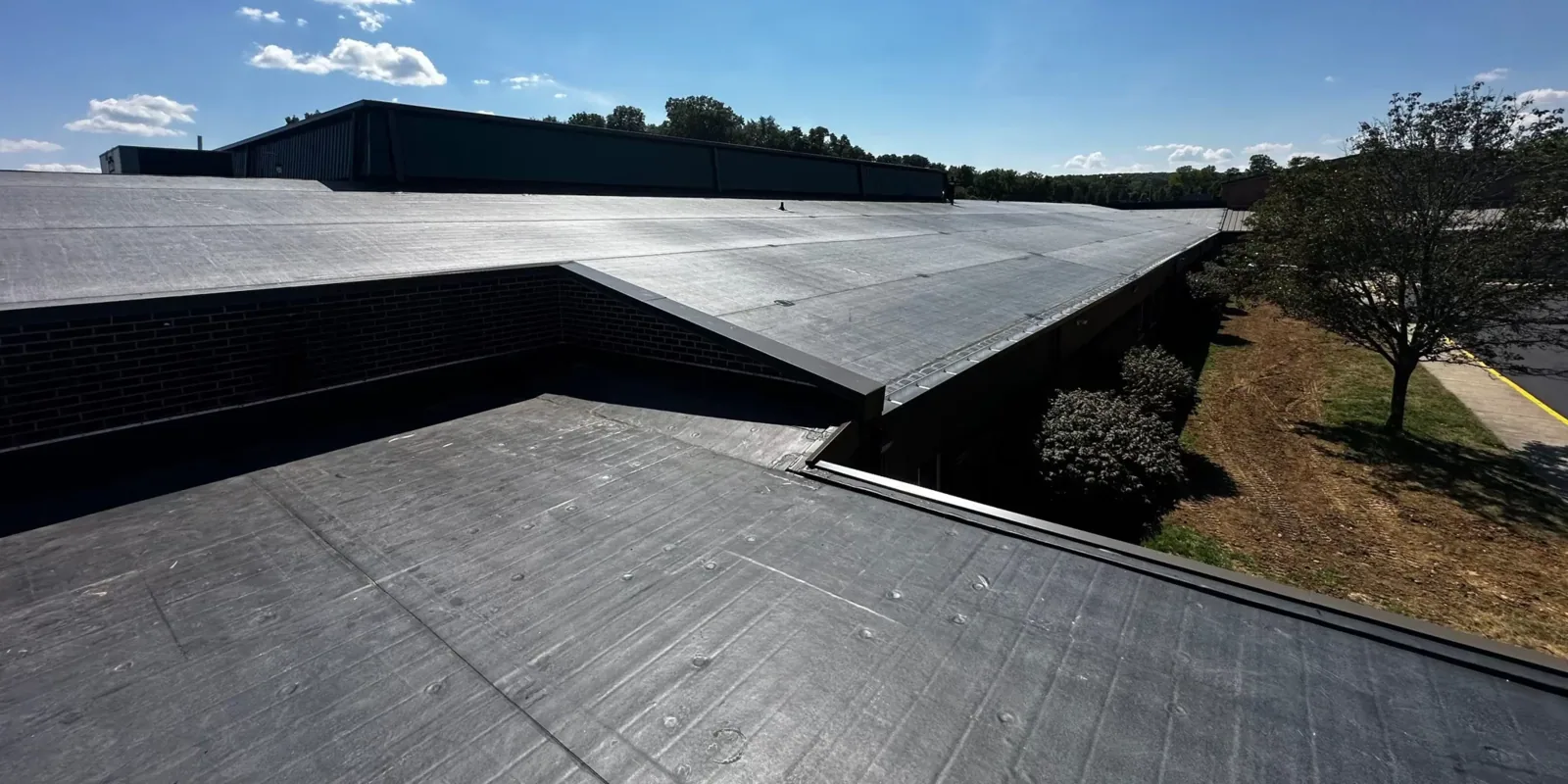
A KEE membrane repair begins with the sheet in front of us, not the product label. In Hillsboro, OR, we check the weld, surface condition, flashing, and insulation to see whether the material can accept a compatible repair. A commercial roof inspection marks the sound area and the transition that needs work.
Roof access varies by property across Hillsboro. We confirm the hatch or ladder, staging, and tenant circulation with the building contact before bringing tools onto the roof or opening a membrane.
Hillsboro averages roughly 17 days each year with highs of 90°F or above. Before hot-air welding, we check the actual sheet temperature, surface moisture, and product limits to choose a suitable work window.
Related Roofing Pages
More pages on commercial roofing in Hillsboro:
Identify the membrane before setting the repair
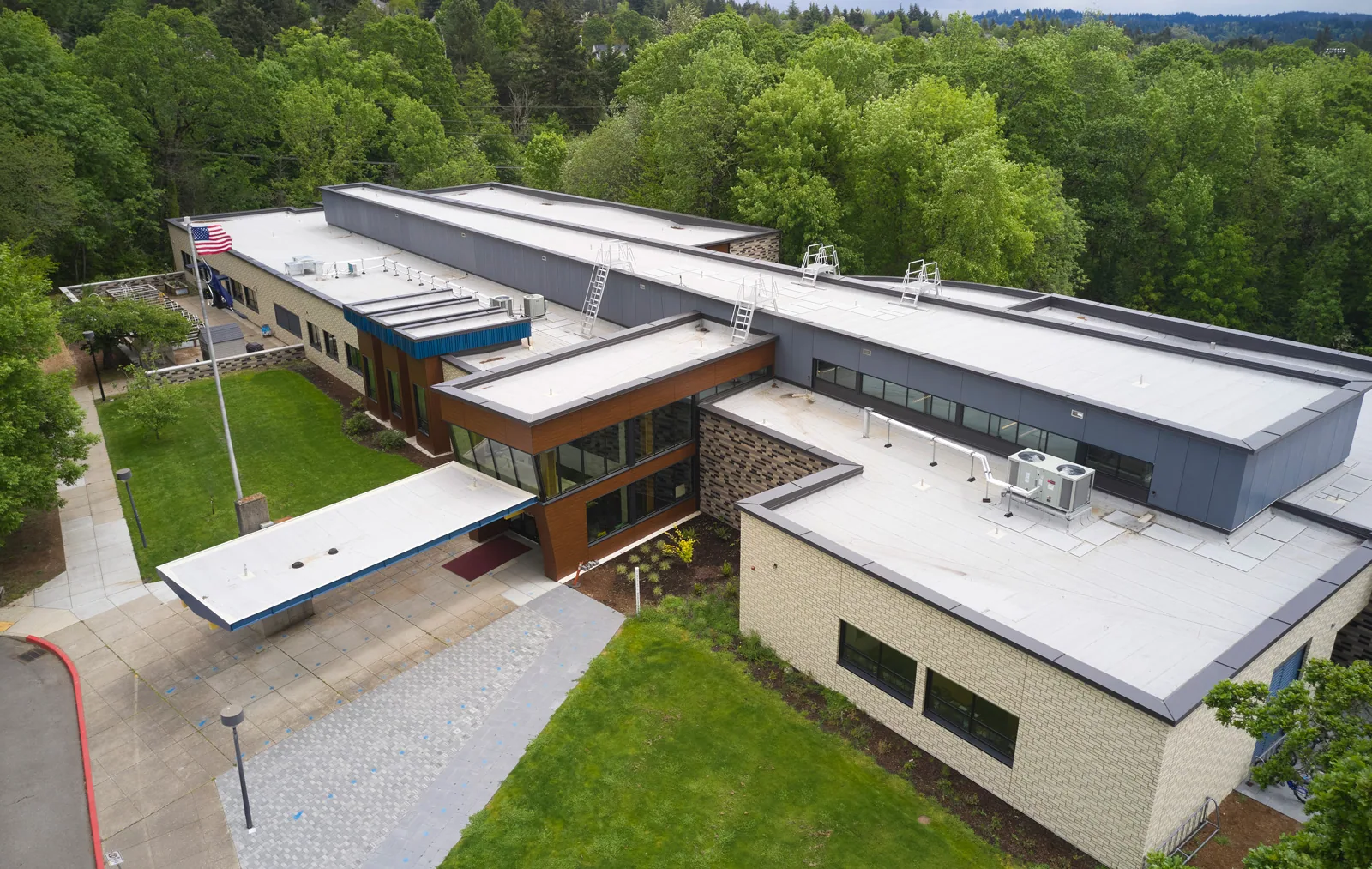
KEE is a PVC-based membrane modified with a ketone ethylene ester alloy. The installed sheet still needs identification from records or close inspection. We check markings, thickness, reinforcement, seam details, and earlier repair materials. If those clues do not settle compatibility, product documentation guides the choice; bonding to the wrong surface can fail at the edge despite a clean-looking field.
We probe heat-welded seams at sheet joints and turns, looking for open laps, contamination, wrinkles, or stress near fasteners and corners. On a roof with layered repairs, a test weld can show whether the surface is ready for new work. The finding names the location and condition so the owner can compare it with the roof plan.
At Tanasbourne and AmberGlen, we confirm the building's roof access, equipment clearances, and staging sequence with the property contact. Curb and support repairs can be priced apart from a field seam when that transition is the entry point for water.
Make the patch meet stable material
A KEE patch needs an approved compatible material, a clean surface, and enough sound membrane beyond the damaged area. We remove loose material to a clear boundary, prepare the sheet, and weld the patch under the required conditions. The finished seam is checked while it is accessible. If the membrane has softened, cracked, or pulled away at several transitions, the scope should address that larger pattern instead of adding another isolated cover.
Water can move below the field sheet and appear indoors at a different point. We inspect the nearest drain, curb, wall, and change in slope before cutting a repair. If insulation is wet, we map the extent and use a moisture survey or selective opening to confirm what needs removal. A moisture survey helps target that investigation, while the repair boundary remains based on confirmed conditions.
Freezing nights can change access and surface preparation. A typical Hillsboro year includes around 64 overnight lows at or below freezing. We check actual temperatures and surface moisture before scheduling welding or adhesive work.
Check edge attachment and transitions
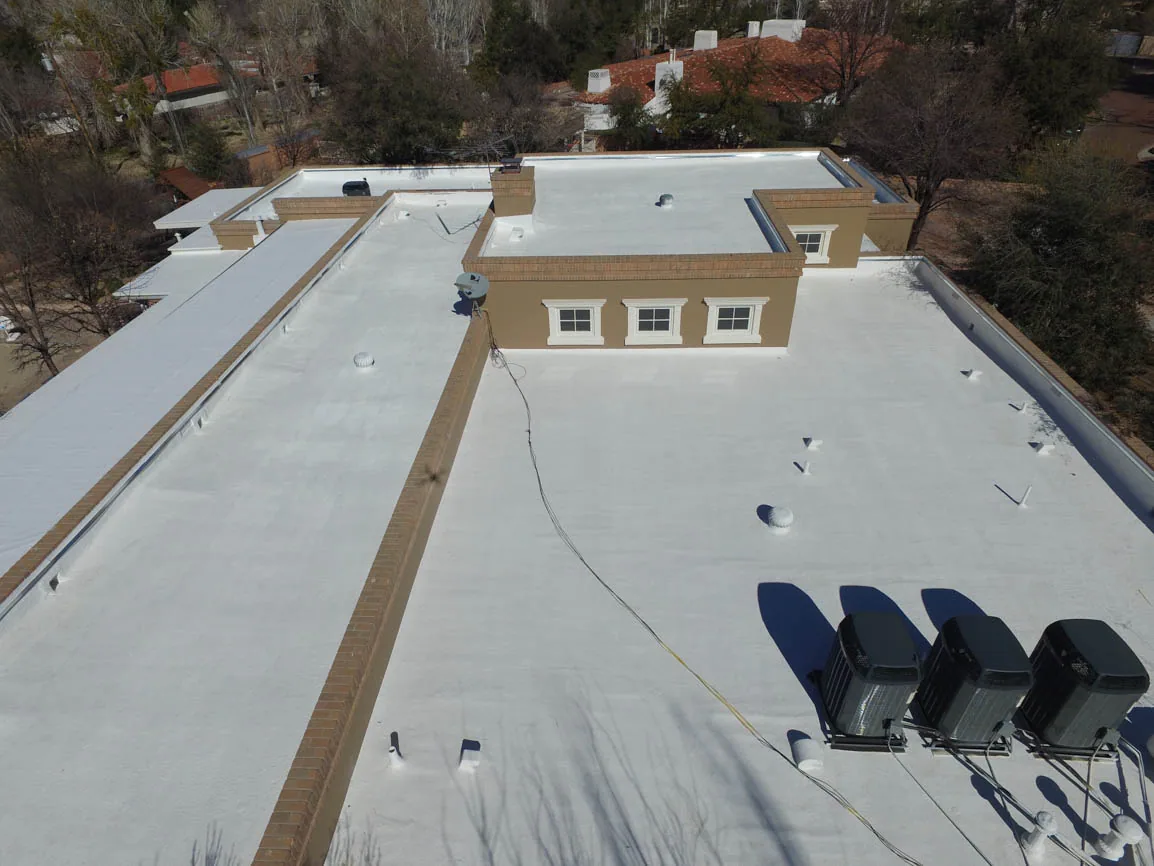
The perimeter is part of the membrane assembly. We inspect edge metal, fastening, terminations, and corners for movement that could place stress on the field sheet. A secure weld at the middle of the roof cannot compensate for an edge that has loosened or a parapet detail that has opened. The report shows where the assembly remains intact and where metal or membrane work needs a separate scope.
If the roof includes different membranes, transitions require compatible flashing and a clear separation between assemblies. We check which sheet is present on each side, how the termination is secured, and whether prior sealant is hiding an opening. PVC roofing and TPO systems use distinct materials and repair procedures, so we identify them before tying one roof zone into another.
Drainage also affects the repair detail. We clear the drain bowl enough to inspect the clamping ring and membrane turn-in, then trace any water that remains near the outlet. A drain service can restore the outlet while the membrane scope addresses a separate seam or flashing condition. Keeping those items distinct makes the work and price easier to review.
Compare a repair with a wider membrane scope
Localized damage on flexible, dry KEE can often be repaired. A wider replacement becomes more appropriate when seams fail across multiple sections, the sheet has lost flexibility, or moisture is present below a broad area. We compare the repair boundary with the number of affected details, existing roof layers, deck condition, and available edge height. If the assembly can support a recover, we explain how curbs and drains change; if it cannot, the tear-off scope shows what must be removed.
A property manager may need to keep offices, production, or shipping active while roof work proceeds. Downtown Hillsboro is western Washington County’s regional center. Public-facing doors and scheduled activity can affect roof access there. We agree on delivery points, lift locations, protected walkways, and any equipment restrictions with the site contact. Occupied-building roofing uses that information to set a work sequence around the actual building.
Price is affected by the membrane area, wet insulation, edge metal, number of penetrations, repair access, and how quickly a temporary tie-in can be closed. We mark quantities and identify any concealed layer that needs a test opening before final pricing. The owner receives separate options when repair, recover, and replacement are all viable. Each scope states the preparation and closeout work needed for that assembly.
Keep the alloy membrane record useful
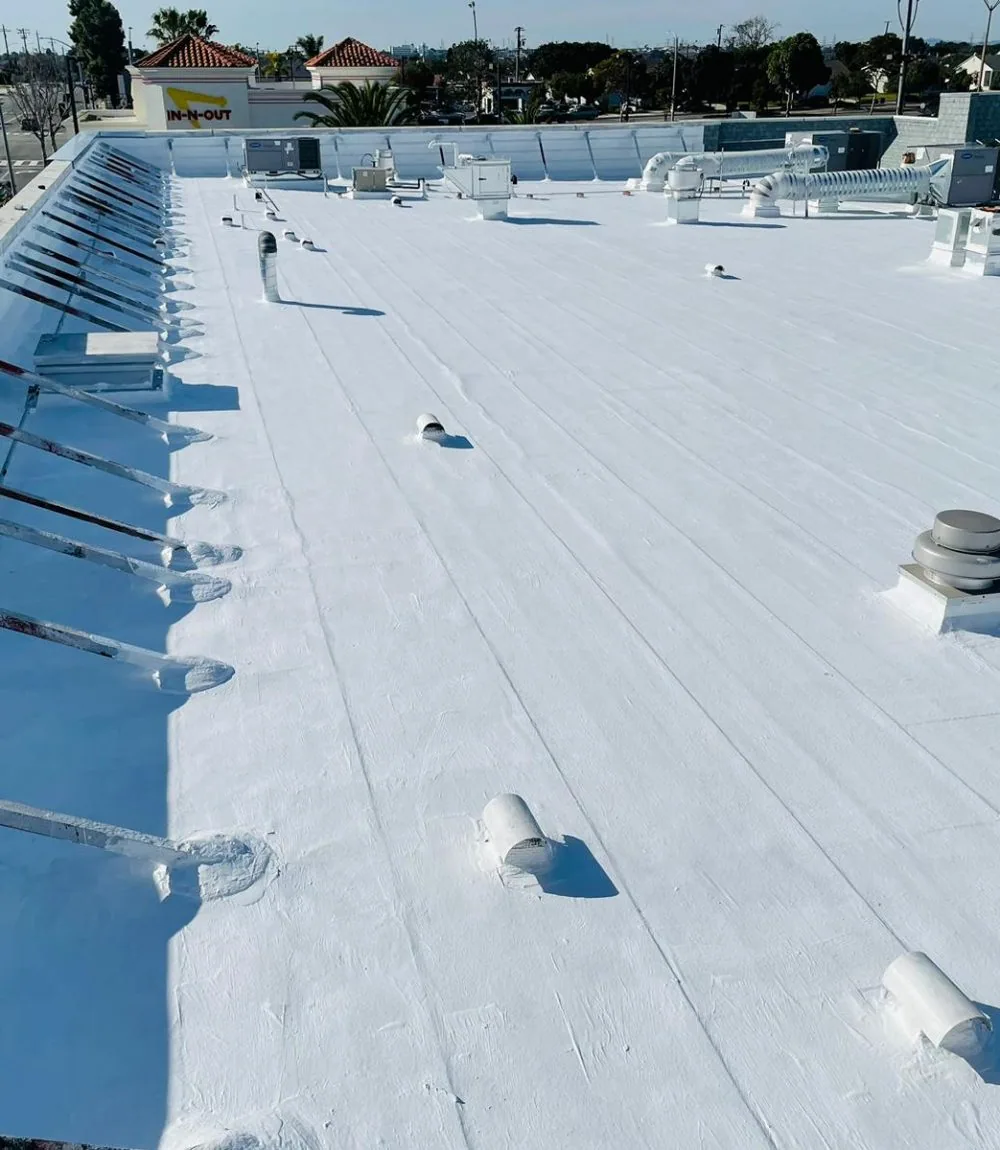
After a repair, record the product used, seam location, patch boundary, and any moisture area that remains under observation. A maintenance visit can return to those points, clear drains, and check nearby transitions. That record helps a future inspector distinguish the original KEE sheet from a later patch or adjacent PVC zone.
Arrange a roof walk when a KEE seam lifts, a patch edge moves, or a leak returns. We will identify the installed assembly, test the repair area, and price the work supported by the findings rather than assuming the full roof needs replacement.
Questions About KEE Roofing
How is KEE different from standard PVC?
KEE is a PVC-based membrane modified with an alloy, but the installed product and its repair requirements still need identification. We check available records and field markings, then verify material compatibility before choosing a compatible patch or weld procedure.
Can a KEE membrane be patched after a tear?
A patch is suitable when it can extend onto clean, sound sheet and the substrate beneath it is dry. We inspect the tear, nearby seams, and insulation before setting its boundary. If the damage connects to a failing lap or wet area, that condition belongs in the scope too.
What does a test weld tell you?
It shows whether the prepared surface and proposed material can form a consistent bond under the selected conditions. We use the result alongside sheet condition and product documentation. A good test does not replace checking the completed seam or confirming that the surrounding membrane remains sound.
Does Hillsboro heat affect KEE roof work?
Hillsboro averages about 17 days per year with highs above 90°F, so we check actual surface temperature and membrane condition during inspection and repair. The actual roof reading and product requirements guide timing. Heat alone does not establish that a sheet has failed or needs replacement.
When should a KEE roof be replaced instead of repaired?
We compare the number and spread of failures, moisture below the sheet, edge condition, and whether seams can still be rebuilt. A localized defect may support a patch, while widespread loss of flexibility or wet insulation may require a larger scope. The inspection gives the owner both options when the evidence allows it.
Review the KEE assembly on the roof
Book a Hillsboro roof walk for seam, edge, and insulation findings, then receive a repair or replacement scope matched to the identified membrane.