
Rooftop Equipment Curbs and Supports in Hillsboro, OR
Repair Hillsboro rooftop curbs, pipe supports, and equipment flashing. We trace water paths, check attachment, and scope details around operating buildings.
Rooftop Equipment Curbs and Supports
A curb can look dry from above while water follows a fastener or membrane corner into the roof assembly. In Hillsboro, OR, we inspect the equipment base, flashing height, seams, and nearby drainage before deciding whether to reset, repair, or replace a detail. Around process and distribution buildings, equipment access can be as important as the membrane repair. We mark the walk path, note active units, and tie the scope to the actual roof inspection findings.
Process and distribution buildings can have dense rows of units, conduit, pipe, and support frames. We identify each item on the property we inspect and record the condition that controls the repair, along with service clearances and any operating window the owner needs preserved.
Related Roofing Pages
More pages on commercial roofing in Hillsboro:
Trace the water path at each curb
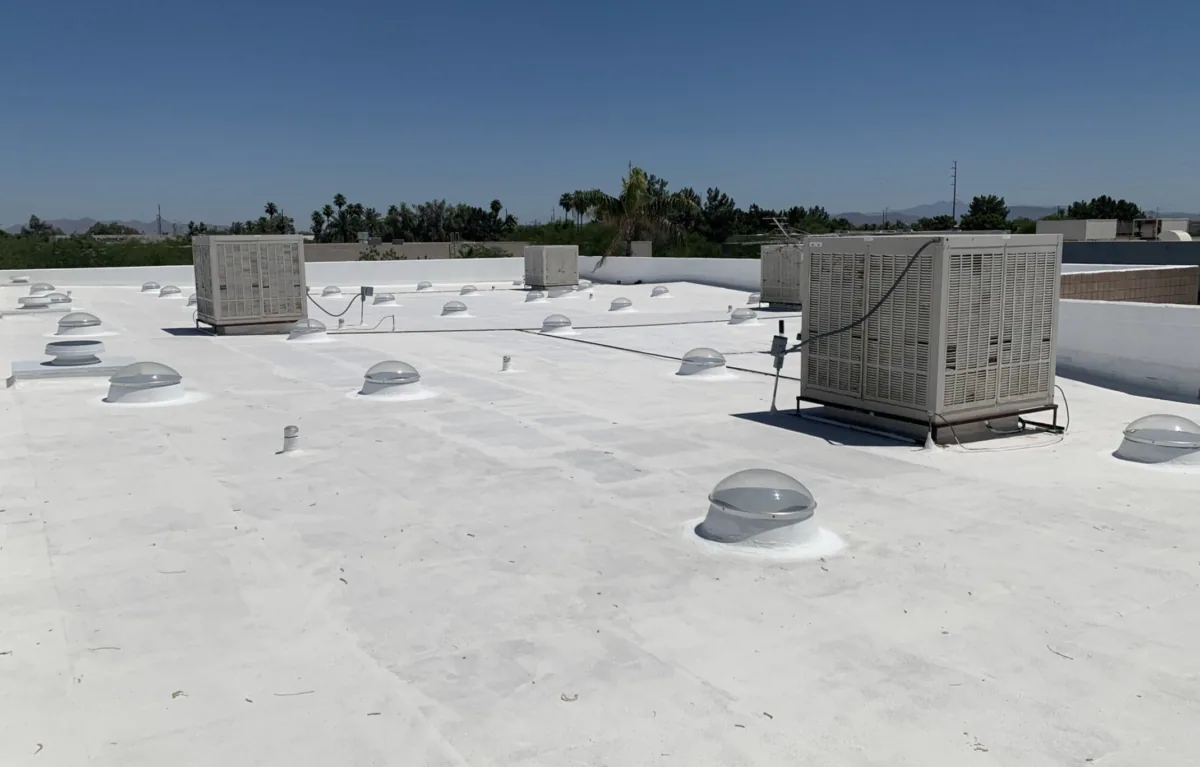
We start at the curb corners, where flashing turns from the roof field up the equipment base. Open laps, fishmouths, cracked sealant, or a low flashing height can let water pass behind the visible edge. We check the membrane for movement, look for cuts around conduit, and follow stains or damp insulation toward the roof opening. A flashing repair should meet sound material on each side of the defect, not stop at the first dry-looking surface.
Water may travel before it appears indoors. A stain below a unit can come from a curb, a nearby seam, a drain bowl, or a pipe penetration farther upslope. We compare the interior report with roof elevations and wetness readings, then make an opening only when the findings call for it. On a long equipment row, we mark units separately so one failed corner does not become a vague allowance for every curb on the building.
Hillsboro's wet season brings repeated rainfall from fall into winter. That makes drain paths and curb corners worth checking together, especially where debris slows flow around a crowded equipment area. Near Downtown Hillsboro or Tanasbourne and AmberGlen, the roof geometry and equipment layout still have to be read at the property. A drain and scupper check can clarify whether water is collecting at the curb or backing up from the roof's drainage plane.
Check the support below the flashing
Flashing cannot stabilize a loose curb. We inspect visible fasteners, curb seams, framing, and the material supporting each unit. Vibration can work at a connection over time, while service work can leave a cover or flashing corner disturbed. We note whether the unit shifts, whether the curb remains square, and whether the support transfers load to the structure. If the base is damaged, we separate that work from the membrane tie-in and identify which trade needs to resolve it.
Pipe supports deserve the same close look. A pipe resting directly on a membrane can abrade the field as it moves, while a small support with a hard edge can concentrate pressure. We inspect the contact surface, height, restraint, and spacing, then consider whether the support needs a protective pad or a different load path. Hillsboro’s daily minimum is freezing or lower on approximately 64 days annually. At each support, we inspect retained water and exposed flashing, then record movement and substrate condition before selecting the repair detail. A cover board or insulation review shows whether the layer under a curb has moved. Water at a corner or fastener can expand as it freezes, stressing sealant and sheet transitions. We look for a split at the termination, not just surface cracking. The chosen repair has to accommodate movement while keeping the membrane, curb, and compatible flashing materials connected.
Match the correction to the assembly
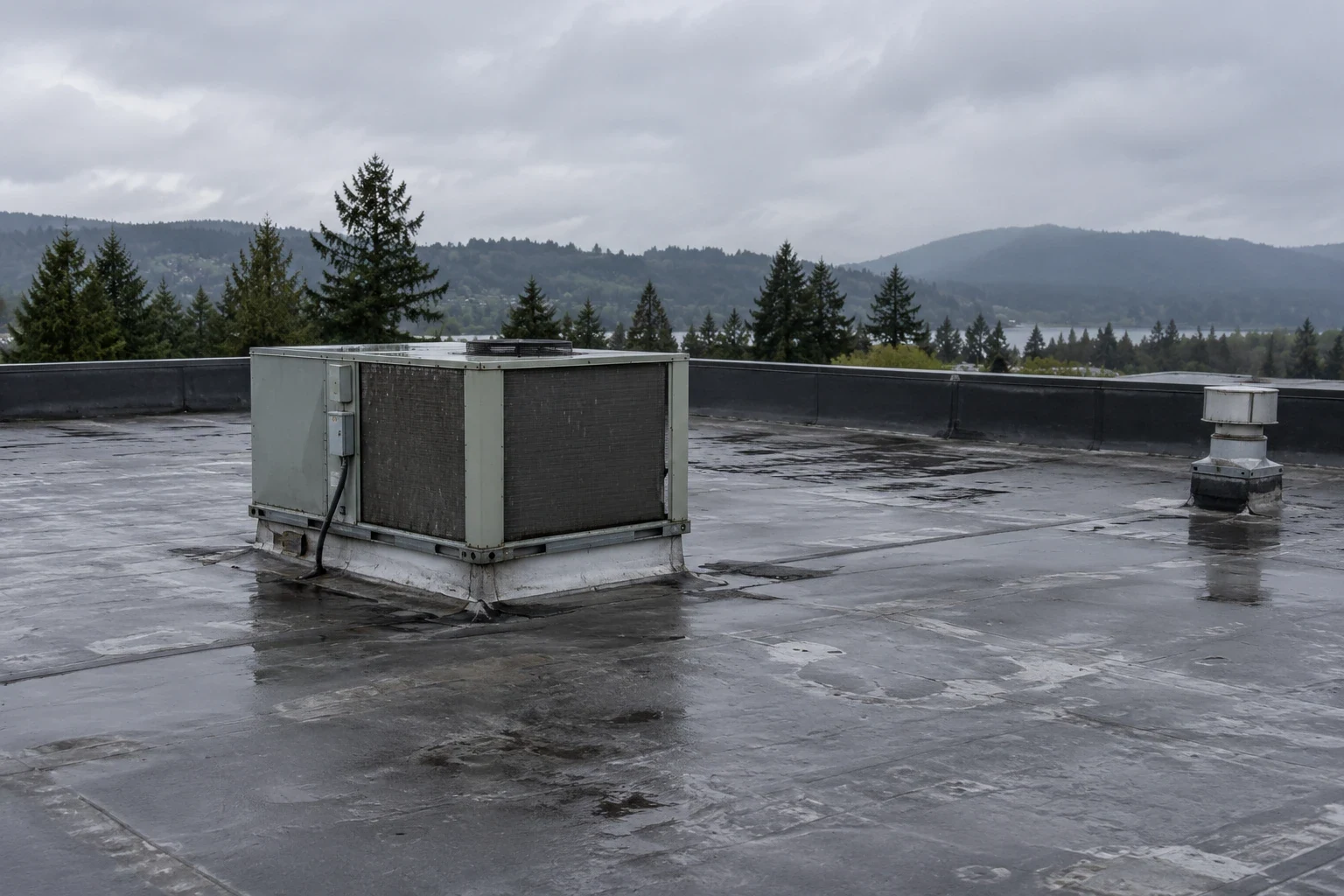
A small separation may need compatible patch material, reinforced corners, or a corrected termination. If flashing is loose around the full curb, we may remove enough material to expose sound membrane and rebuild the tie-in. A corroded or unstable curb can require metal work before roofing proceeds. We lay out the choices by unit and distinguish confirmed membrane work from support or equipment changes outside the roofing scope.
System type matters at the transition. TPO and PVC use heat-welded seams, while EPDM relies on its compatible seam and flashing components. A coating cannot make a loose curb stable, and a patch over wet insulation leaves the underlying issue in place. For membrane details, we compare the existing assembly with TPO repair methods or an appropriate PVC flashing detail before specifying material.
Where metal panels meet a curb, the roof can move differently from the unit base. We inspect panel ribs, closures, and trim rather than bridging the joint with a flexible bead alone. A standing-seam review can identify whether a curb transition needs a curb-specific flashing assembly that preserves panel movement and water shedding.
Plan access before opening a detail
We coordinate equipment shutdowns, service clearances, loading routes, and fall protection with the building contact before the crew starts. The roof plan identifies active units and the equipment that cannot be blocked. At a process facility, a technician may need access during the same work window, so we agree on a sequence that leaves a usable path and a protected stopping point.
For each curb, the crew removes only the material needed to reach a sound repair boundary. We protect the opening, inspect the exposed layers, make the specified substrate or flashing correction, and close the assembly before moving to the next unit. If concealed moisture or a damaged support changes the scope, we photograph it and pause for direction. A marked condition report keeps that decision tied to a specific curb and roof zone.
Weather sets the pace. Hillsboro's recurring rain can interrupt preparation or welding, and a partly opened detail needs a secure temporary close. We stage materials so drains remain clear and equipment intakes stay protected. When repair cannot be completed safely in the available window, we leave a documented temporary condition and schedule the permanent tie-in for suitable weather.
Separate roofing scope from equipment work
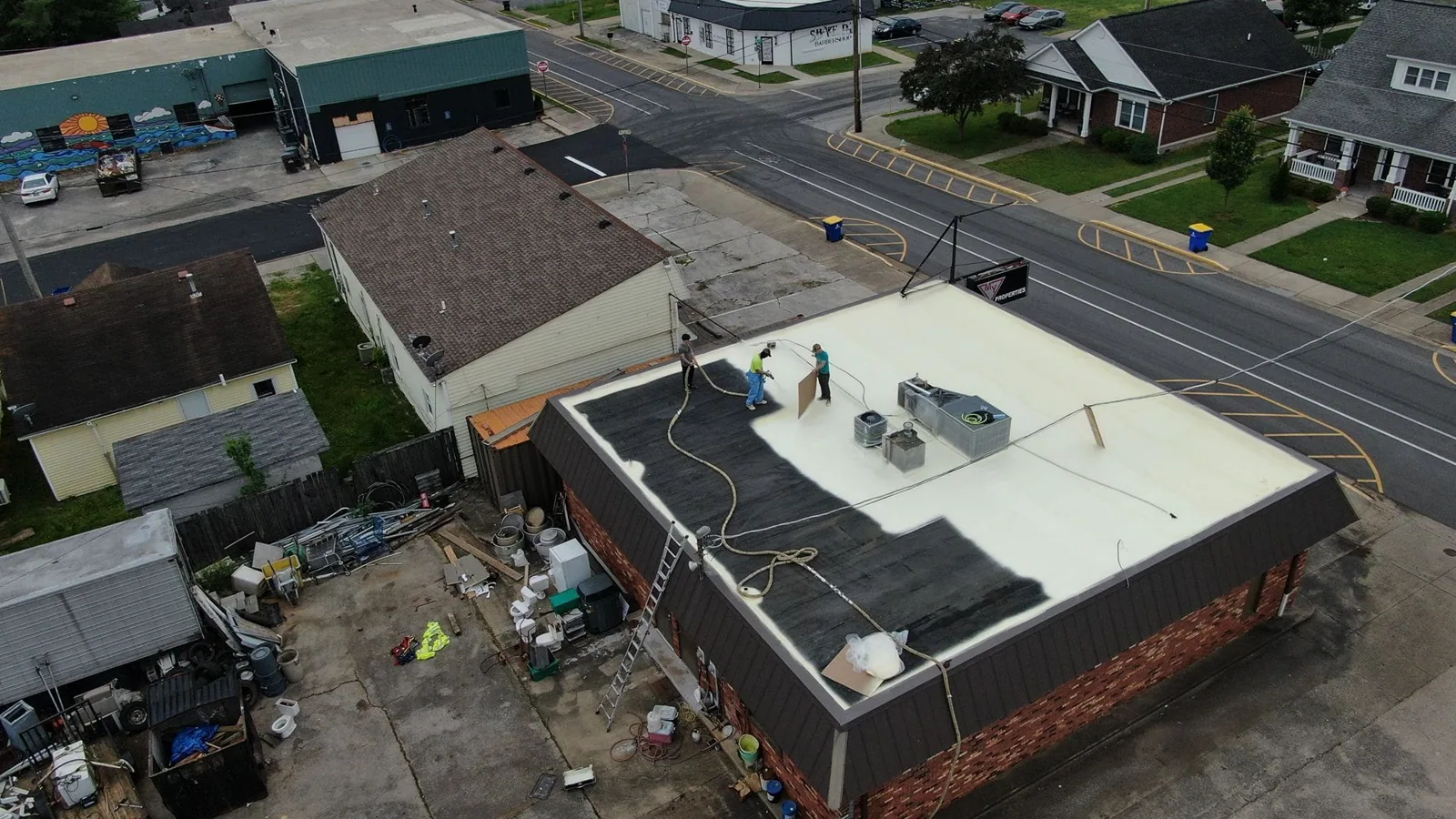
Price changes with curb count, flashing height, membrane type, access, lift needs, insulation condition, metal fabrication, and the distance between work areas. A high curb with multiple conduits takes more detail work than a clear rectangular base. We itemize units and show where testing, removal, or support correction remains conditional, so an owner can compare an immediate repair with a broader replacement scope.
Equipment age and roof age do not always line up. A recent unit may sit on a curb with older flashing, or a new roof may have to tie into equipment that remains in service. We record both conditions and identify whether the roof work can proceed without disturbing the unit. If controls, refrigeration lines, or electrical connections need movement, we coordinate that trade separately rather than pricing an assumption into the membrane work.
Orenco Station's mixed-use setting and the commercial properties along Tualatin Valley Highway can have different loading and service patterns. We verify each building's rules for delivery, equipment access, and roof walk paths before the crew mobilizes. Our Orenco Station service-area work is scheduled around each building's actual operating requirements.
Questions About Rooftop Equipment Curbs and Supports
Can a curb leak even when the rooftop unit is working normally?
Yes. Equipment operation and roof flashing are separate conditions. We inspect the curb corners and membrane tie-in, then trace moisture before changing a detail that may still be sound.
What do you do when a pipe support is pressing into the membrane?
We check the contact point, movement, and load path, then specify a protective support or pad that suits the assembly. We repair any abrasion back to sound material.
Does the HVAC contractor need to lift the unit?
Only when the detail cannot be rebuilt with the unit in place. We inspect curb height and clearance first, then coordinate a lift with the equipment trade if access to the base requires it.
How do you handle several curbs on one roof?
Each unit gets a location and condition on the roof plan. We group similar repairs for scheduling but keep distinct defects, wet areas, and equipment conflicts visible in the scope.
Can the building keep operating during the repair?
Usually, with access windows, protected equipment, and a clear service path. We coordinate each work area with the property contact and leave an unfinished detail securely closed.
Review rooftop details before they spread
Arrange a roof walk and share the unit list, leak locations, and service restrictions. We will mark each curb and support, trace the water path, and provide repair options for the assembly we find.