
Standing Seam Metal Roofing in Hillsboro, OR
Standing seam metal in Hillsboro, OR needs secure clips, sound flashing, and clear runoff. We inspect panels and scope repairs to the assembly.
Standing Seam Metal Roofing
A standing seam panel can shed water while a clip or flashing detail still moves beneath it. In Hillsboro, OR, we inspect panel seams, fasteners, edge metal, and penetrations before choosing a repair. Downtown Hillsboro is a regional center with civic and commercial activity. Before metal-roof work there, we identify the material-lift area and any public entrance requiring ground protection. A roof inspection records the panel profile and the seam, clip, or flashing condition that changes the scope. Tanasbourne and AmberGlen are also designated as a regional center. These commercial areas combine active buildings with transit and public routes, so lift placement and ground protection belong in the work plan. We coordinate access and operating schedules with the property contact while keeping the metal details in view.
Hillsboro normals record roughly 36 inches of annual precipitation, with October through January the wettest period. Metal panels move as temperatures change, and water still needs a continuous route from ridge or high point to the eave and gutter. We check laps, valleys, penetrations, and discharge points together instead of treating the panel field as the whole roof.
Related Roofing Pages
More pages on commercial roofing in Hillsboro:
Read the panel and clip pattern
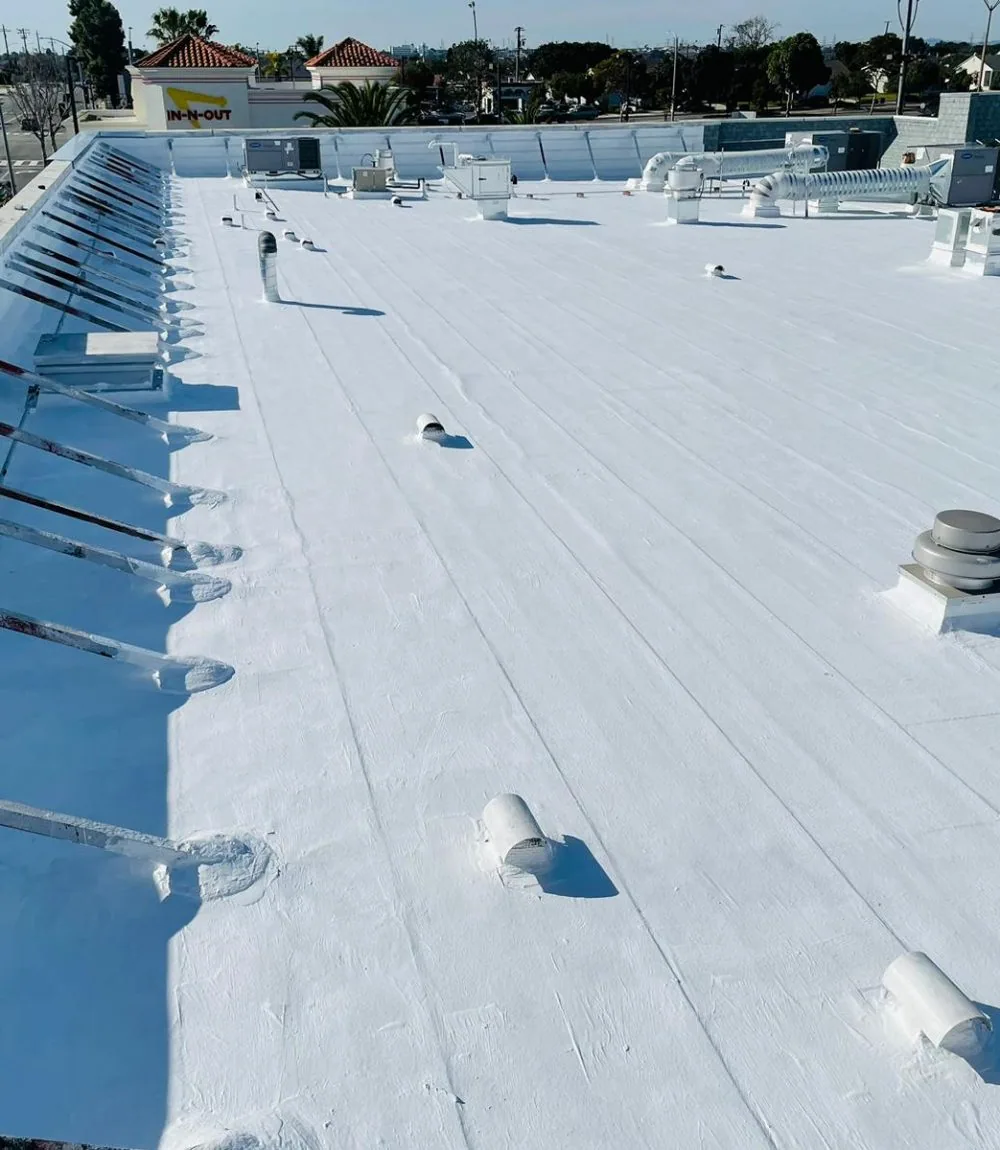
Standing seam panels join at raised vertical seams, with concealed clips allowing movement along the roof. The profile, panel length, clip type, and substrate determine how the assembly responds to temperature and wind. We inspect for a seam that has opened, a clip that has backed out, or a panel that has shifted. A loose fastener or surface dent alone does not establish a leak, so we trace the condition to its termination.
At the eave and ridge, closures, flashing, and edge metal have to work with the panel profile. We check corners, transitions to walls, and penetrations where the raised seam is interrupted. A roof edge and gutter inspection can identify movement or drainage problems beyond the field panel. If water appears indoors, we compare the stain location with the likely path along the roof rather than assuming the nearest seam is the entry.
Where a panel meets a curb or pipe, the detail needs to accommodate both the panel ribs and the opening. We look for sealant failure, loose counterflashing, and signs that a previous repair restricted movement. Flashing repair may be the proper scope when the seam remains sound but the penetration is open.
Separate movement from corrosion
Metal can move within its clip system without a defect. We compare panel alignment, seam engagement, and fastener locations before deciding whether adjustment or replacement is needed. Scratches and worn coatings should be documented, while corrosion deserves a closer look at the source, extent, and remaining thickness. The report identifies the panel zone and any moisture entry rather than calling every surface mark a roof failure.
Recurring rain can expose a small opening at a valley or termination. From October through January, Hillsboro has its largest normal monthly precipitation totals. A metal-roof inspection checks whether the valley, gutter, and eave can discharge runoff before an opening is attributed to a seam. We clear the inspection area and observe the outlet, downspout, and splash path. If the water path points to a blocked gutter rather than a roof seam, the scope can keep that work separate.
The regional-center model connects compact employment and housing with high-quality transit; Downtown Hillsboro has that designation. For a commercial building there, we coordinate lift setup and any sidewalk or entrance protection with site management. We keep the roof inspection focused on panel movement, fasteners, and the details that can admit water.
Repair the seam without locking the panel
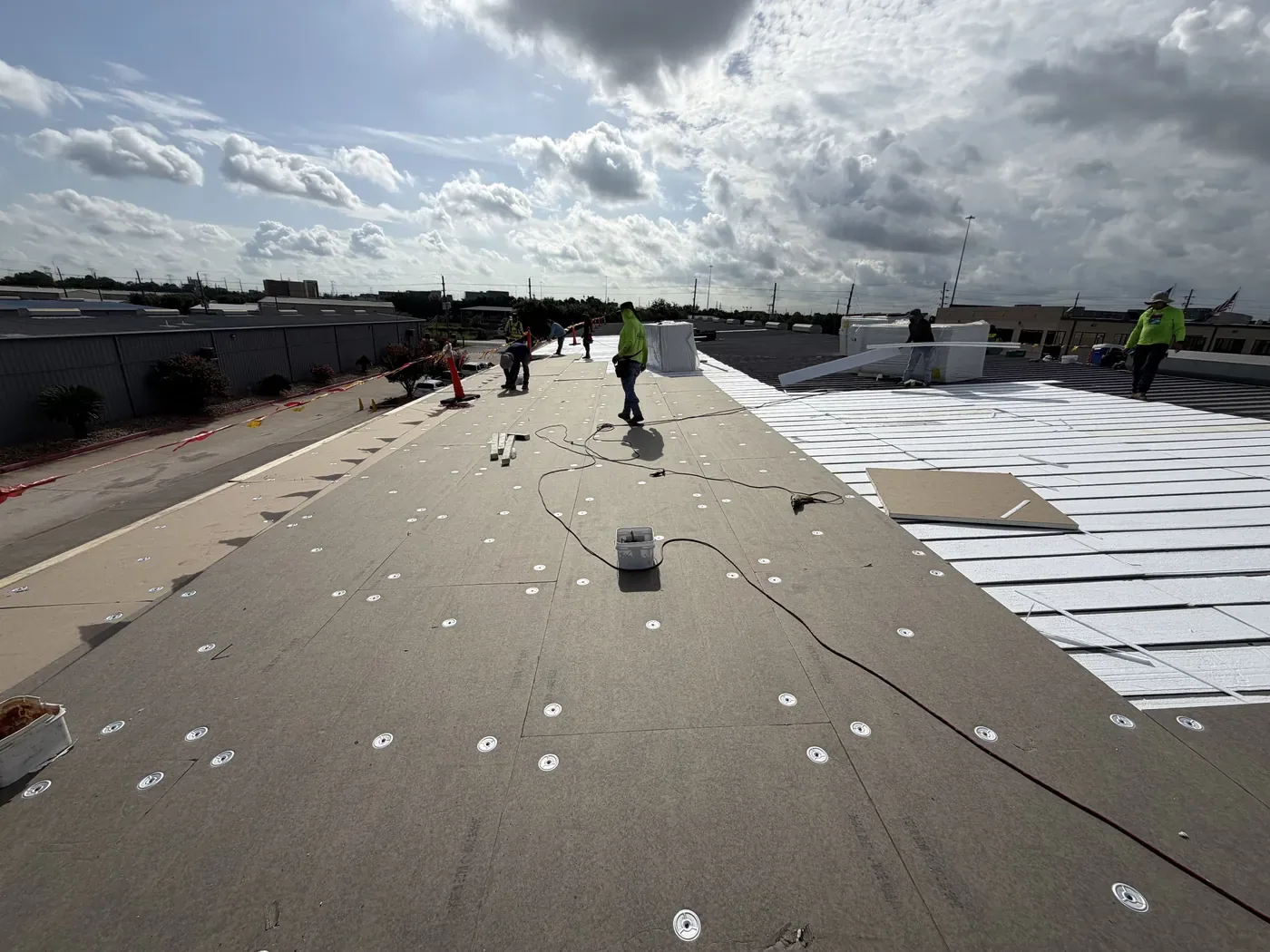
A repair must preserve the metal system’s ability to move. We select compatible closures, sealants, or replacement parts for the profile and detail, and avoid fastening a repair in a way that binds the panel. At a seam, the work may require resetting the joint or replacing a short section. At an eave, the correction could involve the closure, drip edge, or gutter rather than the panel itself.
Before coating or painting, we inspect for corrosion, failed fasteners, and open seams. A coating can renew a prepared surface but cannot correct a loose clip or rebuild a failed penetration detail. A metal roof retrofit may suit a broader exposed-fastener roof, while standing seam work generally focuses on its concealed attachment and raised joints. Tanasbourne and AmberGlen’s regional-center designation serves western Washington County. At a property there, we mark the lift and material route before removing a closure or opening a panel transition. A building’s loading and access rules still govern the crew’s schedule. We set a delivery point, lift route, and protected area with the property contact, then work through the roof zones without blocking essential operations. If wet weather interrupts an exposed repair, we install a secure temporary closeout before leaving.
Check the deck before changing systems
Replacement may be appropriate when seams are repeatedly opening, panels are corroded through, or the substrate and attachment no longer provide a sound assembly. We inspect the deck and support layout before considering a new metal roof. Existing insulation, vapor control, and condensation risk also matter. A roof with isolated damaged panels may need only a measured repair, while widespread failure can warrant a new assembly.
Owners may compare standing seam with TPO roofing or built-up roofing where slope, drainage, and building use allow. Those systems use different seams and transitions. We review equipment curbs, edge heights, interior conditions, and access needs, then show the assembly and detail work that changes with each option.
Price depends on panel quantity, deck repairs, insulation, perimeter details, penetrations, equipment access, and disposal or staging. If a building remains occupied, we schedule work by zone and protect entries below. Occupied-building roofing helps coordinate that sequence. The written proposal lists the areas included and any condition that must be confirmed before materials are ordered.
Keep water off the panel terminations
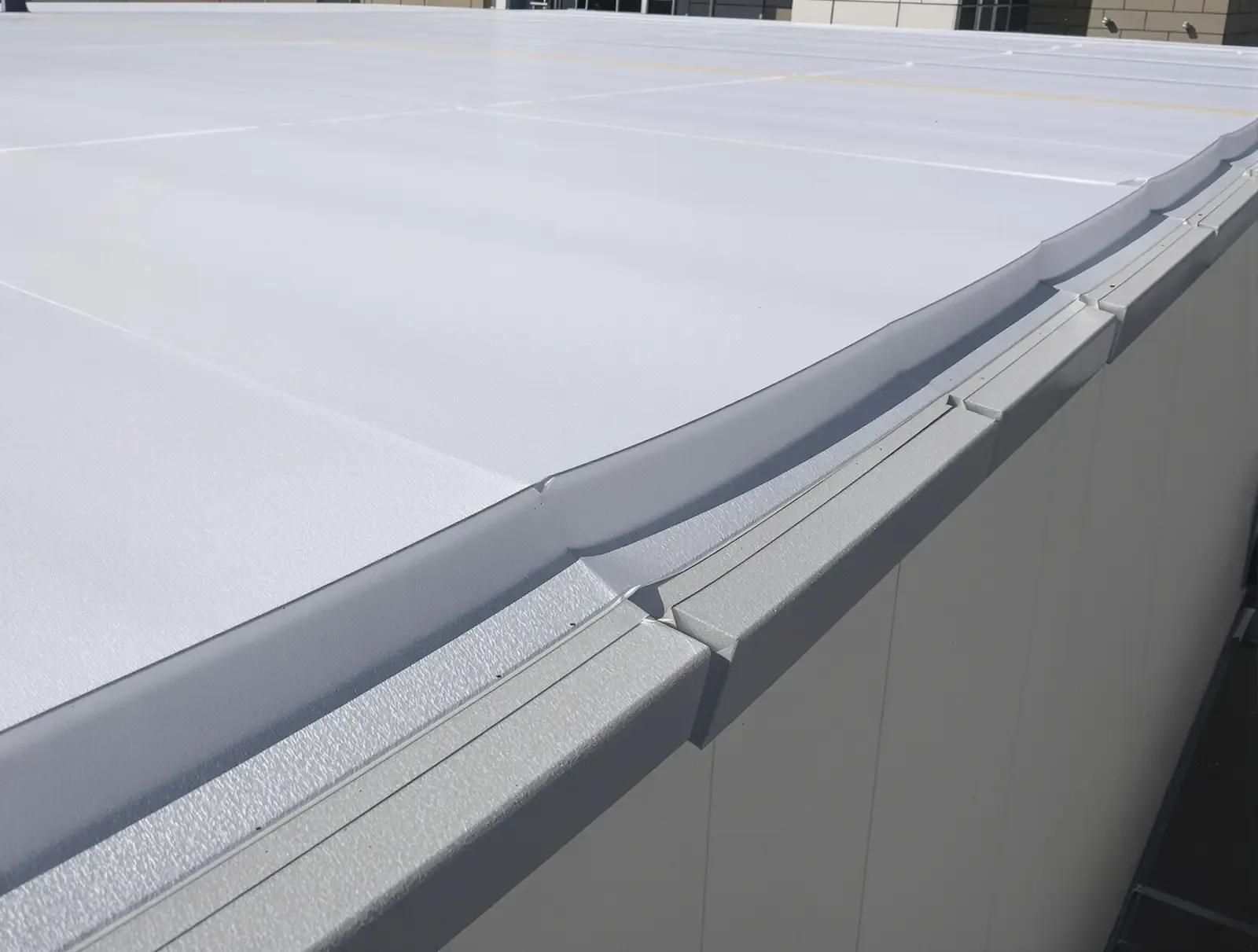
Routine roof walks should check seams, clips, fasteners, valleys, gutters, and penetrations without forcing a panel joint. We document any area that has moved or been repaired and revisit it after the next wet period. A maintenance program can include clearing drainage paths and checking the edge details that carry water away.
For a multi-zone roof, our condition report maps the panel profile and repair locations so a future crew can use compatible parts. We can schedule a Downtown Hillsboro roof walk around the property’s access and transit-facing entrances.
Arrange an inspection when a seam lifts, a gutter overflows, or a penetration begins to leak. We will mark the panel condition, trace the water route, and scope repairs that preserve the movement the standing seam system needs.
Questions About Standing Seam Metal Roofing
Can a standing seam roof be repaired without replacing panels?
Yes, when the panel and clip system remain sound and the failure is limited to a detail. We identify the profile, inspect the joint, and repair the affected seam, flashing, or gutter. If corrosion or movement extends across several panels, we price that wider work separately.
Why can a metal roof leak at a curb?
The panel field may be intact while the curb flashing, closure, or sealant has opened. We inspect how the raised seams meet the curb and whether an earlier repair restricted movement. The scope rebuilds the transition with parts suited to the profile.
Does standing seam metal need to move?
Panels expand and contract, and concealed clips are designed to accommodate that movement. A repair that locks a panel can transfer stress to a seam or fastener. We check clip type and panel condition before selecting a detail or replacing hardware.
How does Hillsboro rain affect standing seam maintenance?
Rain makes clear valleys, gutters, and eave discharge important. We check for debris, backed-up water, and open transitions before the wettest normal months. The inspection also checks seams and penetrations, since drainage and panel details work as one route.
Can a standing seam roof receive a coating?
A coating is considered only after the panel, seams, fasteners, and surface are prepared and the product is compatible. It will not correct a loose clip, failed flashing, or corrosion through the metal. We identify those repairs first and price coating as a separate scope when it fits.
Review the standing seam assembly
Schedule a Hillsboro roof walk for marked panel, clip, flashing, and drainage findings, followed by a repair scope matched to the metal profile.