
Cool Roof Installation in Hillsboro, OR
Plan a reflective commercial roof in Hillsboro, OR. We compare compatible assemblies, insulation, drainage, and installation timing for the building.
Cool Roof Installation
A reflective roof changes the surface temperature, but the assembly below it still decides whether the building performs as intended. For a Hillsboro, OR property, we check the existing membrane, insulation, drainage, and rooftop equipment before comparing cool-roof options. Hillsboro averages about 17 days per year with highs at or above 90°F, while annual precipitation averages 35.93 inches. A reflective finish is only one part of the system we specify.
We document the current layers, note wet or compressed insulation, and map penetrations before recommending a new surface. Hillsboro’s advanced-technology, manufacturing, and distribution properties can have operating schedules that shape access windows. We plan for the roof in front of us, with a scope linked to marked inspection findings rather than a color choice alone.
Related Roofing Pages
More pages on commercial roofing in Hillsboro:
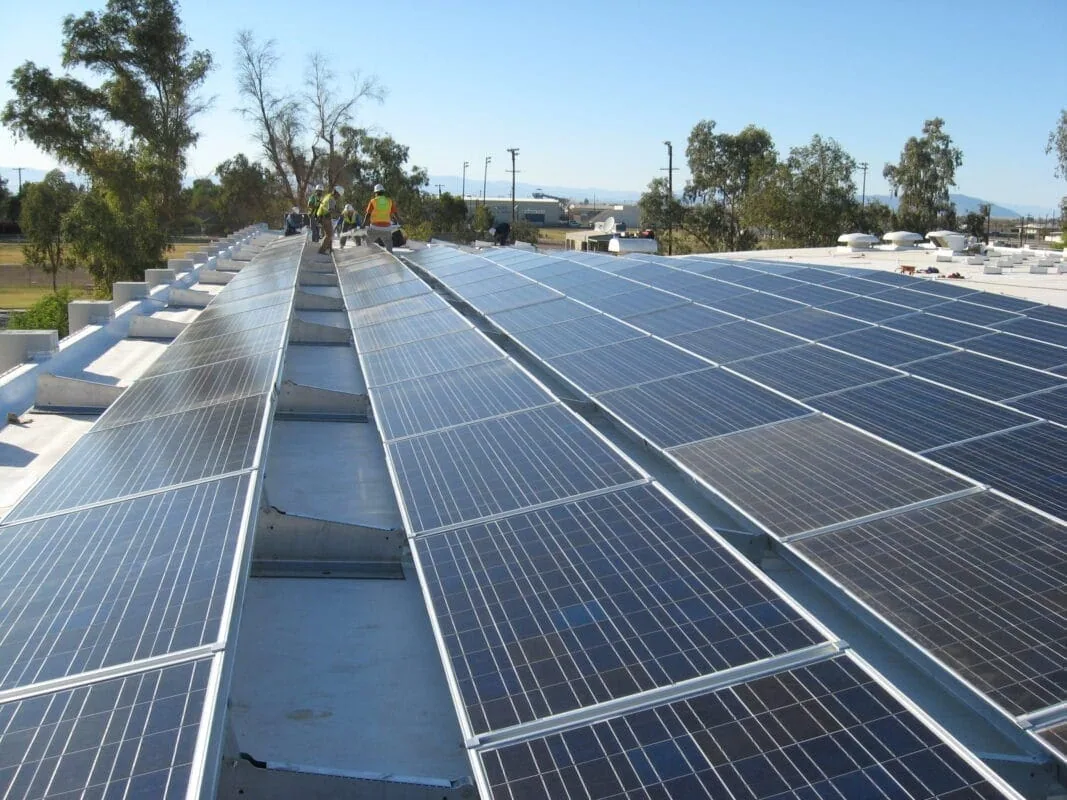
Compare reflectivity with the full assembly
White and other reflective surfaces can absorb less solar heat than darker exposed materials. The useful comparison includes membrane type, insulation, deck condition, air leakage, and the building's mechanical load. We identify the roof system first, then confirm which compatible reflective options meet the project requirements. A light-colored field sheet does not correct wet insulation, open seams, or a low area that holds water.
For a recover project, we inspect attachment, existing layers, and moisture before adding material. If the assembly is not a sound base, a replacement comparison may be the more reliable scope. Where the roof can remain in service, a new TPO membrane or PVC assembly may provide a reflective surface with welded seams, subject to the existing deck and project specification.
Hillsboro's warm days are occasional rather than a reason to ignore drainage. We inspect drain bowls, scuppers, and overflow paths before specifying the field material. A drainage correction may need to precede the new roof so water reaches the outlets instead of remaining in a depression.
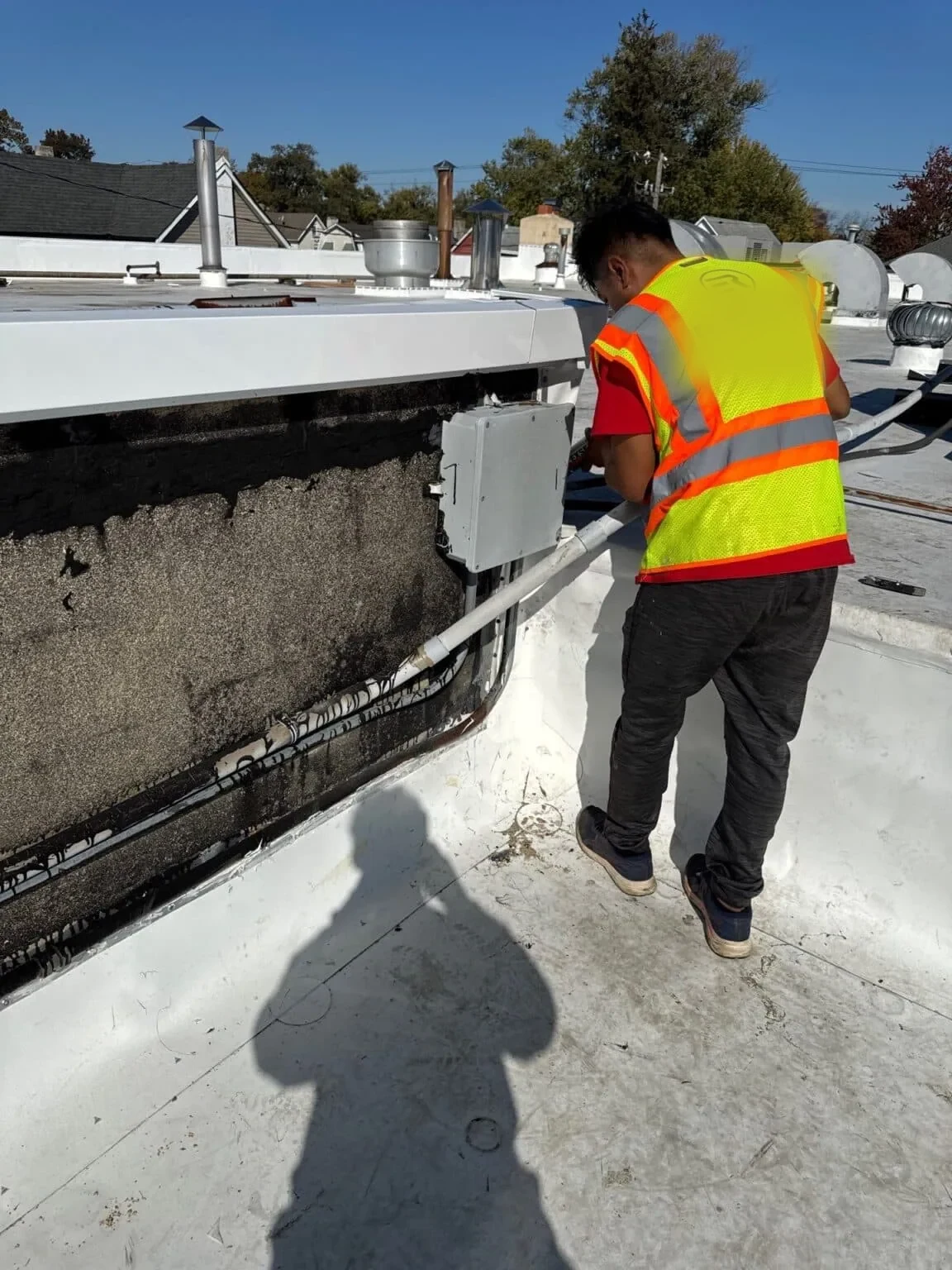
Read heat marks beside moisture findings
We use roof walks, infrared survey when conditions support it, and selective openings to distinguish dry assembly from wet areas. Infrared patterns are interpreted with the roof construction and weather in mind; they are not a substitute for confirming a suspect area. The report marks each reading or opening, the membrane condition, and the insulation that will remain or be removed. Those details determine whether reflective work belongs in a repair, recover, or replacement scope.
Darkened areas can come from dirt, biological growth, ponding, or surface wear. We check seams and drainage before treating discoloration as a performance failure. At an exposed roof, surface condition and heat load may be relevant, but adhesive, fastener, or weld integrity still governs the repair. The owner receives a comparison of what can be retained and what must be corrected to keep water out.
Oregon's 2025 Energy Efficiency Specialty Code, based on ASHRAE 90.1-2022, became mandatory July 1, 2025. We use the project's applicable code requirements and design documents when roofing work affects insulation or assembly performance. The approved assembly and project scope determine the insulation requirements, not the surface color alone.
Choose coating, recover, or replacement
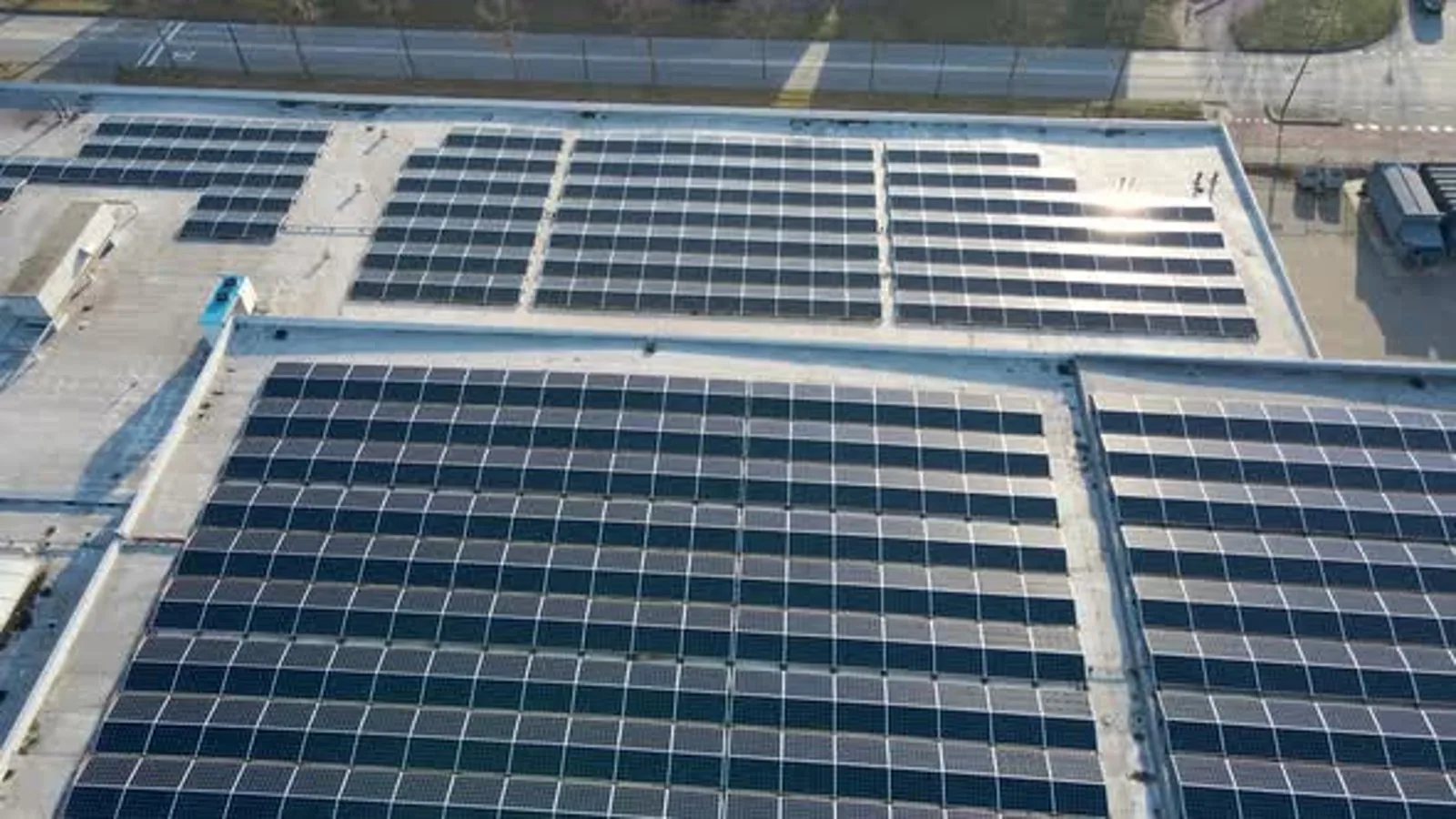
A reflective coating comes into the comparison when the existing roof is dry, stable, and compatible with the selected product. We test adhesion where required, repair the substrate, and rebuild transitions that cannot be buried. Coating is not the right correction for saturated insulation, loose attachment, or a failing deck. Our restoration assessment identifies those conditions before an owner prices a surface treatment.
A recover adds a new roof layer over an existing assembly, subject to code, structural, and moisture limits. Replacement removes the old assembly when concealed conditions or accumulated layers make recover unsuitable. Each option changes tear-off, staging, insulation work, and the number of tie-ins at curbs and edges. We show those differences by roof area, with concealed conditions separated from confirmed quantities.
At a manufacturing or distribution property, equipment density and service requirements can shape a reflective-roof sequence. We confirm cooling equipment, process exhaust, and interior use with the building contact, then mark the work zones and staging areas.
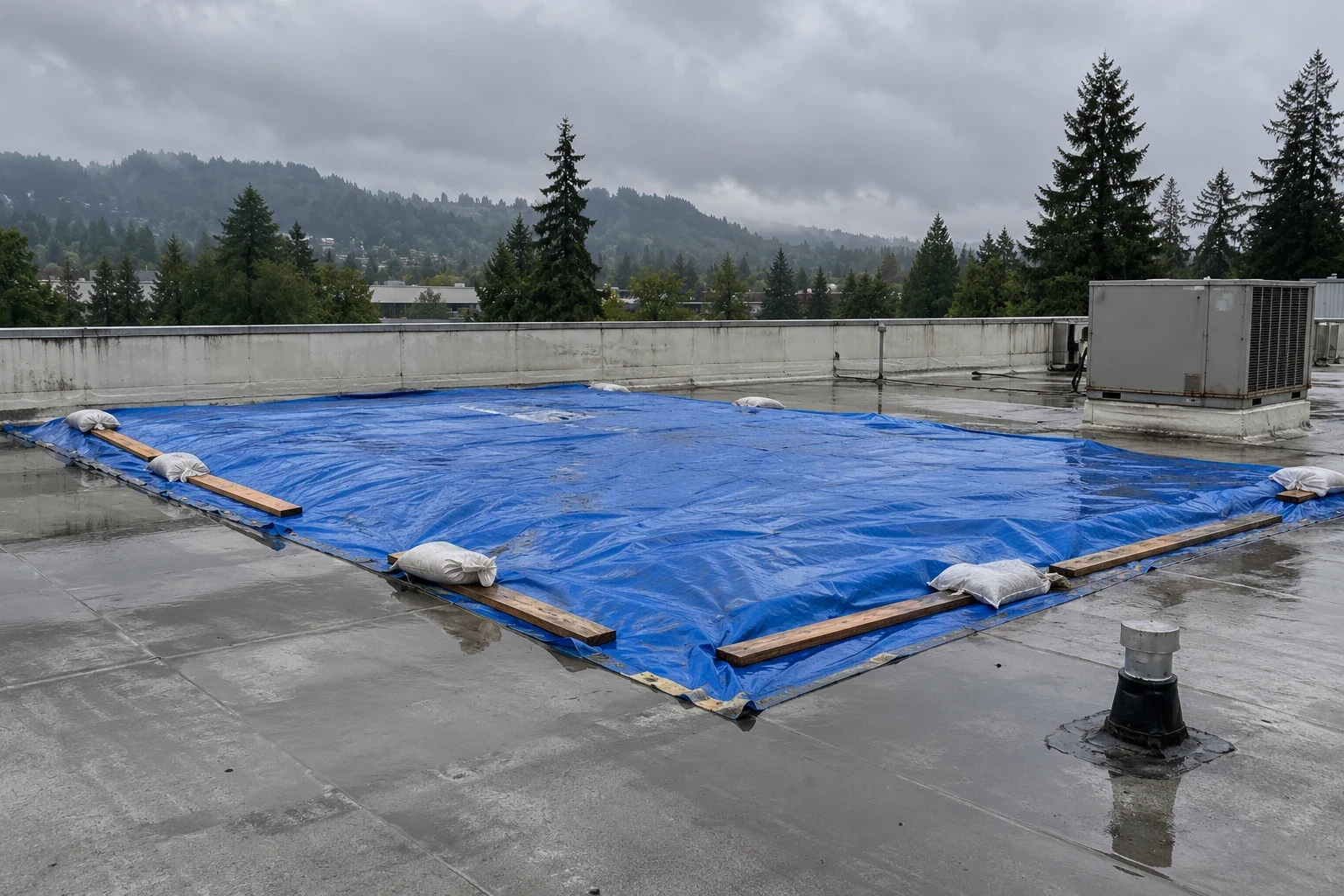
Keep the roof dry during installation
We divide the project into work zones, confirm material delivery and roof loading, and protect drains and equipment before removing or preparing the surface. The crew closes one area before opening another, and every day's edge is secured against rain. Hillsboro's wet months can narrow the application window for adhesives, coatings, and membrane seams. We schedule around the product's temperature and moisture requirements instead of carrying an unfinished field through a forecast change.
Insulation replacement, cover board, and membrane installation are coordinated so the assembly stays flat and properly supported. At curbs, walls, and skylights, we carry the selected system into its flashing detail and inspect the termination before moving on. An occupied production or distribution property may need equipment lanes kept open, so the roof map records the route and staging areas. Our occupied-building sequence can coordinate those constraints with interior operations.
At completion, we walk the roof for open seams, loose terminations, coating holidays, blocked drains, and debris. Photos and closeout notes identify the installed areas and any excluded work. If the scope includes insulation or energy-code changes, the records also describe the assembly installed and the relevant project documents.
Price the conditions that change performance
Cost follows roof area, tear-off, insulation depth, cover board, membrane selection, edge metal, curb count, access, and the amount of wet material found. A recover may reduce removal work but is not automatically appropriate. We separate base quantities from allowances and describe which inspection result would change the scope. This gives the owner a comparison based on the assembly rather than a surface-color upgrade.
Mechanical work can affect schedule and cost when units need shutdowns, protection, or temporary movement. We note clearance, service path, lift access, and the trades that must work beside the roofer. A new reflective surface may reduce absorbed solar heat, but actual building energy use depends on insulation, HVAC, controls, occupancy, and operation. The comparison accounts for insulation, HVAC, controls, occupancy, and operation as well as surface color.
Along the Tualatin Valley Highway corridor and in Orenco Station, commercial buildings sit within a broader Hillsboro access network. Delivery routes, transit-adjacent staging, and active storefronts can influence when materials reach the roof. We verify those logistics with the property contact and include the work windows in the proposal. For regional coordination, our Tualatin Valley Highway roofing service starts with the building's own access plan.
Questions About Cool Roof Installation
Will a reflective roof lower the building's energy use?
It can reduce solar heat absorbed at the roof surface, but whole-building use also depends on insulation, HVAC equipment, controls, and occupancy. We scope the roof assembly and leave savings estimates to project-specific analysis.
Can a light-colored membrane go over the existing roof?
Only when the existing assembly is dry enough, stable, and allowed to receive another layer. We inspect moisture, attachment, and deck conditions before comparing recover with replacement.
Does coating solve a hot roof with ponding water?
No coating corrects a low area by itself. We map drainage, repair the substrate, and determine whether the roof can accept restoration before selecting a coating system.
What should the roof proposal include for a cool-roof project?
It should identify the assembly, insulation work, membrane, flashing, drainage corrections, and any exclusions. We mark those items by roof zone so the installation can be checked against the scope.
Can reflective roofing be installed while production continues?
Often, with agreed access windows and protected equipment. We divide the work into zones, keep drains open, and close each area before weather reaches the unfinished edge.
Compare reflective roof options
Arrange a roof walk and share available assembly records, leak history, and operating restrictions. We will mark moisture and drainage findings, then price options that suit the existing deck and project requirements.