
Versico Commercial Roofing in Hillsboro, OR
Inspect Versico membrane roofs in Hillsboro, OR. We identify TPO, PVC, or EPDM, check seams and drainage, and scope repair or replacement from conditions.
Versico Commercial Roofing
A Versico roof can include TPO, PVC, or EPDM, and the seam detail changes with the membrane. In Hillsboro, OR, we check the product marking, lap, flashing, and insulation before choosing a repair. A failed weld, adhesive seam, or curb transition needs a method that fits the installed assembly. We mark the location, trace where water can move, and separate a confirmed defect from a section that still needs testing.
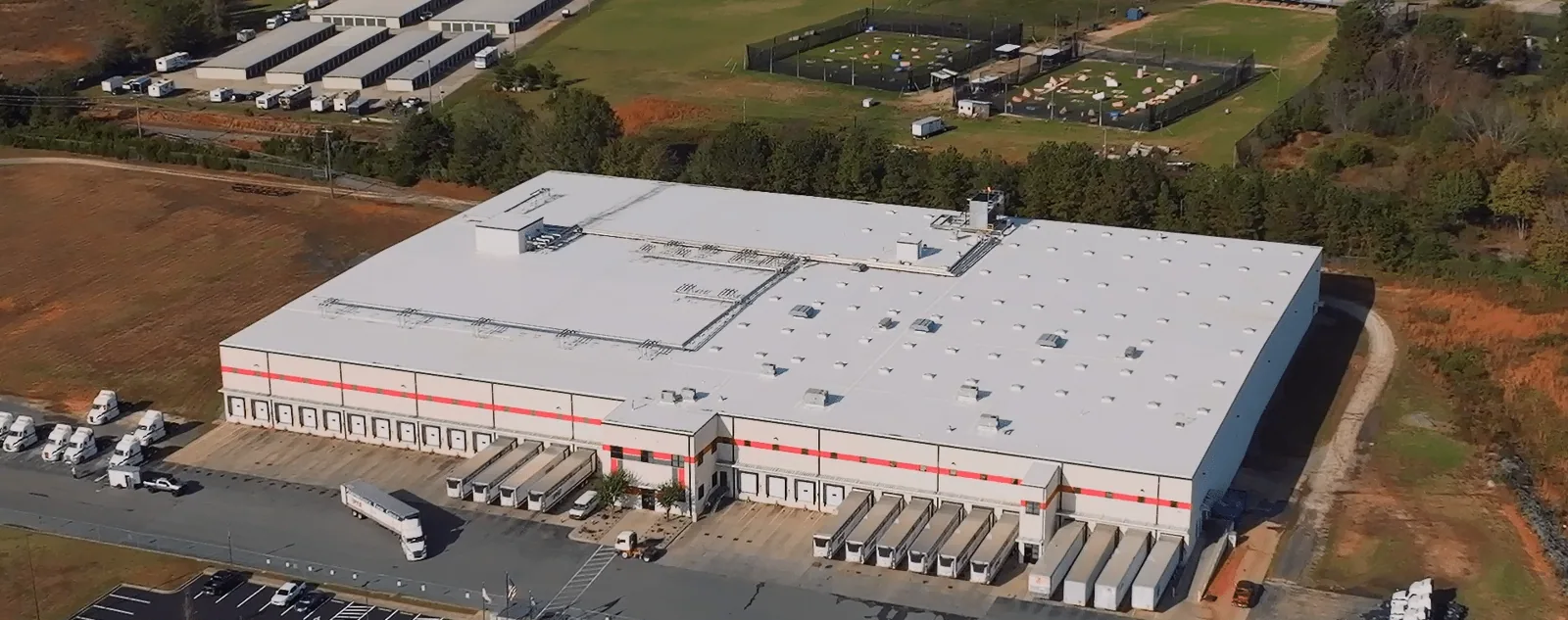
Hillsboro’s advanced-technology and medicine-manufacturing uses put equipment access, air intakes, and scheduled work windows on the roof-walk checklist. We note the actual route, curb clearances, and operating restrictions, then set a scope around conditions we can inspect.
Related Roofing Pages
More pages on commercial roofing in Hillsboro:
Identify the membrane family at the lap
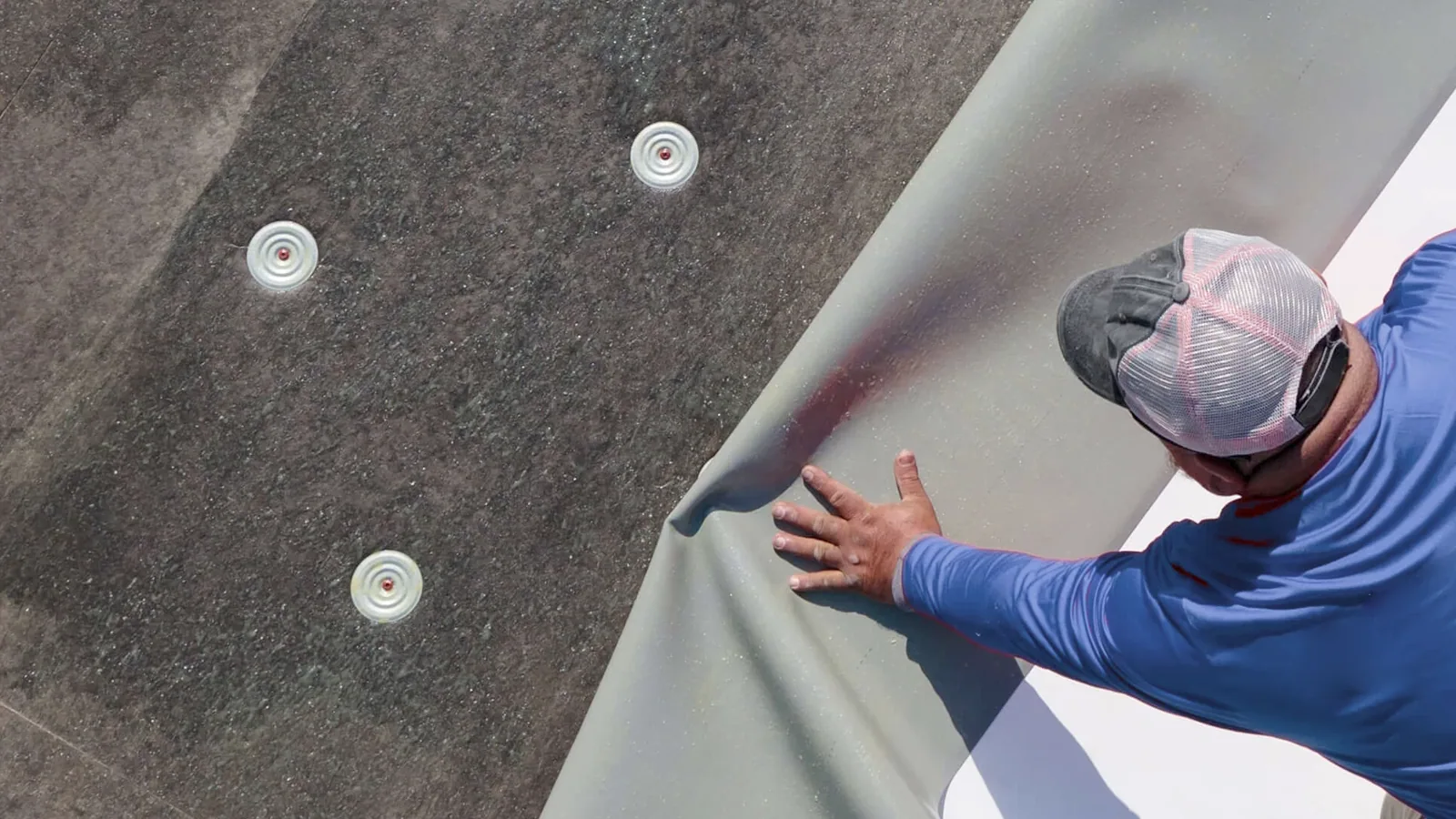
VersiWeld TPO seams are heat welded, VersiFlex PVC uses a thermoplastic weld, and VersiGard EPDM relies on compatible seam and flashing materials. The repair starts with the sheet on the building, not a product family assumed from its color. We inspect cut edges, markings, previous repairs, and how flashing meets walls and curbs. If an overlay hides a transition, a selective opening can confirm what sits below.
We also check attachment and the edge. Fastener plates, adhesive bond, perimeter metal, and parapet terminations help keep the assembly connected to the deck. A separated edge can let water enter even when field seams remain intact. A TPO detail review or an EPDM inspection can record the differences that change a patch. If another system is under review, Carlisle SynTec and Johns Manville assemblies can be compared against the same deck, drainage, and attachment findings.
Perimeter movement deserves its own mark on the roof plan. We look for pulled fasteners, loose plates, open metal joints, and separation where the membrane turns up at a wall. These conditions can appear at corners or along an edge while the center field remains flat. At a curb, we check whether the flashing stays secure where equipment vibration, service access, or previous patching has changed the surface. Those observations help decide if the repair stops at a single transition or needs a longer boundary. The closeout can then show what was tightened, welded, or replaced and what should be checked during a later walk.
Find the detail that carries the leak
We connect the interior report with seams, penetrations, drains, and the nearby drainage plane. Water can follow a deck flute or insulation joint a long way before reaching a ceiling, so the stain and the roof opening may not line up. We mark both points and note the test that could connect them. A seam probe, moisture survey, or selective opening is used when it will change the repair boundary.
About 64 overnight lows in a typical Hillsboro year reach freezing or below. After cold periods, we inspect exposed flashing, drain bowls, and repaired areas, then check surface conditions before welding or adhering a patch. A moisture survey can map a suspected wet area so removal does not extend farther than the confirmed condition requires.
Keep the repair on sound material
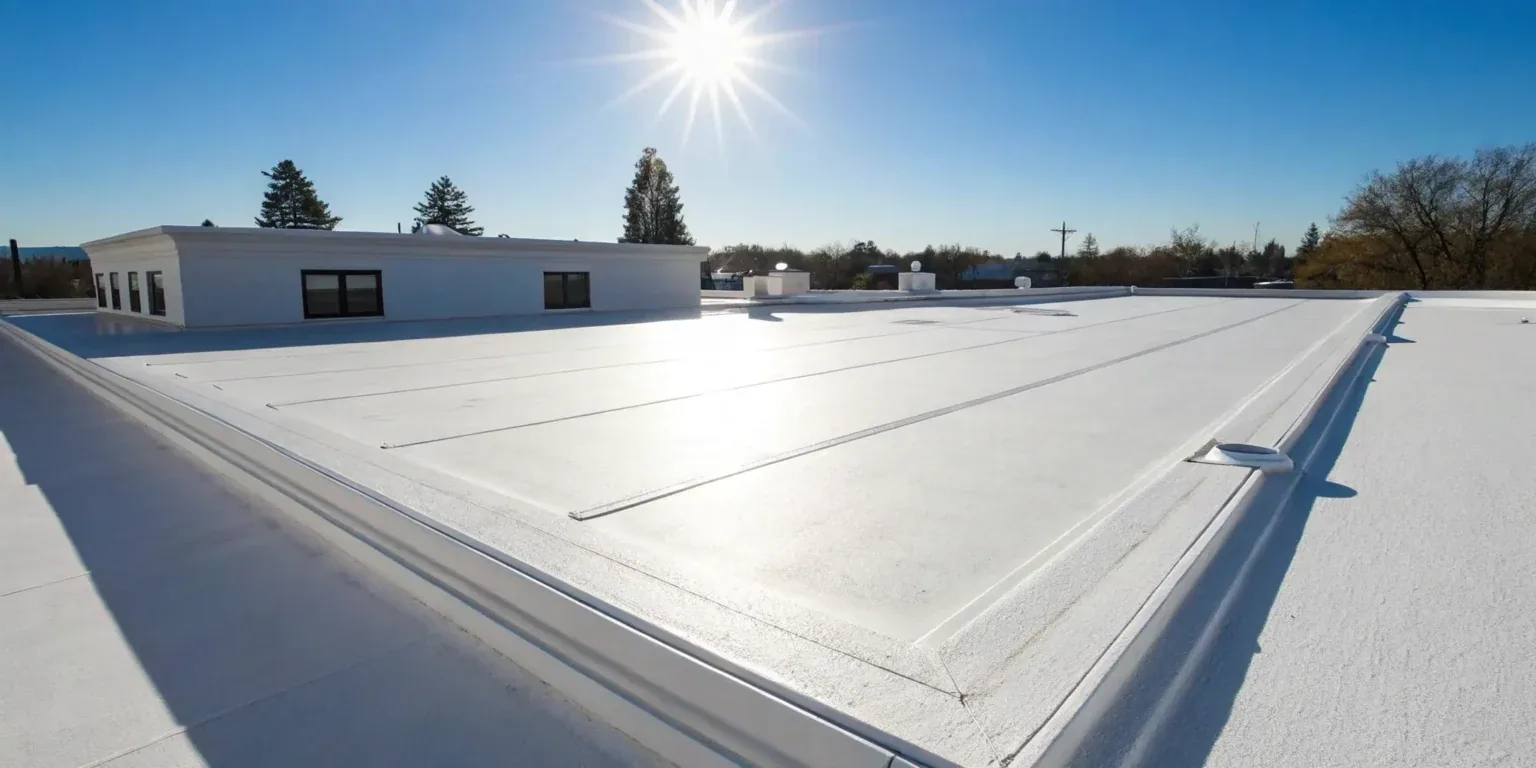
A small split can be repaired when the surrounding sheet is flexible, clean, and dry. We remove loose material, prepare the boundary for the identified system, and inspect the finished seam or lap. If wet insulation reaches beyond the opening, covering it with new membrane leaves the moisture in place. The scope notes where testing or removal is needed. A puncture repair identifies both the surface damage and the substrate condition below it.
Several failed details or recurring water at separate locations can justify a roof-wide review. We compare repair, recover, and tear-off by looking at the deck, attachment, insulation, edge heights, and drainage. A recover requires a stable and sufficiently dry assembly, while replacement may allow wet layers and failed terminations to be removed. We list access, temporary protection, material staging, and disposal separately so the owner can understand what changes the scope.
For active water entry, the response line runs day and night through weekends and holidays. We secure the opening, note the temporary measure, and set a return visit for the permanent work when the sheet can be prepared as required. The follow-up confirms the weld and notes any nearby area left untested.
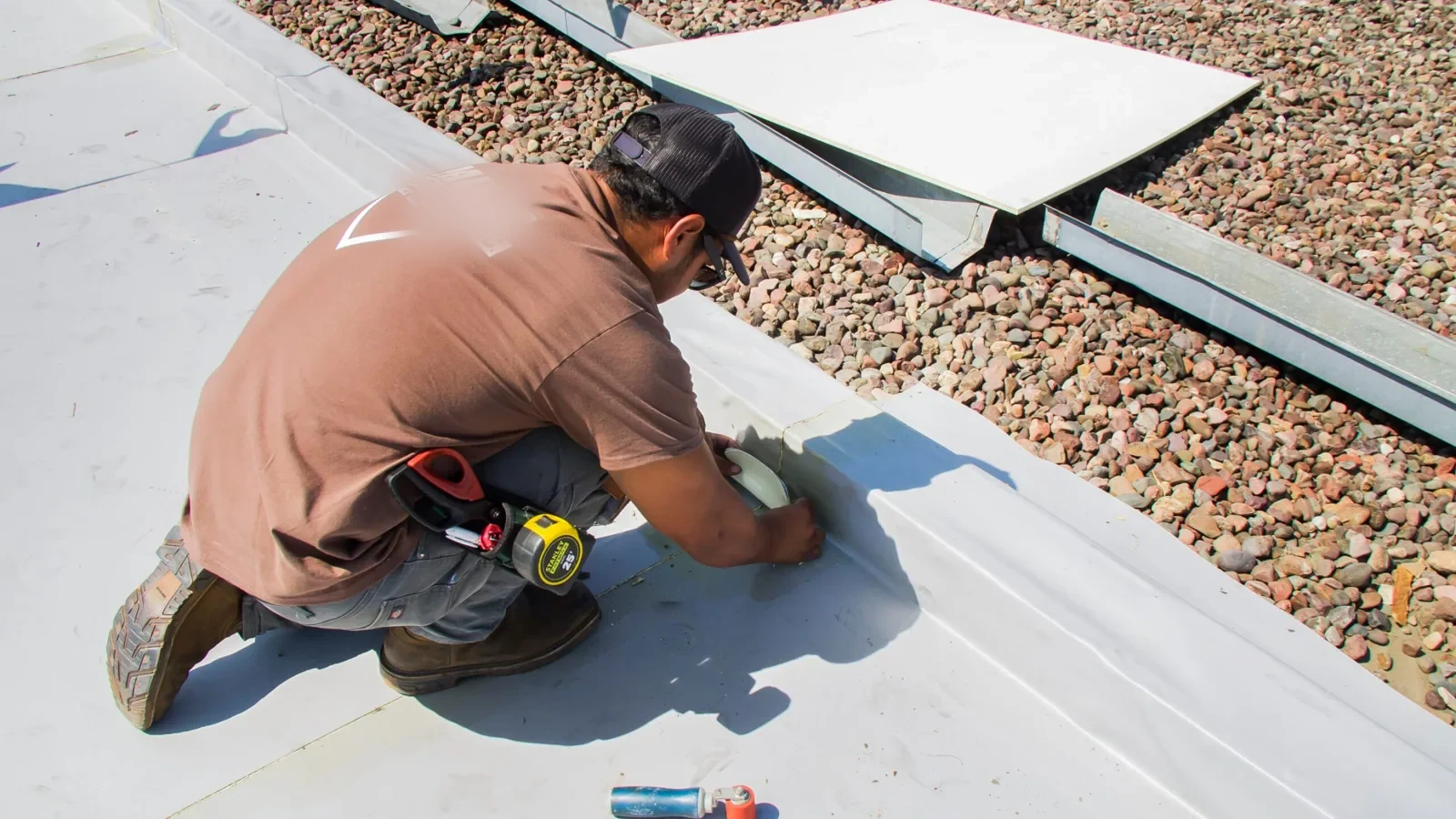
At a seam, the repair method follows the membrane and the way the original joint was made. We prepare the surface, confirm the lap can accept a compatible tie-in, and check the finished bond where the assembly allows. If the sheet is brittle or the insulation is wet, the work boundary moves to sound material instead of hiding the condition under a patch. That distinction keeps a localized weld separate from a section that needs investigation.
Set a work window for the surface
Hillsboro averages 35.93 inches of rain each year, with most precipitation from October through January. A membrane repair needs a dry, prepared surface; rain or standing water at a seam can affect the result. We verify the weather and roof condition on the scheduled day, protect any exposed section at closeout, and document a changed work boundary if an opening reveals wet insulation.
185th Avenue carries regional movement for people and goods. At nearby commercial properties, we confirm truck entry, staging, and equipment routes with the site contact before setting the repair sequence. A material delivery can need a different route from a roof-walk crew, especially where the lift, loading lane, and service entrance share space. We record those limits before any sheet is opened. An occupied-building work plan can sequence the repair so tenant access and equipment service areas remain clear.
Track repaired seams in the roof record
After work, the closeout names the membrane, repair materials, location, photos, and seam or flashing detail checked. It also identifies any nearby area that remains untested. That record lets facilities staff tell a completed Versico repair from an adjacent lap that has not been opened. A marked condition report can preserve the findings for future maintenance and capital planning.
We can revisit drains, curbs, and patch edges through scheduled maintenance. For a property near Tanasbourne and AmberGlen, roof access and tenant routes should be recorded for the actual building, not assumed from a district plan. Arrange a roof walk to identify the Versico assembly in place. We will mark the repair boundary, explain what a moisture test would settle, and provide separate options when repair and replacement both merit review.
Questions About Versico Commercial Roofing
How do Versico TPO and EPDM repairs differ?
TPO seams are welded after the surface is prepared. EPDM uses compatible seam and flashing materials instead. We identify the installed sheet, test a representative detail, and select the repair that fits its chemistry and condition.
Can a repair stop a leak if insulation is wet?
A surface patch alone does not dry wet insulation. We map the suspected area and remove material only where the test confirms moisture or the assembly needs access. The scope shows that boundary separately from seam work.
What if the Versico label is missing?
We look at exposed material, repair history, seam construction, and accessory details. If those clues leave the assembly uncertain, a selective opening or record review can settle which patch will meet sound material.
Can an older Versico roof accept a recover?
The deck, attachment, layers, insulation, drainage, and edge heights determine whether a recover is workable. We inspect those items and compare a recover with tear-off. Wet or unstable layers can change the recommendation to removal and replacement.
What belongs in the repair closeout?
Keep photographs, a marked repair location, the membrane identified, materials used, and the seam or flashing checked after work. We note any area left untested. That gives the next roof walk a clear starting point.
Walk the Versico roof in Hillsboro
Share the leak location, prior repair notes, and access limits. We will identify the membrane, mark the seam and moisture findings, and price the repair boundary the roof supports.